


A living barrier with sensory functions
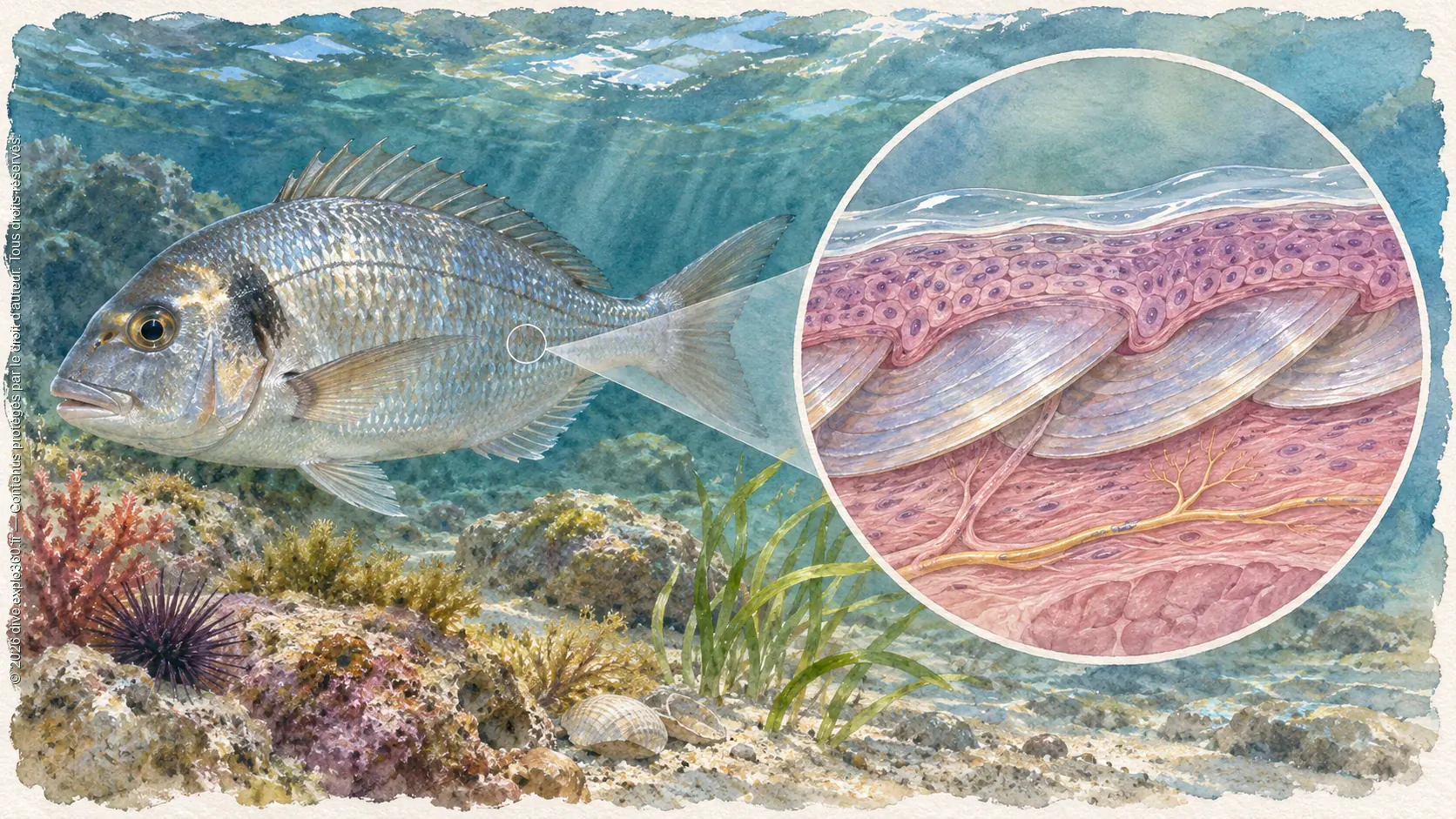
In most bony fish, scales are embedded in the dermis beneath a living epidermis whose cells secrete mucus. This layer contributes to exchanges with the environment and to microbial and mechanical protection. Enzymes and antibodies support local defences.
Hosts and ectoparasites
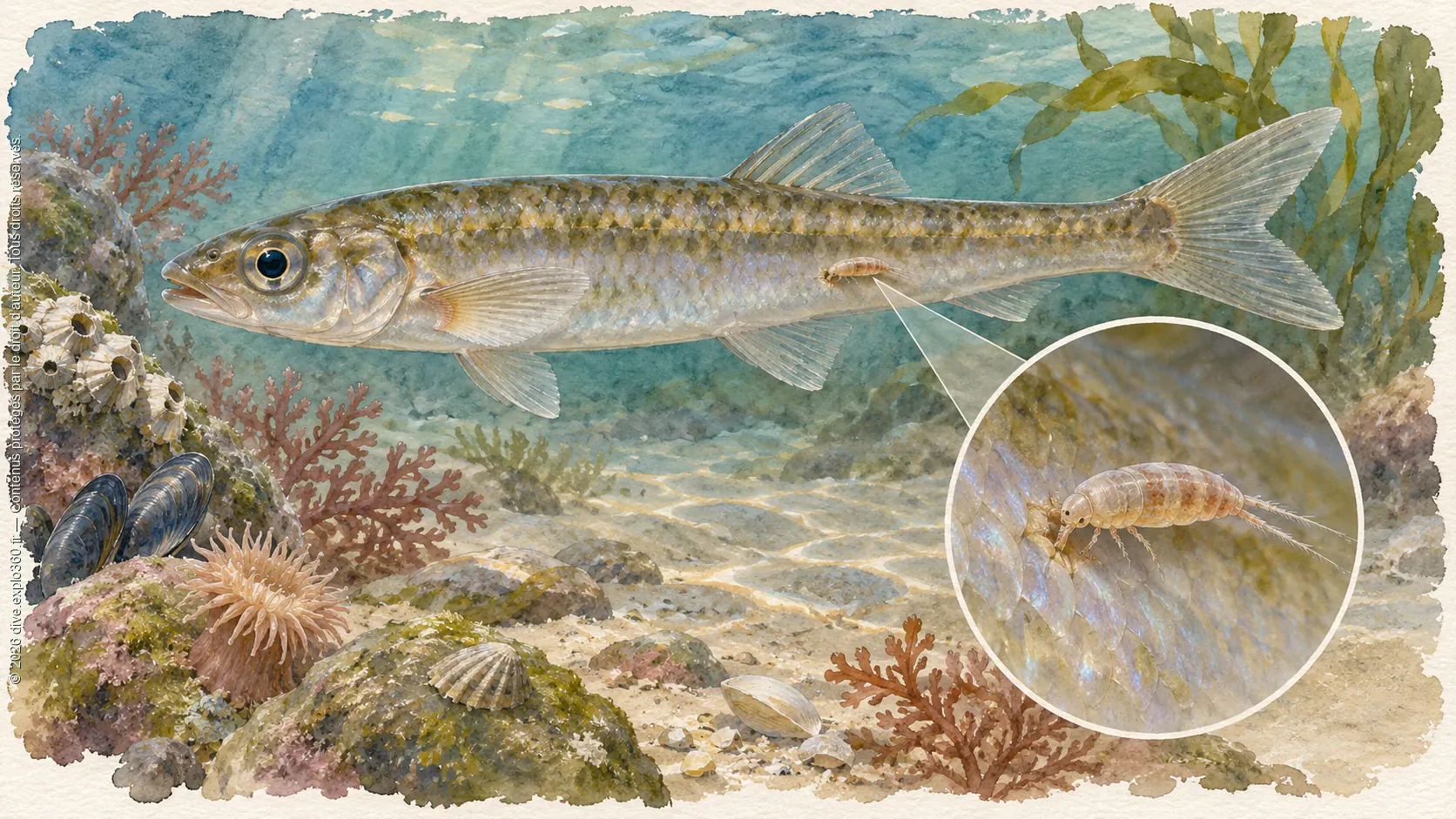
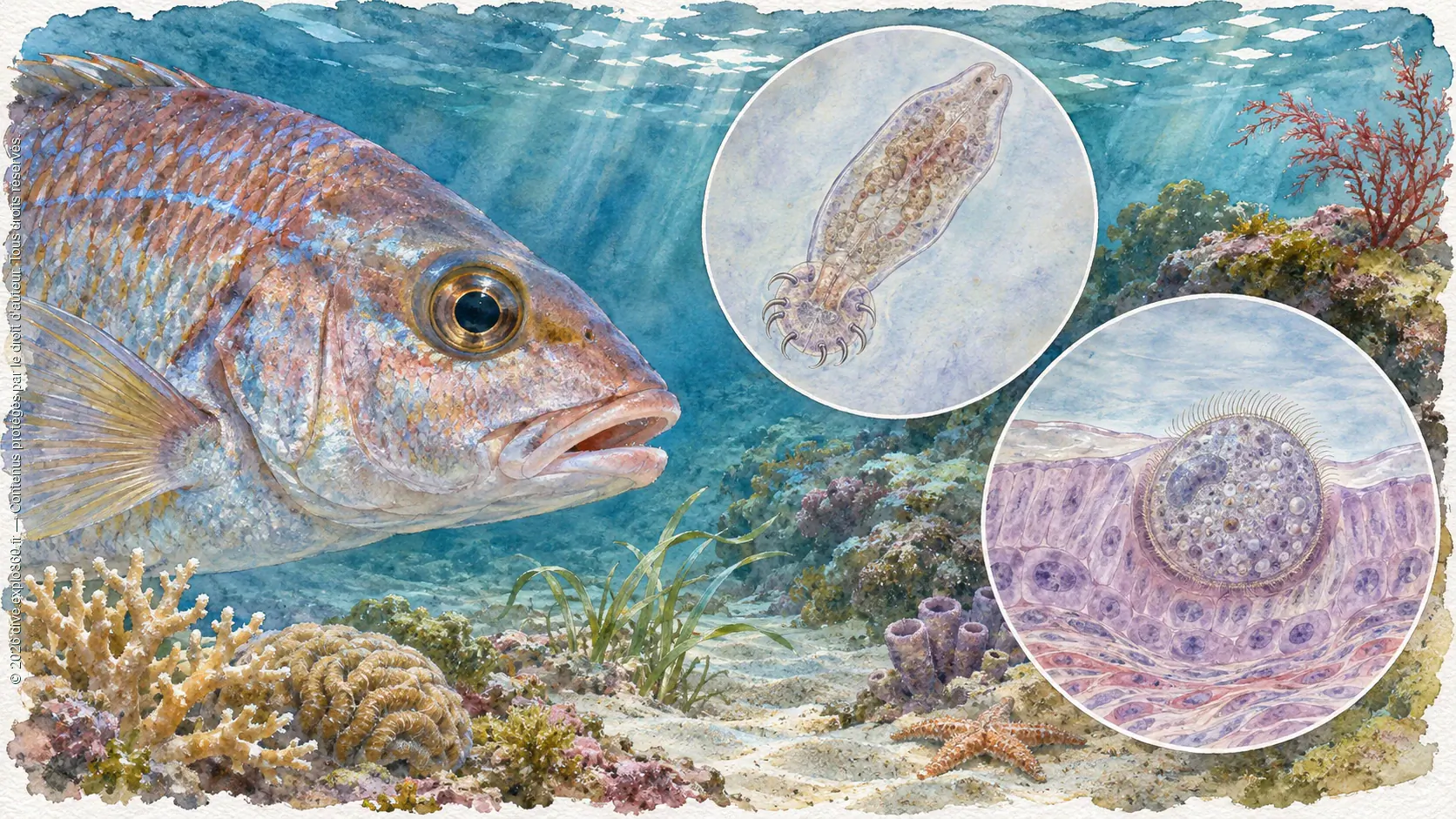
Crustaceans, flatworms and single-celled organisms exploit skin and gills exposed to water. These ectoparasites consume mucus, cells, blood or other fluids, depending on the species. Their attachment structures withstand host movement.
They can cause lesions, inflammation and mucus overproduction. Rubbing may dislodge superficial organisms or temporarily alter irritation-related stimulation. It is not a universal removal method, especially against firm attachments.
Specialised crustacean attachments
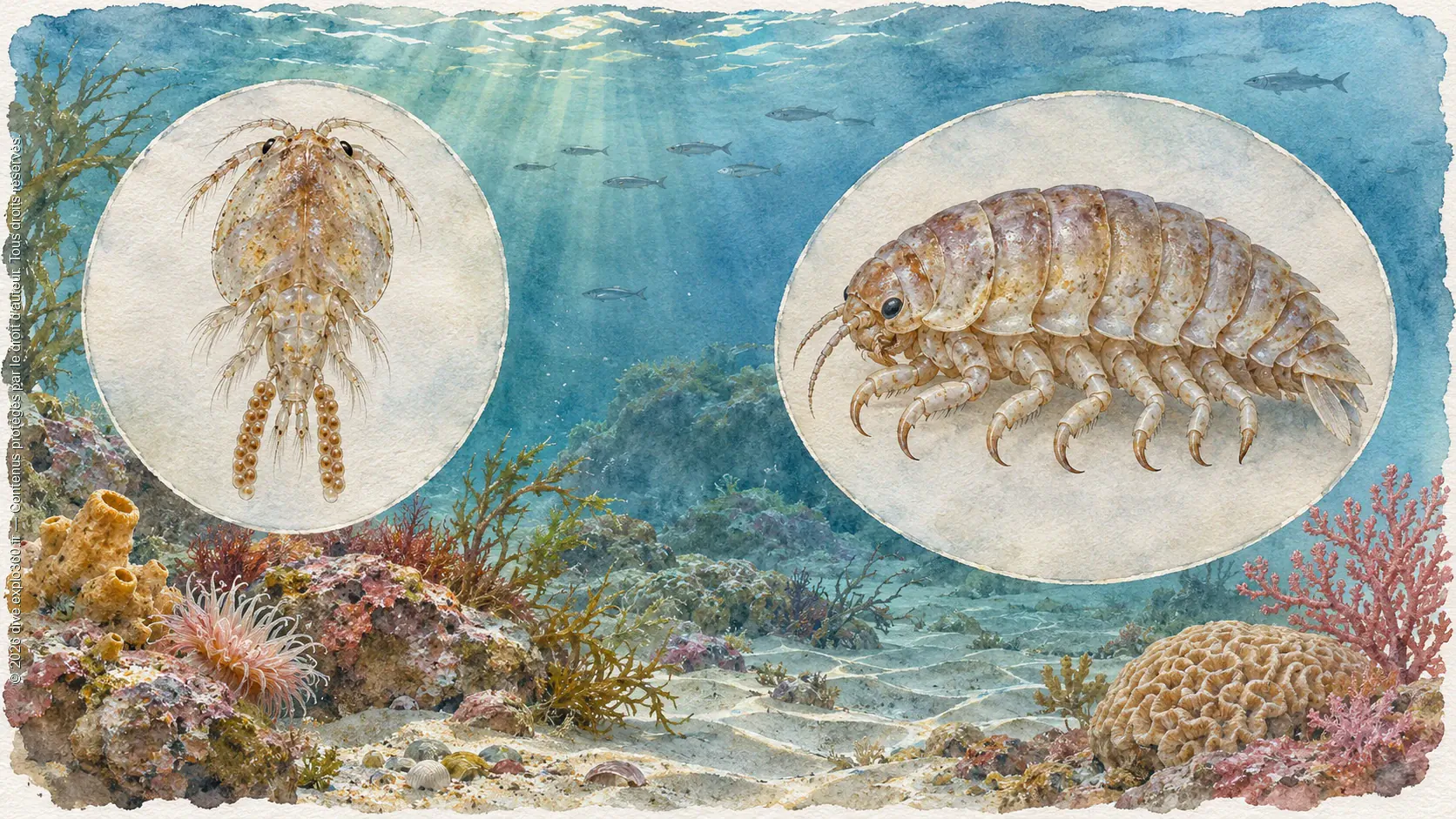
Caligid copepods, or sea lice, have flattened bodies and structures that hold them on a host. Depending on the species, they move over it or occupy particular regions. Feeding may damage the epidermis and mucus.
Larger cymothoid isopods inhabit skin, mouth or gill cavities. Their hooked appendages anchor them firmly. Rubbing has limited access to parasites deep in a cavity, even when the resulting damage causes irritation.
An infestation difficult to see
Monogeneans are small skin or gill flatworms with hook- or clamp-bearing attachment organs. Species consume mucus, cells or blood. High numbers can cause irritation and compromise gill function.
Irritation and sensory interpretation
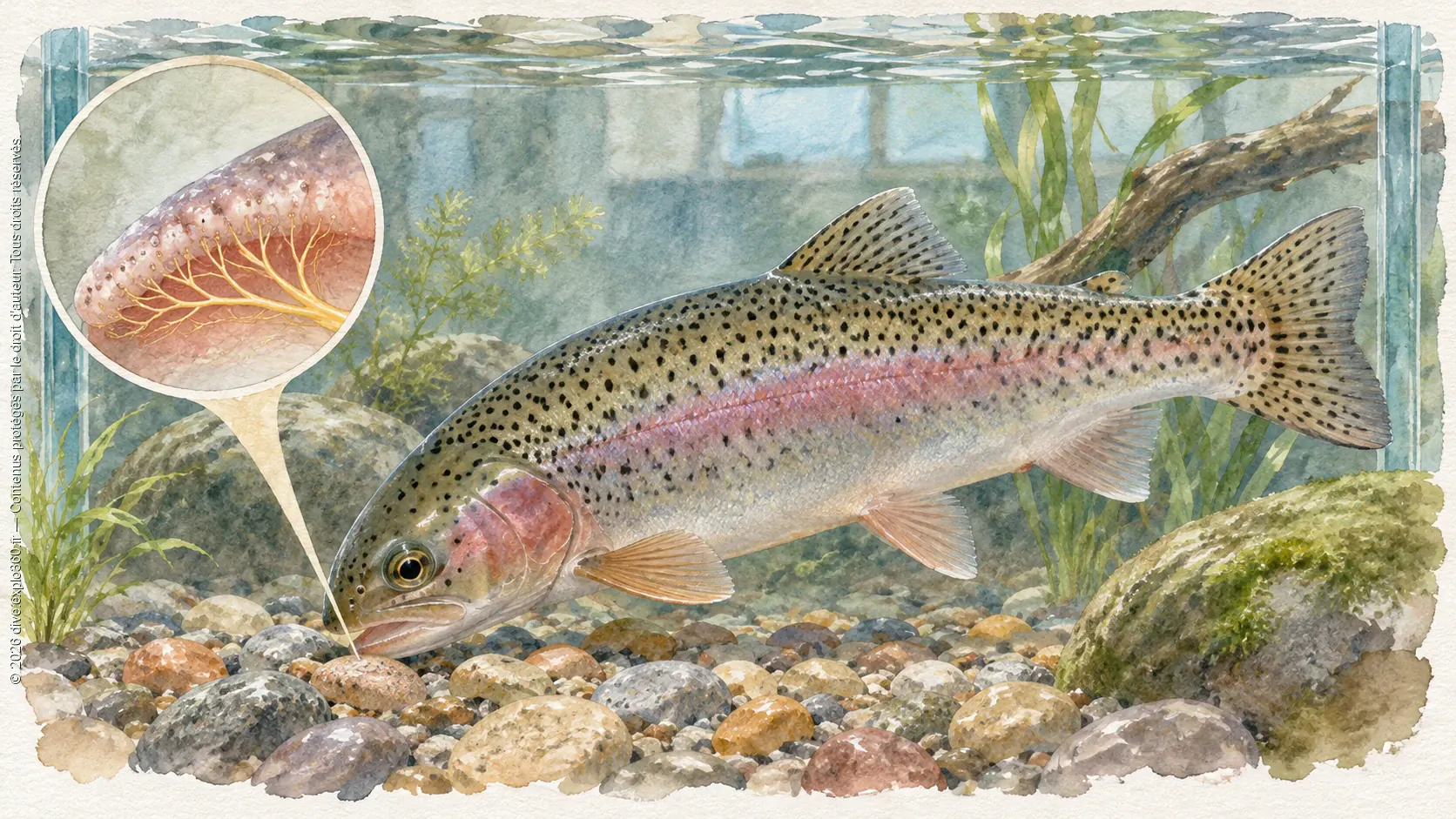
Injury, inflammation, infection or chemical irritation can provoke rubbing without parasites. In 2003, rainbow trout, Oncorhynchus mykiss, exposed to an irritant at the lips rubbed that area against gravel or tank walls beyond the initial stimulus.
This targeted response establishes a behavioural possibility, not a sensation identical to human itch. Specific itch mechanisms in fish are less understood than pain mechanisms. Observation and experiment must be distinguished from certainty about subjective experience.
The mechanics of contact
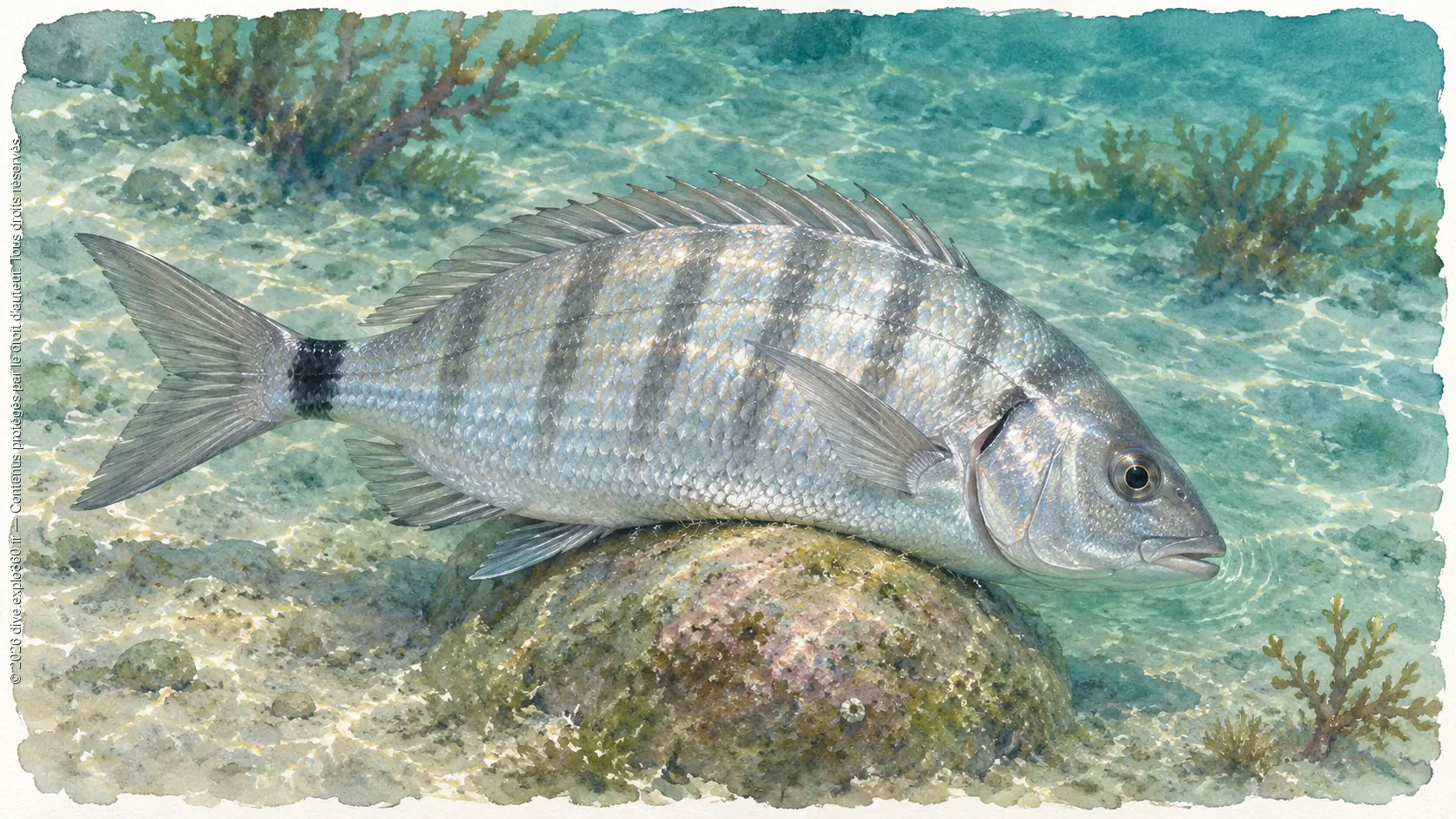
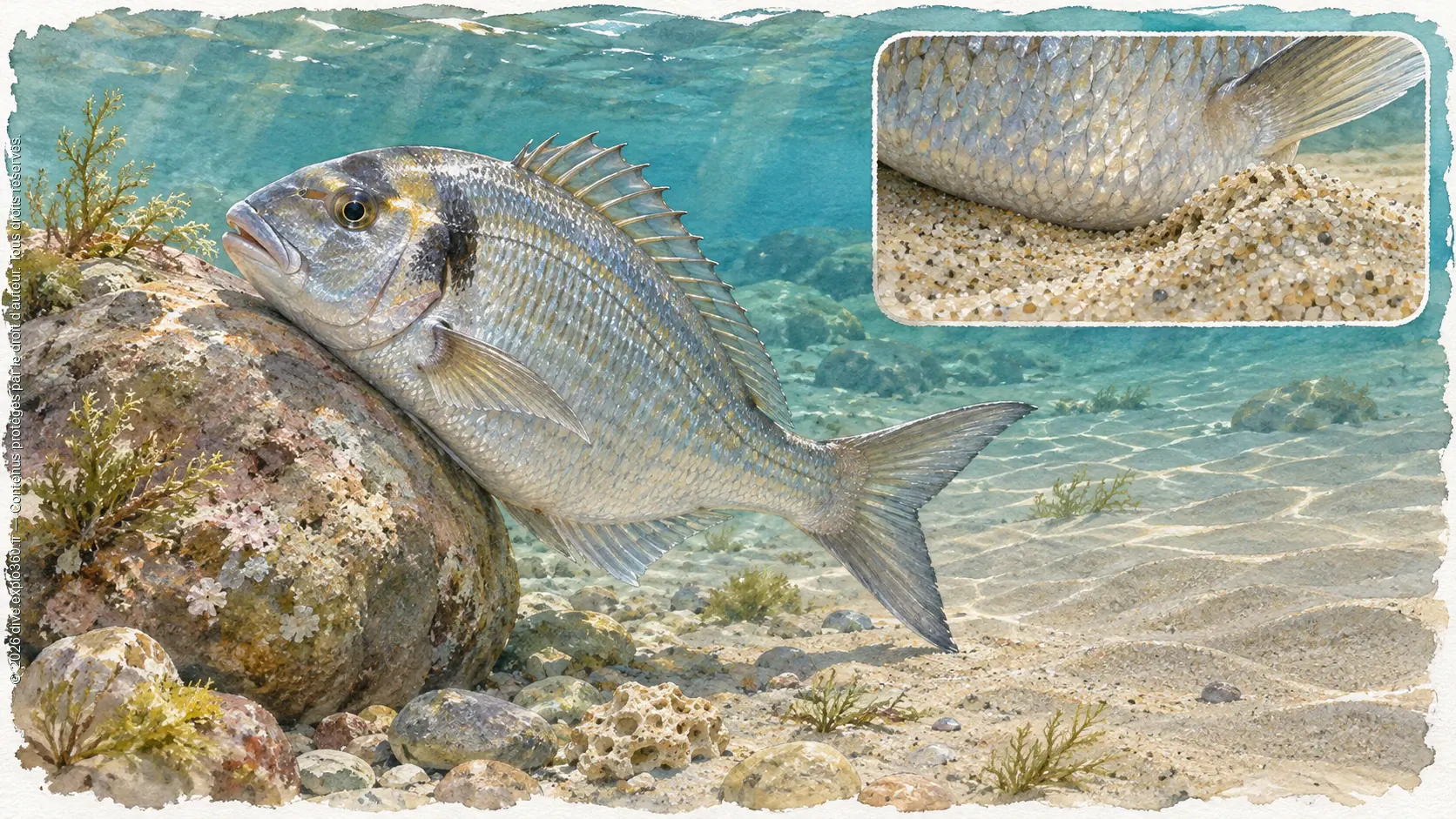
Rigid rock, surface irregularities and shape affect contact. Sand deforms but remains abrasive. A rounded stone and an edge reach different areas, such as a flank or behind the gill cover.
Acceleration, tilting and bending bring a particular region against the surface. Excessive rubbing can damage the epidermis or strip mucus, potentially facilitating infection. The outcome depends on both substrate properties and the skin barrier’s resilience.
GO FURTHER WITH AMIGANSEAU
Continue reading
Discover full species guides, in-depth content and interactive tools available with your licence.
Dive.Explo360 is an independent, self-funded nonprofit. Every licence helps us create new content, improve our teaching tools and keep some of our resources free and ad-free.
Choose a licence that suits your needs for personal, educational or professional use.
Open-access resources remain available without a subscription.