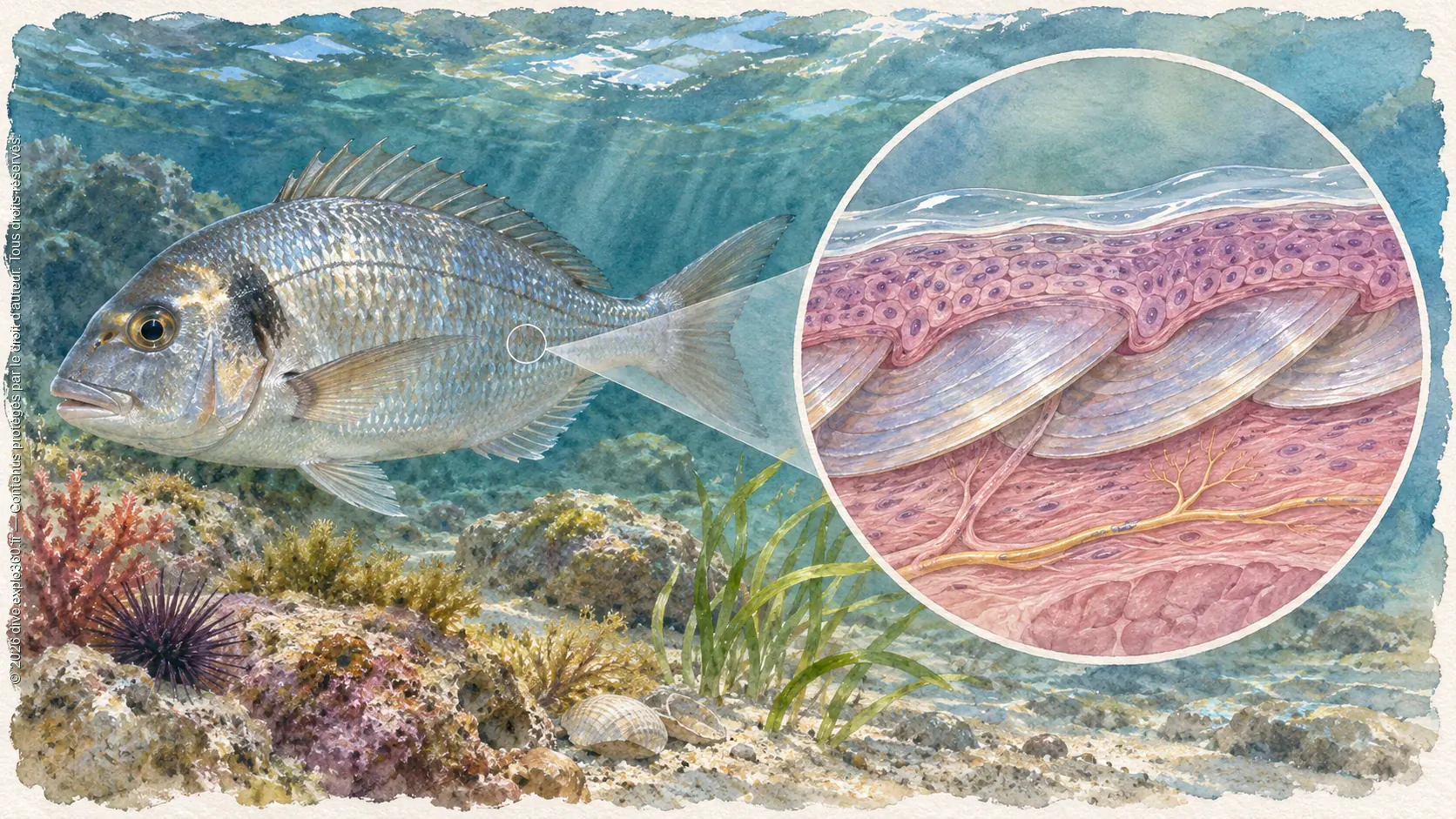
A living, sensitive surface
In most bony fish, scales sit in the dermis beneath a living epidermis. Cells produce a mucus film that contributes to protection against microbes and mechanical damage, and to exchanges with water. Enzymes and antibodies help provide defences.
External parasites
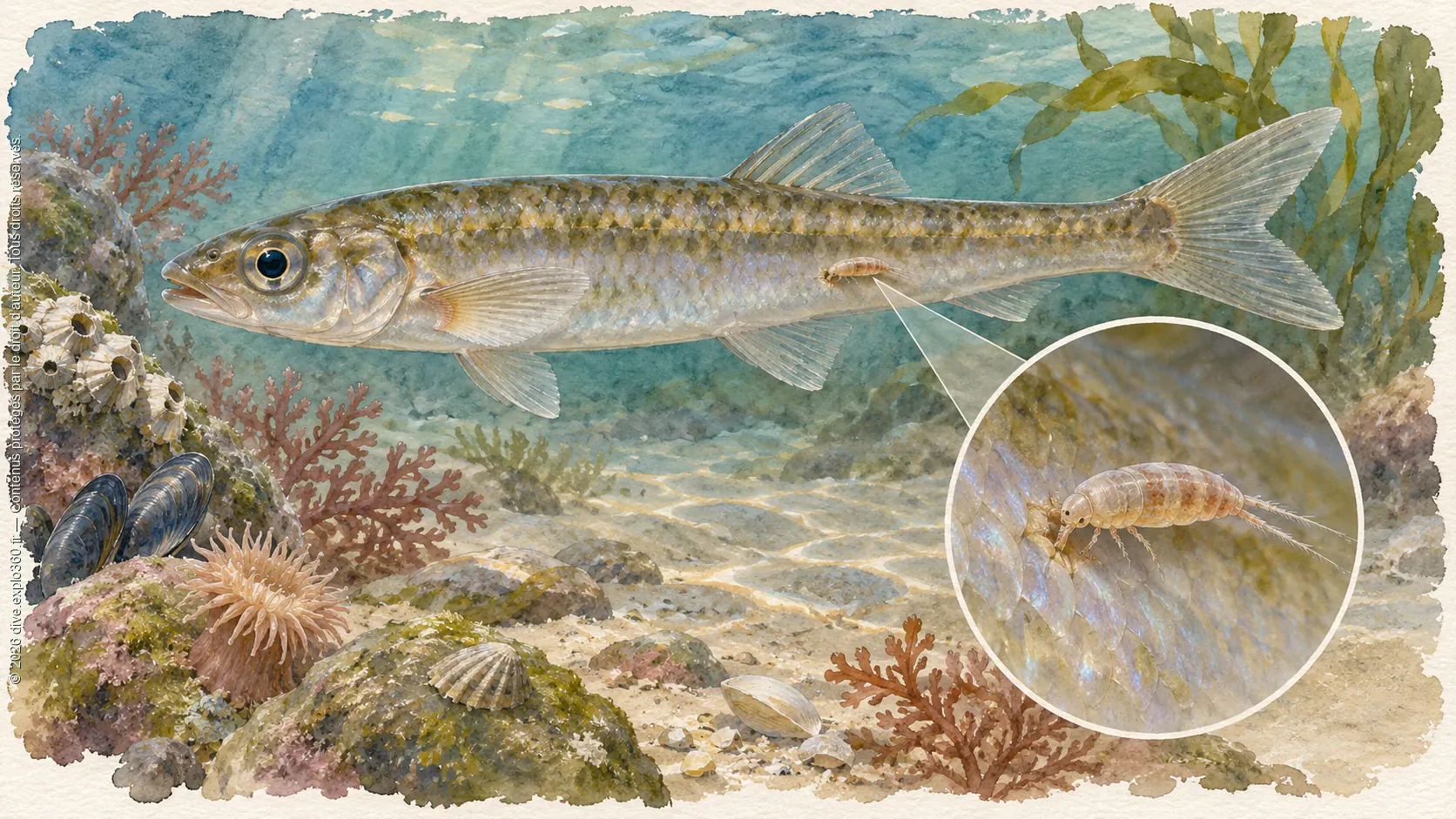
Crustaceans, flatworms and single-celled organisms live on skin or gills in contact with water. These ectoparasites feed, depending on the species, on mucus, cells, blood or other fluids. Attachment structures keep them in place as their host swims.
They can cause damage, inflammation or excess mucus. Rubbing may dislodge some surface organisms or temporarily alter irritation. It cannot remove every parasite, particularly those attached firmly.
Copepods and isopods
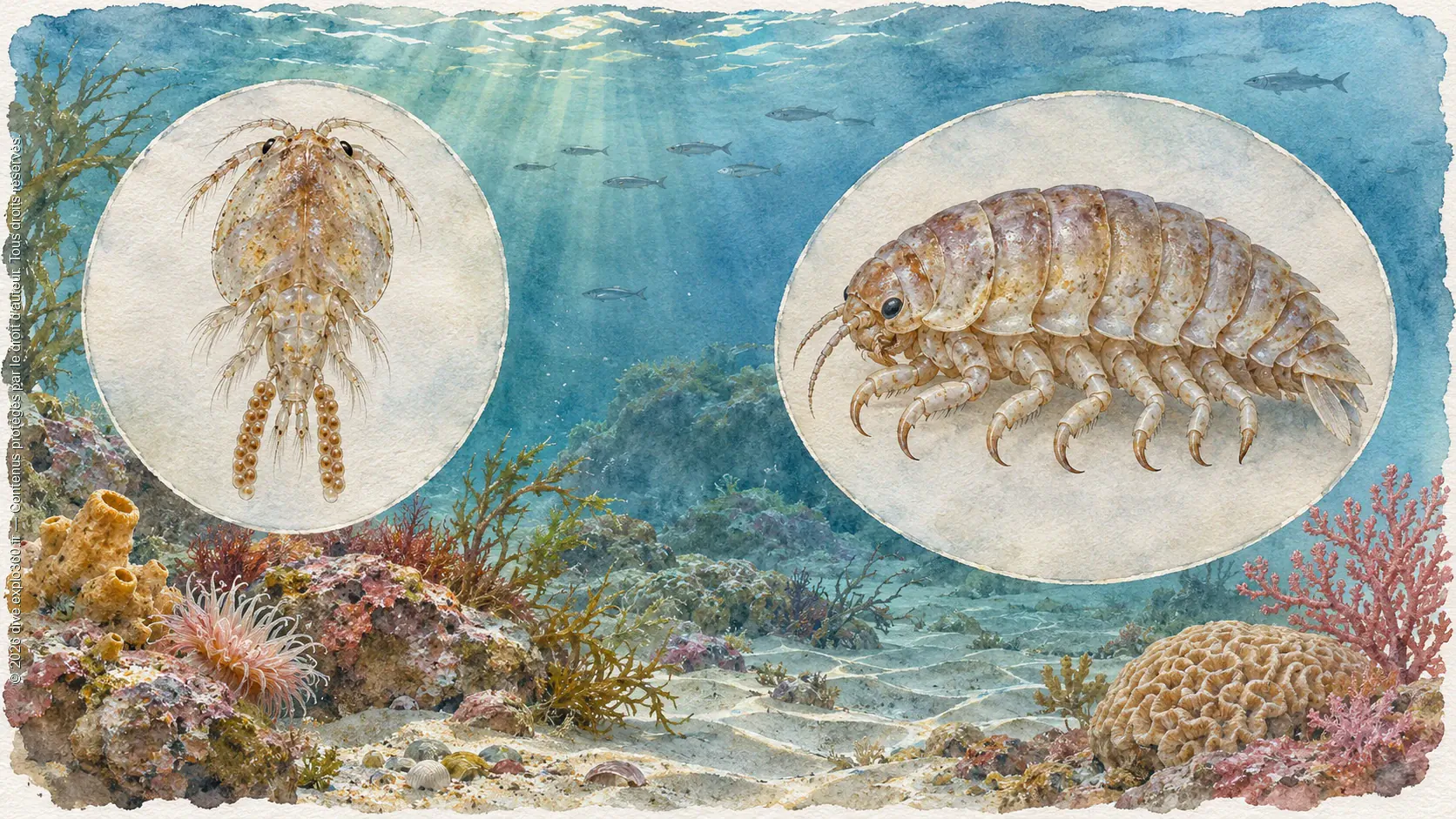
Caligid copepods, often called sea lice, have flattened bodies and specialised attachments. Some move over their host; others remain in particular regions. Their feeding can damage the epidermis and mucus.
Larger cymothoid isopods may occupy the skin, mouth or gills. Hooked appendages anchor them firmly. Rubbing against a rock is unlikely to reach a parasite deep inside a cavity, even if its effects trigger a response.
Almost invisible organisms
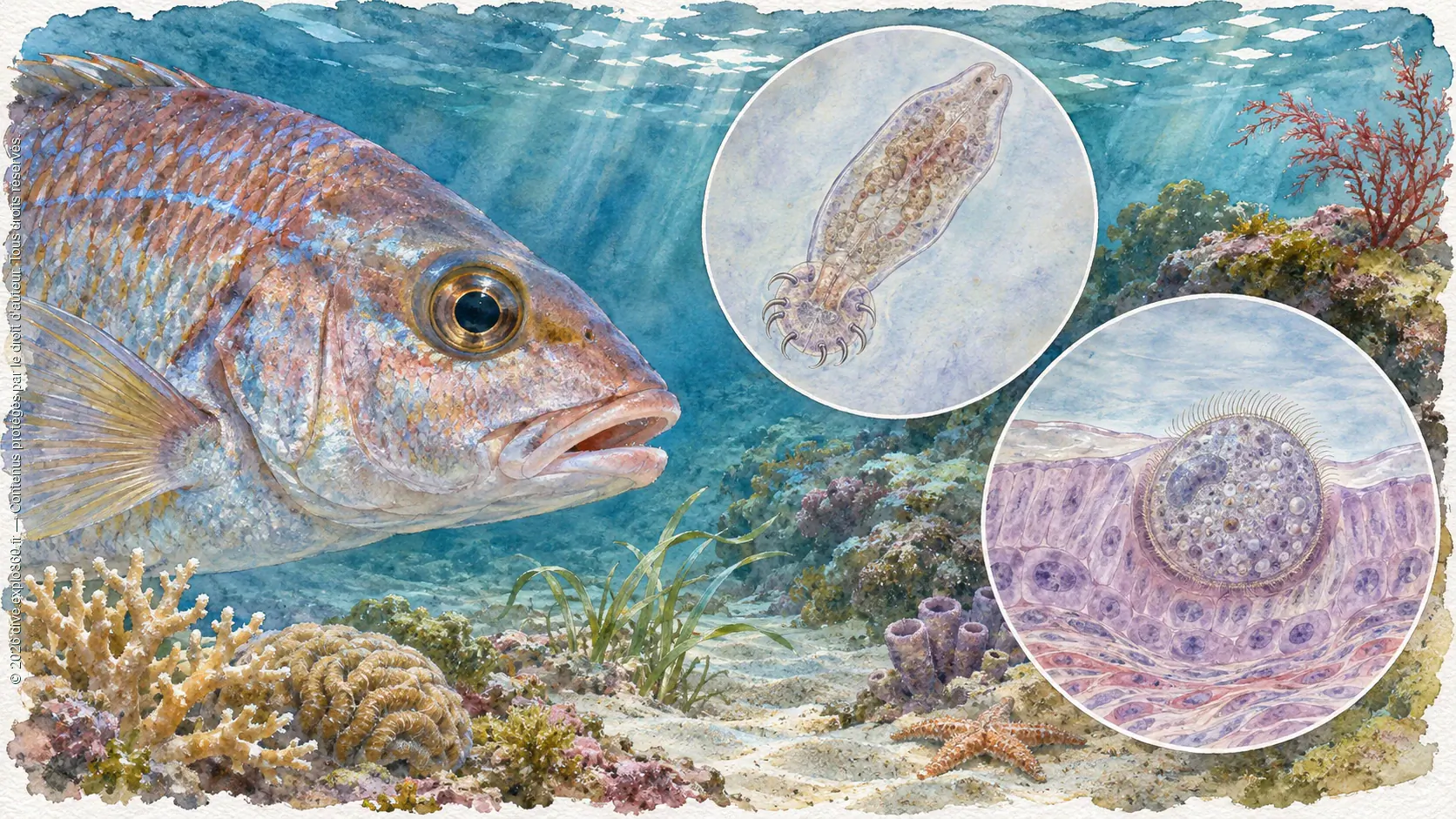
Monogeneans are small flatworms on skin or gills, with hooks or clamps for attachment. Species use mucus, cells or blood. Large numbers can irritate their host and interfere with gill function.
A response without parasites
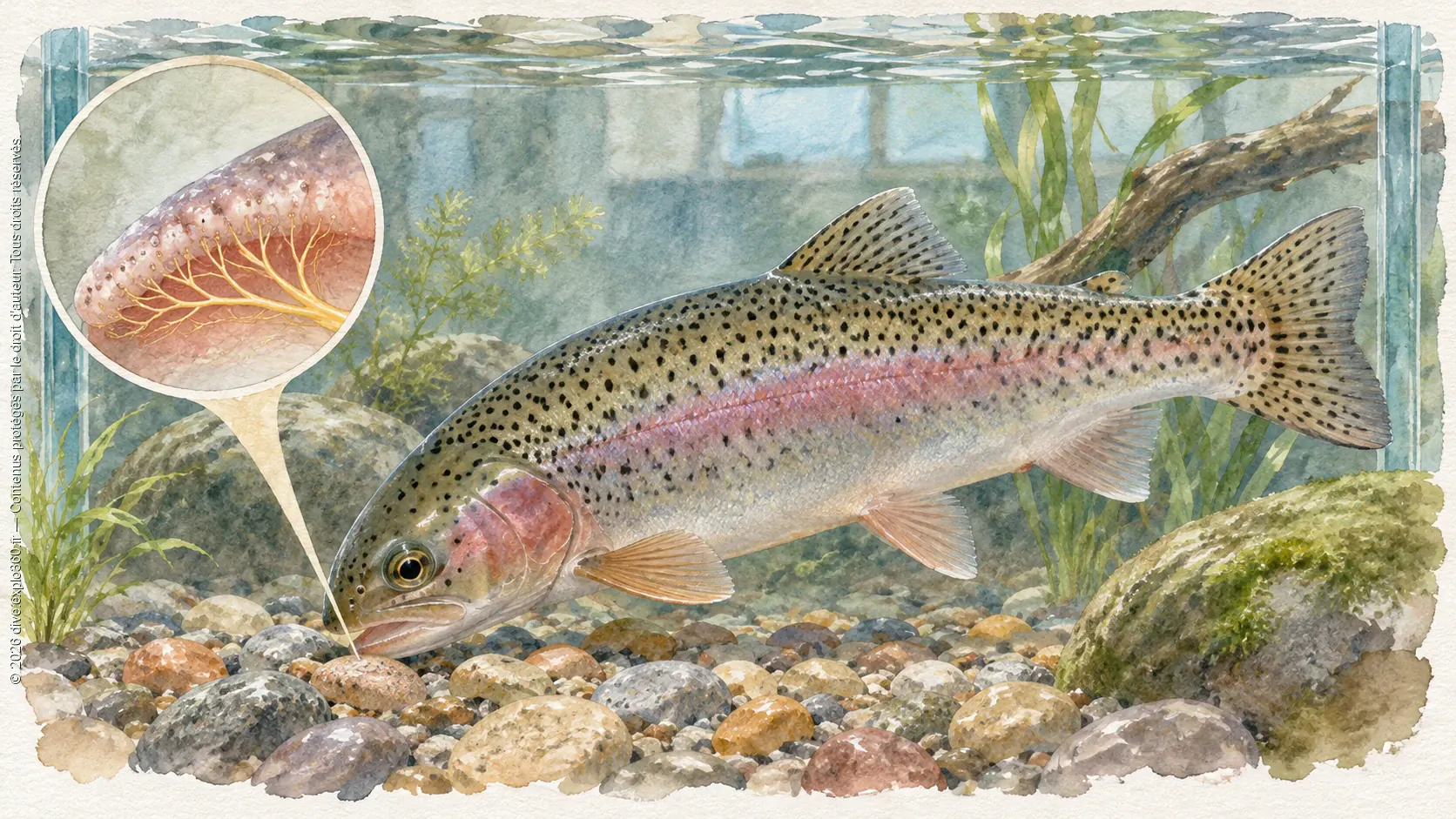
Injury, inflammation, infection or chemical irritation can also trigger rubbing. In 2003, rainbow trout, Oncorhynchus mykiss, given an irritating substance at the lips rubbed that area against gravel or tank walls after the initial stimulus.
The experiment showed a local response independent of parasites. It did not identify the exact sensation. Itch mechanisms in fish are less understood than pain mechanisms; a direct comparison with our own urge to scratch needs caution.
The surface makes a difference
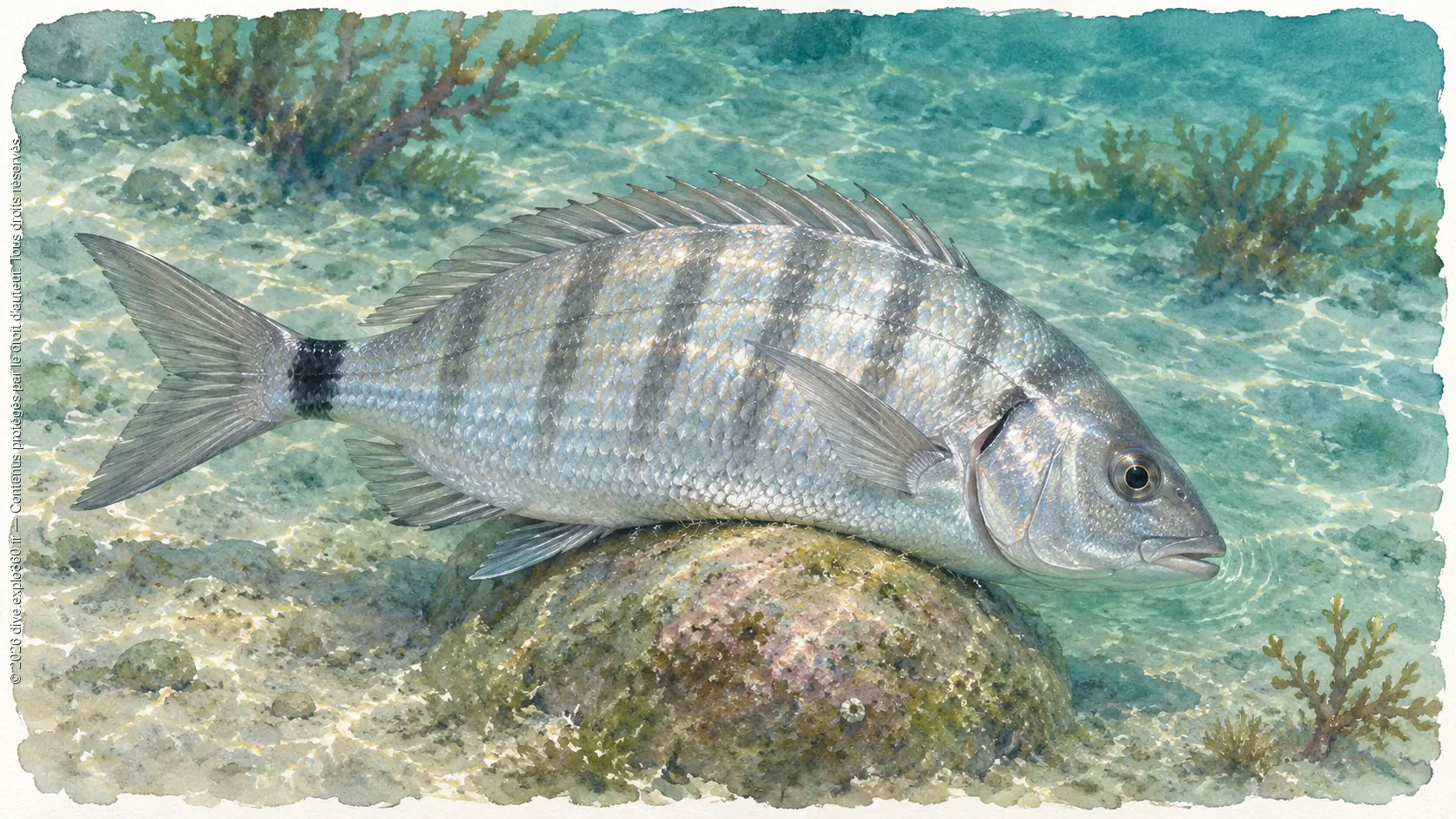
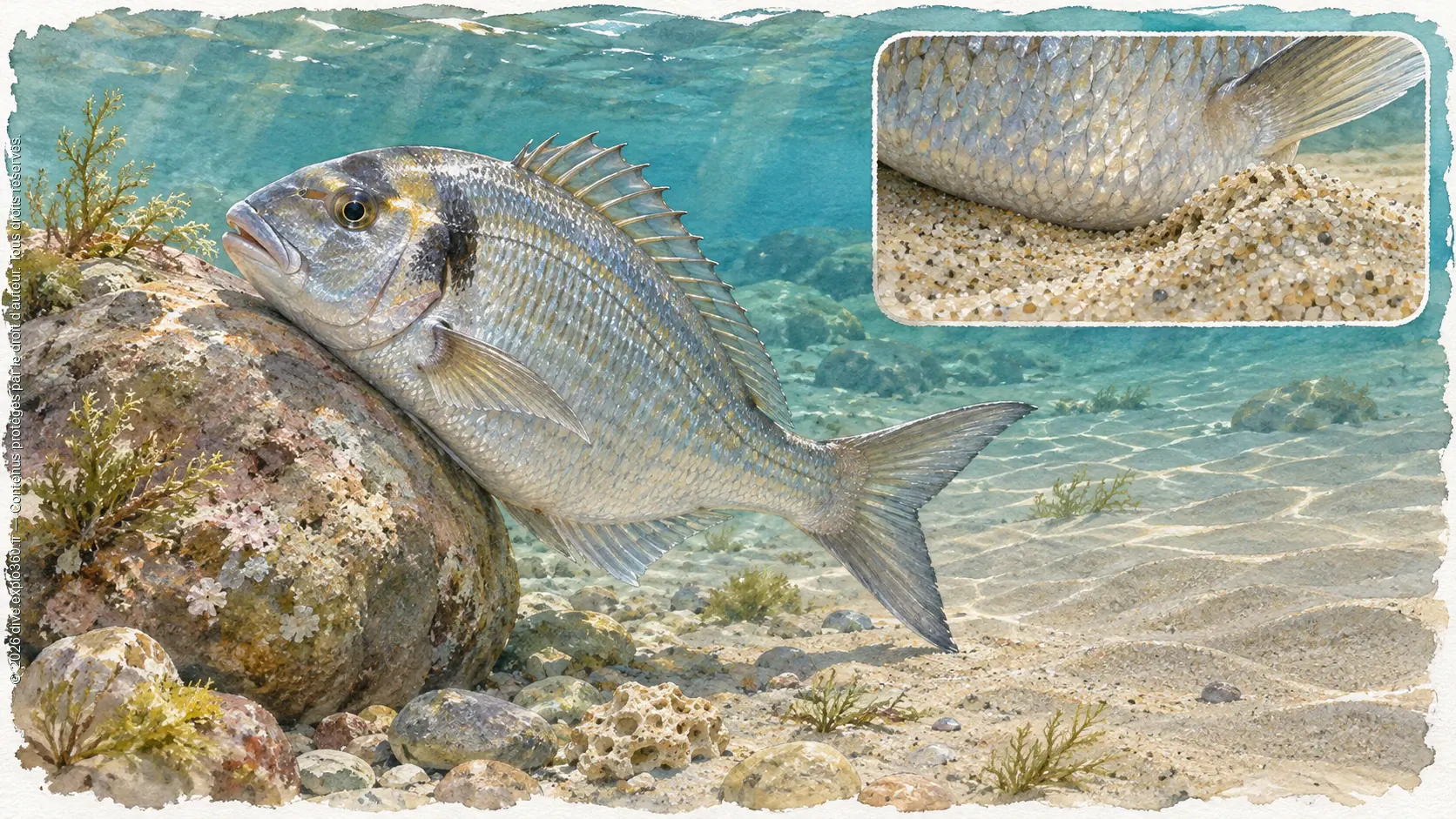
Rock resists movement and its irregularities may help loosen particles or organisms. Sand gives way, but its grains are abrasive. A rounded stone can contact a flank, while an edge may reach behind the gill cover.
The fish accelerates and tips or bends to target a region. Vigorous rubbing can damage the epidermis or remove mucus, potentially allowing infection. Its effects depend on the surface and the skin’s resilience.
GO FURTHER WITH AMIGANSEAU
Continue reading
Discover full species guides, in-depth content and interactive tools available with your licence.
Dive.Explo360 is an independent, self-funded nonprofit. Every licence helps us create new content, improve our teaching tools and keep some of our resources free and ad-free.
Choose a licence that suits your needs for personal, educational or professional use.
Open-access resources remain available without a subscription.