Living skin beneath the slime
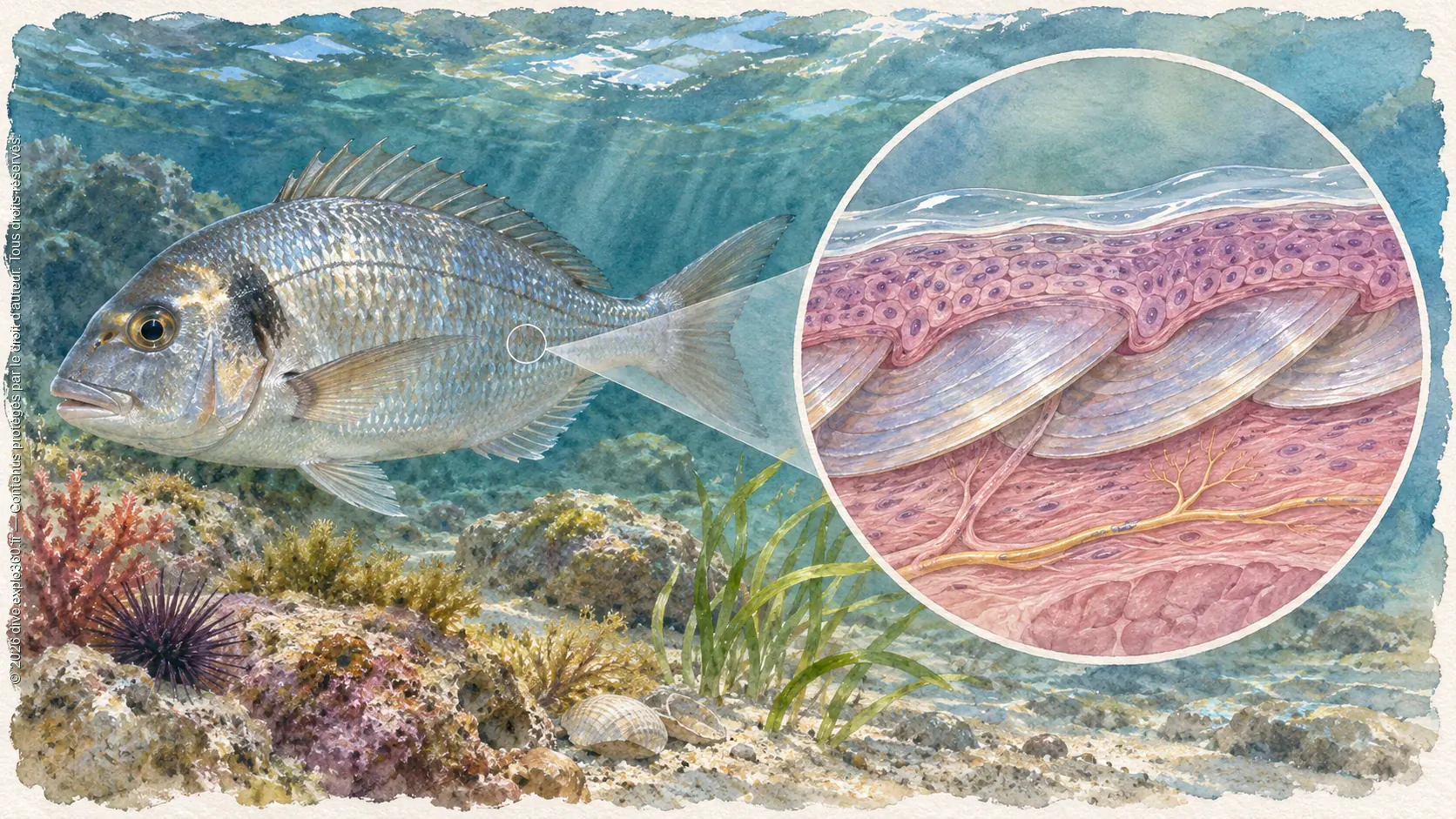
In most bony fish, scales sit in a layer called the dermis, beneath a living epidermis. Mucus covers the surface. This film helps protect against microbes and rubbing, and takes part in exchanges with water. It also contains defences such as enzymes and antibodies.
Unwelcome passengers
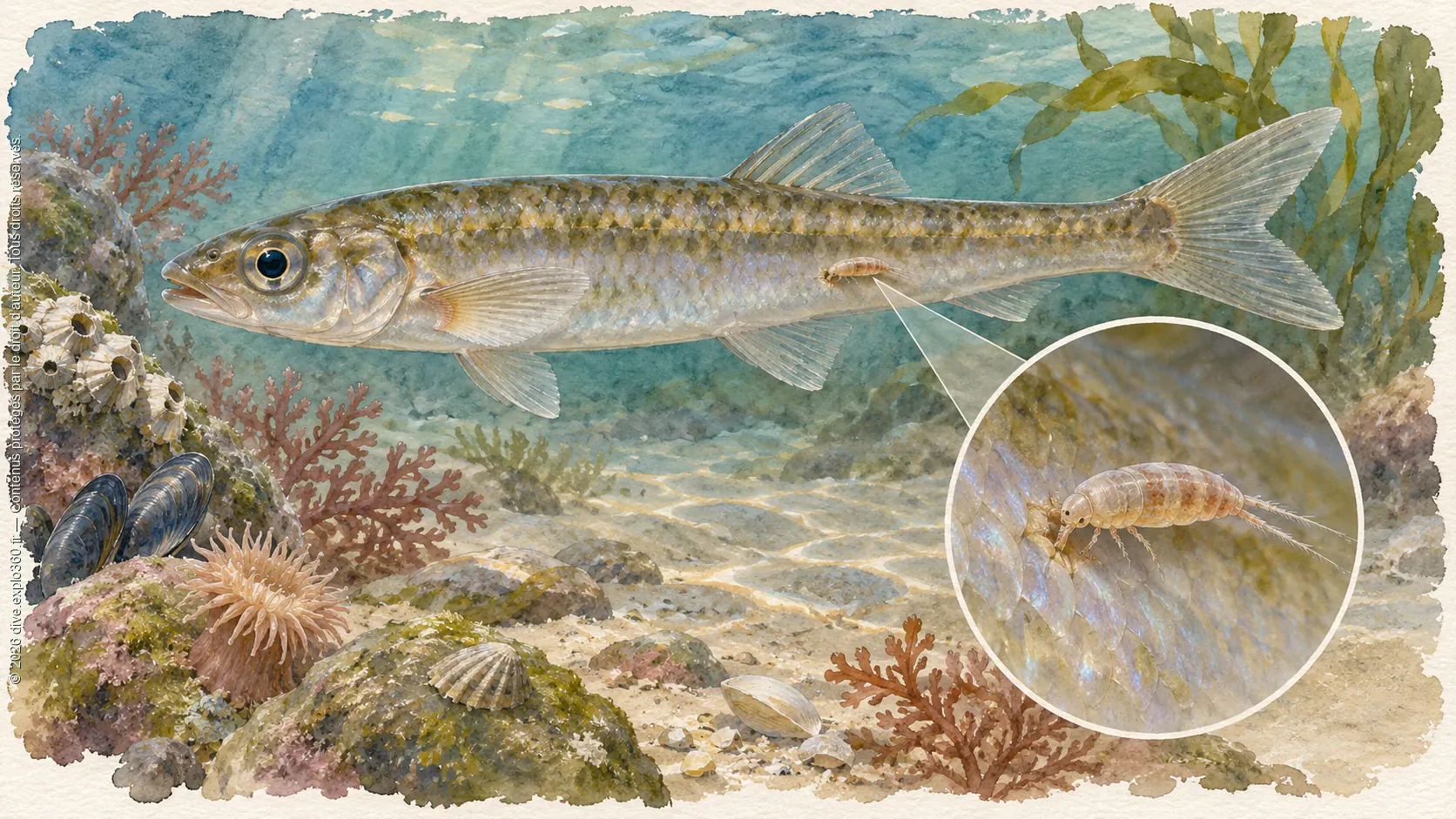
Some organisms live on a fish’s skin or gills. These external parasites, or ectoparasites, include crustaceans, flatworms and single-celled organisms. Depending on the species, they feed on mucus, cells, blood or other body fluids.
Their attachments withstand swimming. They can irritate or damage skin and cause extra mucus. Rubbing may remove some surface parasites or briefly change the irritation. Others hold on very firmly.
Crustaceans that cling
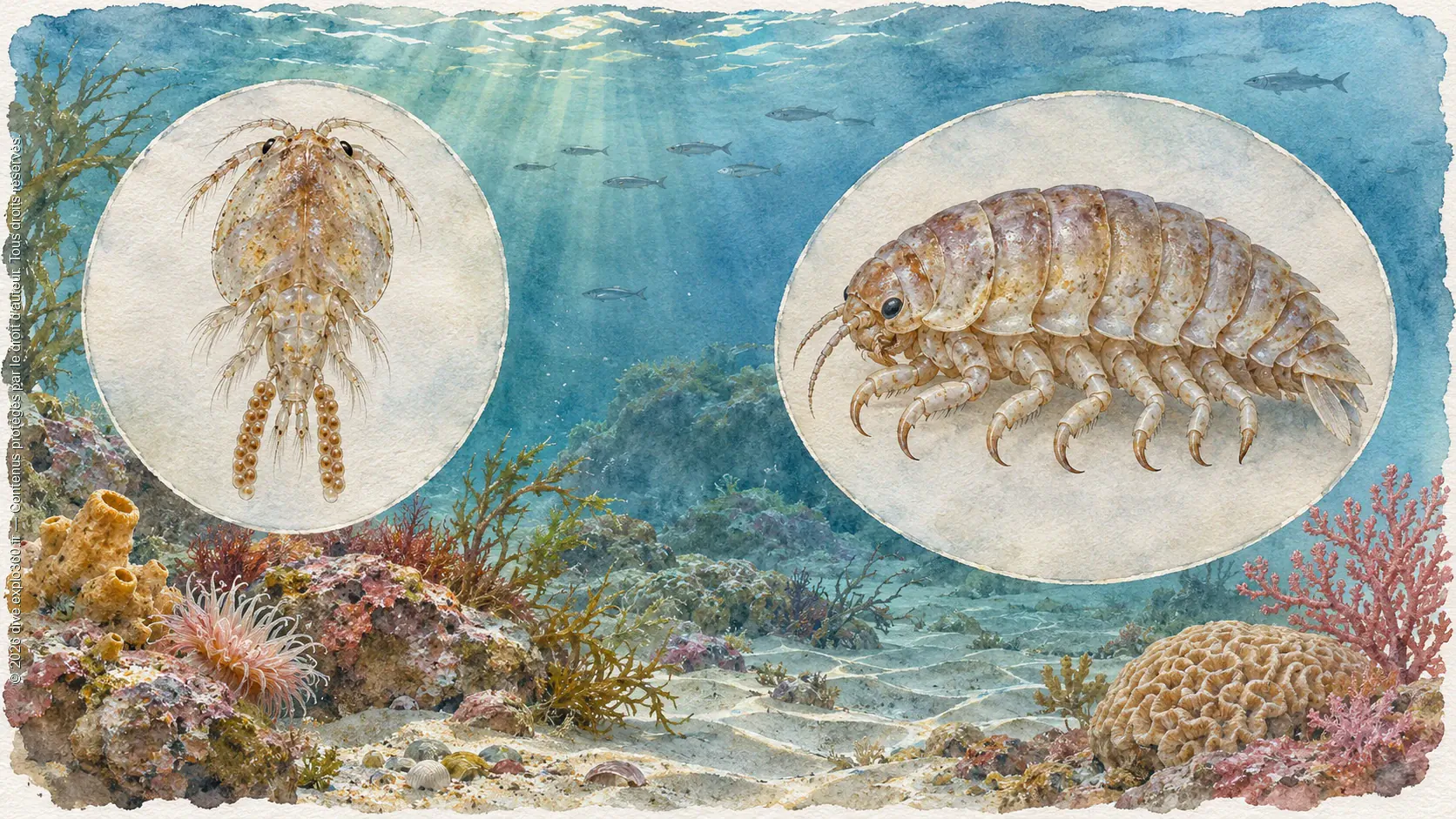
Sea lice are flattened copepods in the family Caligidae. Some move around on their host; others stay in particular places. Feeding can damage the skin and its mucus.
Other crustaceans, called isopods, can be much larger. Cymothoids have hooked legs and may live on skin, in the mouth or around the gills. A rock cannot easily reach a parasite deep inside a mouth or gill cavity, even if it causes irritation.
Parasites too small to spot
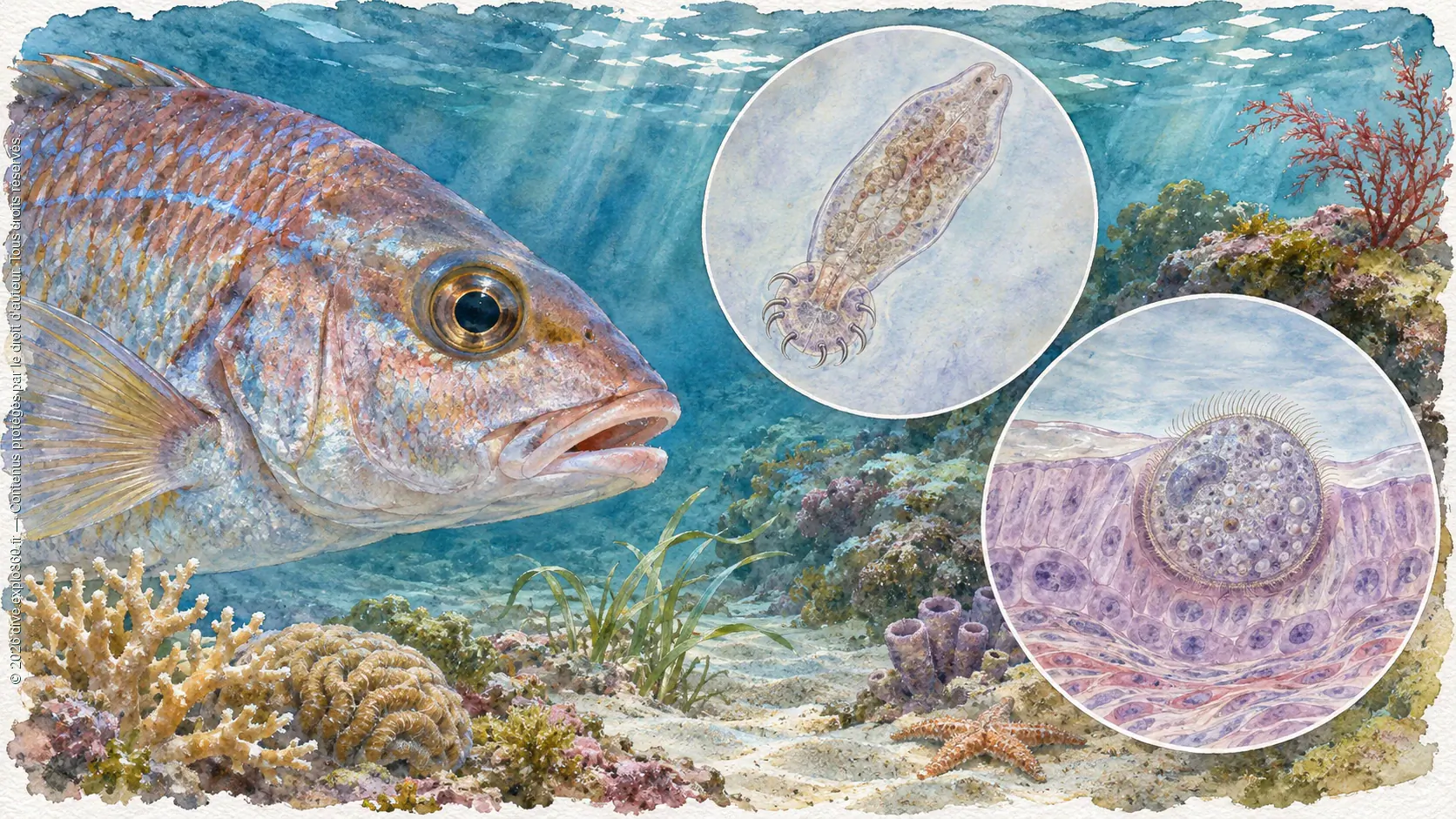
Monogeneans are tiny flatworms held on skin or gills by hooks or clamps. Different species use mucus, cells or blood. Too many can irritate the fish and interfere with its gills.
Irritation without parasites
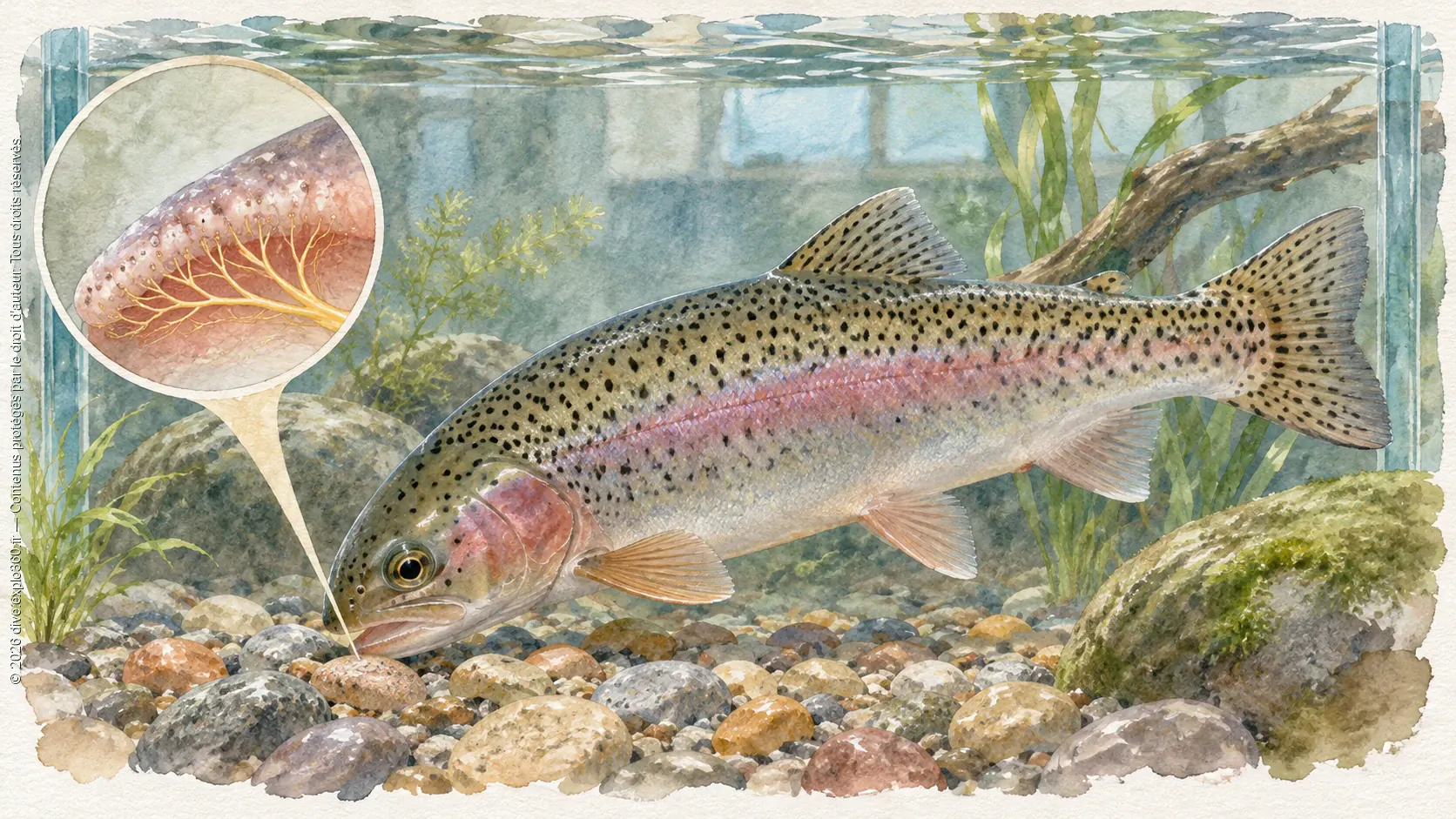
A small injury, inflammation, an infection or an irritating substance may also trigger rubbing. In 2003, scientists saw rainbow trout, Oncorhynchus mykiss, rub irritated lips against gravel or tank walls. The movements continued after the stimulus.
This showed a response aimed at an irritated area without parasites. But we cannot say whether a fish feels exactly the itch we feel after a mosquito bite. Itch mechanisms in fish are less well understood than pain mechanisms.
Rock or sand?
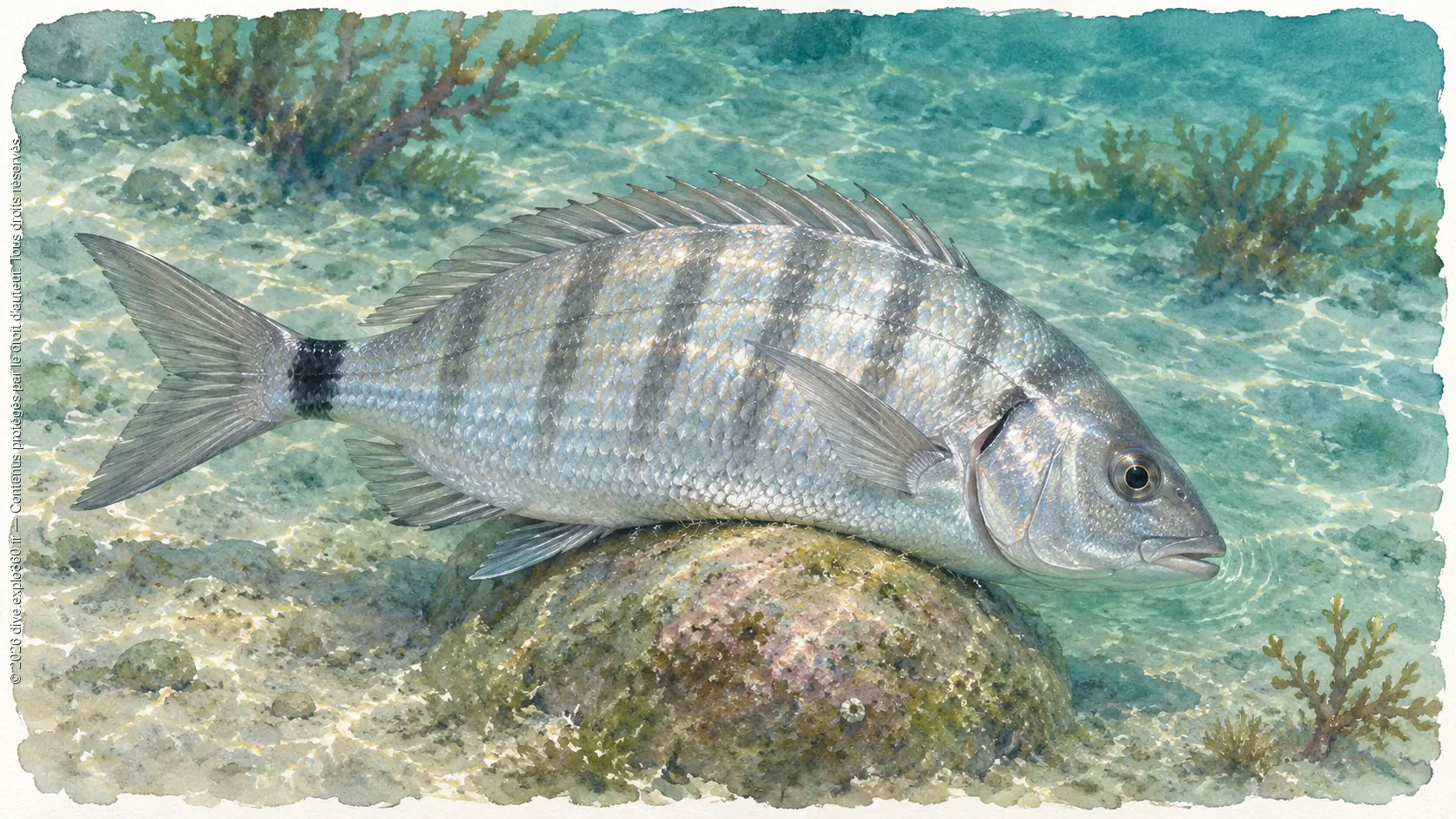
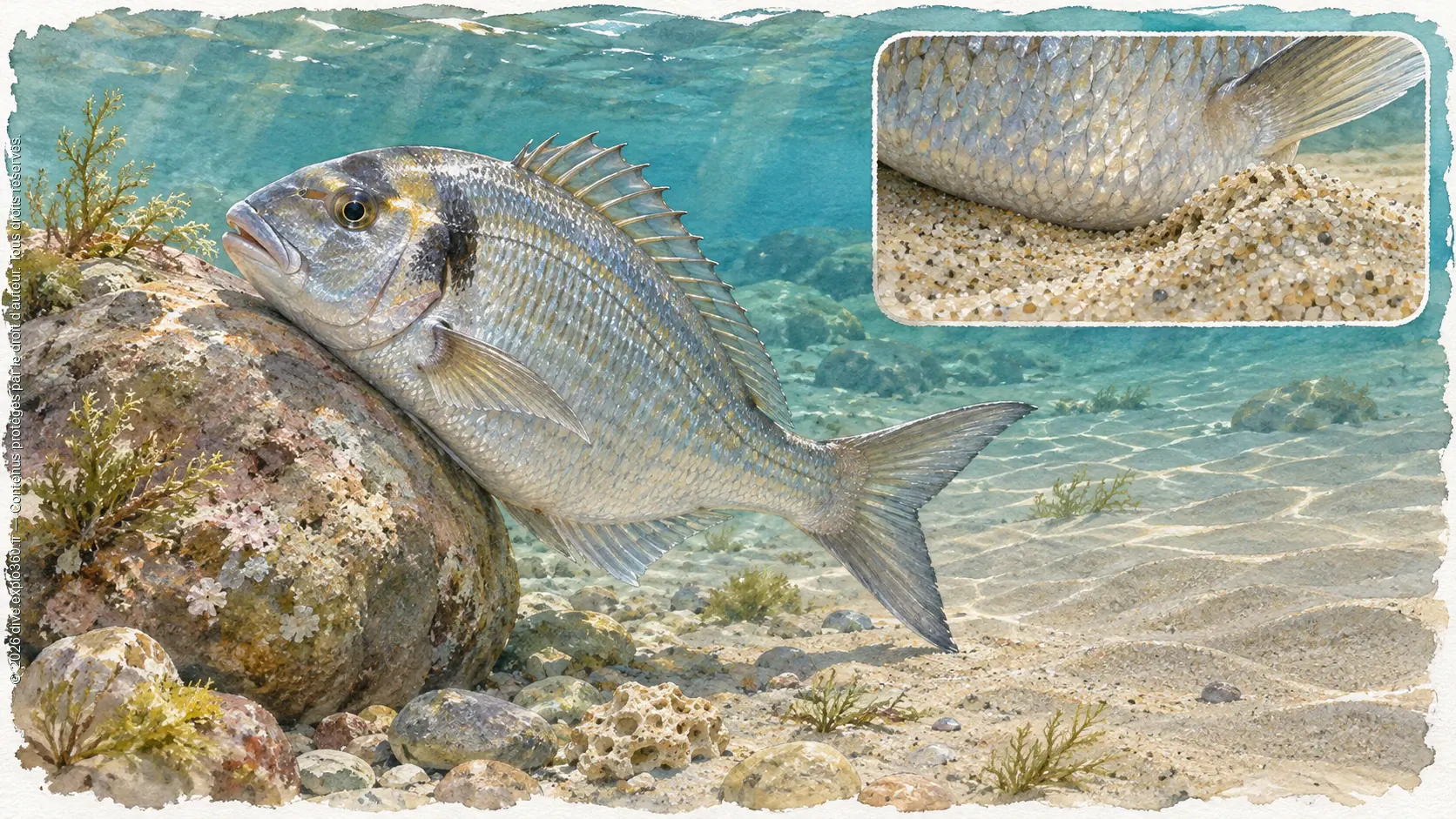
A rock resists a fish’s movement. Small bumps may help dislodge something on its skin. Sand moves aside, but its grains can still rub. A rounded stone may touch the flank; an edge may reach behind the gill cover.
The fish speeds up, tips or bends to bring one area into contact. Too much rubbing can damage skin or remove protective mucus, making infection easier. Both the surface and the skin matter.
GO FURTHER WITH AMIGANSEAU
Continue reading
Discover full species guides, in-depth content and interactive tools available with your licence.
Dive.Explo360 is an independent, self-funded nonprofit. Every licence helps us create new content, improve our teaching tools and keep some of our resources free and ad-free.
Choose a licence that suits your needs for personal, educational or professional use.
Open-access resources remain available without a subscription.