The electricity of living bodies
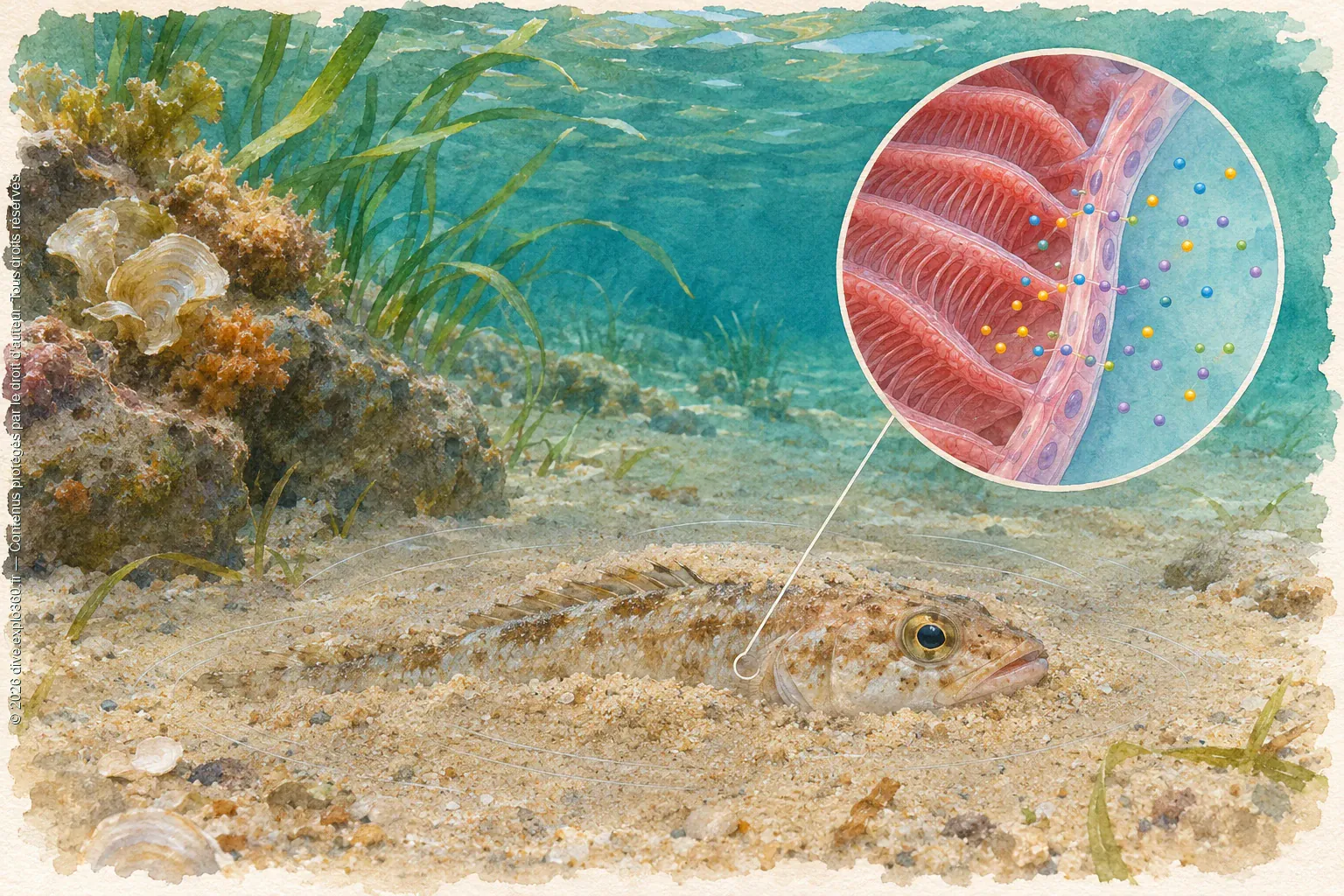
Cells use charged particles called ions, including sodium, potassium, calcium and chloride. Their movements are involved in nerve signals, muscle contractions, heartbeats and breathing.
Conducting water, limited range
Ions from dissolved salts make seawater far more conductive than pure water. Small differences in electrical potential around a body produce a field.
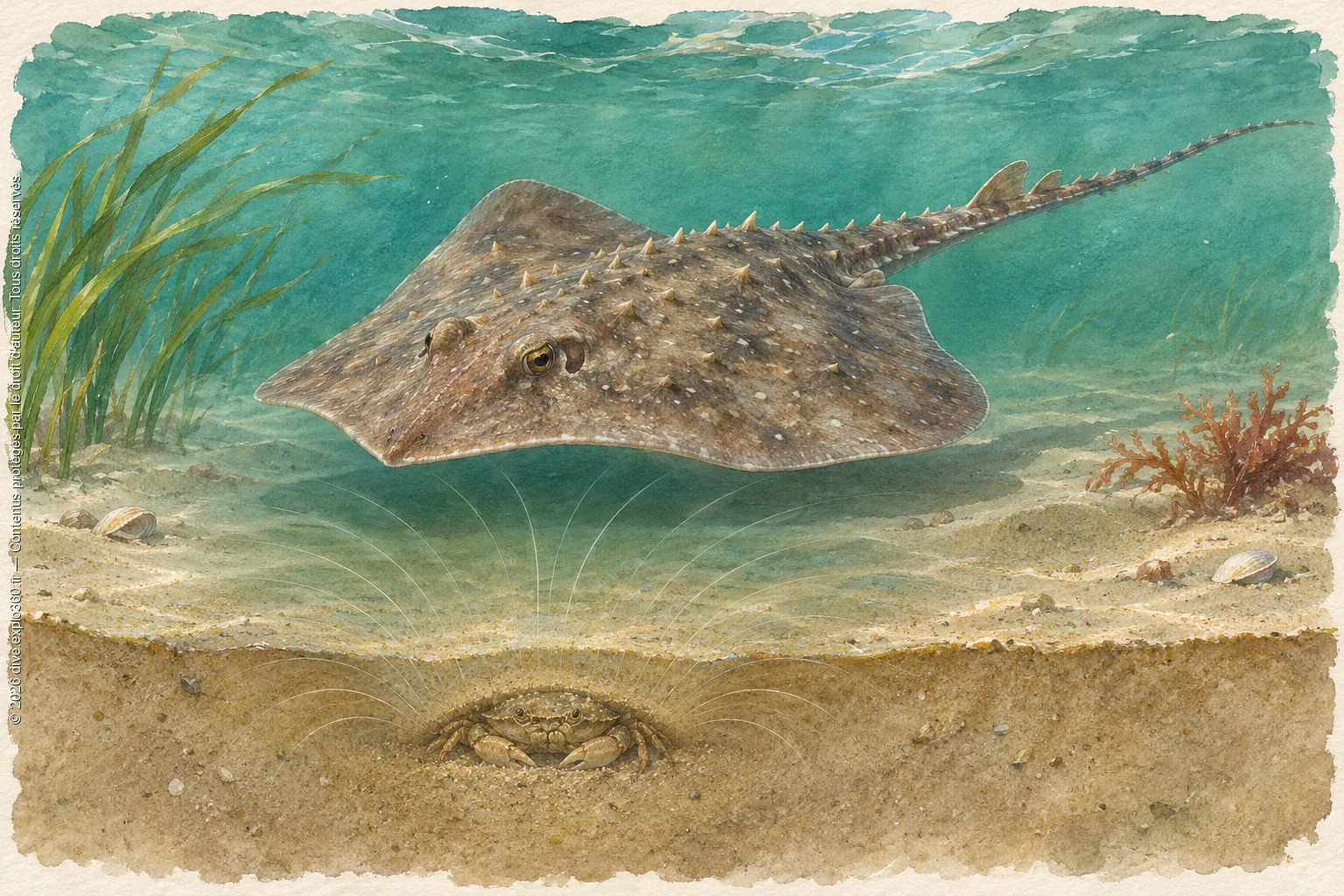
The field weakens quickly with distance. Its pattern depends on the water, body shape and sediment. Seawater-soaked sand is not a perfect insulator, so buried prey can remain detectable. This is mainly a close-range hunting sense, working alongside smell, sight and hearing.
Pores that open onto another sense
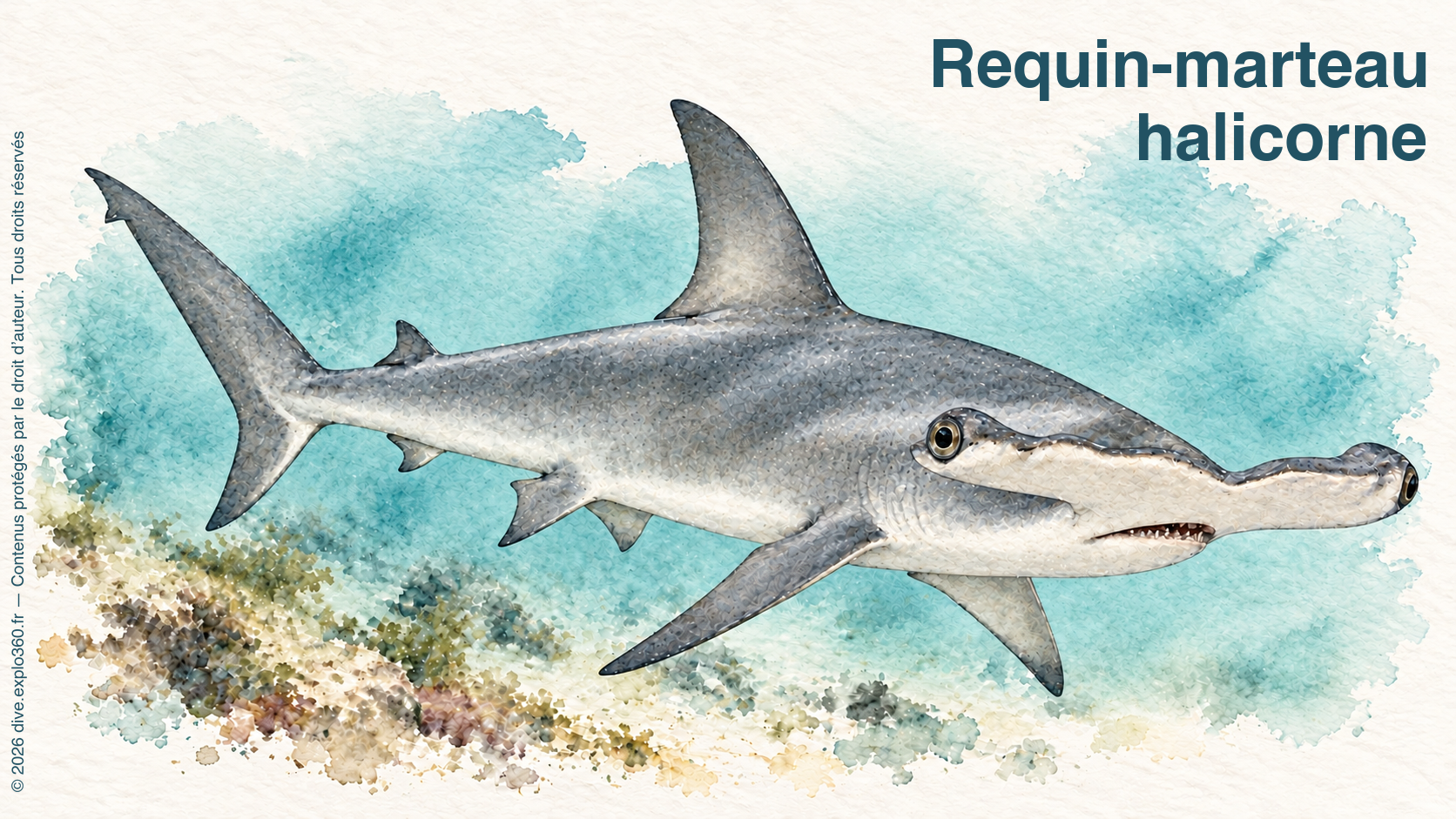
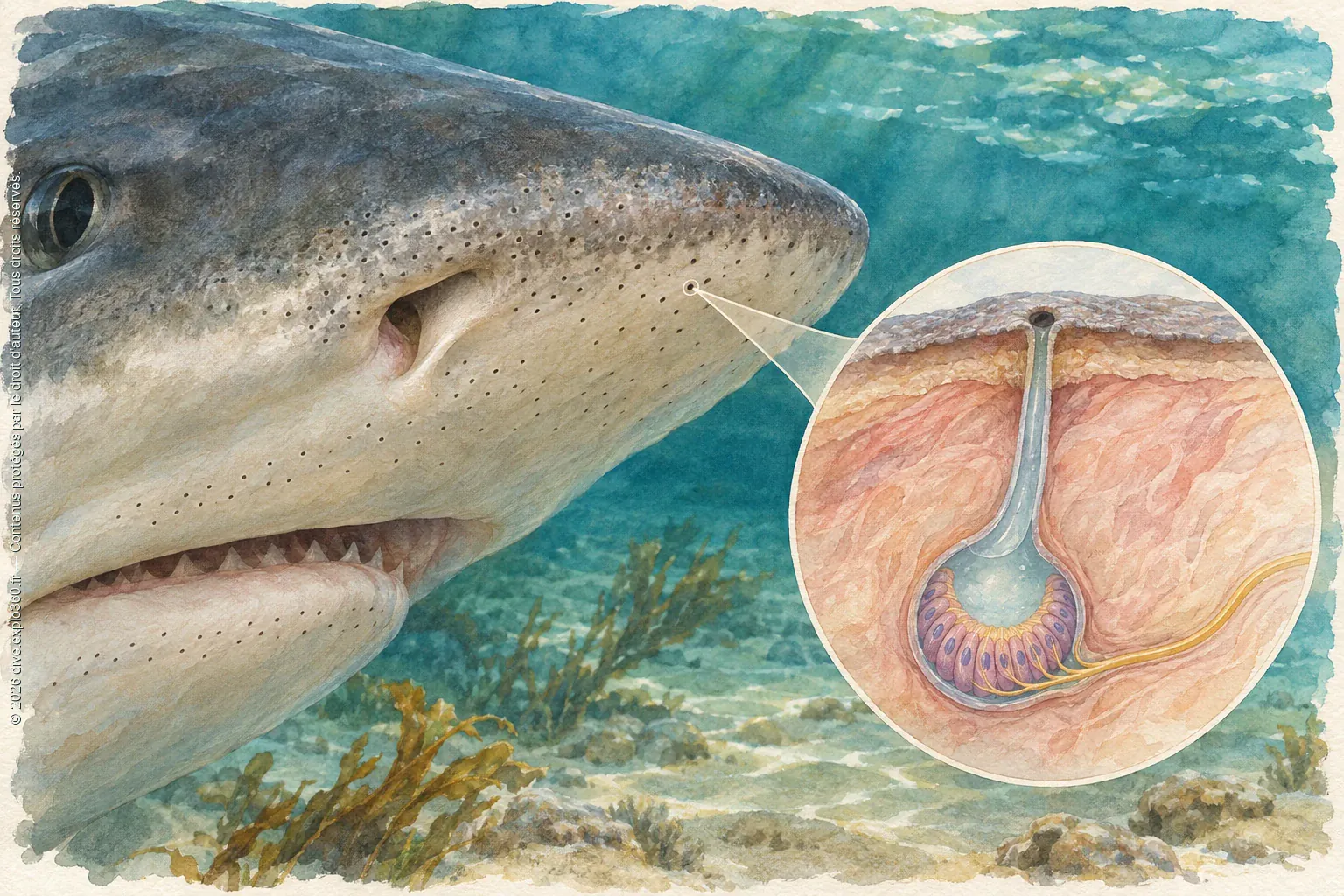
Dark pores around a shark’s snout and mouth lead to the ampullae of Lorenzini. Stefano Lorenzini, an Italian naturalist, described these organs in the seventeenth century.
Each pore opens into a jelly-filled canal leading to sensory cells. They detect tiny differences in electrical potential between the opening and internal tissues, then send information to the nervous system. Pores in different positions help locate a source. Some laboratory thresholds are only a few nanovolts per centimetre, though results vary with species and test conditions.
Testing an invisible clue
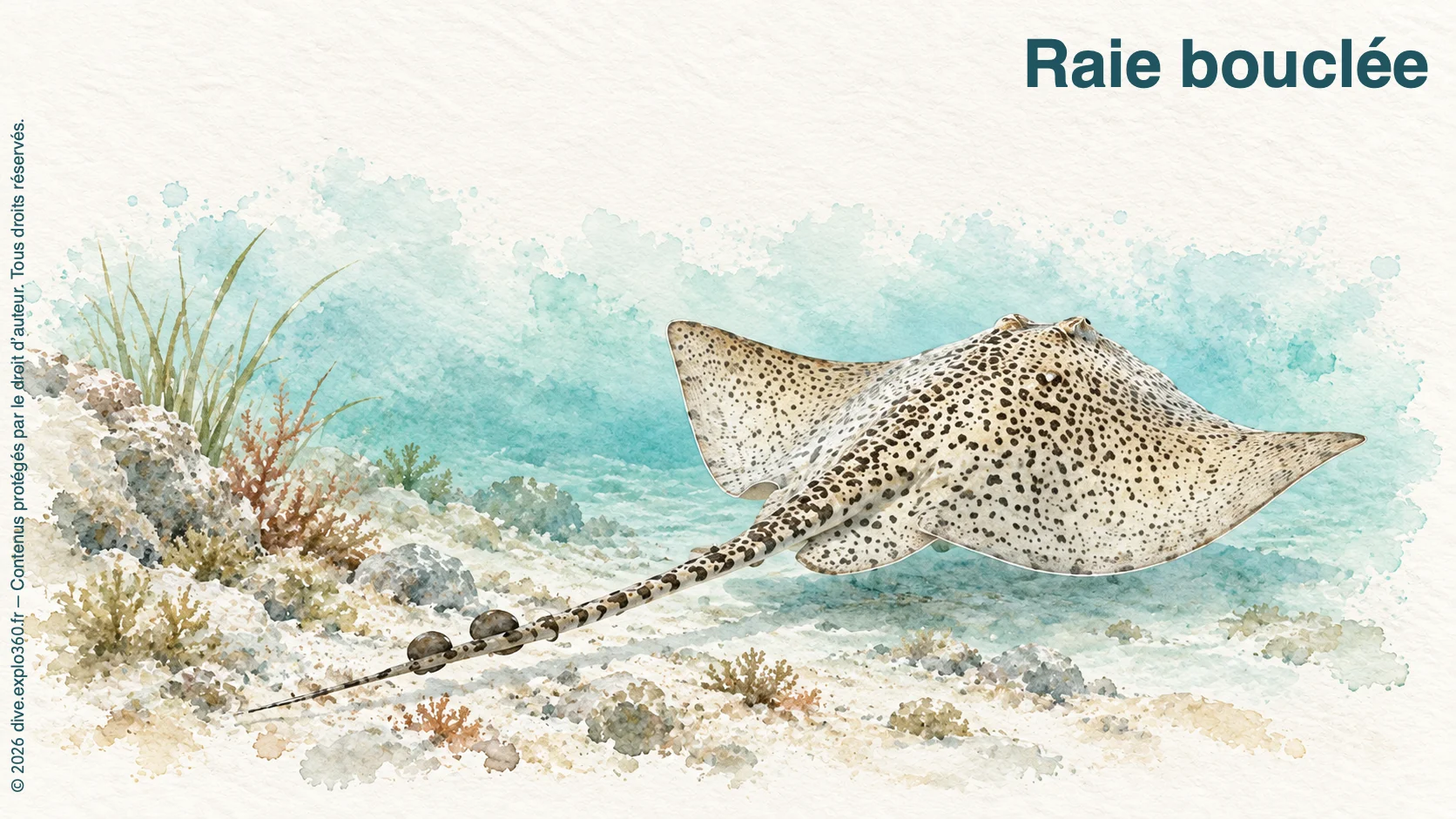
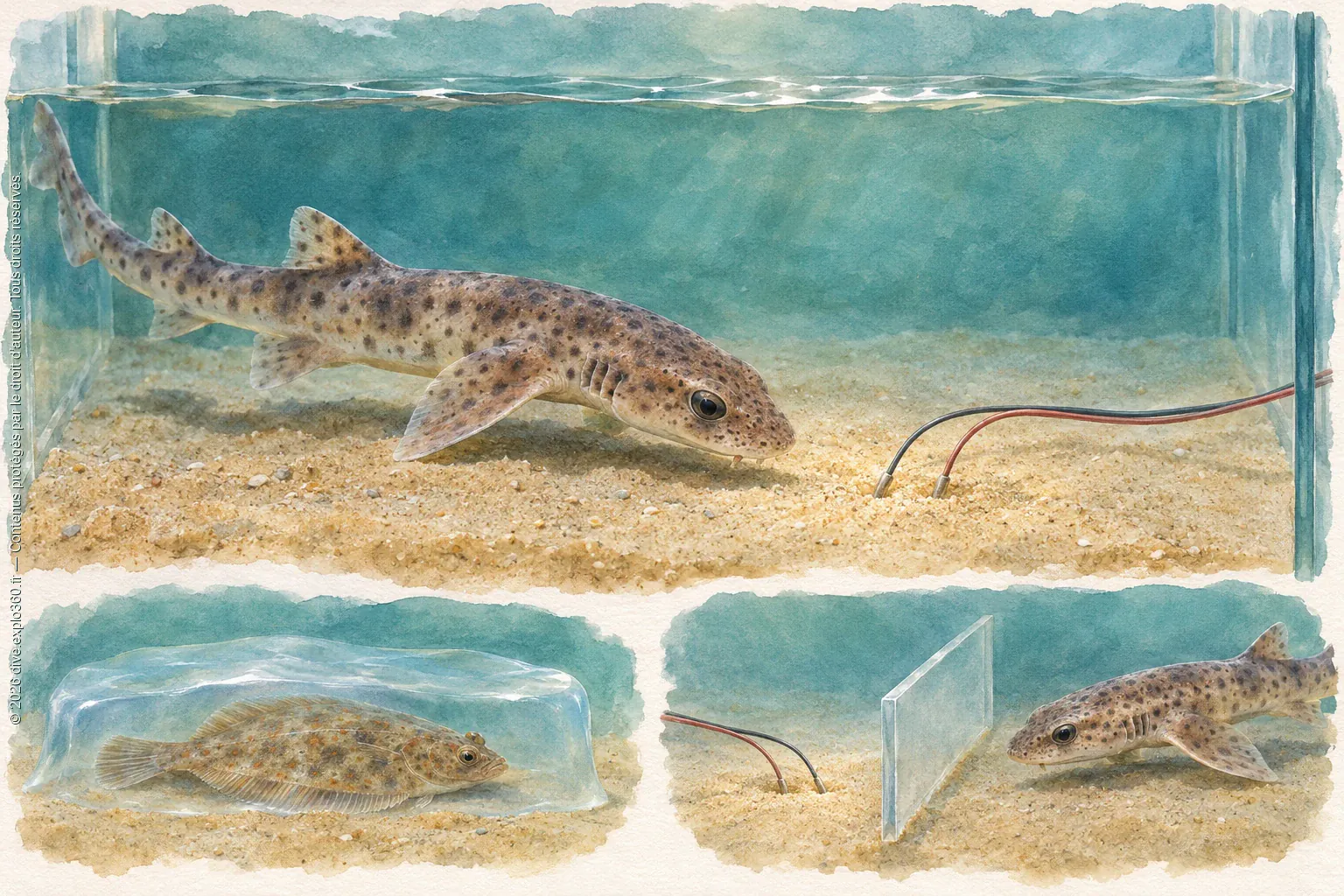
In 1971, Adrianus Kalmijn studied small-spotted catsharks, Scyliorhinus canicula, and thornback rays, Raja clavata. They found living plaice buried in sand. A jelly barrier restricted chemical clues but let electrical signals through; they could still locate the fish. With an insulating membrane blocking the field, capture responses stopped.
Searching just above the sand
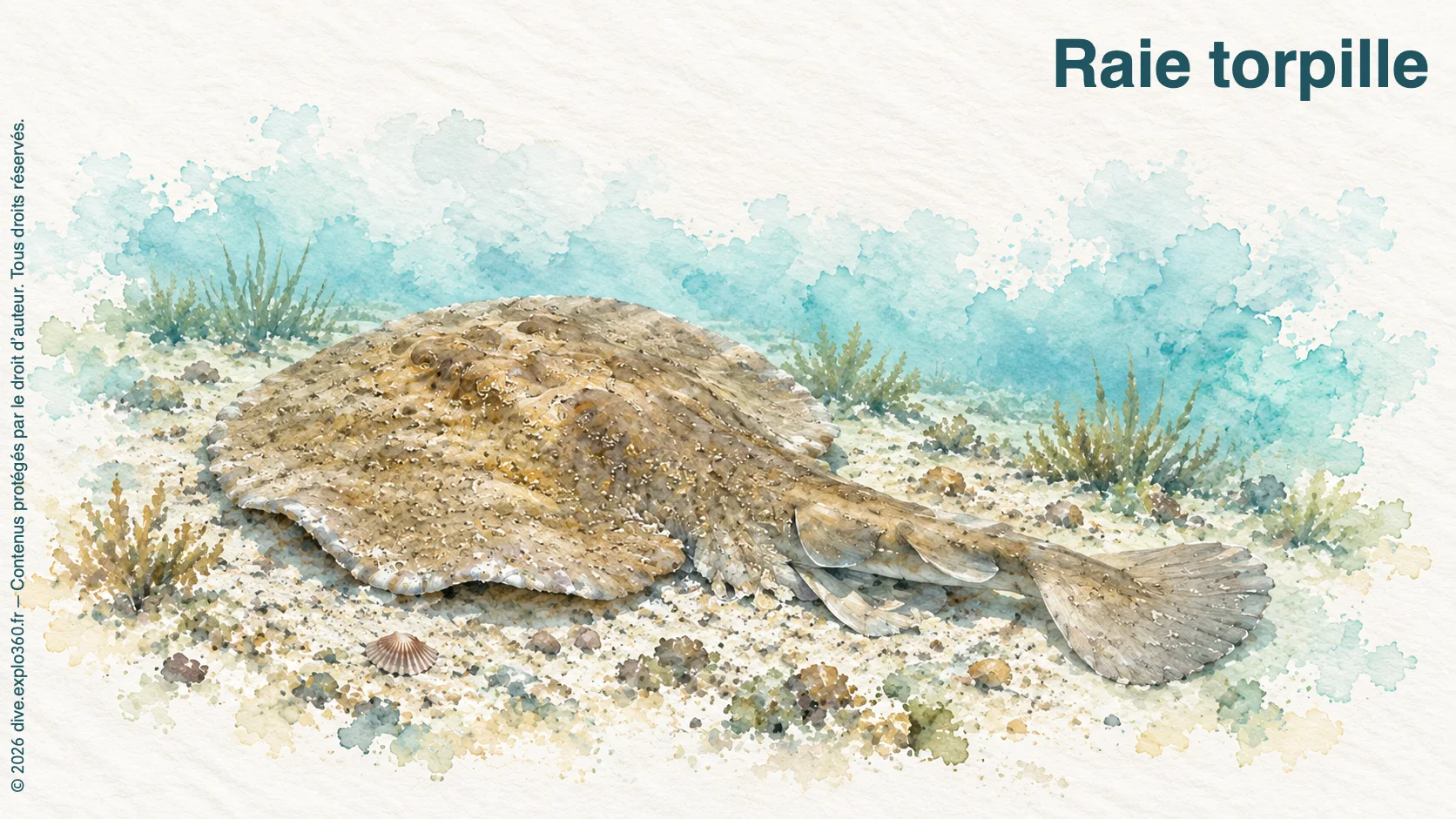
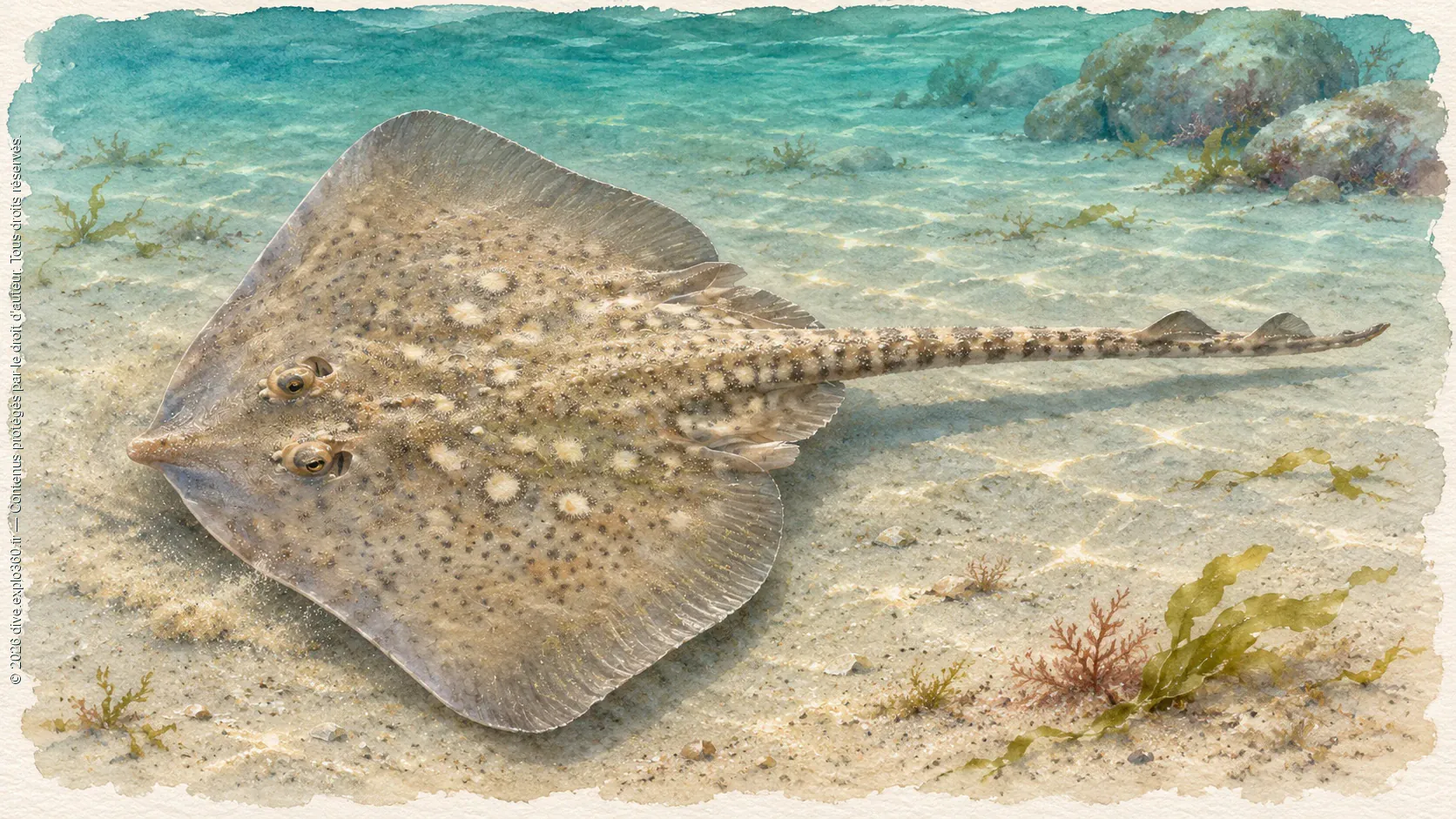
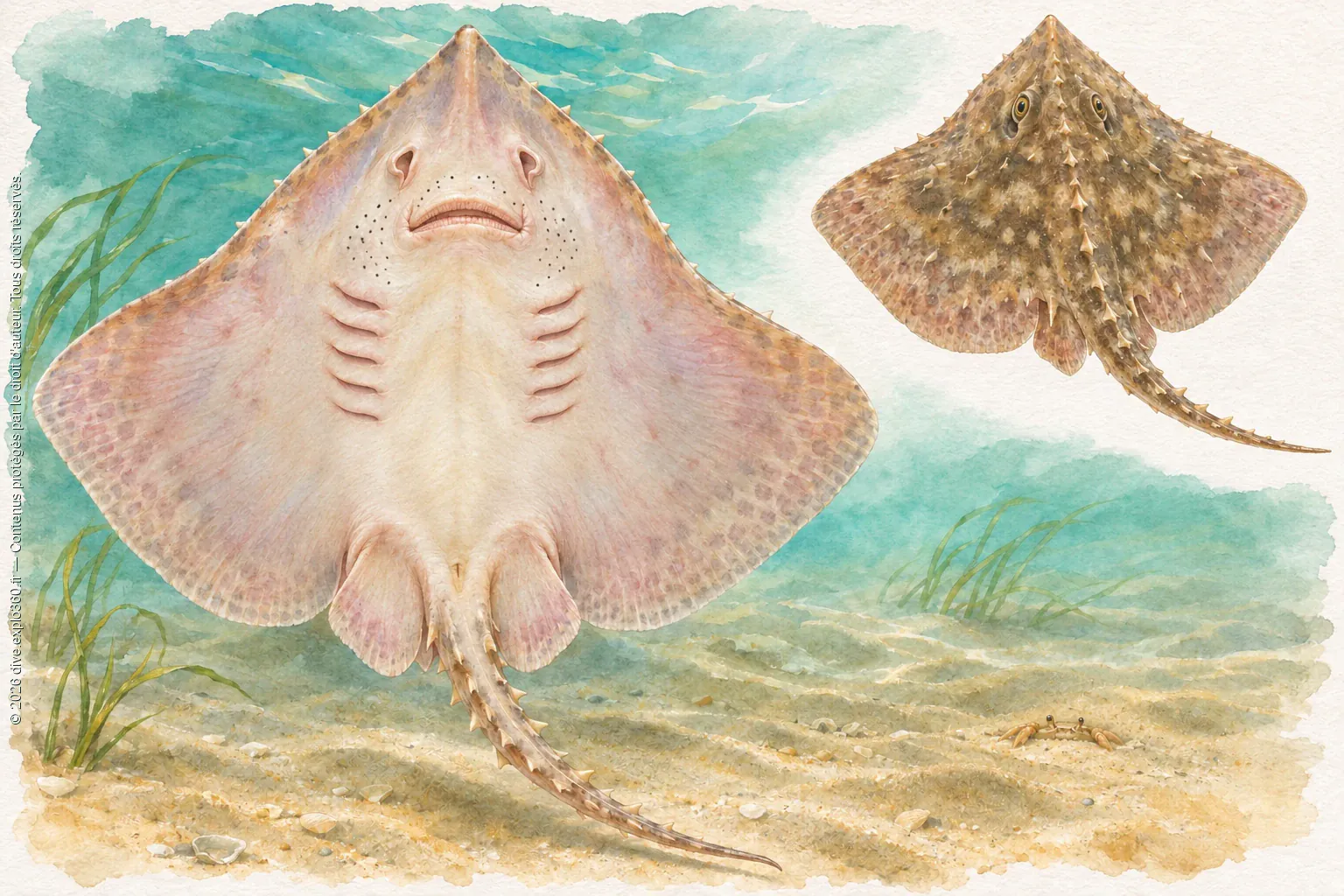
Bottom-dwelling rays often have eyes on top and a mouth underneath. A buried animal directly below can be out of sight. Pores around the snout and underside mouth pass close to it.
Fins or water movements around the mouth can shift the sediment, depending on the species. Some rays use suction too. Crustaceans, worms, molluscs and fish become accessible. Body shape and the position of the sensors work together.
GO FURTHER WITH AMIGANSEAU
Continue reading
Discover full species guides, in-depth content and interactive tools available with your licence.
Dive.Explo360 is an independent, self-funded nonprofit. Every licence helps us create new content, improve our teaching tools and keep some of our resources free and ad-free.
Choose a licence that suits your needs for personal, educational or professional use.
Open-access resources remain available without a subscription.