The surge beneath the waves
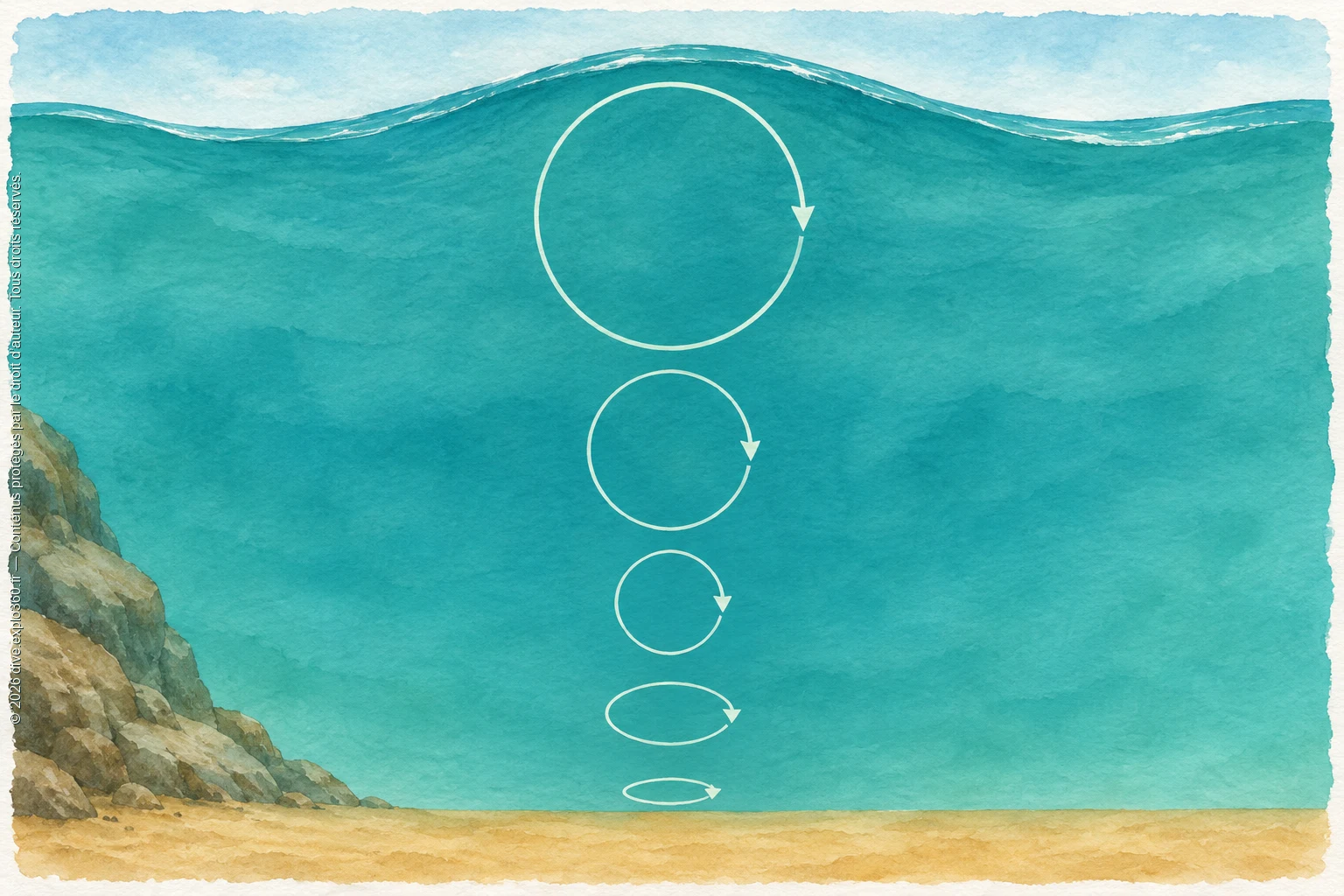
Out at sea, a wave mainly carries energy. Water moves in roughly circular paths that get smaller with depth. Near the bottom, those paths flatten.
A seabed on the move
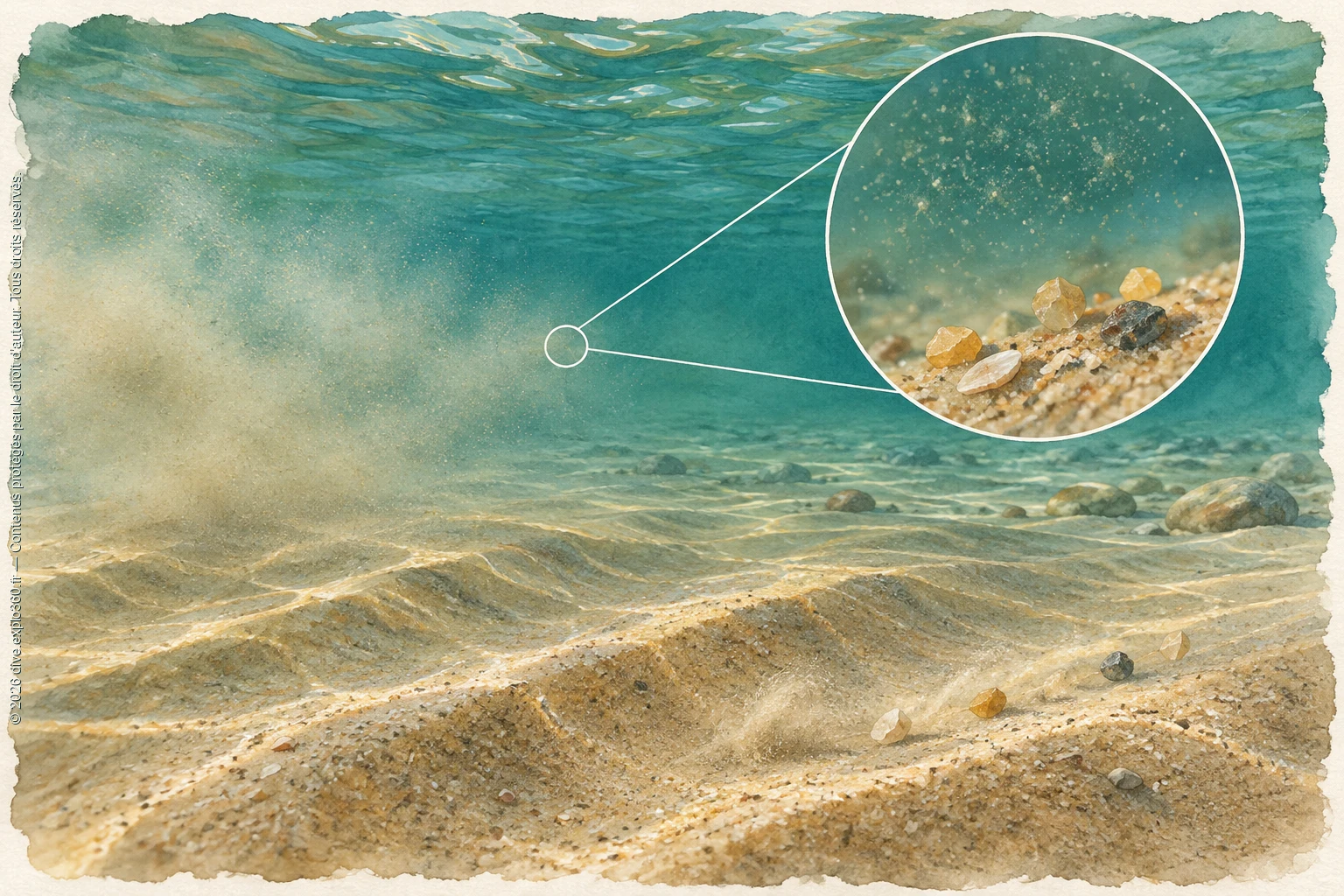
Tiny grains lift into the water. Bigger grains roll or hop along the bottom. Stronger movement can shift gravel and pebbles too.
Sand leaves one place and piles up in another. Rocks appear, animals are uncovered and others are buried. Small ridges called ripples form under waves or currents. Their shape depends on the grains and the moving water. A familiar seabed may look different afterwards.
Hideaways for fish
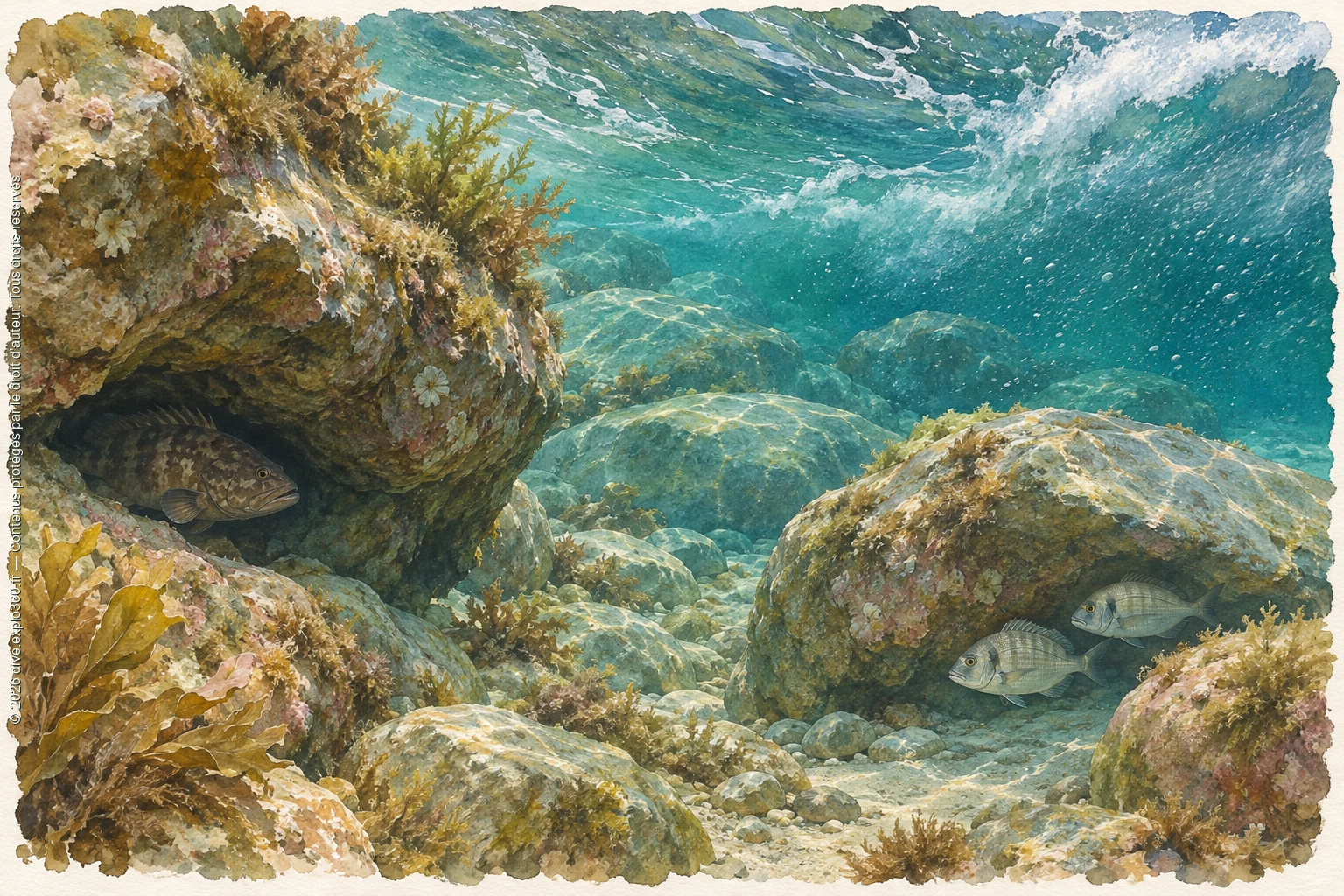
Holding still is tiring when water keeps pushing in opposite directions. Behind a boulder or inside a crack, it may be much calmer. A small shelter can make a big difference.
Some fish hide, while others head for deeper or less exposed water. Scientists follow their movements with small transmitters. Not every fish leaves! A goby near the bottom, a grouper in a rocky hole and barracuda in open water have different options.
Can fish sense a storm coming?
Clues can arrive before the biggest waves. Air pressure may fall, and swell, sounds and water movements change. Fish have several useful senses. Their lateral line detects some water movements. The inner ear helps with hearing and balance. In some species, the swim bladder helps them sense pressure changes.

Can sea fans hold on?
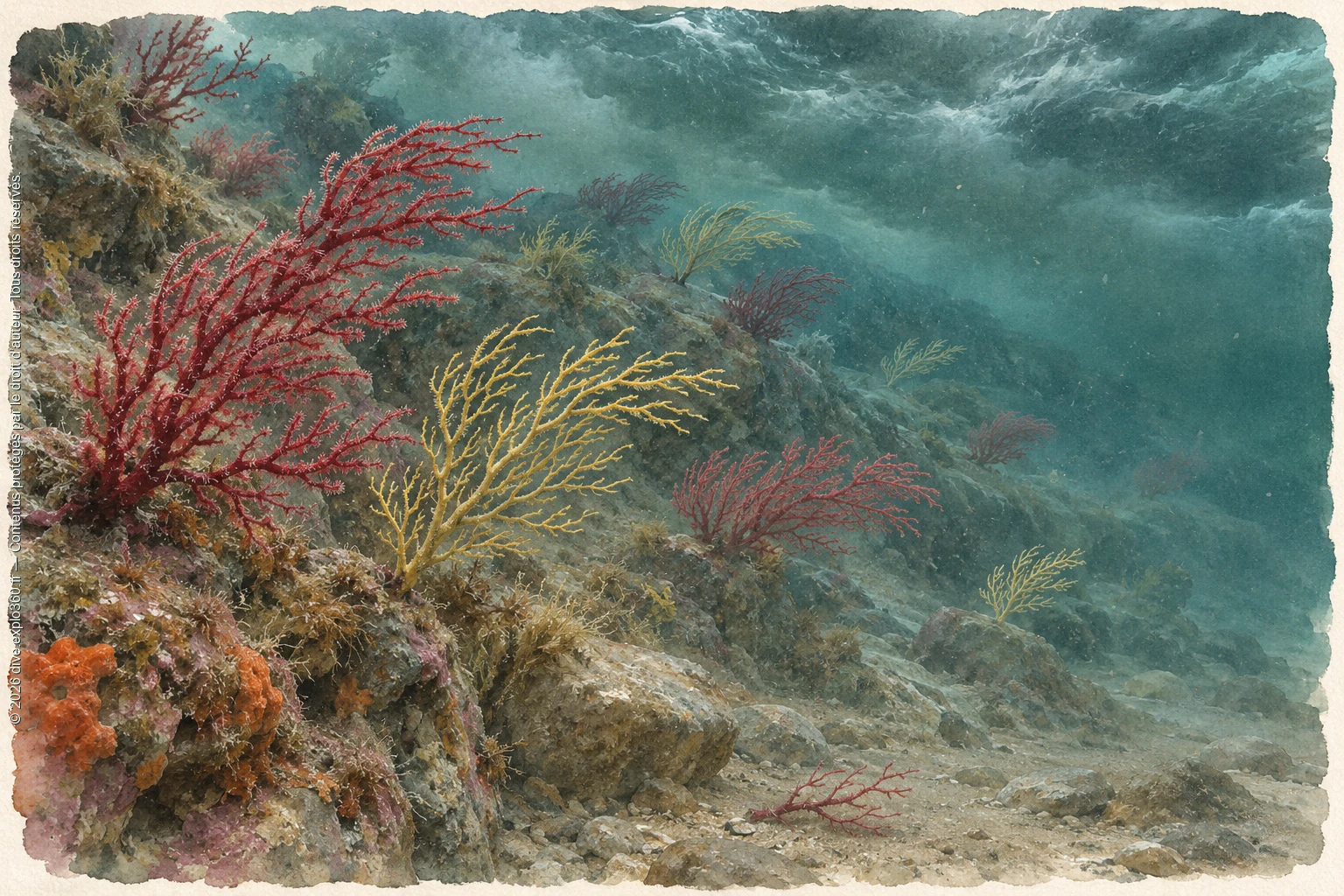
Red and yellow sea fans in the Mediterranean can bend with the flow. This reduces some of the force on their branches. But a storm can still snap them, tear colonies away or scrape their living tissue with debris.
Size, direction and attachment matter. A colony that grew for decades may be damaged in hours. Tropical branching corals have hard limestone skeletons that may break. Massive, rounded corals often resist better, but they are not storm-proof.
A meadow in moving water
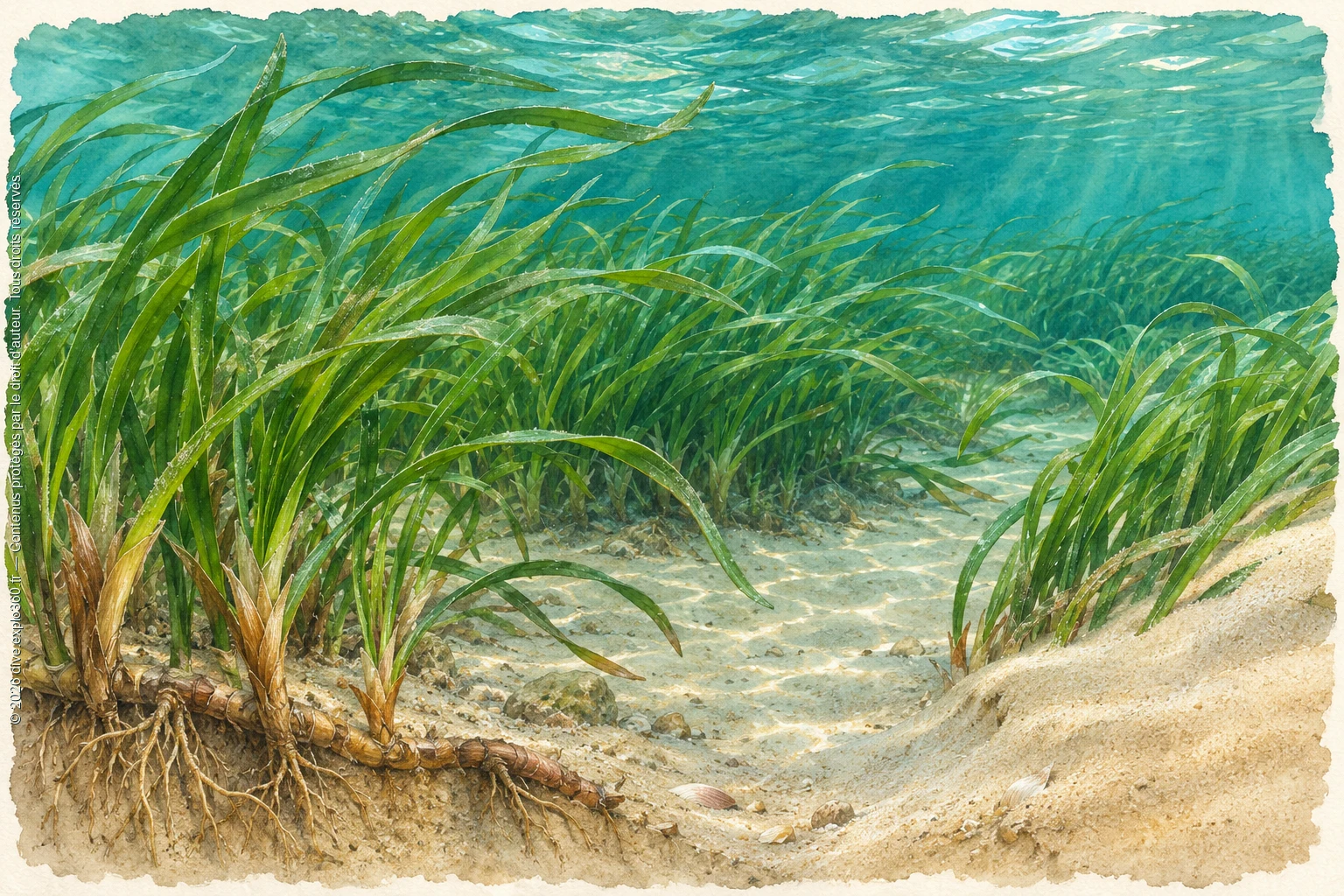
Posidonia seagrass, also called Neptune grass, bends over and rises as the water reverses. Its leaves slow some water movements. Roots and rhizomes, stems that run along or beneath the seabed, help hold sediment in place.
Storms can still tear plants away, uncover rhizomes or bury them. In October 2018, a storm roughly halved the living cover in two meadows studied in Liguria, Italy. Erosion and burial affected places differently. Growing back may take decades, where conditions allow it.
GO FURTHER WITH AMIGANSEAU
Continue reading
Discover full species guides, in-depth content and interactive tools available with your licence.
Dive.Explo360 is an independent, self-funded nonprofit. Every licence helps us create new content, improve our teaching tools and keep some of our resources free and ad-free.
Choose a licence that suits your needs for personal, educational or professional use.
Open-access resources remain available without a subscription.