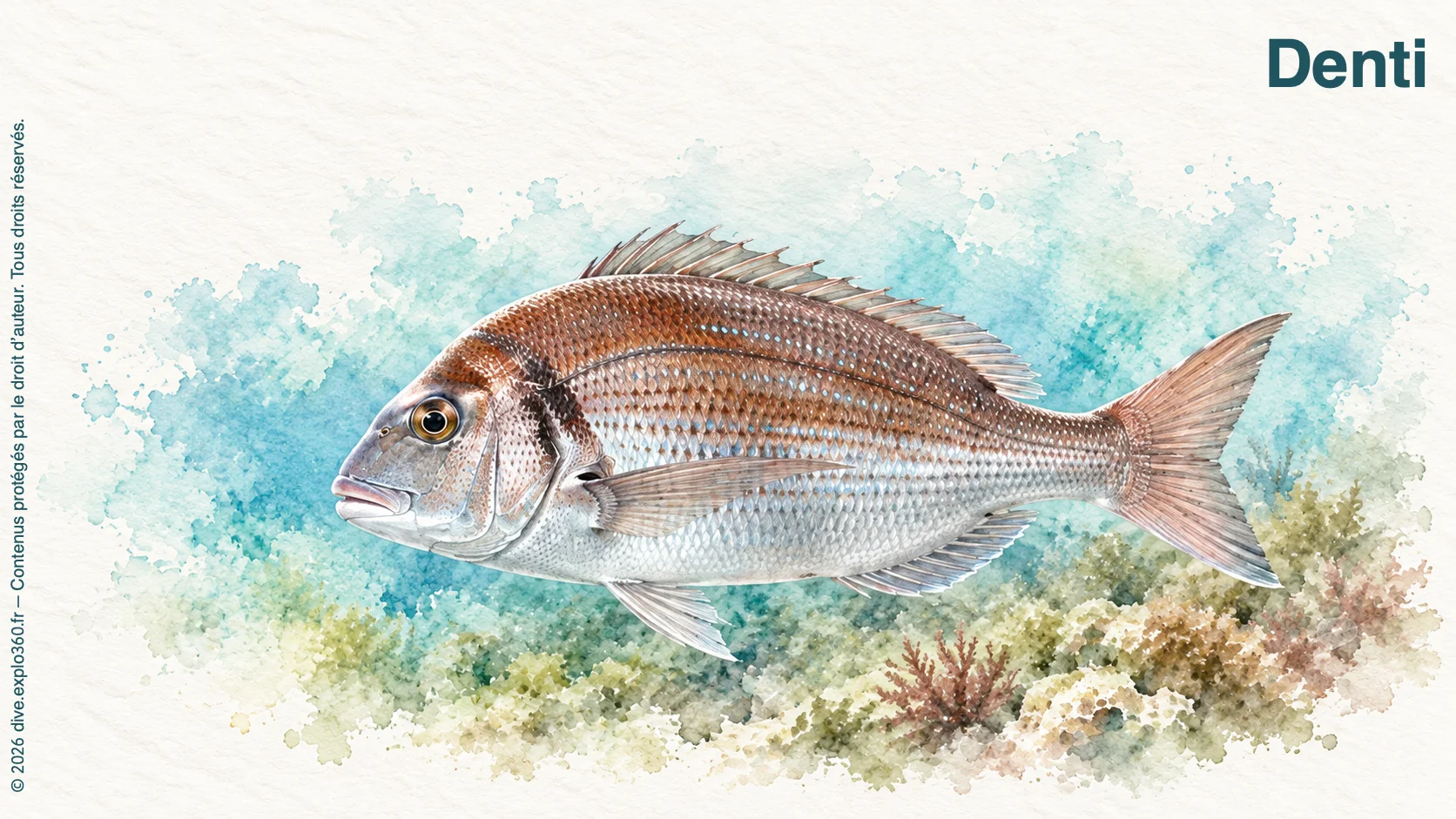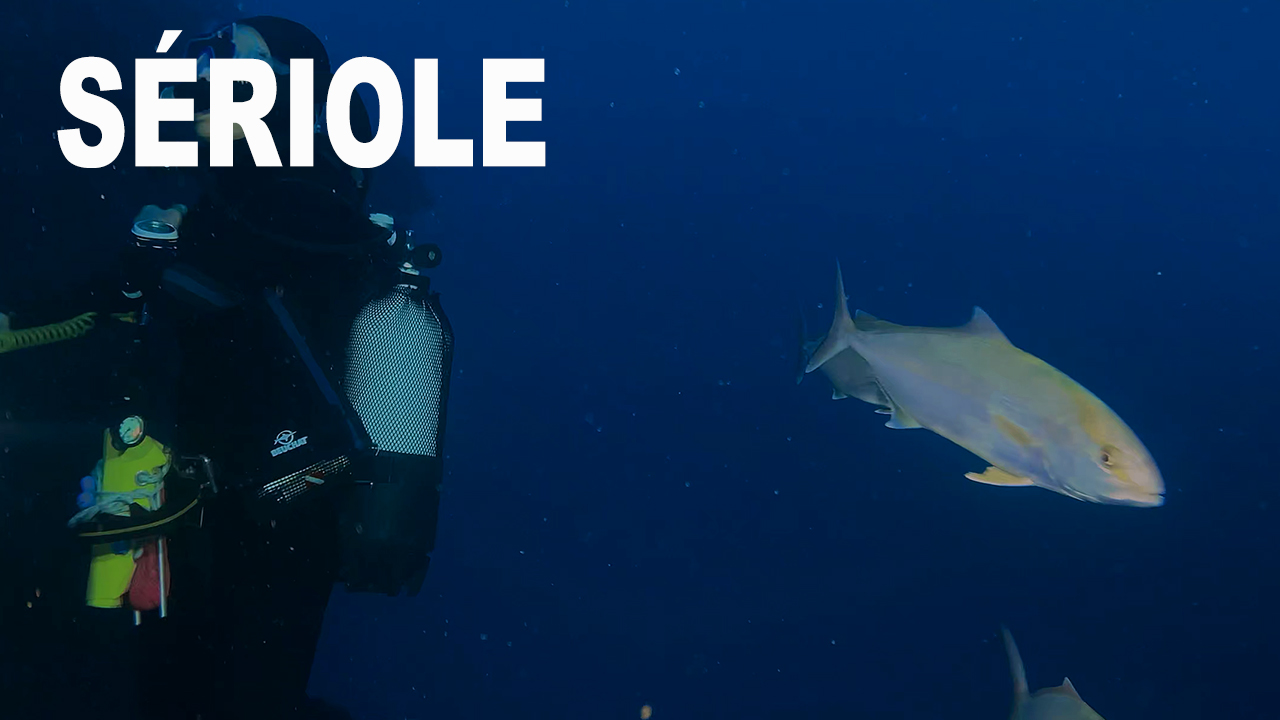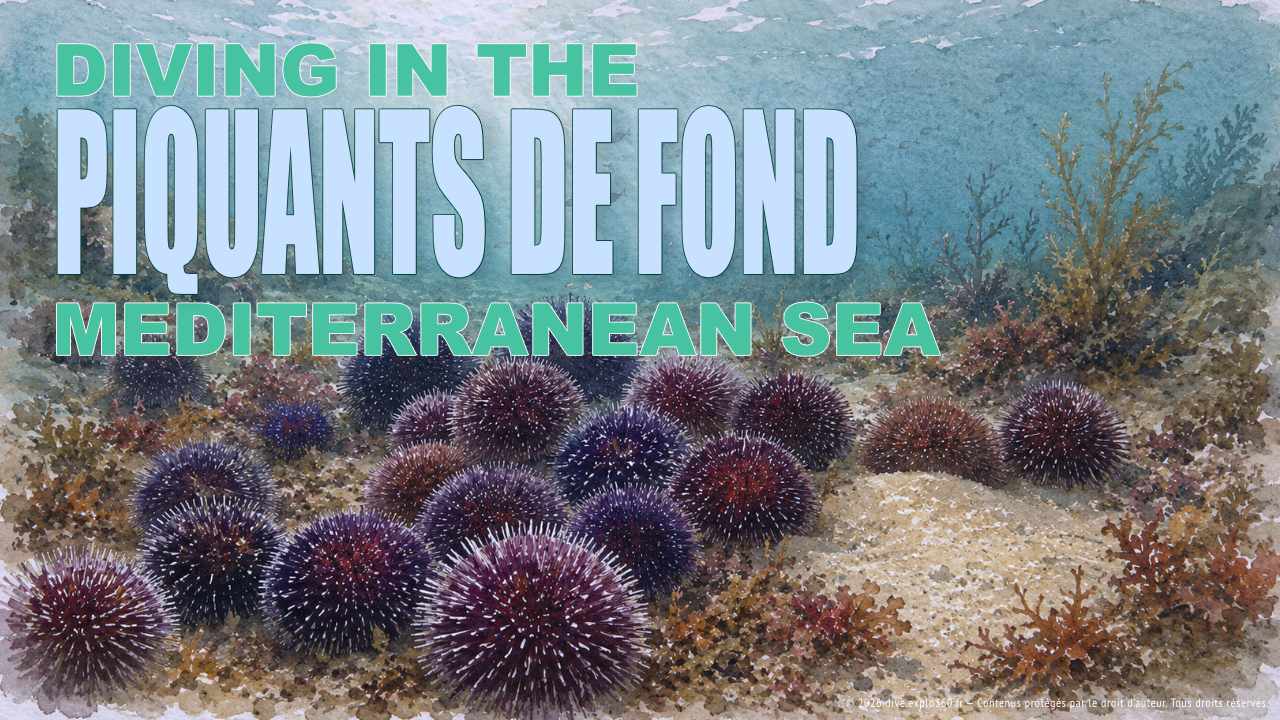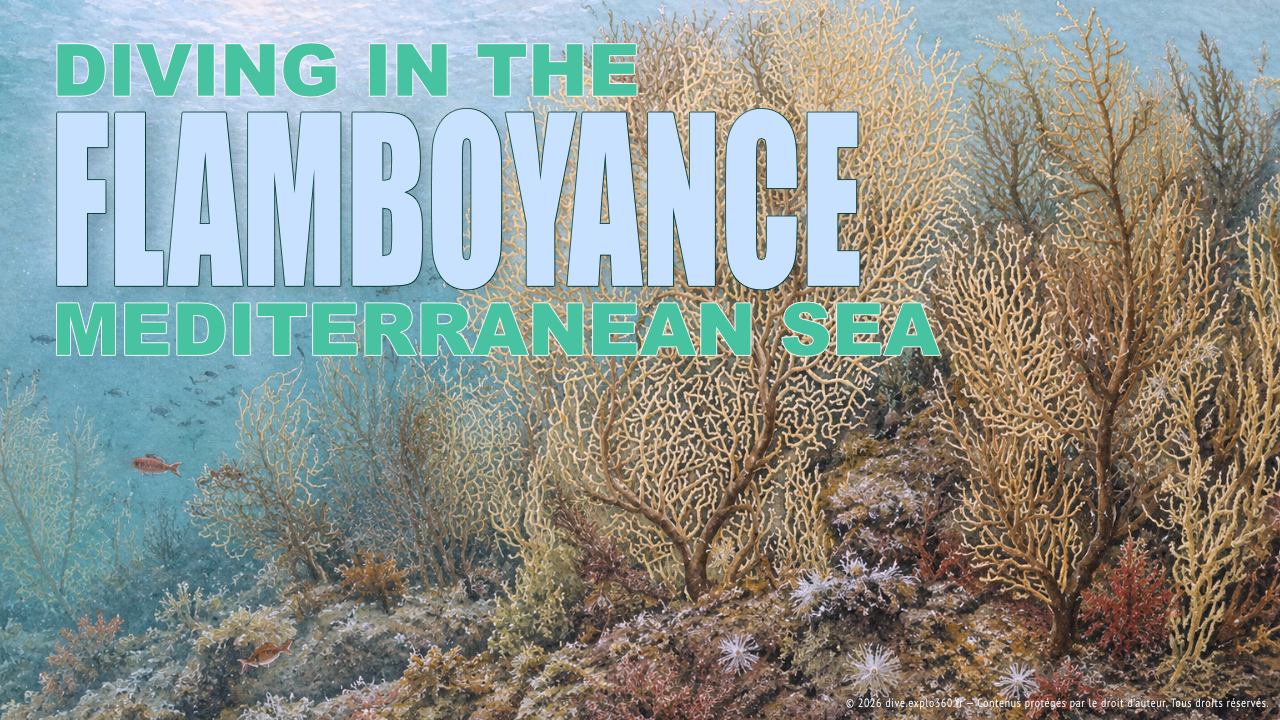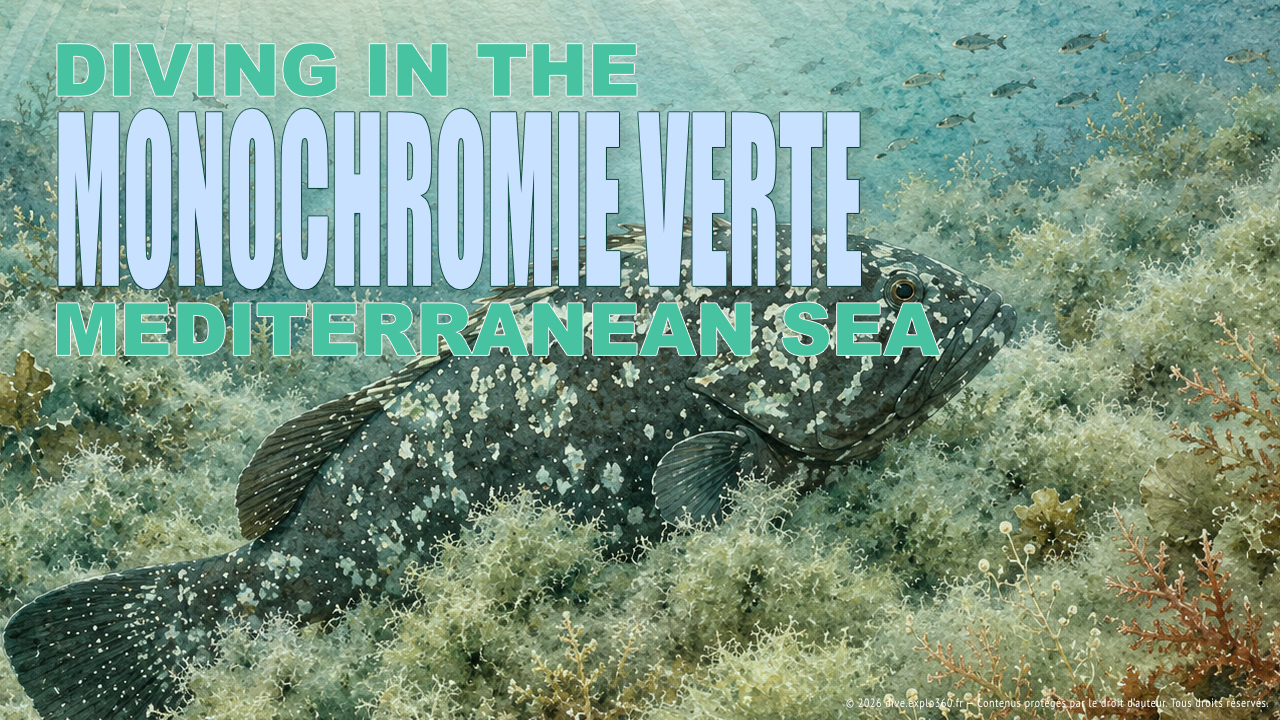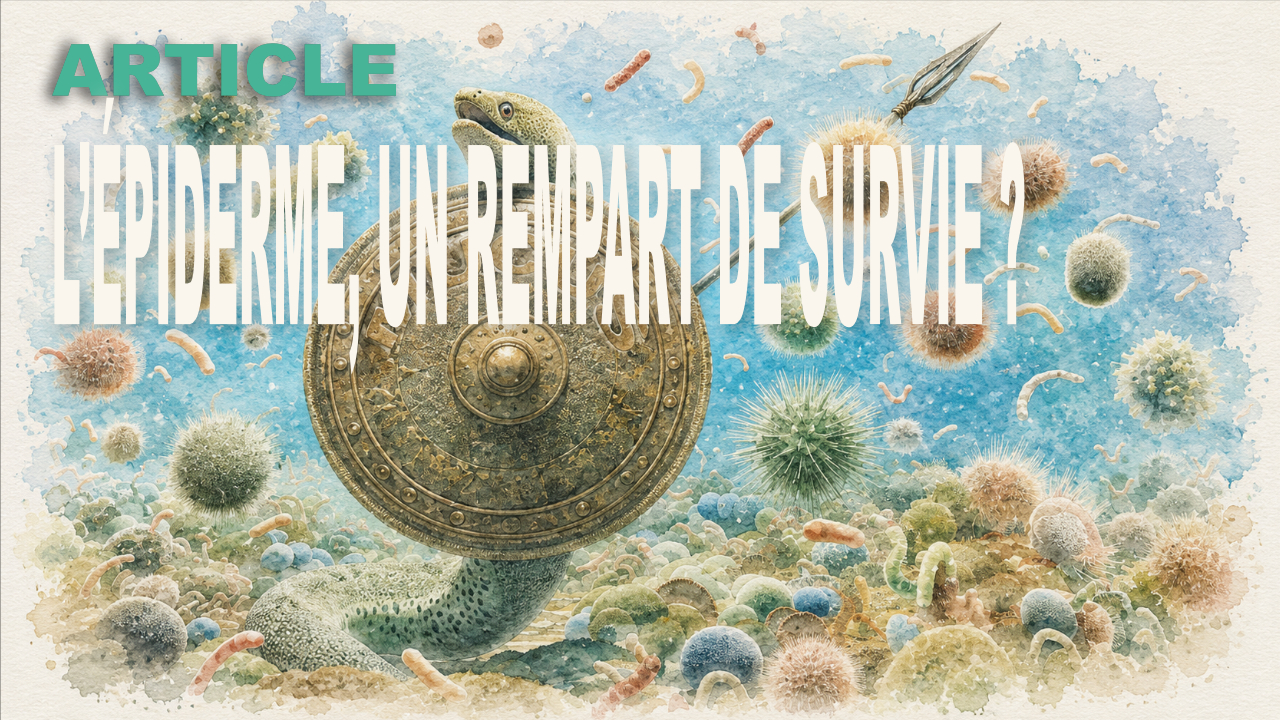

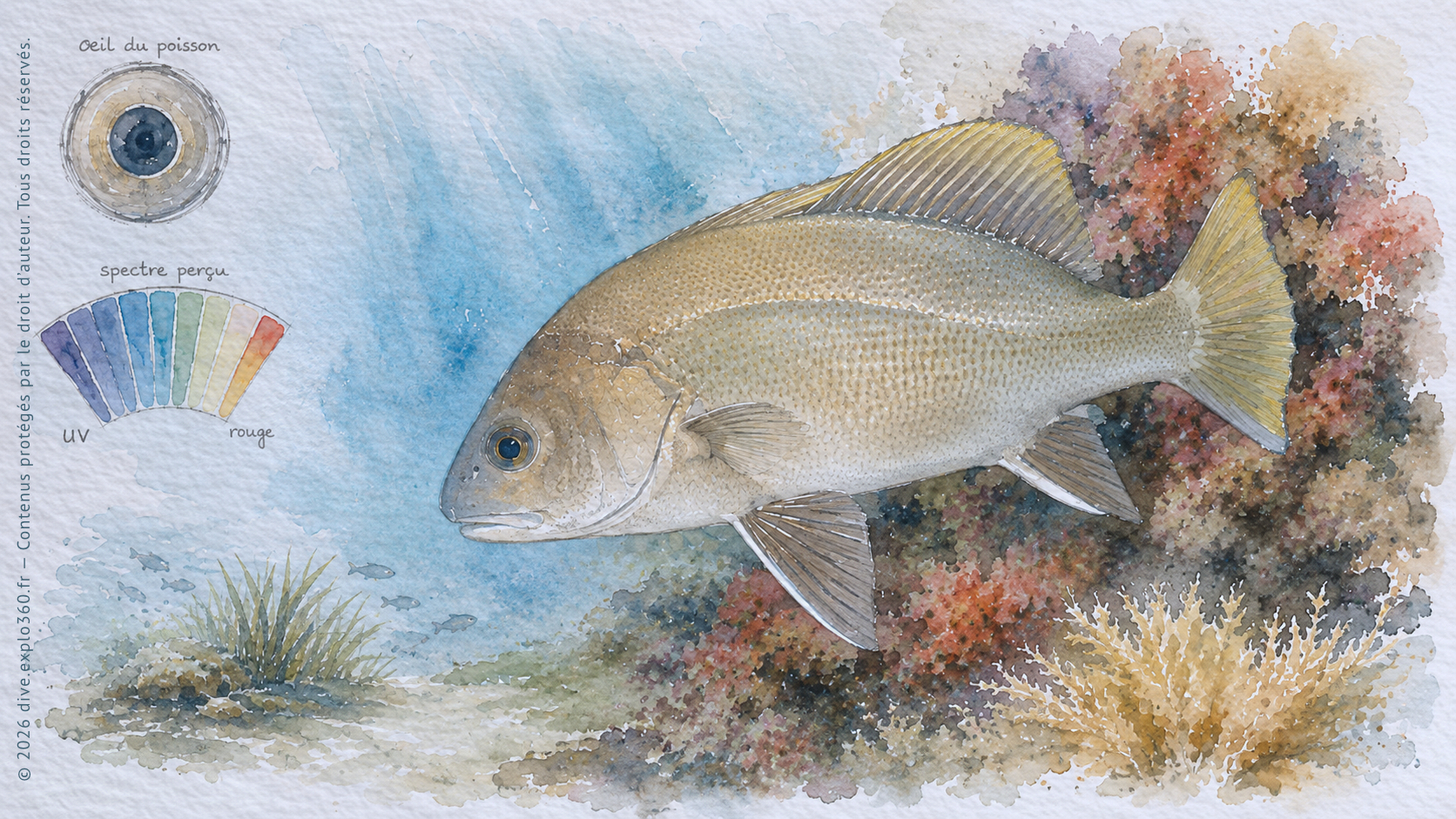
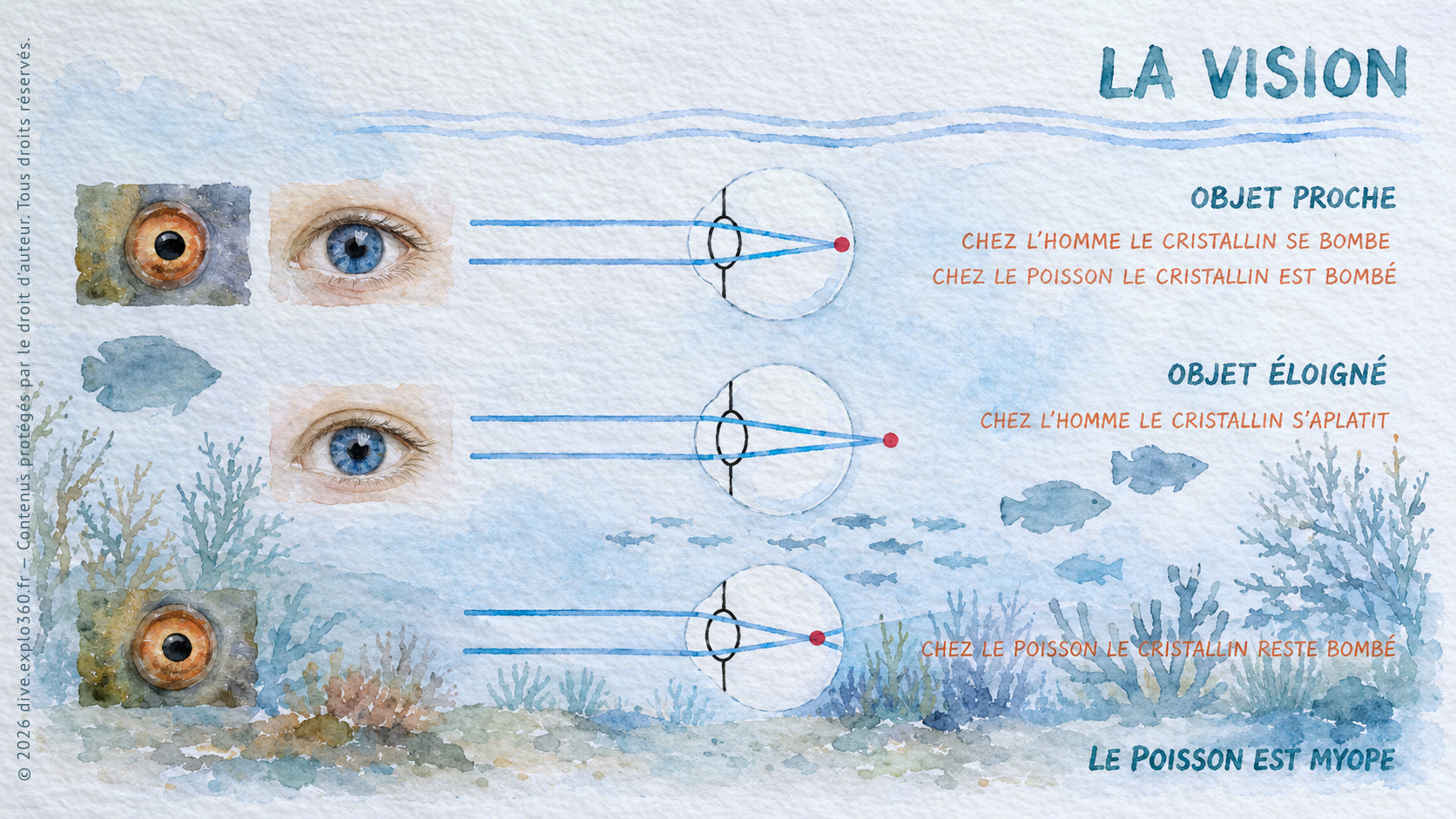
Fish have developed specific adaptations for seeing underwater. Their eyes are generally spherical with a large pupil, allowing them to focus light differently from human eyes. This spherical shape helps compensate for light refraction in water, allowing fish to see nearby objects clearly and distant objects less sharply because their lens cannot change shape as a human lens can. Humans, with trichromatic red-, green- and blue-sensitive cones, perceive the world through a particular, limited palette. For underwater inhabitants, however, colour perception is much more complex and varied. A study published in *Nature* revealed that some reef fish can see ultraviolet light, an ability that helps them find food and choose mates. In contrast, large marine predators such as tuna and trevallies see the world through dichromatic vision (colour blindness). They have just two types of cones with which to interpret their surroundings. This limitation can nevertheless be a strength. Their vision focuses on contrast, making prey more visible in the vast ocean. The Mediterranean reveals a living world where every species, feature and interaction tells a story. Observe the details, behaviours and connections that unite this underwater ecosystem.
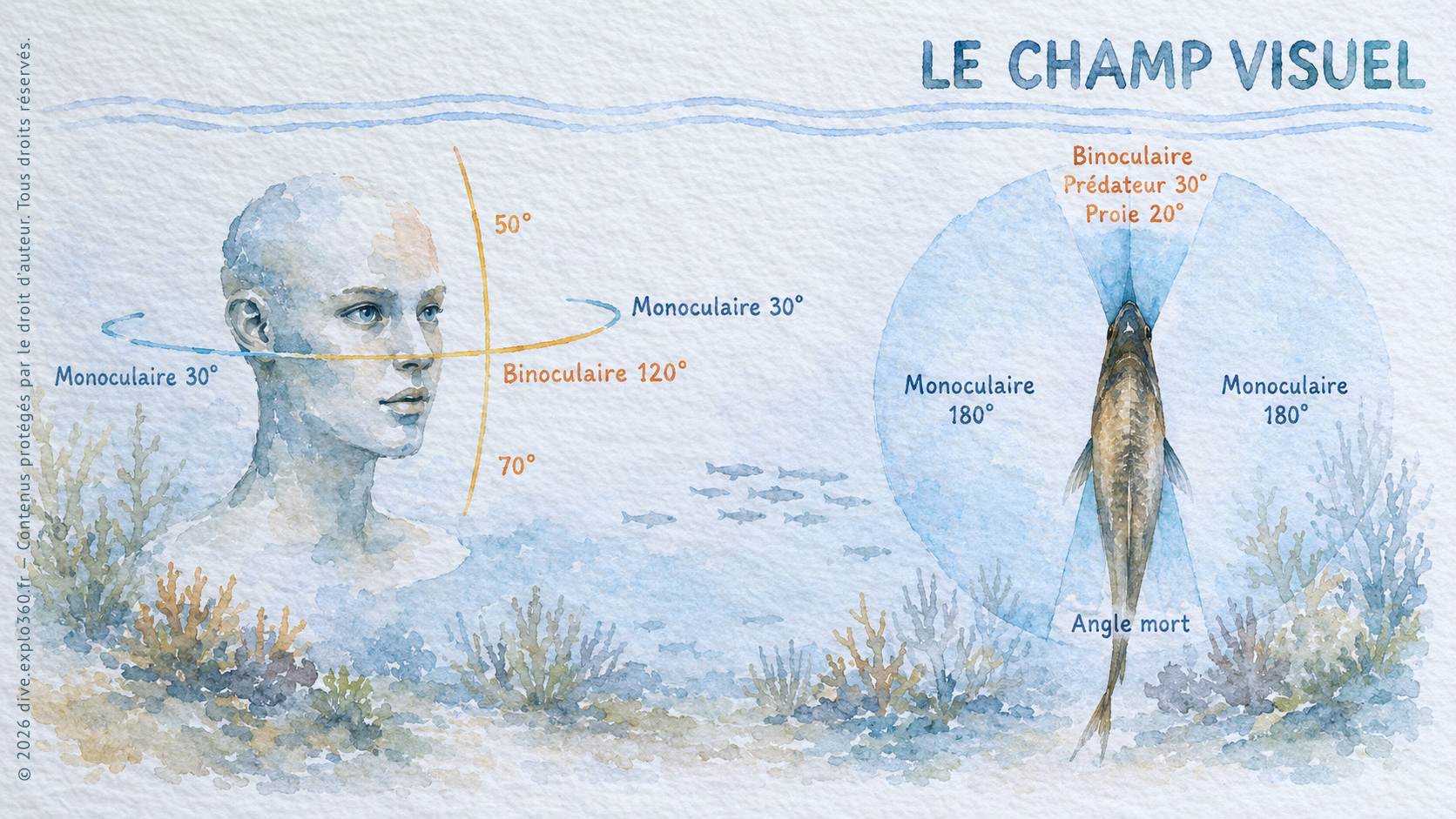
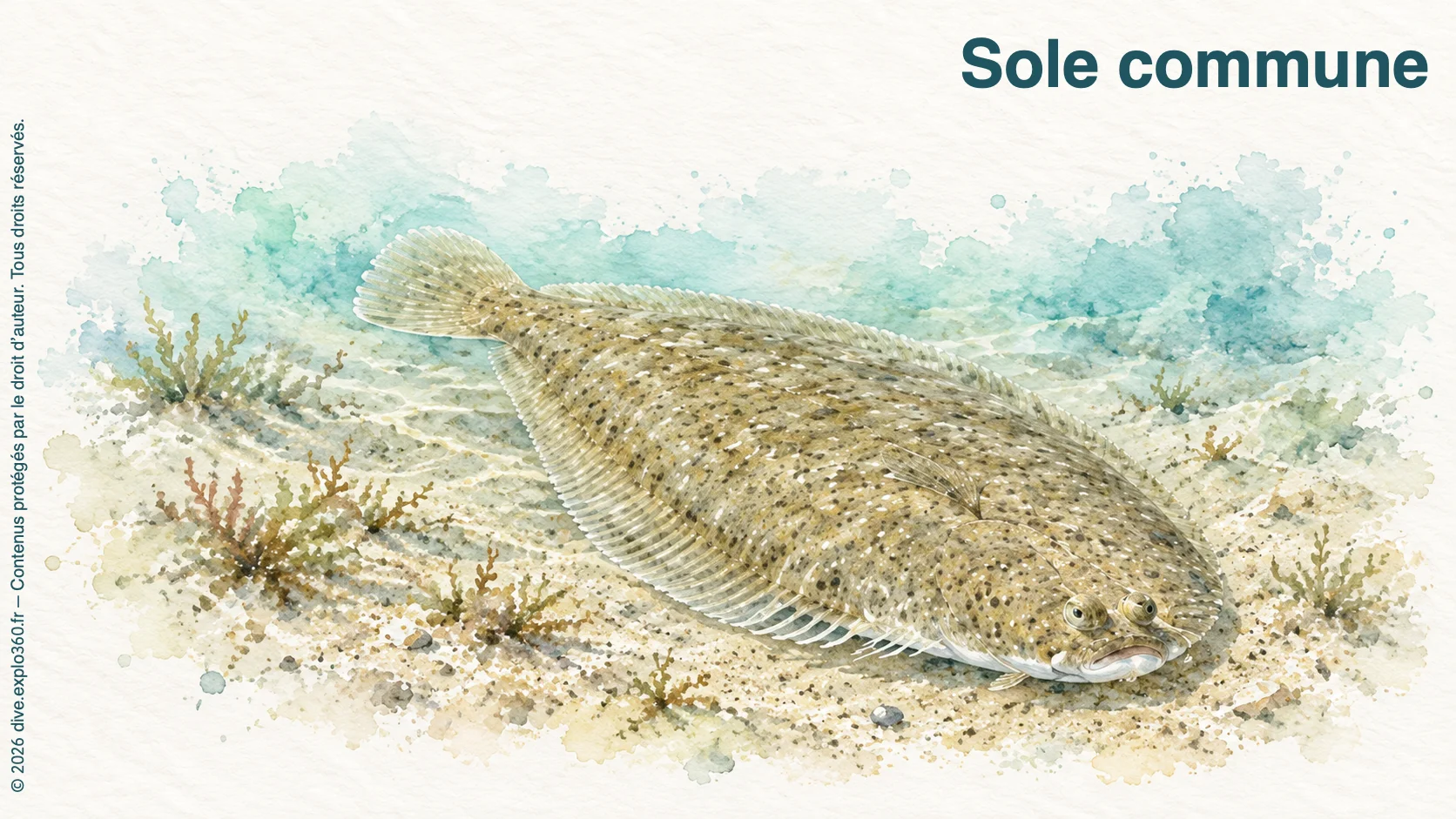
Fish have a very wide field of view because their eyes are positioned laterally. This arrangement allows them to see almost all around them without moving their heads, which is crucial for detecting predators and prey. Most fish have a field of view approaching 360 degrees, but this broad perspective comes at a cost: they have limited binocular vision, reducing their ability to perceive depth. Some fish species, such as predatory fish, have eyes positioned to provide better binocular vision, allowing them to judge the distance to prey more precisely. Others, such as flatfish, have vision adapted to their particular lifestyle, with eyes on one side of the body so they can better monitor their surroundings while remaining camouflaged on the seabed.
AMIGANSEAU CONTENT
The rest of this article is for subscribers
Log in with your AMIGANSEAU licence to continue reading.
All active AMIGANSEAU licences give access to the full article.Explore the same world