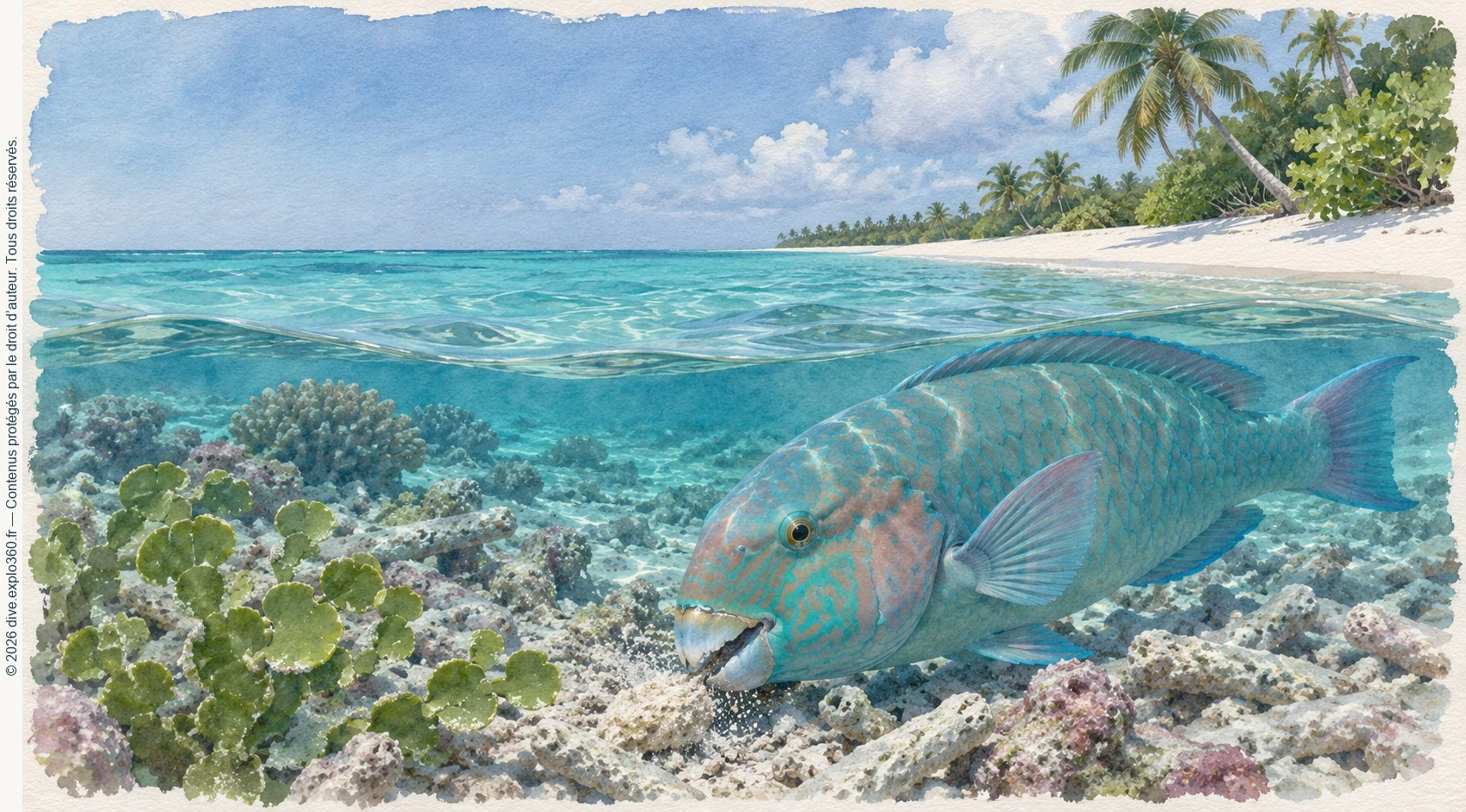
The reef, a vast reservoir of limestone
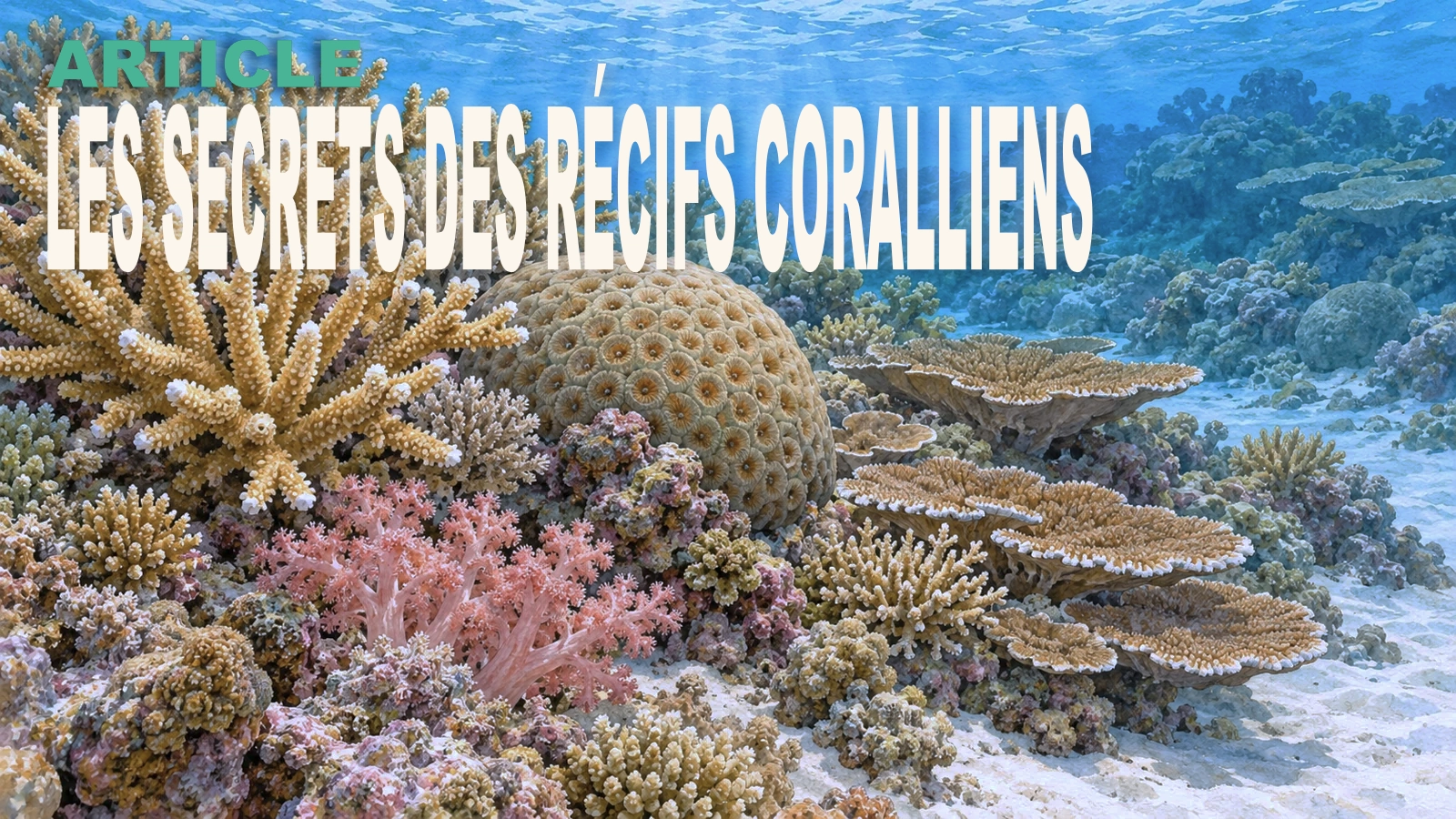
Calcium carbonate is the main ingredient in many tropical white sands. Reef-building corals use substances dissolved in seawater to build their skeletons. Over generations, their colonies build reefs that can stretch for kilometres.
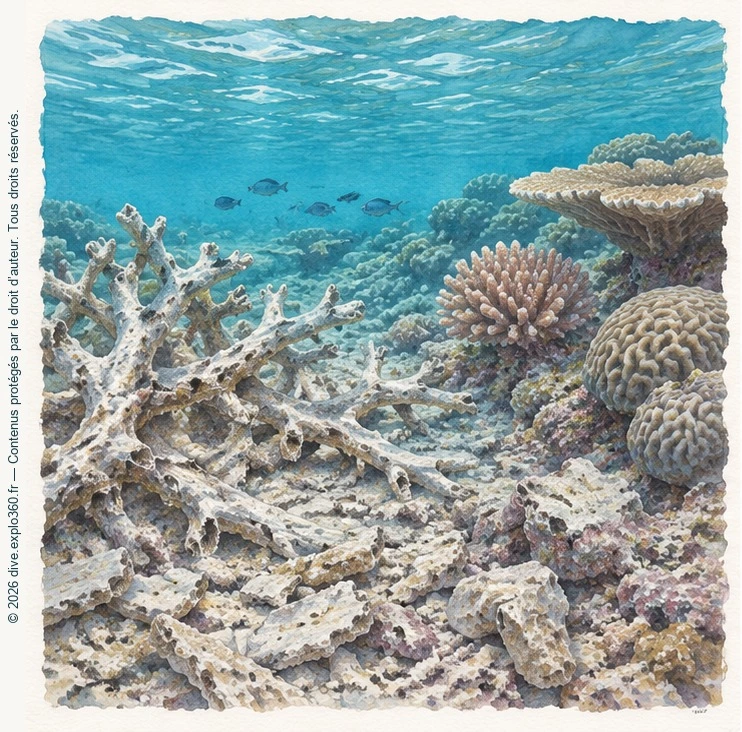
Waves snap dead branches, storms tear chunks loose and some organisms bore into the limestone. As waves roll fragments across the seabed, they knock against each other and wear down from rubble to gravel and finer grains.
Grazing animals also scrape particles loose as they feed. A grain can retain enough of its original structure to reveal which skeleton it came from.
Parrotfish grind the reef
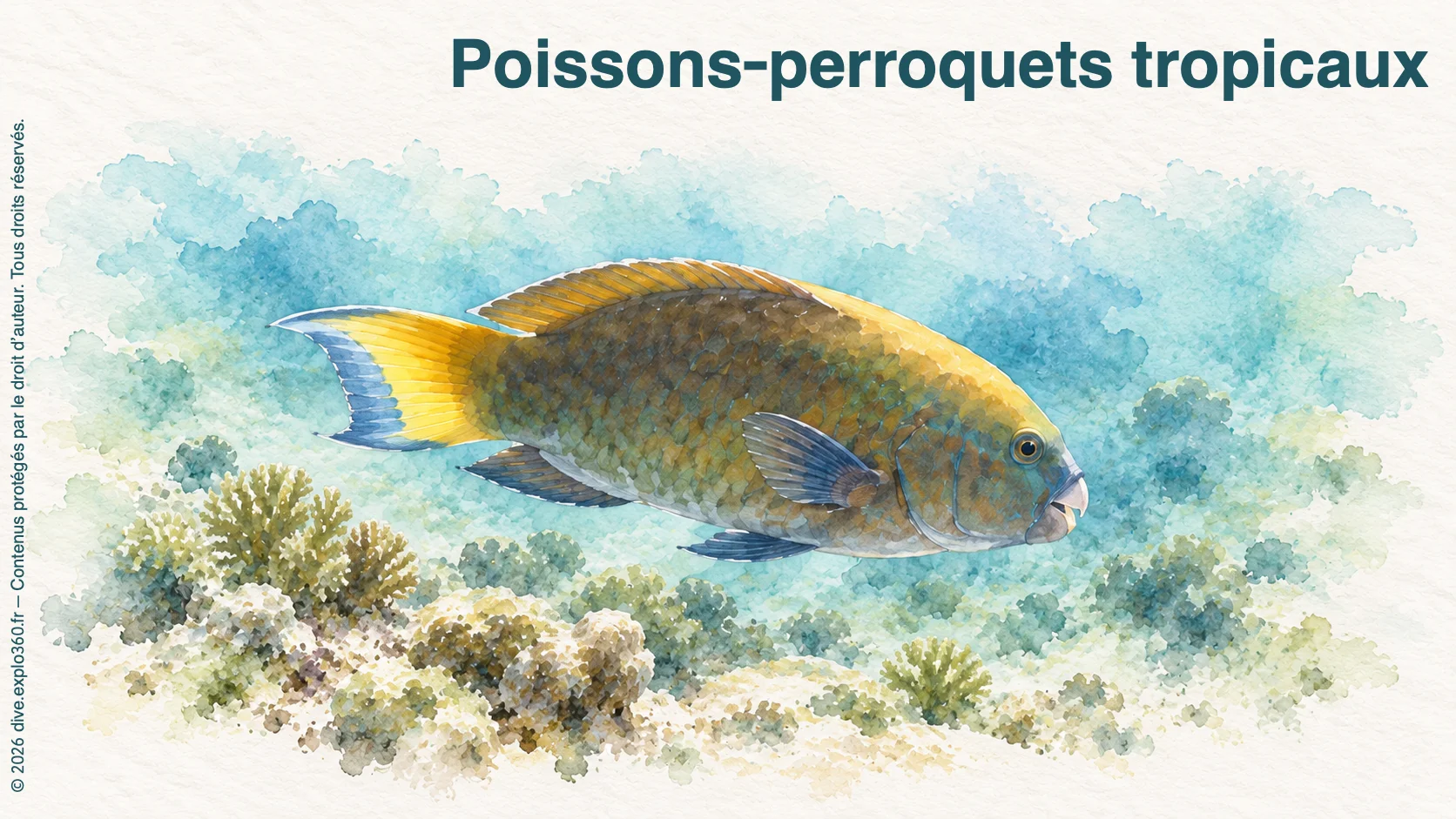
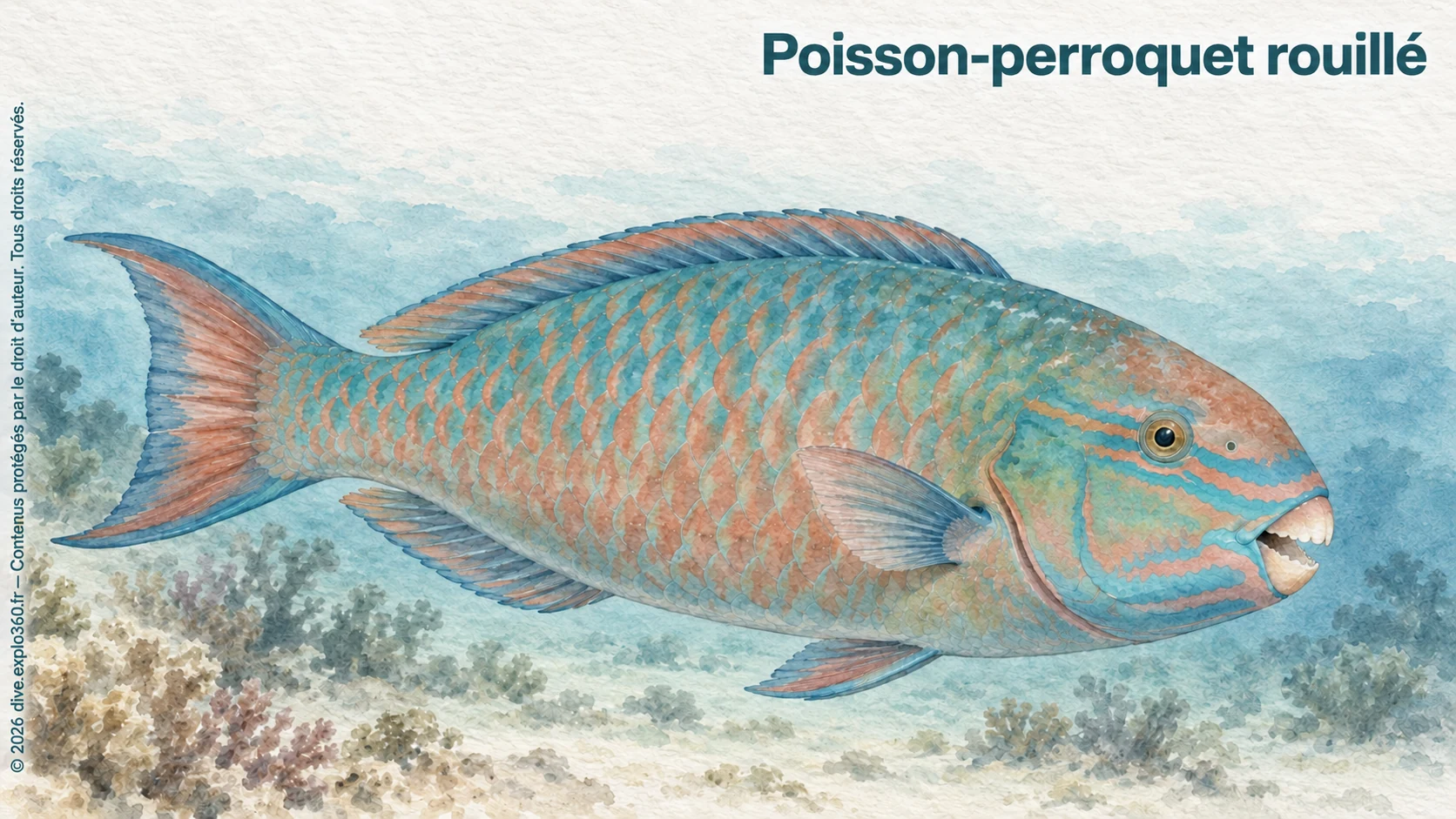
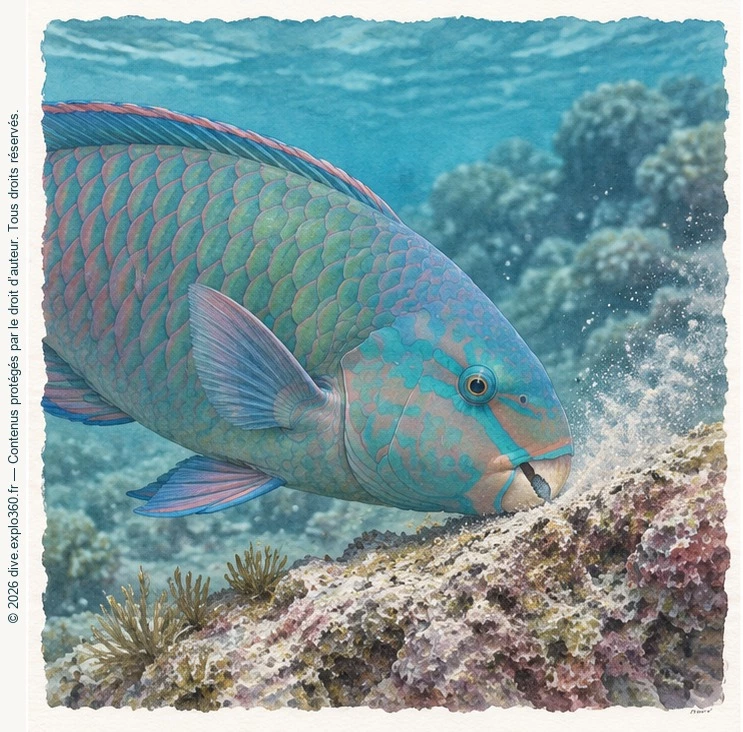
A repeated crunch in a lagoon may be the sound of a parrotfish feeding. In many species the teeth form hard plates that work like a beak. Some species scrape the reef surface, while others bite out small chunks.
Parrotfish feed on material growing on or within the reef, including microscopic photosynthetic organisms. They swallow limestone along with their food. A grinding structure in the throat, called a pharyngeal mill, crushes the fragments before they reach the gut. The fish may leave a pale cloud of sediment as it swims away.
The species, size and feeding habits of a parrotfish affect how much sediment it releases and how large the grains are. Parrotfish can also swallow and release loose sediment already on the reef. Currents may carry some of these particles to sandy seabeds or nearby beaches. The contribution varies from reef to reef.
Sea urchins sculpt the seabed
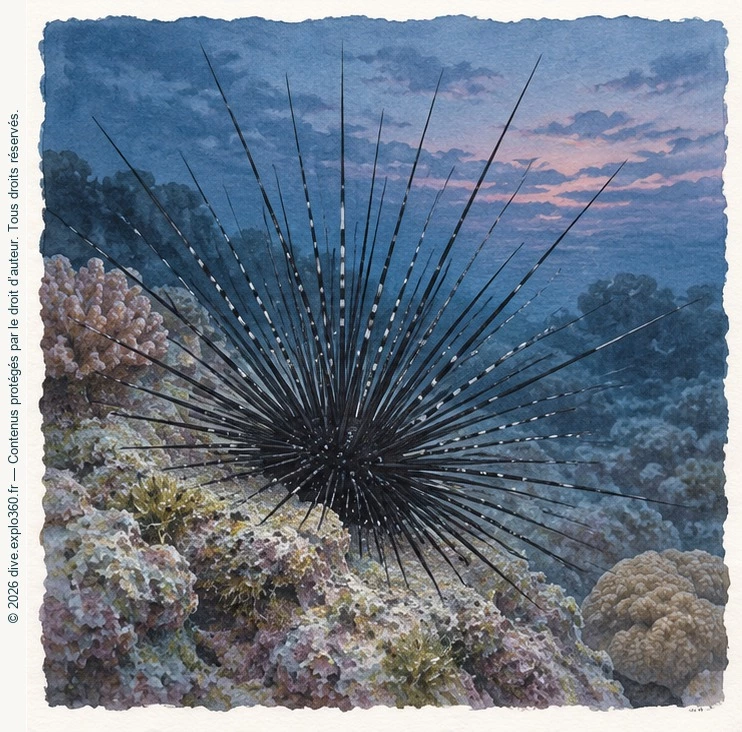
At dusk, some sea urchins emerge from shelter. Under their spiny bodies, a feeding structure called Aristotle’s lantern has five mineralised teeth worked by muscles. As some urchins graze, they loosen fragments of the carbonate surface. The particles pass through the gut and join the seabed sediment.
How much limestone urchins wear away depends on which species are present, how big they are and how many there are. Measurements on Hawaiian reefs show that when urchins are numerous, their activity can have a strong effect on the carbonate budget. After death their own hard shells, called tests, and their spines can break up and add to the sediment.
Foraminifera, tiny architects
Look at a grain under a magnifier. Some white grains are the mineralised shells, or tests, of foraminifera. These single-celled organisms live in habitats including shallow reefs, seagrass and algal beds. Several species host photosynthetic microalgae. The tests of large tropical benthic forms can reach several millimetres. Some look like tiny coins. Others have points radiating outwards or chambers you can see.
After the organism dies, its test can persist. Currents can transport and concentrate the tests on beaches. In the Okinawa archipelago, hoshizuna, or star sand, owes its tiny stars to foraminifera such as Baculogypsina sphaerulata and some species of Calcarina. The living organism already had those points on its test. As the grains move, their tips can wear away.
Explore the same world