Partners and Dive.Explo360 explorers

Contact us

Verification code

Ocellaris clownfish

Distribution : It lives in association with anemones on western Indo-Pacific reefs.

Nemo leaves his anemone. In Tokyo, watch a real clownfish peek out between the tentacles, waiting for food.

Photos being acquired · Your photos here

Habitat of Ocellaris clownfish Habitat
Coral reef
Depth range of Ocellaris clownfish Depth
1-15 m
Biological group of Ocellaris clownfish Group
Ecological role of Ocellaris clownfish Role
Predator, Herbivore

Size

Size not measured

Good to know

Look at the whole fish when it emerges from the tentacles.

WHAT DOES IT LOOK LIKE?

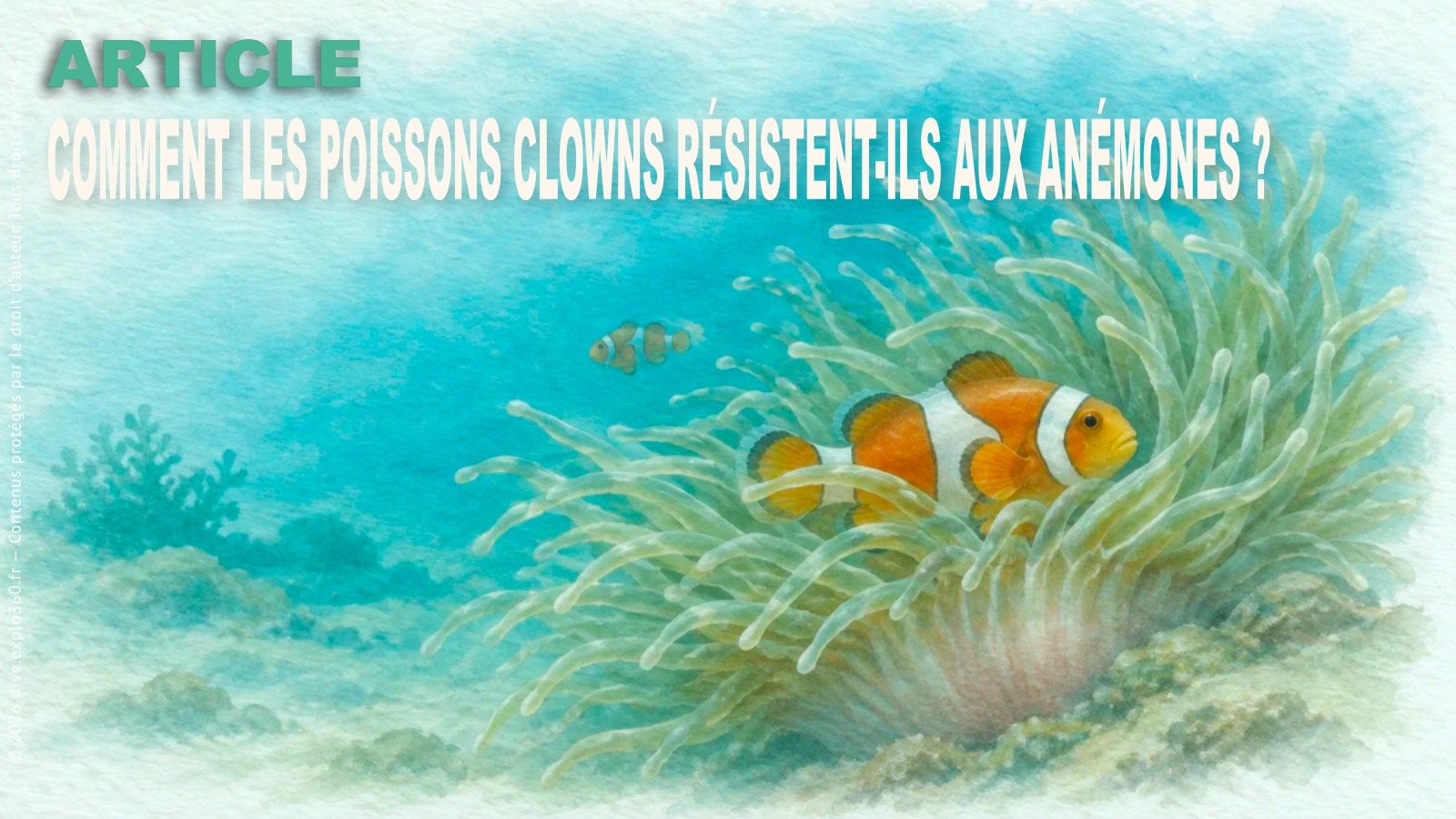
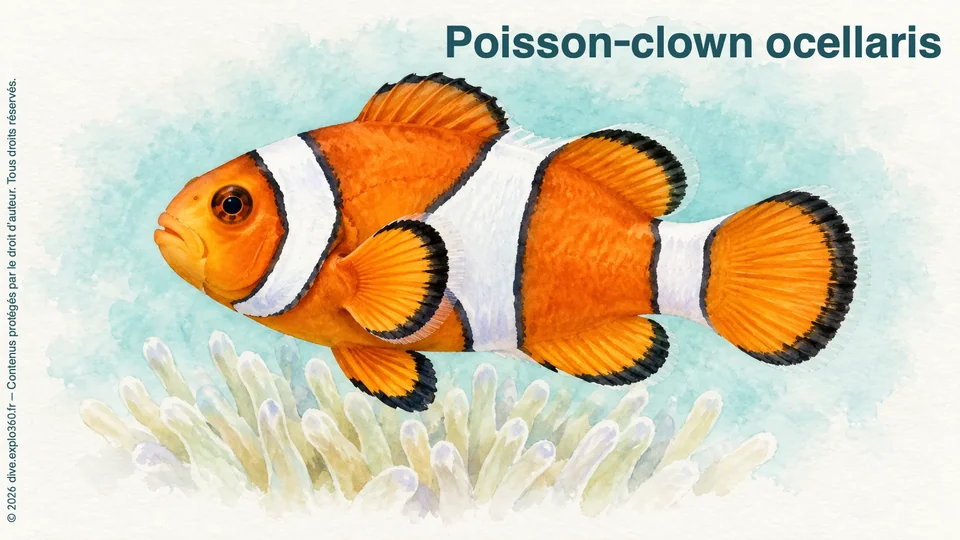
Three white bands cross the common clownfish’s orange body. A fine black line edges the bands. The tail and other fins have rounded outlines.

GO FURTHER WITH AMIGANSEAU

Unlock the full profile

Deepen your knowledge with the exclusive chapters and interactive resources included in an AMIGANSEAU licence.

Subscribing to Dive.Explo360 means supporting a different way to discover marine life.

Our independent platform is entirely self-funded and relies solely on subscriptions. Every licence helps us continue our work, create new content, and share what we know about the marine world with as many people as possible.

Starting at €80 per year, your support makes all the difference.
Choose my licence
An active licence gives access to enriched profiles and AMIGANSEAU exploration tools.
Ocellaris clownfish

Understand the species

What is this species’ ecological role?

AMIGANSEAU Explorer Premium

Access enriched species profiles with advanced content (audio, infographics and detailed articles).

Explore all species easily through a single interface.

Enjoy a smooth, fast learning experience suited to every level.

🔒 The full profile is available with a paid subscription only.

Discover licences

POURSUIVRE L’EXPLORATION

Articles related to this species

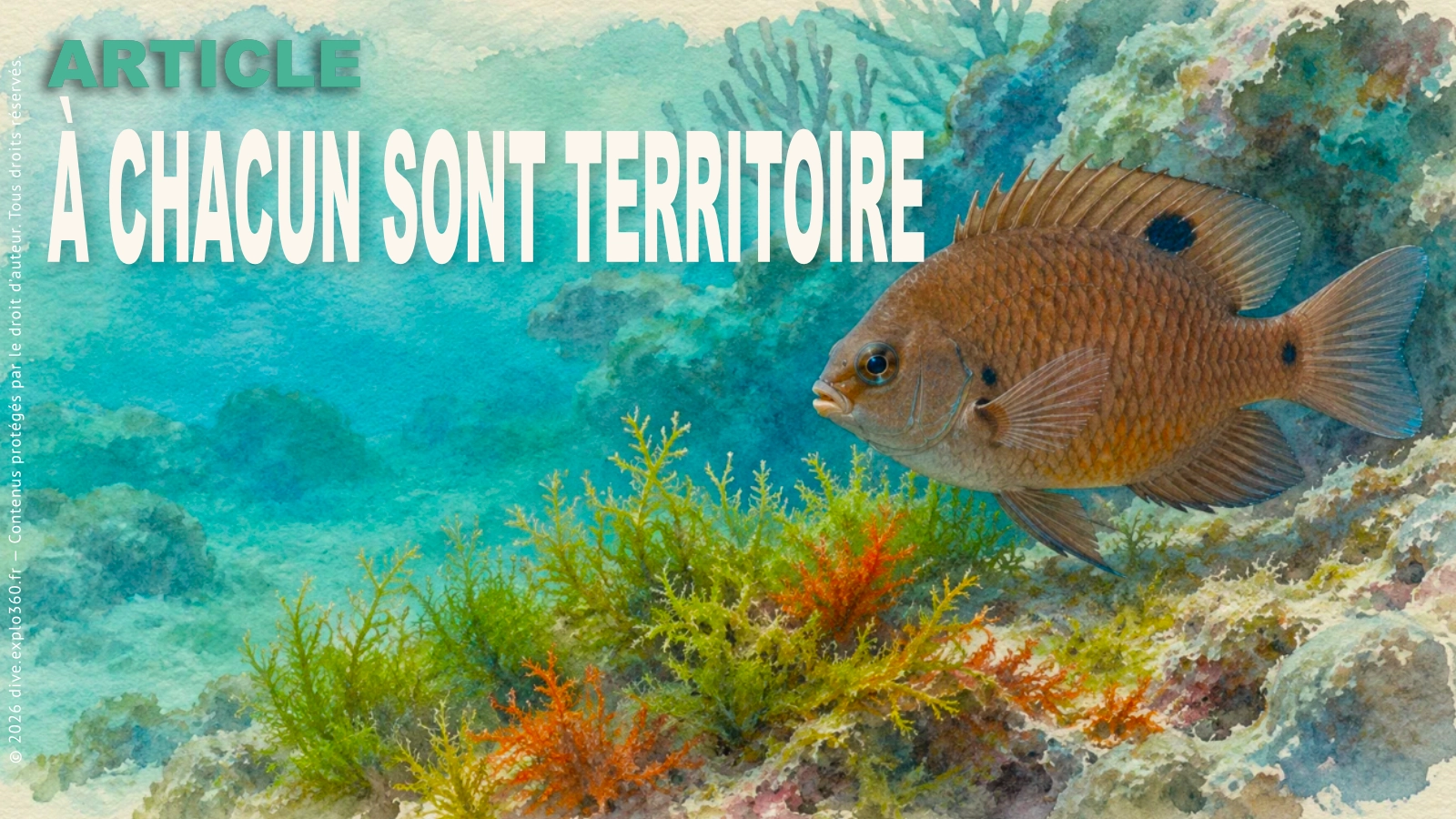
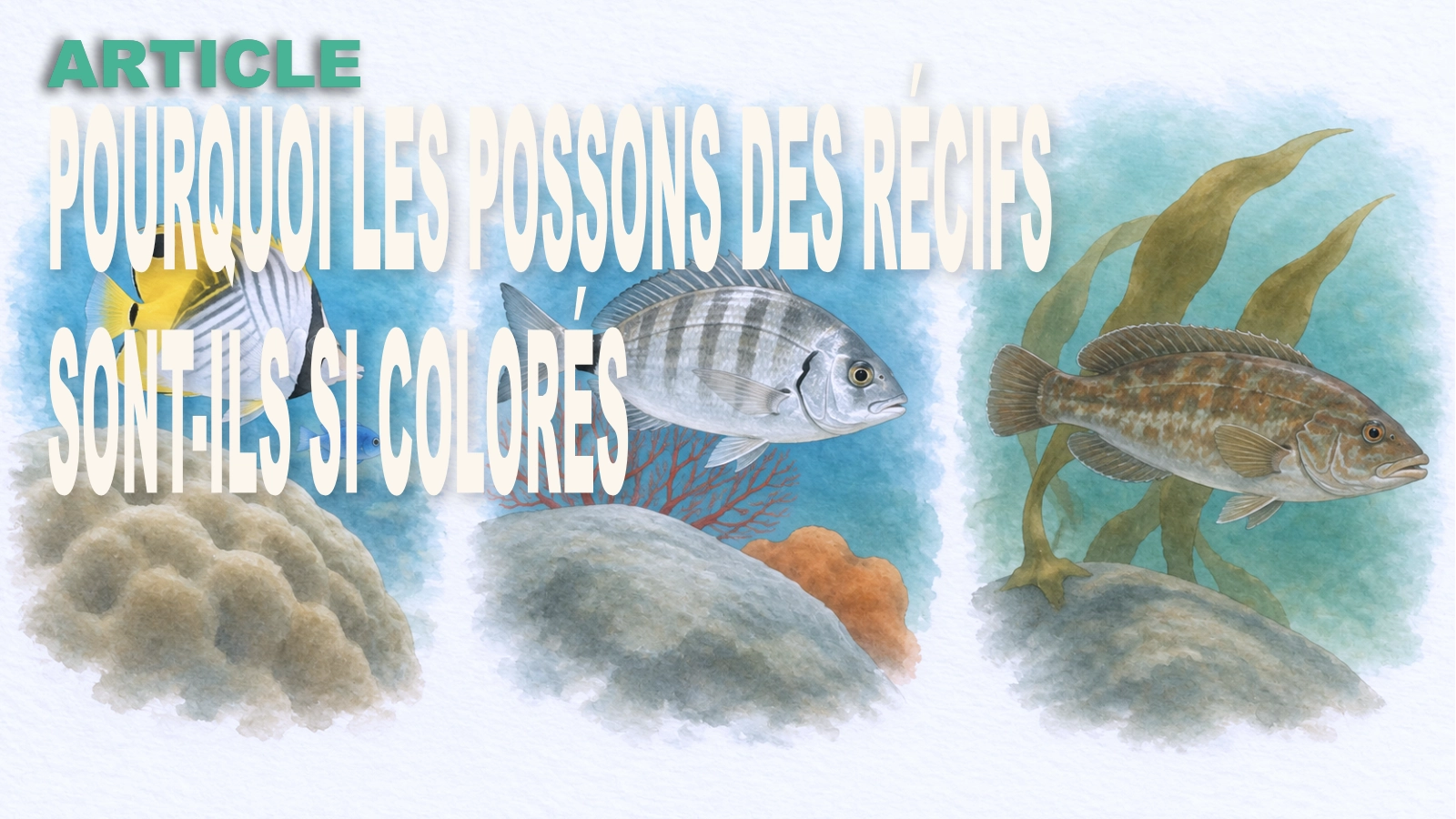
ArticleWhy do reef fish chase their neighbours?Read the article →ArticleHow do clownfish avoid anemone stings?Read the article →ArticleWhy are reef fish so colourful?Read the article →