Habitat
 Depth
 Group
 Role
 Average size
WHAT DOES IT LOOK LIKE?
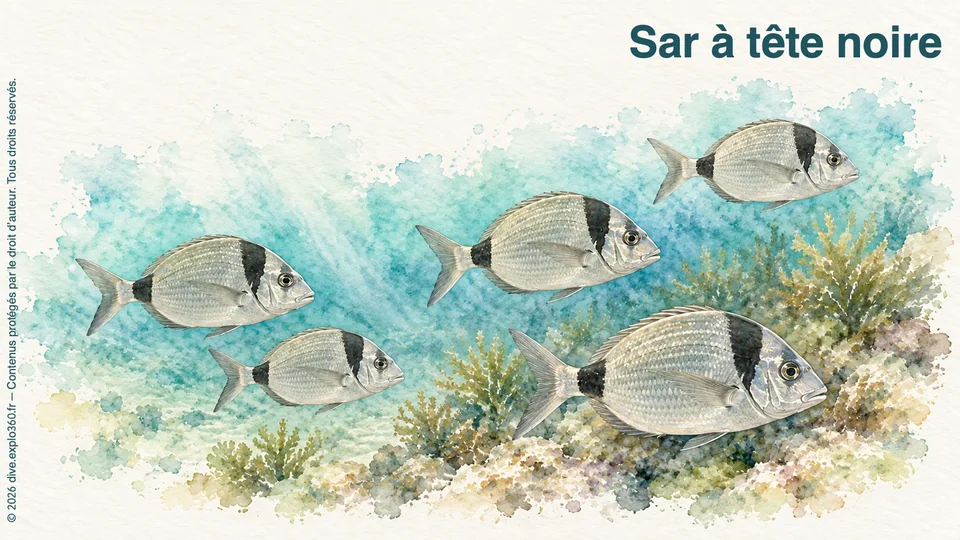
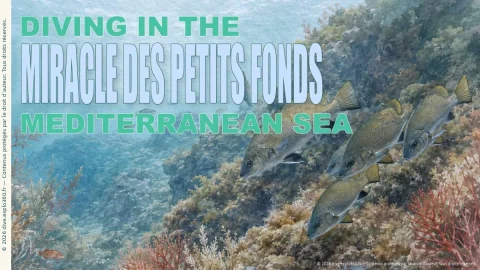
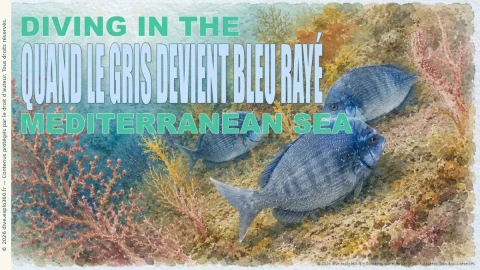
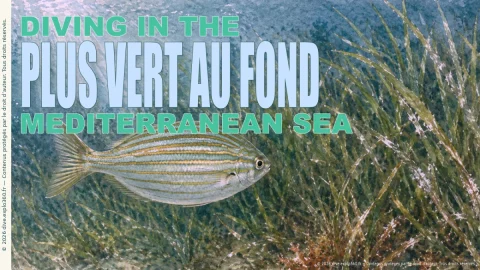
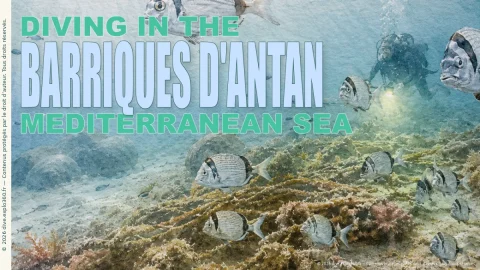
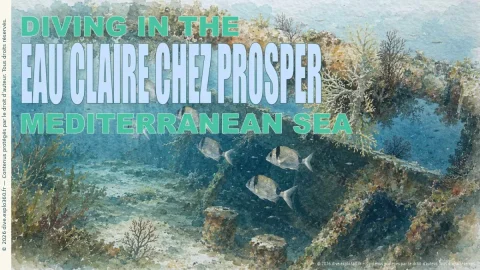
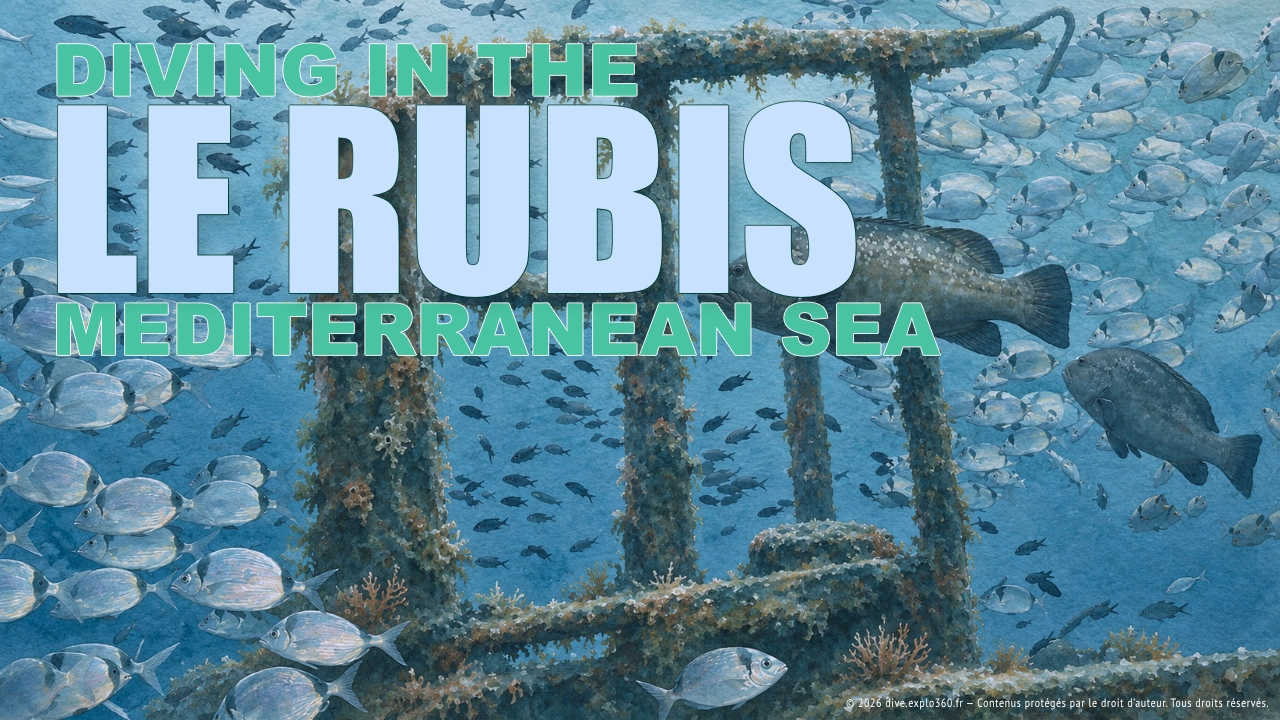
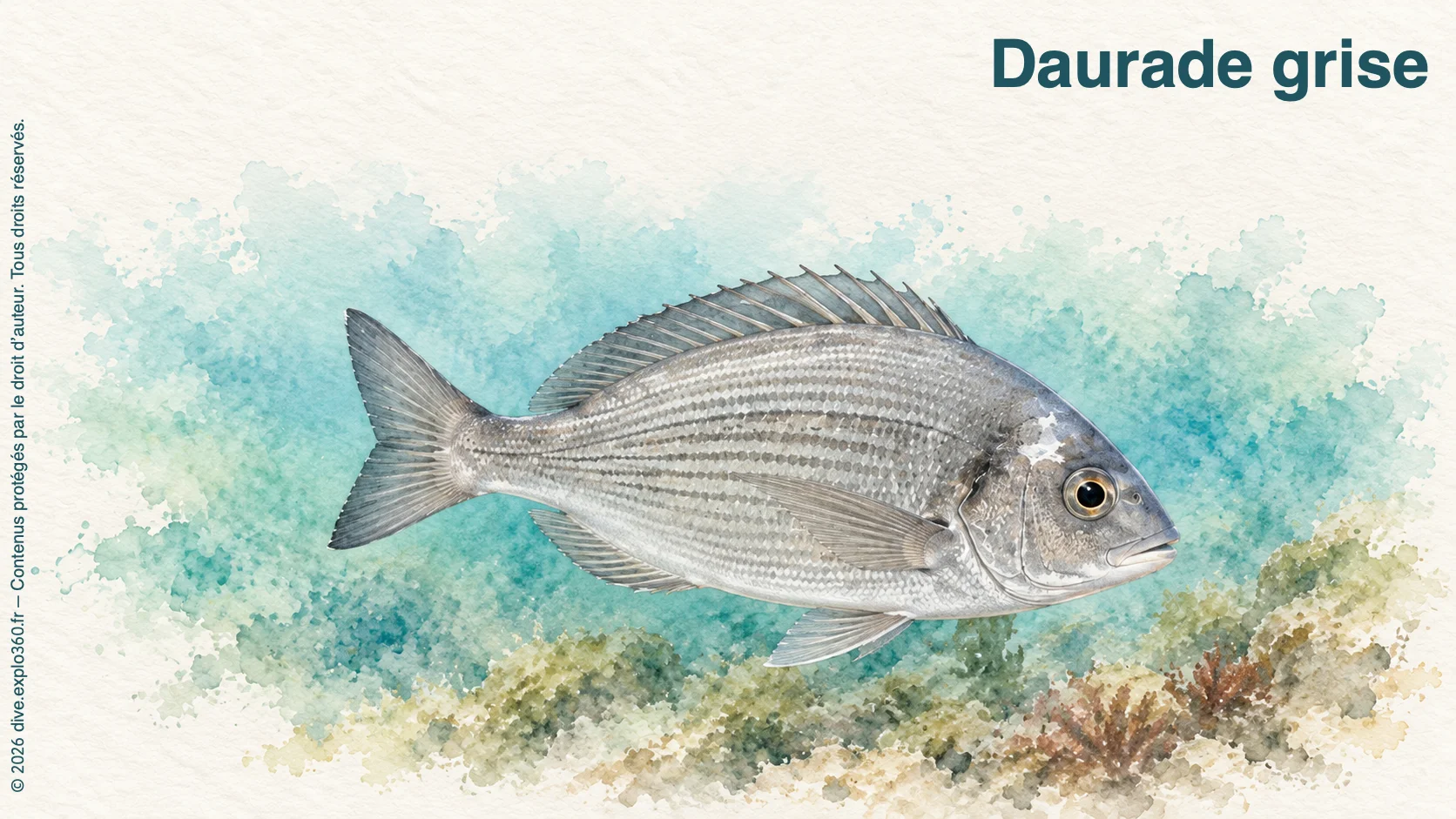
Two dark bars mark the common two-banded seabream (Diplodus vulgaris) against silver, sometimes golden colouring. The front bar borders the rear of the head; the other marks the beginning of the tail.
The outline is oval, deep and flattened from side to side, with a small mouth. The silver area between the bars strengthens their contrast.
WHERE DOES IT LIVE?
It is mainly found near the coast, on rocky or sandy seabeds or in seagrass beds. The young often live in very shallow water, while adults frequent slightly deeper areas, generally down to a few tens of metres.
WHAT DOES IT EAT?
The two-banded seabream can crush a shell, carapace or sea urchin test with its molars. This allows consumption of several benthic invertebrates, alongside worms and small crustaceans. Meals change with size. Very young fish studied in the Aegean eat mainly copepods and amphipods, with algae present in digestive contents.
GO FURTHER WITH AMIGANSEAU
Unlock the full profile
Deepen your knowledge with the exclusive chapters and interactive resources included in an AMIGANSEAU licence.
Subscribing to Dive.Explo360 means supporting a different way to discover marine life.
Our independent platform is entirely self-funded and relies solely on subscriptions. Every licence helps us continue our work, create new content, and share what we know about the marine world with as many people as possible.
Starting at €80 per year, your support makes all the difference.




 Understand the species