


 Habitat
 Depth
 Group
 Role
 Average size
WHAT DOES IT LOOK LIKE?
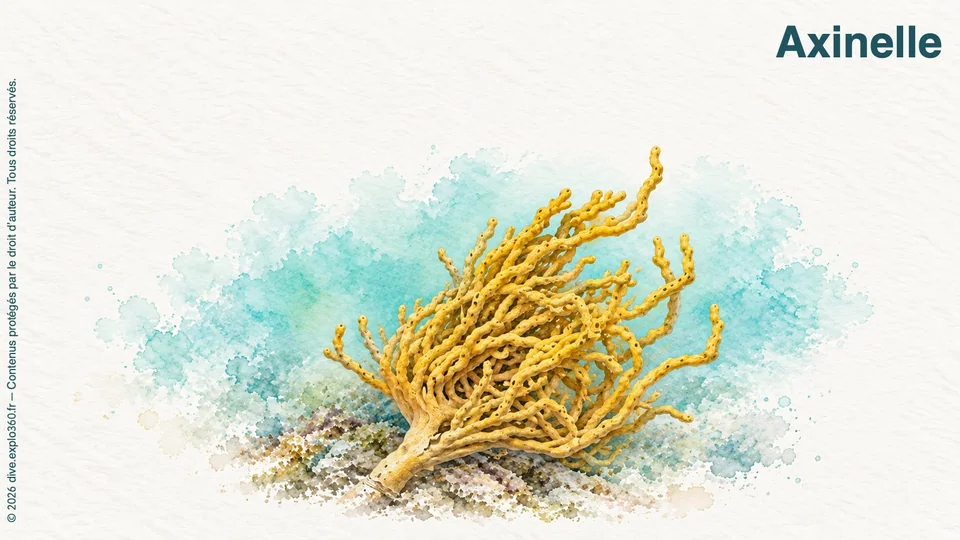
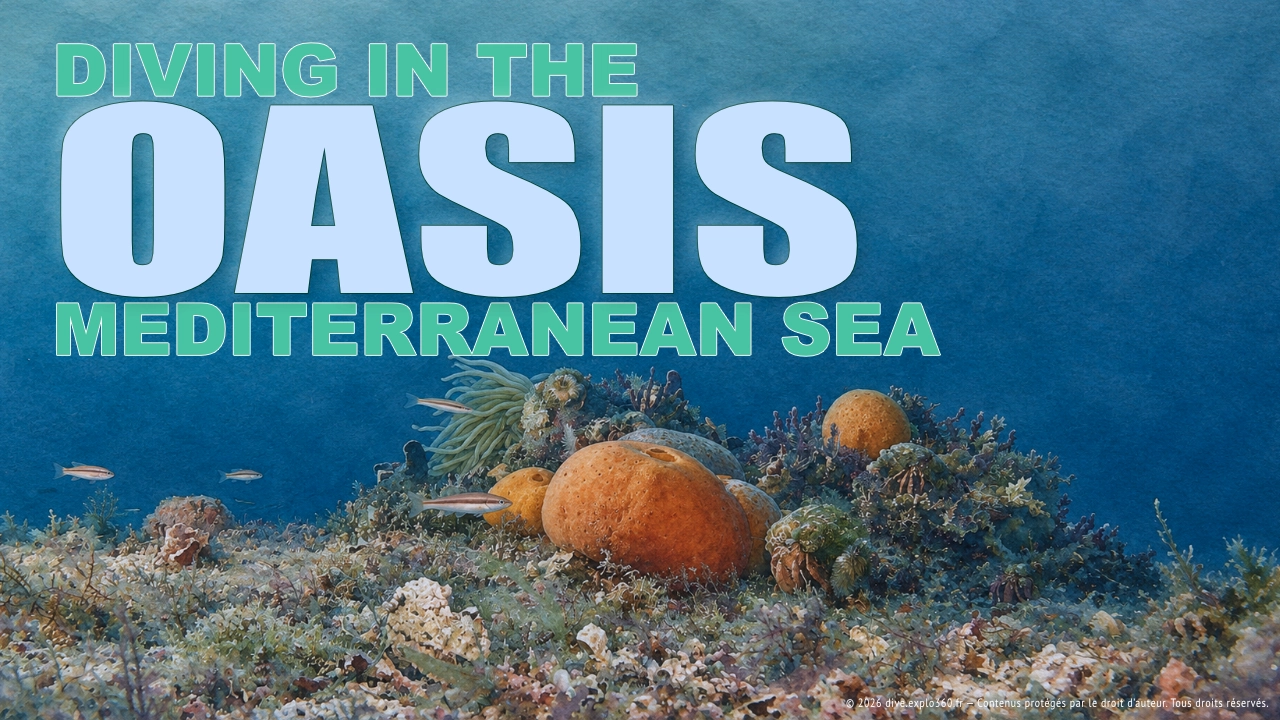
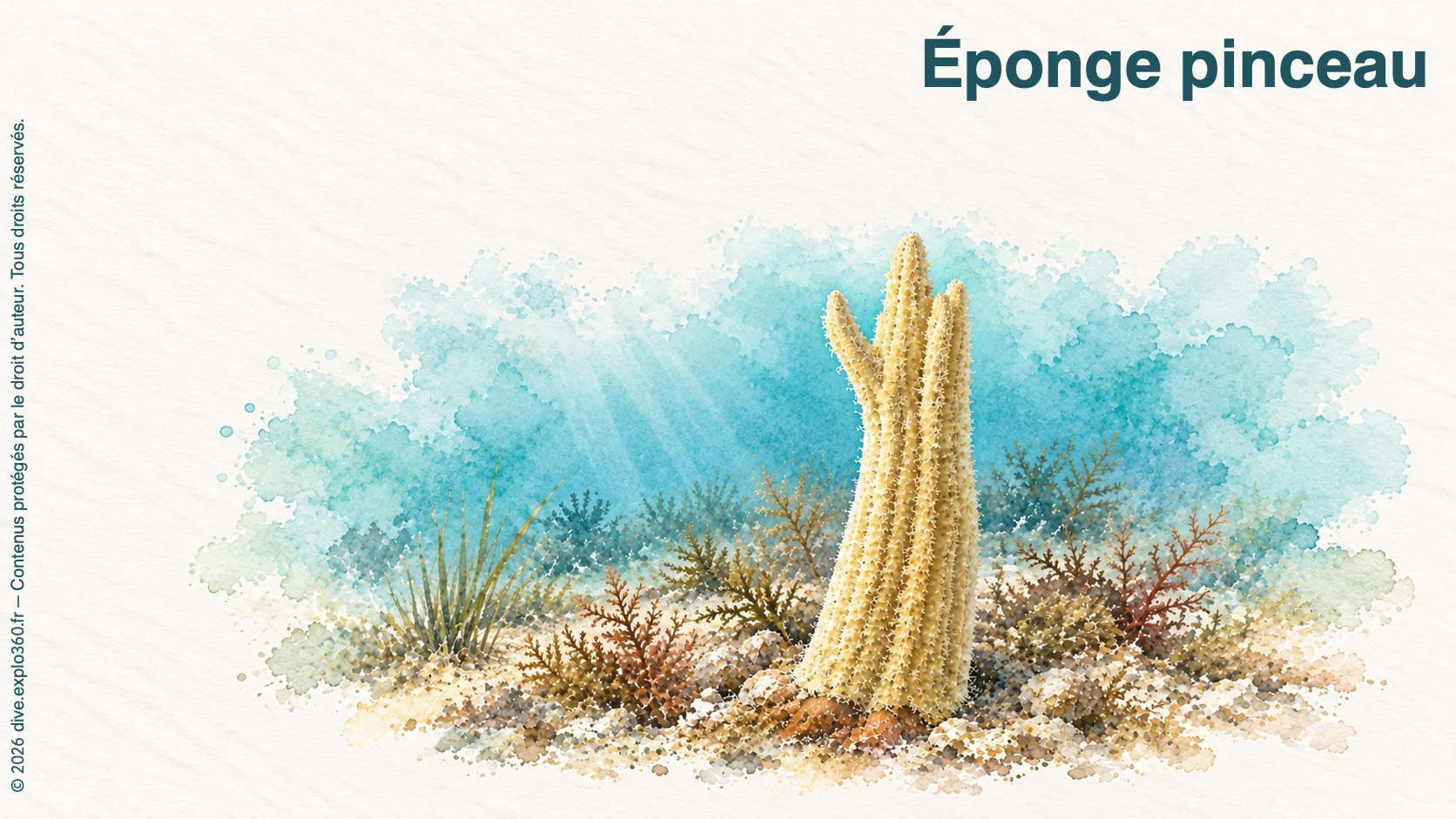
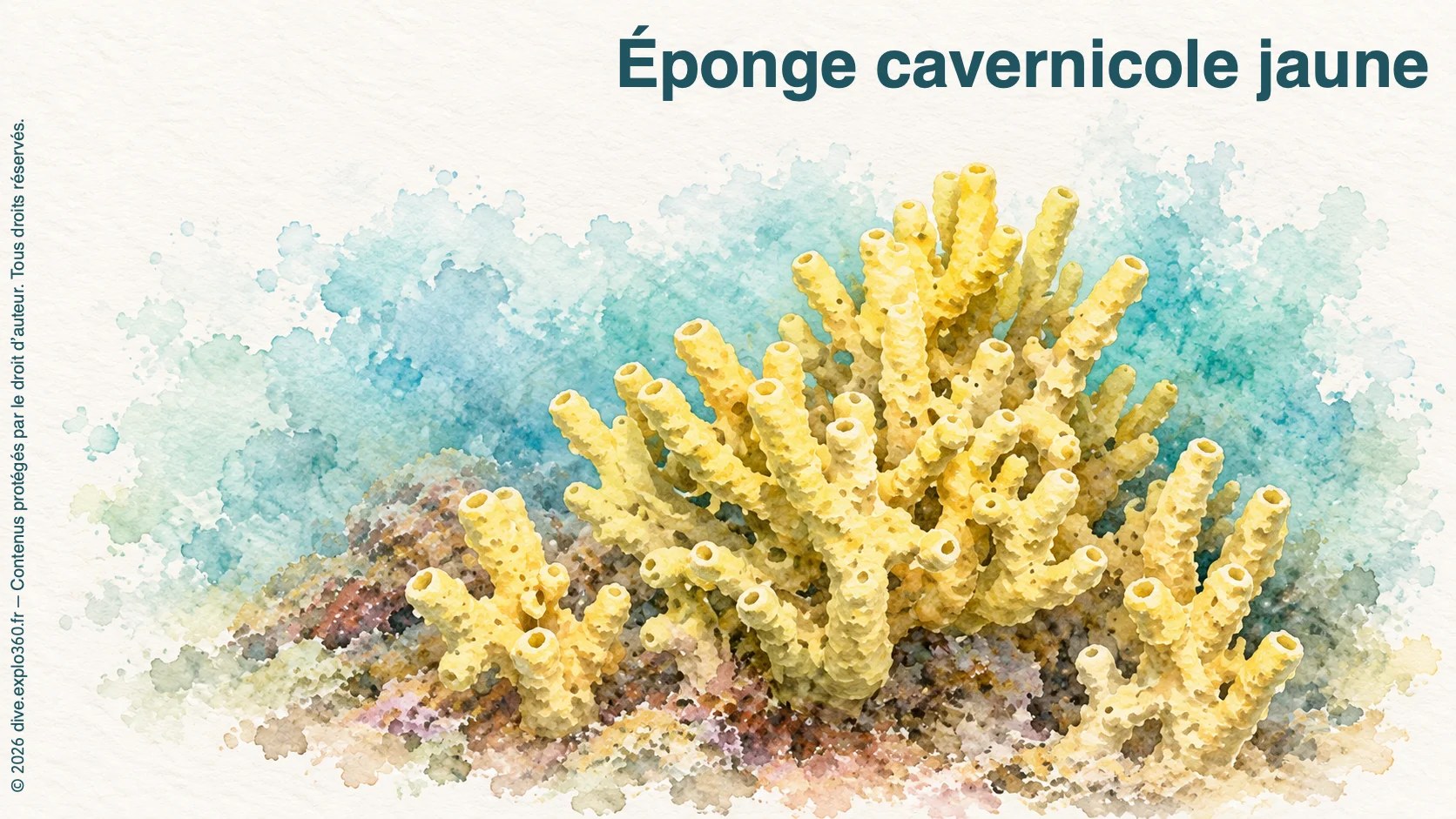
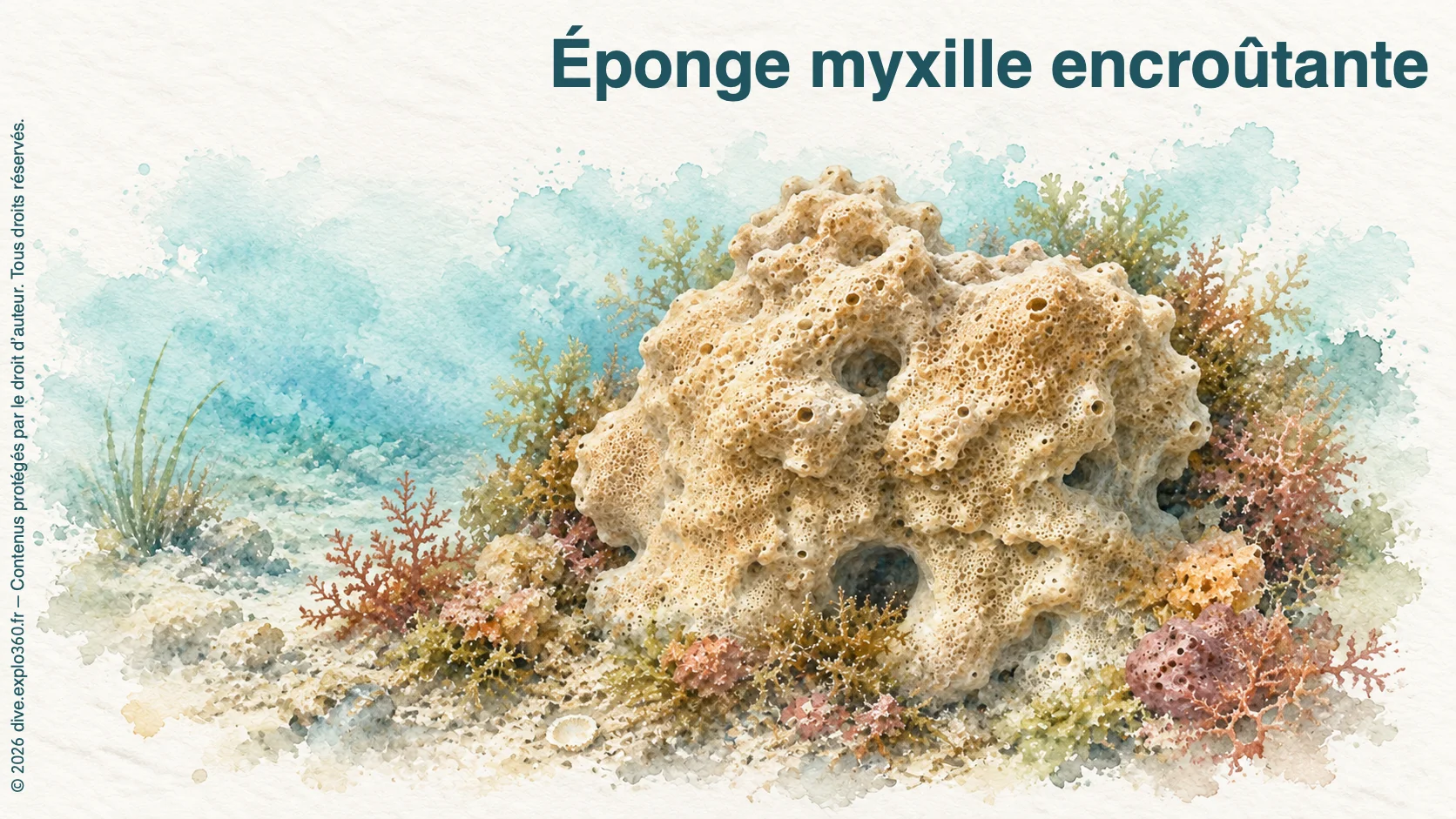
Up close, this sponge (Axinella polypoides) shows small circles or stars formed by surface openings called oscula. From farther away, its upright yellow to orange branches make it look like a shrub.
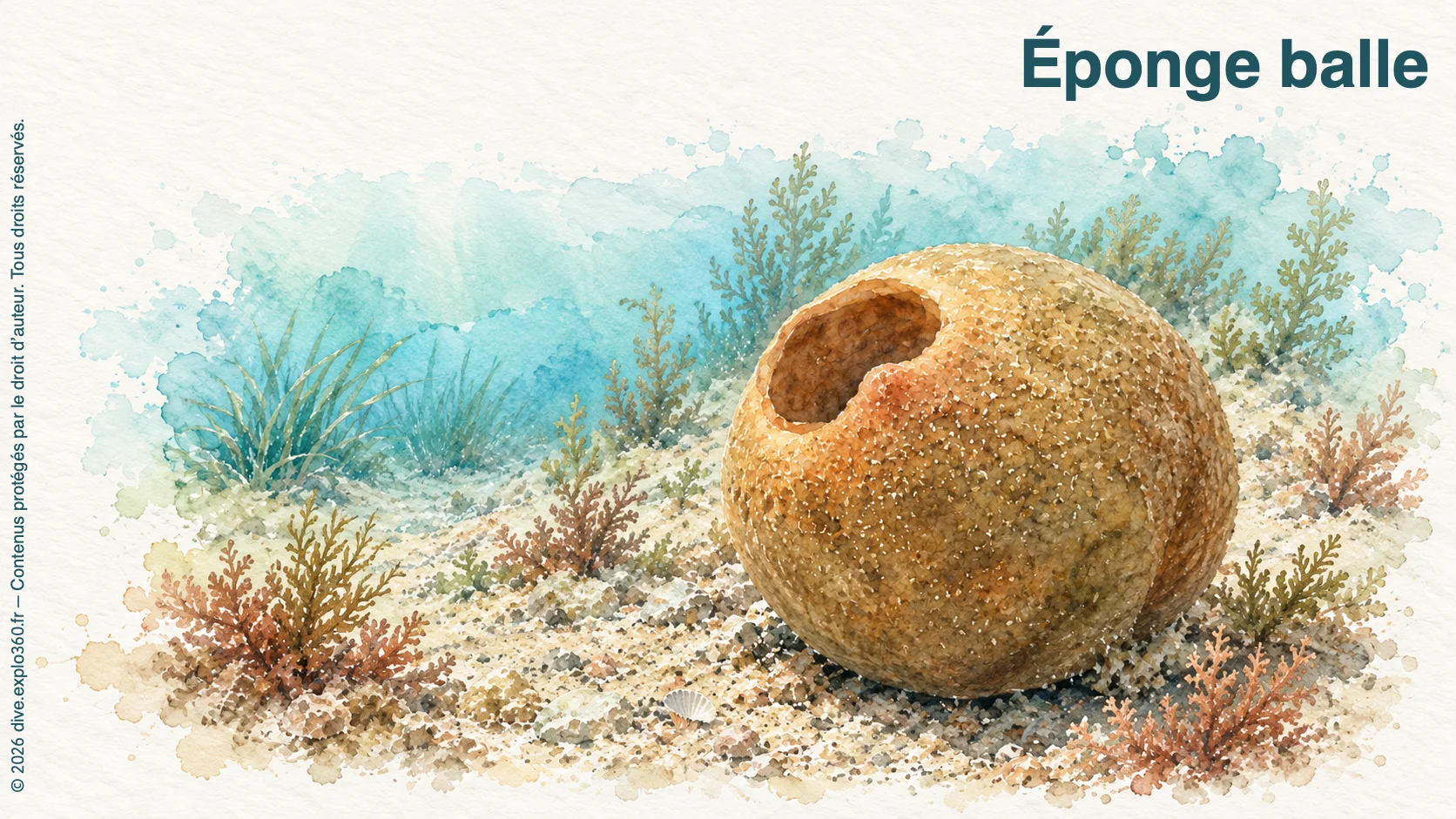
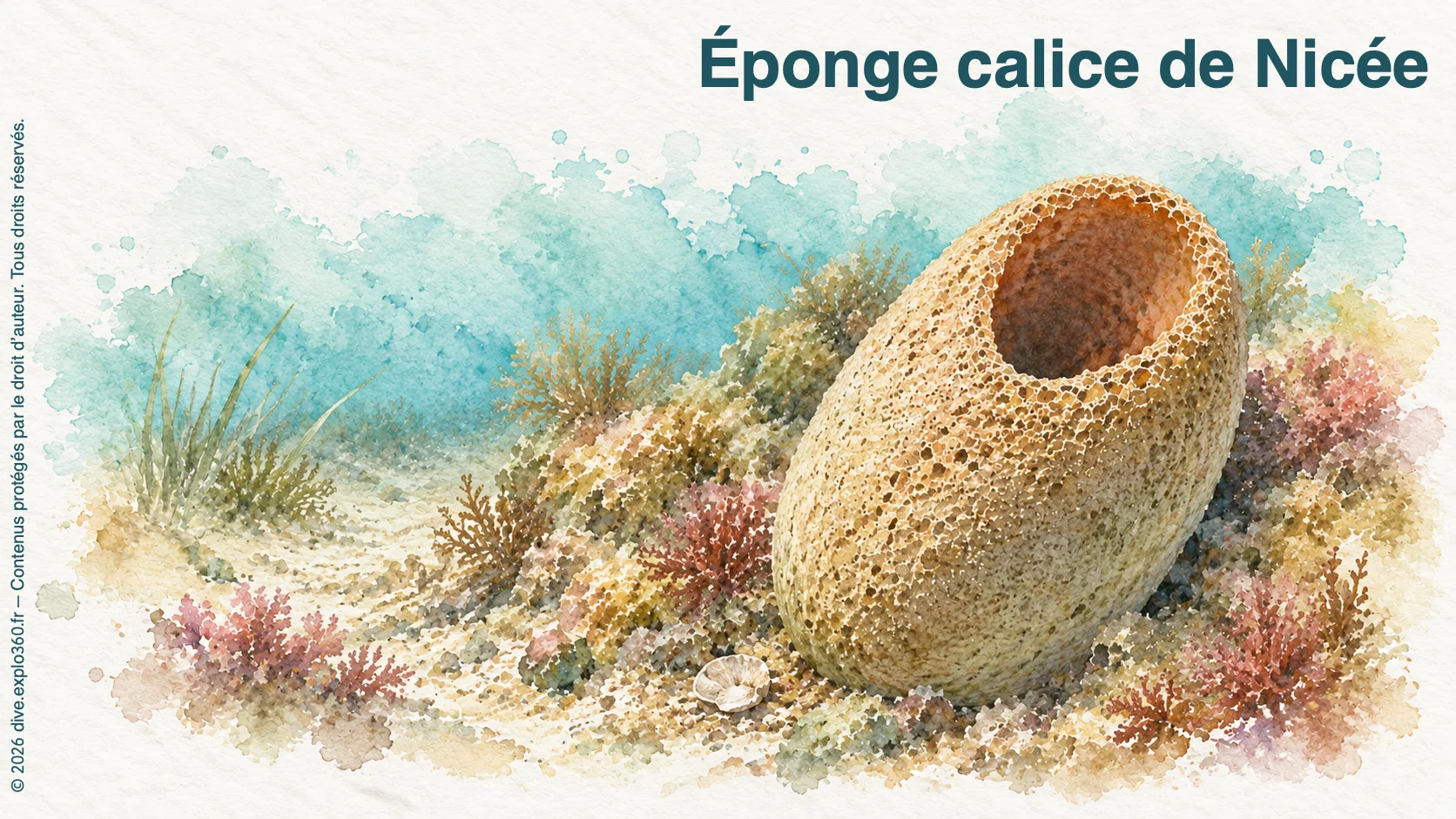
The surface is slightly rough. Branch arrangement varies and may recall related sponges, whose external appearance can sometimes leave doubt.
WHERE DOES IT LIVE?
On drop-offs and coralligenous formations, the yellow axinella remains anchored to rock. Dimly lit or partly shaded areas are usual positions, often exposed to moderate current. Wall structure and exposure therefore describe an important part of its habitat.
WHAT DOES IT EAT?
The branching sponge’s apparent stillness conceals a current maintained within its internal chambers. Choanocytes, specialised cells bearing a moving flagellum, help pump water and capture food. Planktonic organisms and detrital organic particles enter with water through the small inhalant pores. Retained material is taken up and digested at the cellular level, while water continues towards the outgoing oscula.
GO FURTHER WITH AMIGANSEAU
Unlock the full profile
Deepen your knowledge with the exclusive chapters and interactive resources included in an AMIGANSEAU licence.
Subscribing to Dive.Explo360 means supporting a different way to discover marine life.
Our independent platform is entirely self-funded and relies solely on subscriptions. Every licence helps us continue our work, create new content, and share what we know about the marine world with as many people as possible.
Starting at €80 per year, your support makes all the difference.
 Understand the species