


 Habitat
 Depth
 Group
 Role
 Average size
 Good to know
WHAT DOES IT LOOK LIKE?
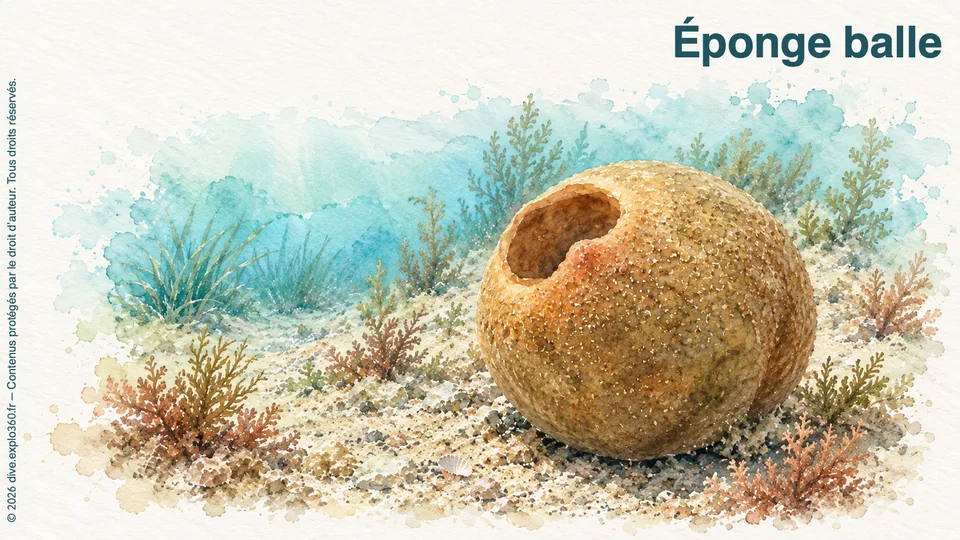
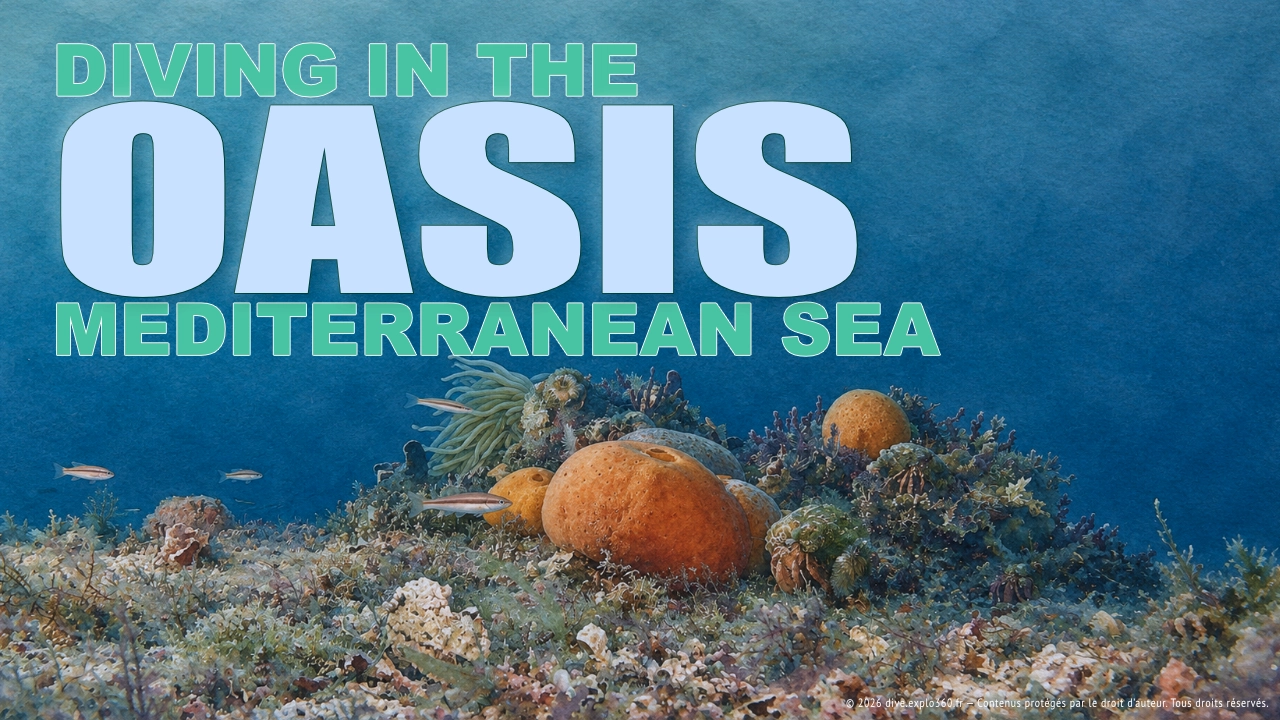
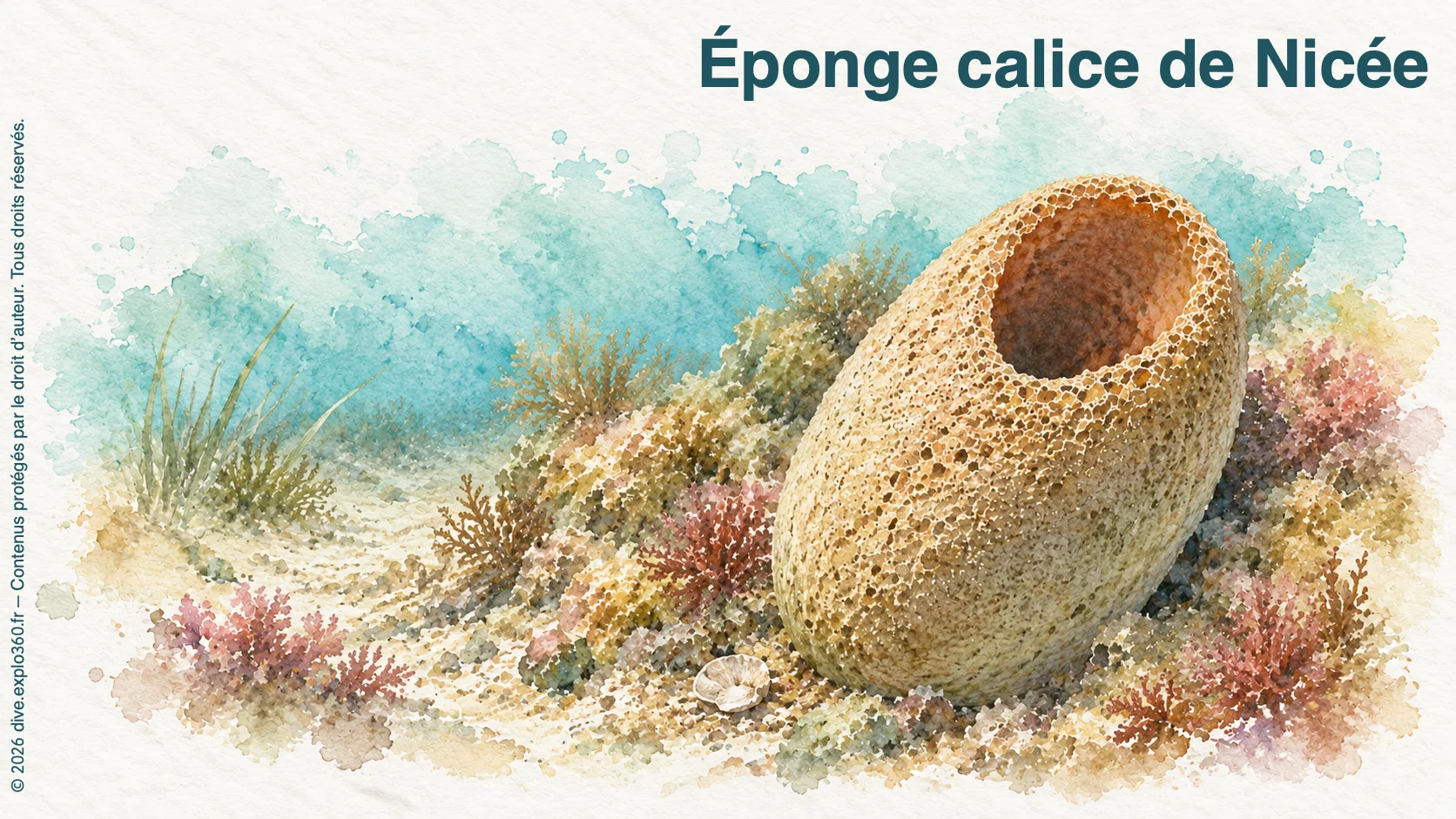
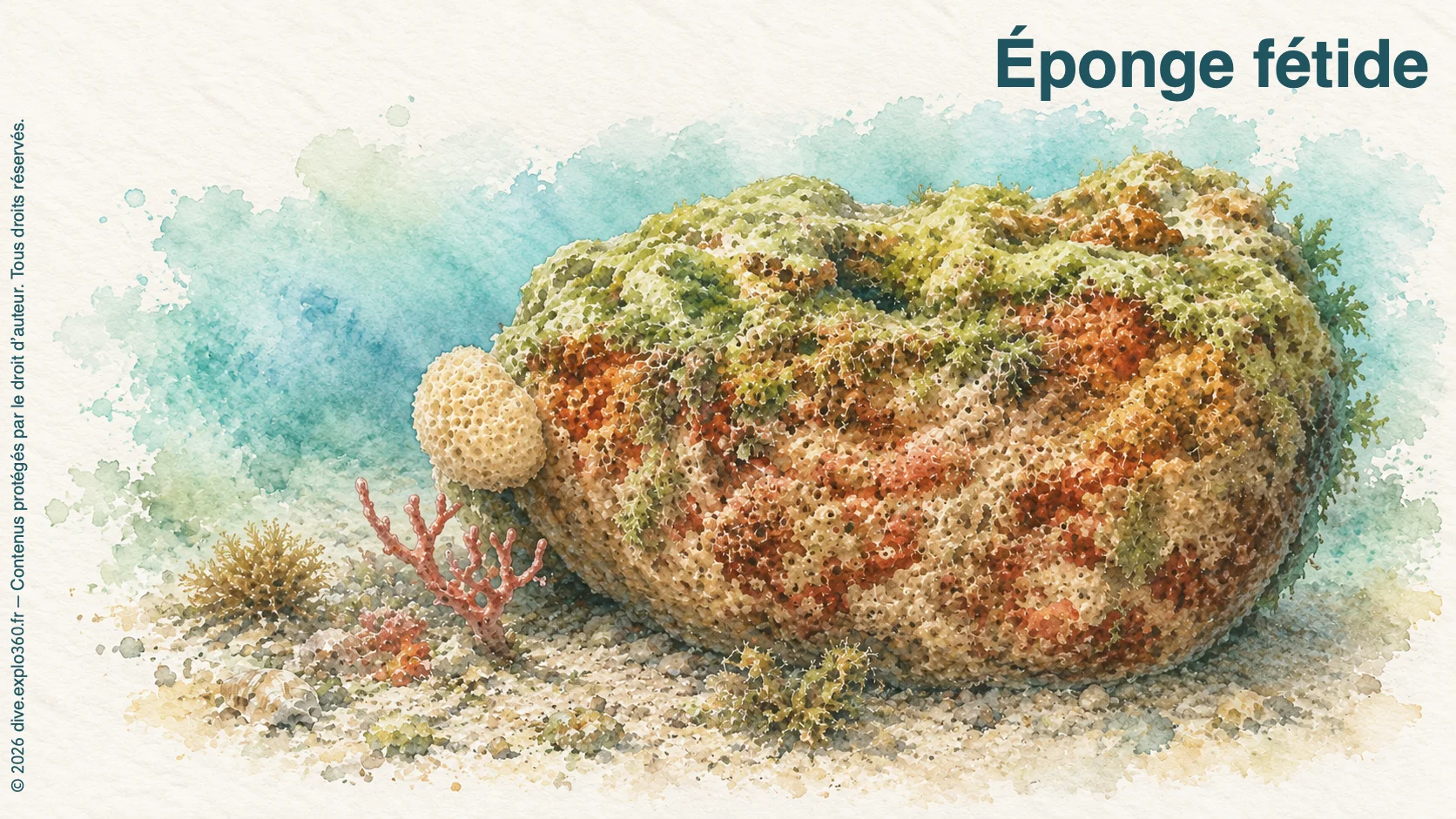
The fleshy sulphur-sponge (Suberites carnosus) forms a rounded mass that can resemble a cushion or a pear. It usually has one large opening at the top, the main visible opening, called an osculum.
Pale yellow to orange shades cover a smooth, slightly velvety surface. More irregular forms occur; resemblance to other Suberites sponges leaves some uncertainty in identification by sight.
WHERE DOES IT LIVE?
It lives on different types of seabed, on both rocky substrates and soft bottoms. It can attach to hard objects in sedimentary areas. It occurs at different depths, generally in calm to moderately exposed environments.
WHAT DOES IT EAT?
The ball sponge feeds by filtering seawater. Water enters through tiny pores spread across its surface. Inside the body, cells capture bacteria and other food particles carried by the water. The current is maintained by the movement of small filaments on certain cells. Filtered water leaves through the large opening usually visible at the top of the sponge, called the osculum. This opening carries water out rather than drawing food in.
GO FURTHER WITH AMIGANSEAU
Unlock the full profile
Deepen your knowledge with the exclusive chapters and interactive resources included in an AMIGANSEAU licence.
Subscribing to Dive.Explo360 means supporting a different way to discover marine life.
Our independent platform is entirely self-funded and relies solely on subscriptions. Every licence helps us continue our work, create new content, and share what we know about the marine world with as many people as possible.
Starting at €80 per year, your support makes all the difference.

 Understand the species