


Choose a group to browse its species.
In the Mediterranean, many brown algae grow on rock. Their fronds give small animals places to shelter and surfaces to cling to.
Red algaMany red algae grow in deeper water or in shade. Some form crusts or branching growths that provide habitat for other species.
Green algaGreen algae use sunlight to grow. They release oxygen during photosynthesis and provide food for grazing animals.
BryozoanBryozoans are tiny animals that live in colonies attached to underwater surfaces. Some colonies form hard crusts, while others grow into flexible branches that give small organisms a place to settle or shelter.
CnidarianJellyfish, sea anemones and corals are cnidarians. Their stinging cells help them catch prey or defend themselves.
CrustaceanCrabs and shrimps are crustaceans. On the seabed, some hunt or graze, while others feed on scraps.
MolluscMussels, sea snails and octopuses are all molluscs. They live in many habitats and feed in very different ways, from filtering particles to hunting prey.
PlanktonMacroplankton includes larger drifting organisms you can see with the naked eye. Currents carry them through the water, where they feed and are eaten.
Flowering plantMarine flowering plants such as Cymodocea and Posidonia form seagrass meadows. Their leaves release oxygen and shelter animals, while their roots and rhizomes help hold the sediment in place.
Benthic fishBenthic fish live in close contact with the seabed. Look for them resting on rock, tucked into crevices or buried in sand.
Demersal fishDemersal fish spend much of their time swimming close to the seabed, in the layer of water just above it.
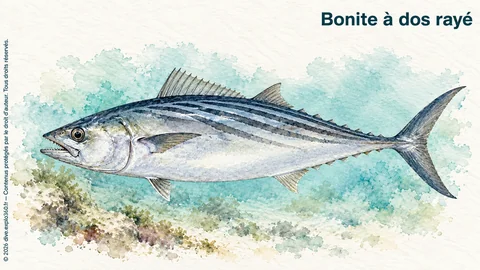
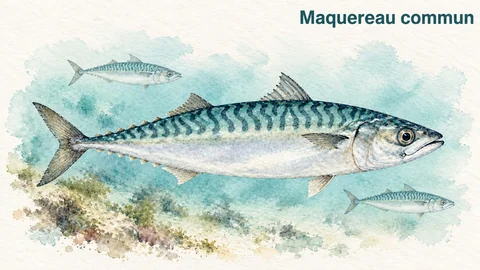
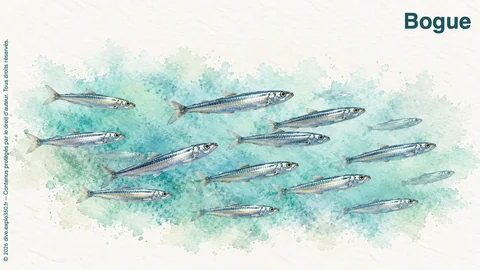
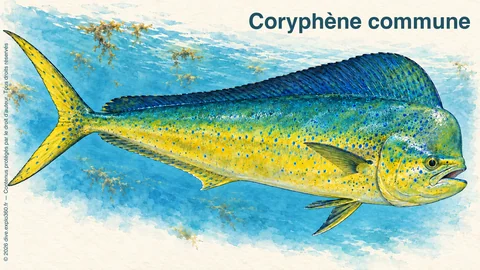
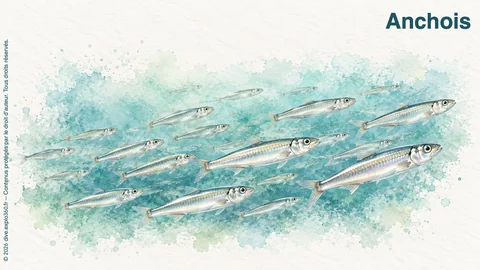
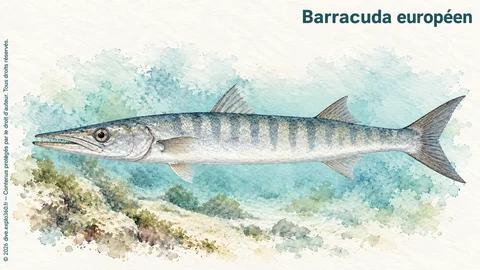
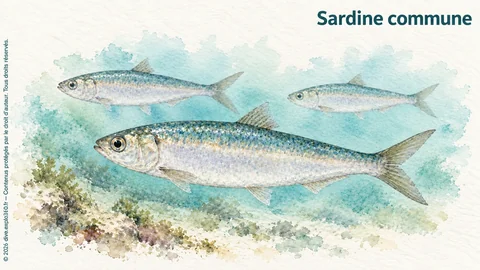
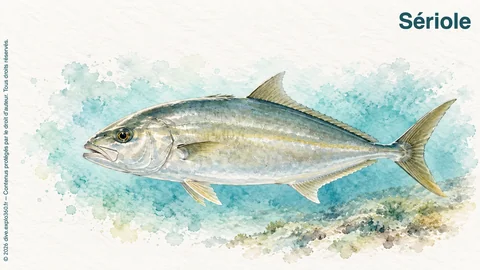
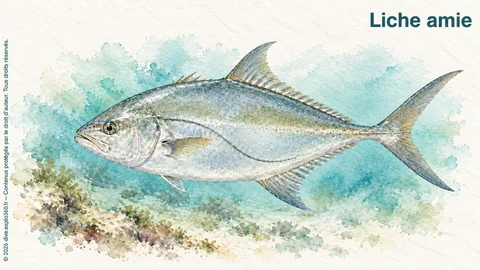
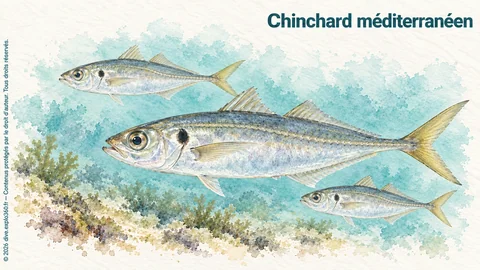
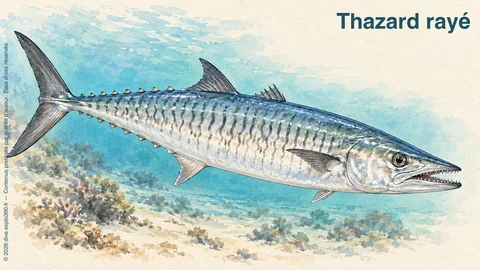
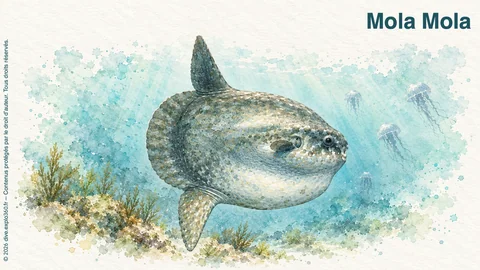
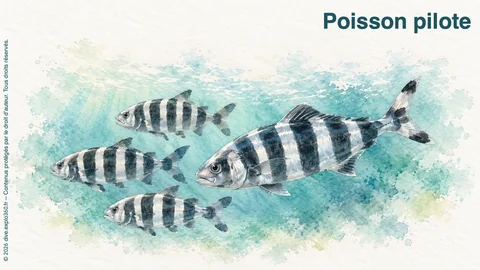
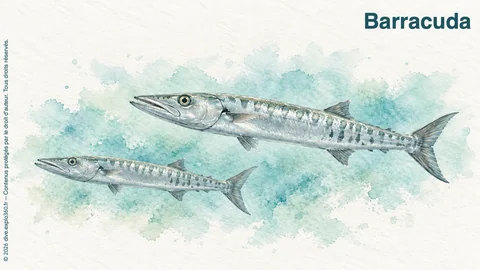
Pelagic fishPelagic fish live in open water. Many swim in schools and pass energy through the food web as they feed and are eaten.
RayRays have flattened bodies and broad pectoral fins. Stingrays often stay near the seabed, while mantas swim in open water. See the species guides for details.
SharkSharks have skeletons made of cartilage. Some rest near the seabed, while others roam through open water. What they eat and how they hunt vary by species.
TunicateMany tunicates, including sea squirts, grow attached to rock or other hard surfaces. They draw in water and filter out food particles, helping recycle organic matter in coastal waters.
WormMarine worms live in sediment, among rocks and in crevices. Many help recycle organic matter as they feed.
EchinodermSea stars and sea urchins are echinoderms. They live on the seabed, where different species hunt, graze or feed on organic material.
SpongeSponges grow on the seabed and feed by drawing water through their bodies. They trap tiny food particles and provide habitat for other organisms.

 Video
 Photos
 VideoPhotos
 Video
 VideoPhotos
 Video
 Video
 VideoPhotos