


 Habitat
 Depth
 Group
 Role
 Average size
 Good to know
WHAT DOES IT LOOK LIKE?
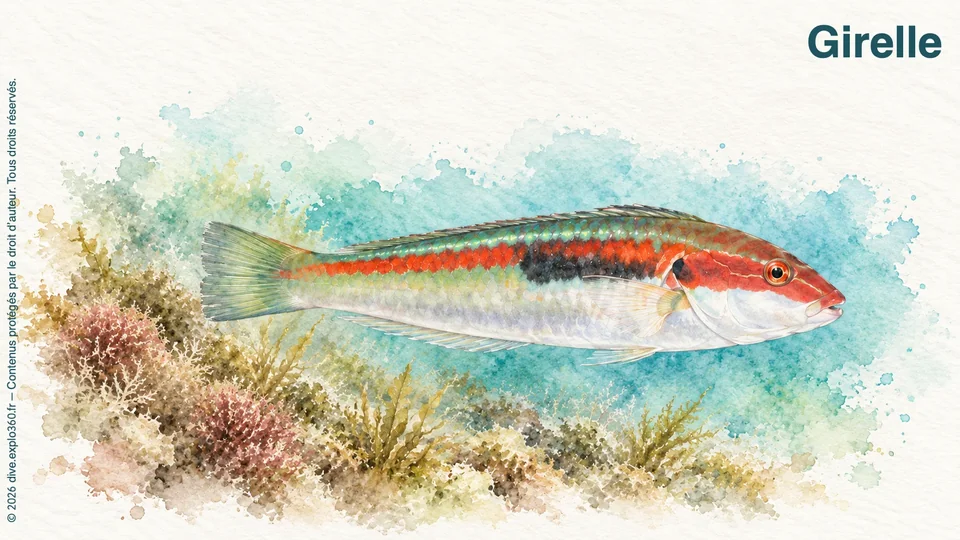
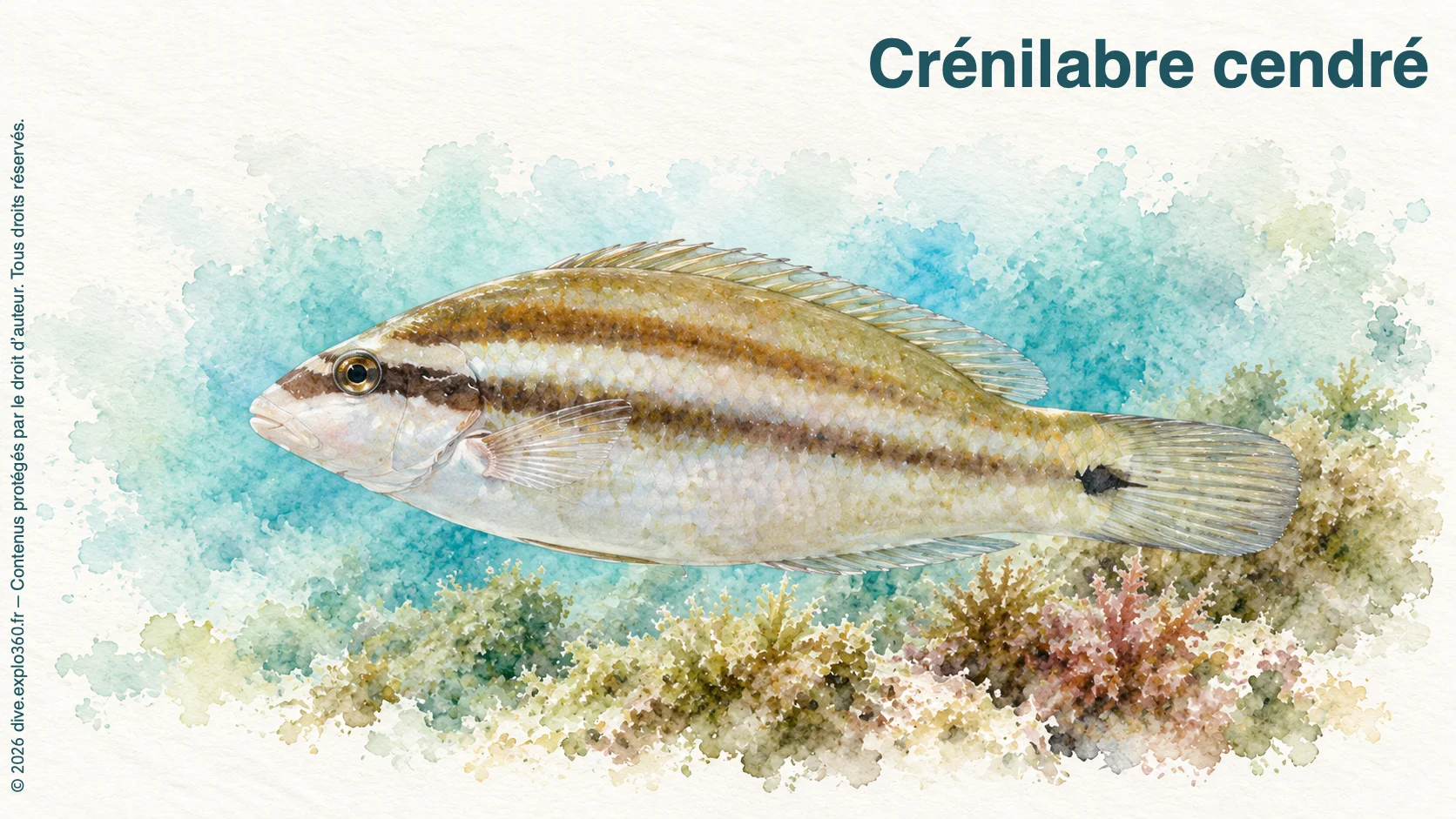
The Mediterranean rainbow wrasse (Coris julis) may show a white stripe against brown or a much brighter colour pattern. The first appearance belongs to females and some young males. In colourful males, the green or blue back sits above an orange zigzag on the flank, accompanied by a broad black patch.
This difference in colouring leaves the slender, elongated, almost cylindrical outline unchanged. The fin along the back is taller at the front in colourful males.
WHERE DOES IT LIVE?
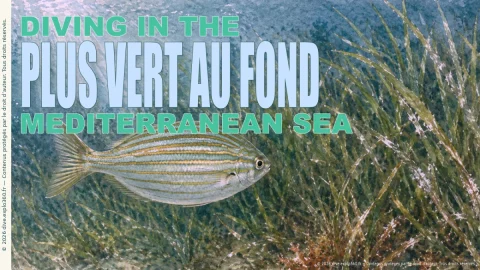
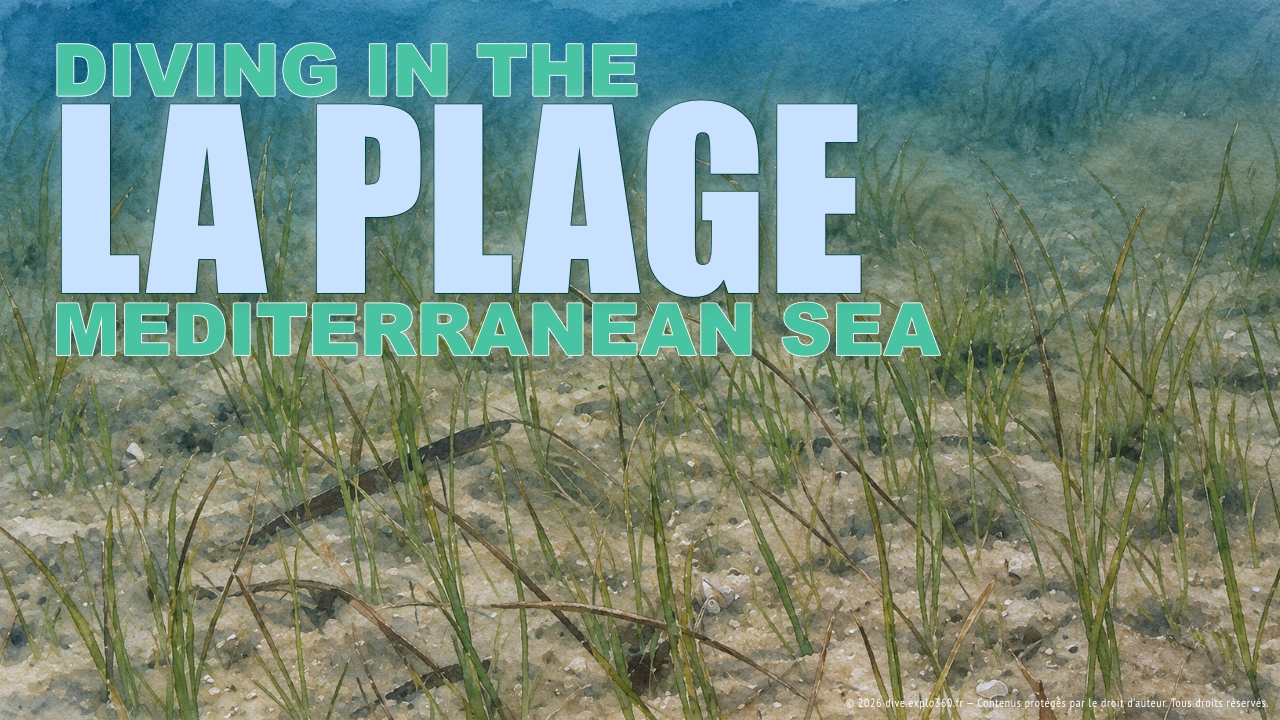
It frequents shallow coastal areas, particularly Neptune grass meadows and rocky seabeds with plenty of hiding places. It occurs from the surface down to several tens of metres deep.
WHAT DOES IT EAT?
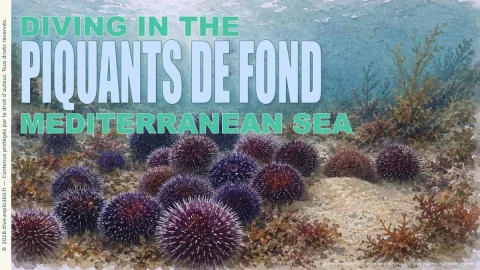
A small bite, a few fin strokes, then another: the rainbow wrasse gathers meals while searching the seabed. Its carnivorous diet includes gastropods, shrimps, annelid worms, amphipods and isopods; it also eats sea urchins. These varied prey are found at many points close to the substrate.
GO FURTHER WITH AMIGANSEAU
Unlock the full profile
Deepen your knowledge with the exclusive chapters and interactive resources included in an AMIGANSEAU licence.
Subscribing to Dive.Explo360 means supporting a different way to discover marine life.
Our independent platform is entirely self-funded and relies solely on subscriptions. Every licence helps us continue our work, create new content, and share what we know about the marine world with as many people as possible.
Starting at €80 per year, your support makes all the difference.



 Understand the species