


 Habitat
 Depth
 Group
 Role
 Average size
WHAT DOES IT LOOK LIKE?
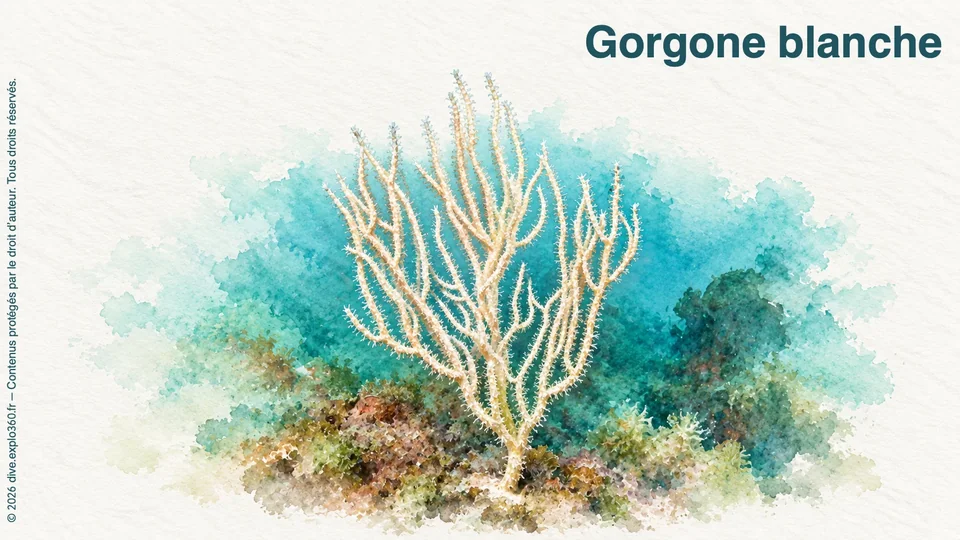
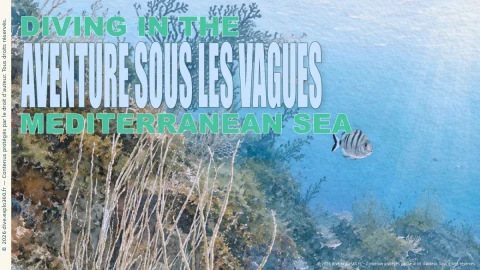
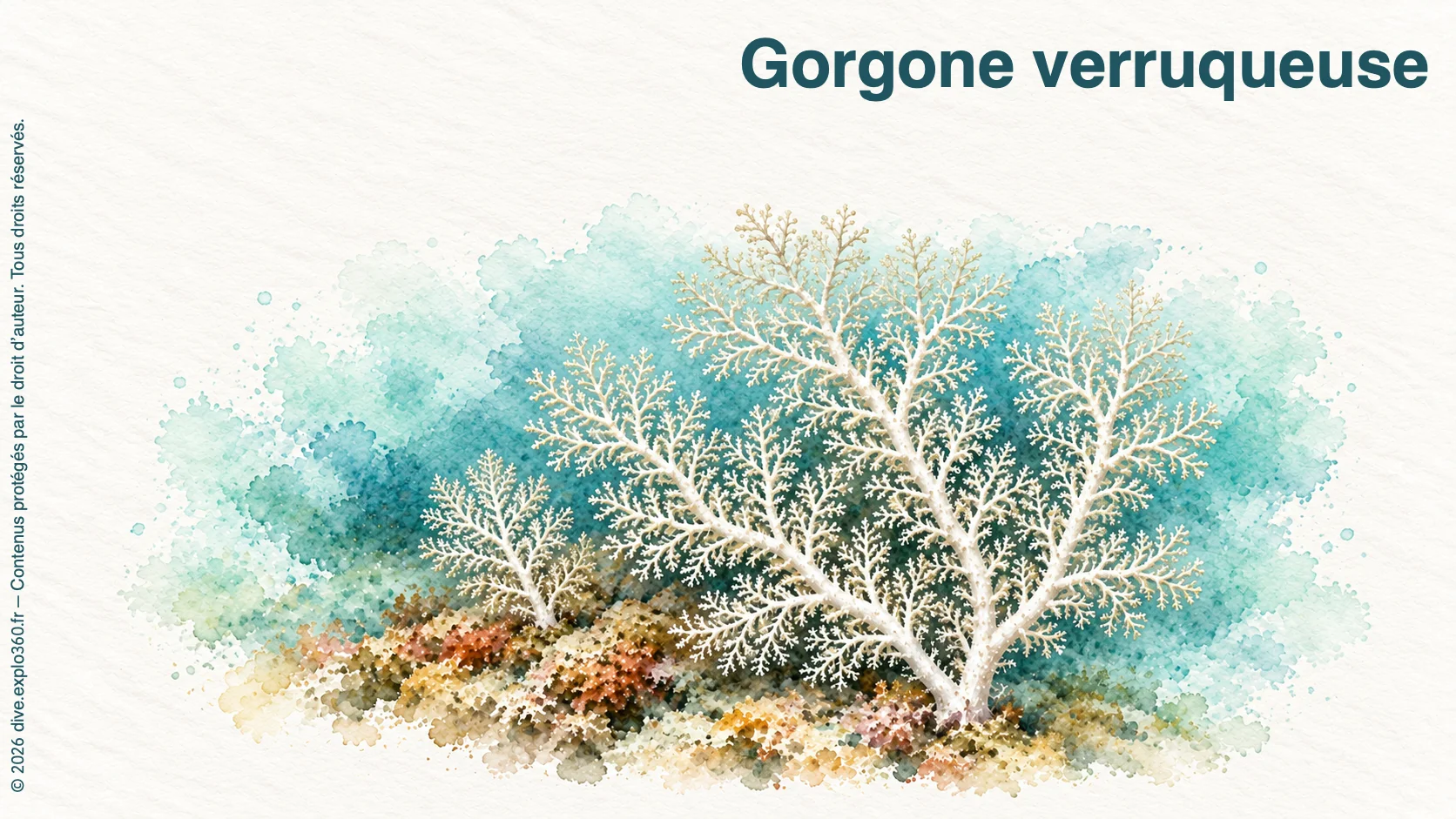
The white gorgonian (Eunicella singularis) forms an open framework of long, often parallel branches with few subdivisions. Their directions do not always remain in one plane.
White belongs to the branch covering. The polyps, the small animals of the colony, have a brownish translucence, sometimes tinged with yellow or green. The branches meet in a widened base at the attachment point.
WHERE DOES IT LIVE?
It grows on hard substrates such as rocks or boulders, sometimes resting on stabilised sandy seabeds. It is encountered in the Mediterranean, mainly from the first few metres down to a few tens of metres deep, in areas exposed to moderate or steady currents.
WHAT DOES IT EAT?
The white gorgonian’s tentacles collect passing plankton and organic particles. Each polyp provides a capture point along the branches. The food you see it catch is only part of its diet. Symbiotic microalgae can also supply some of the substances they produce using light. This dual input distinguishes the white gorgonian from sea fans without these partners. The balance is not fixed, since light, depth and available food affect the resources accessible to a colony.
GO FURTHER WITH AMIGANSEAU
Unlock the full profile
Deepen your knowledge with the exclusive chapters and interactive resources included in an AMIGANSEAU licence.
Subscribing to Dive.Explo360 means supporting a different way to discover marine life.
Our independent platform is entirely self-funded and relies solely on subscriptions. Every licence helps us continue our work, create new content, and share what we know about the marine world with as many people as possible.
Starting at €80 per year, your support makes all the difference.
 Understand the species