


 Habitat
 Depth
 Group
 Role
WHAT DOES IT LOOK LIKE?
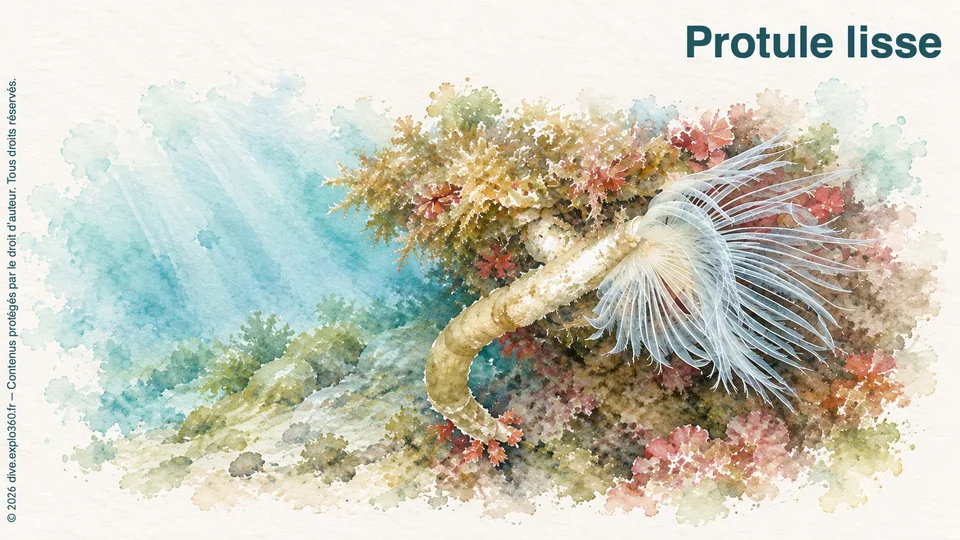
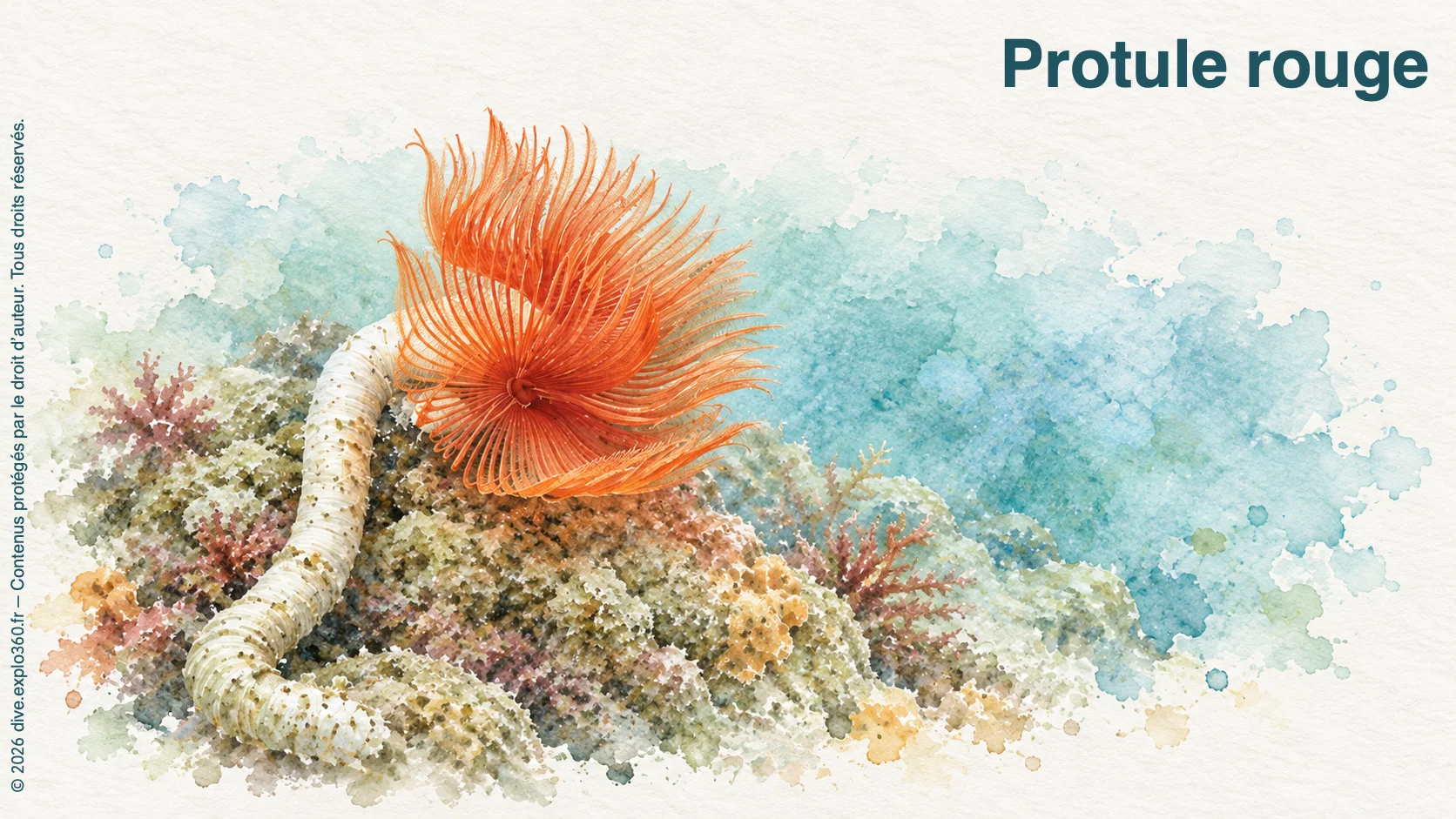
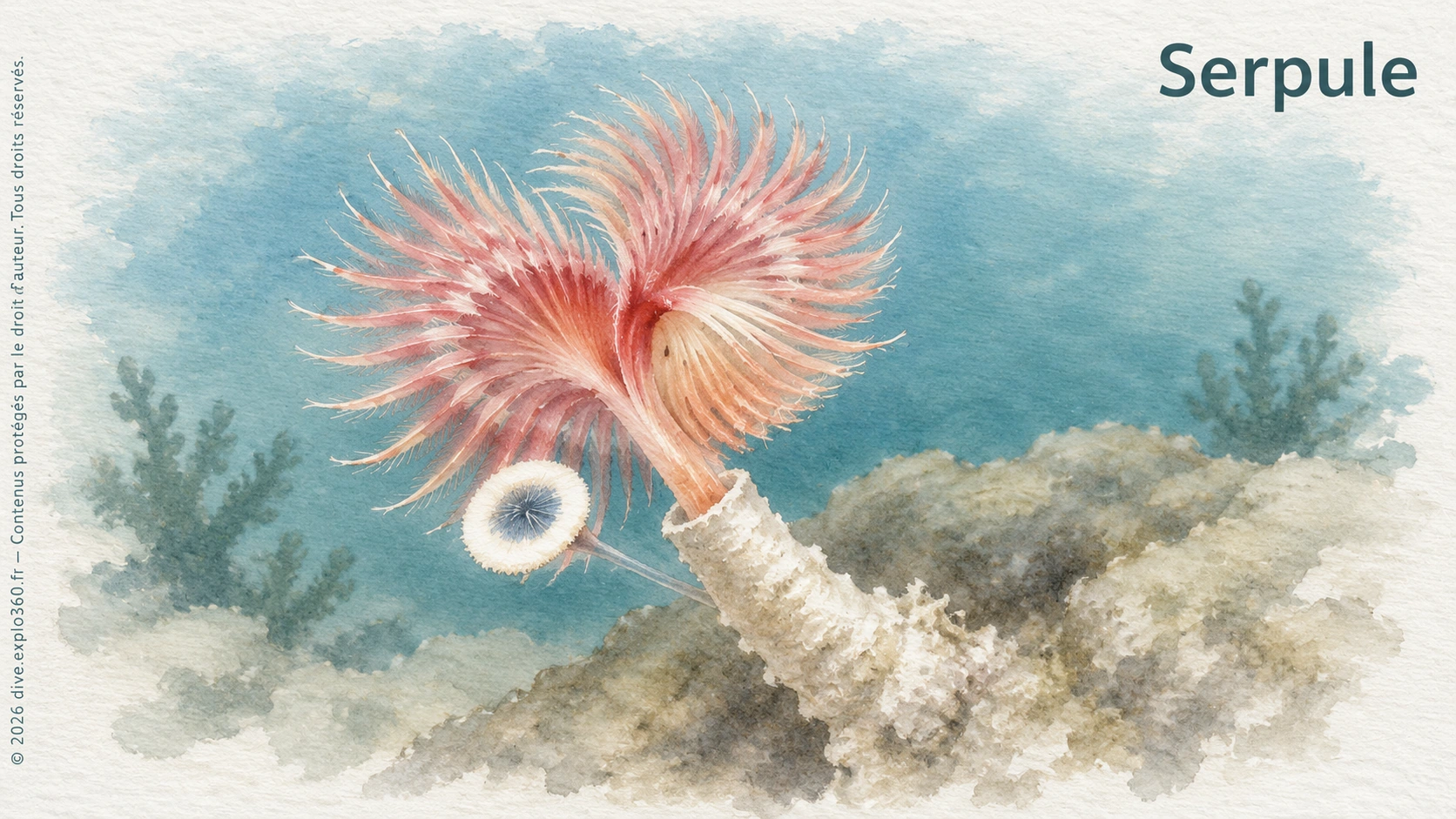
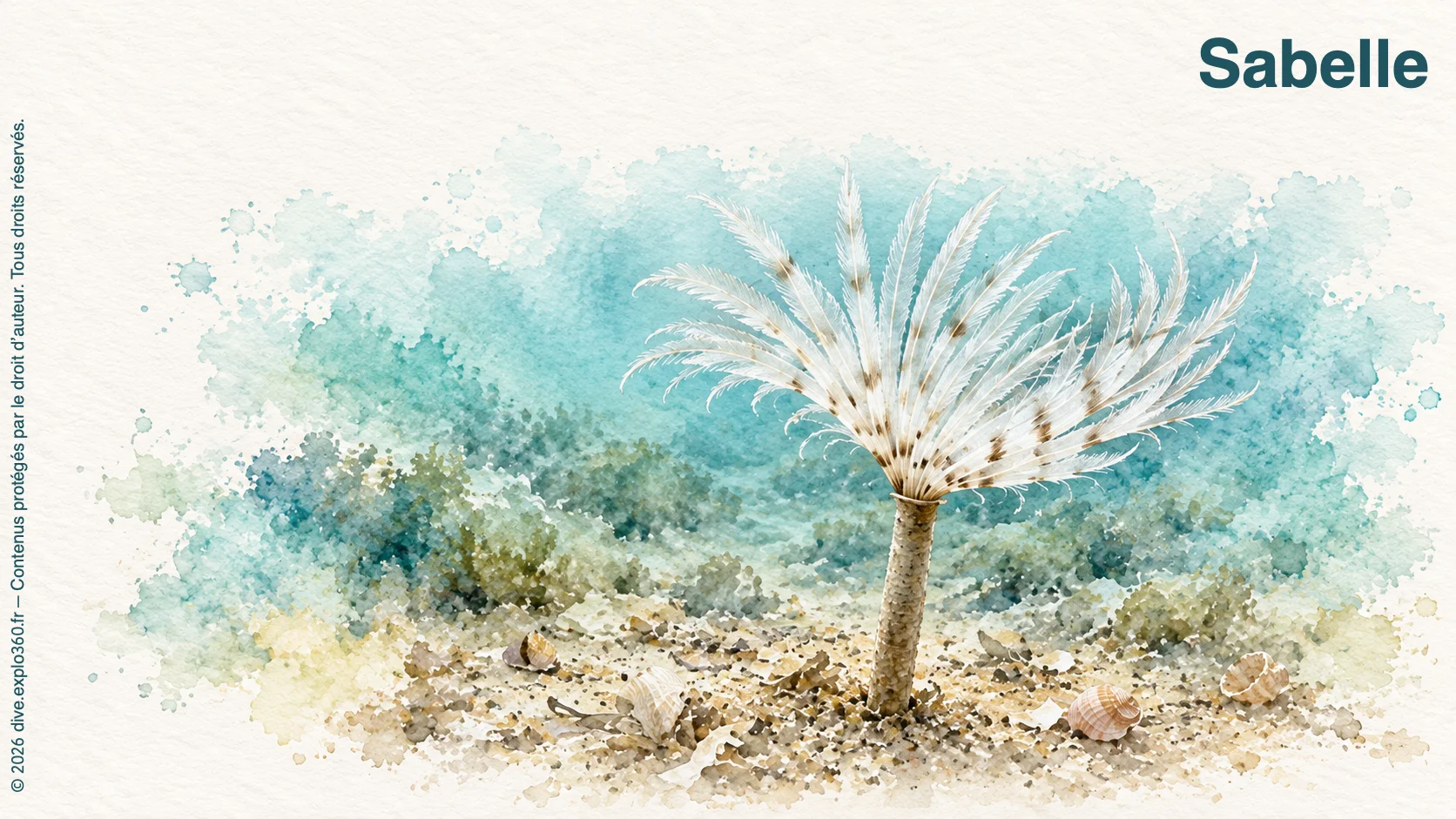
The smooth tubeworm (Protula tubularia) displays a U-shaped double fan above a hard tube. Fine feathery filaments make up the often white crown.
Most of the worm’s body is concealed by its calcareous tube. No operculum, the little lid that closes the opening in other tube-dwelling worms, ends this crown.
WHERE DOES IT LIVE?
It lives attached to hard supports such as rocks, coralligenous seabeds or other submerged structures. It occurs from shallow water to deeper areas, sometimes beyond one hundred metres.
WHAT DOES IT EAT?
The smooth calcareous tubeworm’s meal consists of small waterborne particles. Mucus on the crown traps them, and cilia carry them towards the mouth. Feeding is subtle: exposed filaments are visible, while the particles moving across them are tiny. The worm remains in its tube. An expanded crown shows the collecting apparatus in position without revealing each ingestion. Sudden withdrawal removes that surface from the water and interrupts its opportunity to collect food.
GO FURTHER WITH AMIGANSEAU
Unlock the full profile
Deepen your knowledge with the exclusive chapters and interactive resources included in an AMIGANSEAU licence.
Subscribing to Dive.Explo360 means supporting a different way to discover marine life.
Our independent platform is entirely self-funded and relies solely on subscriptions. Every licence helps us continue our work, create new content, and share what we know about the marine world with as many people as possible.
Starting at €80 per year, your support makes all the difference.

 Understand the species