


 Habitat
 Depth
 Group
 Role
 Average size
WHAT DOES IT LOOK LIKE?
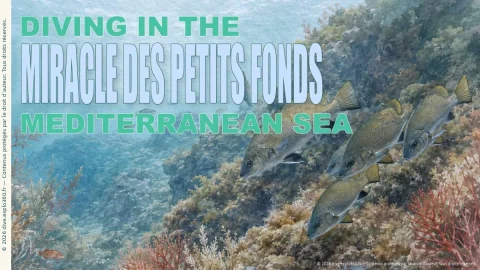
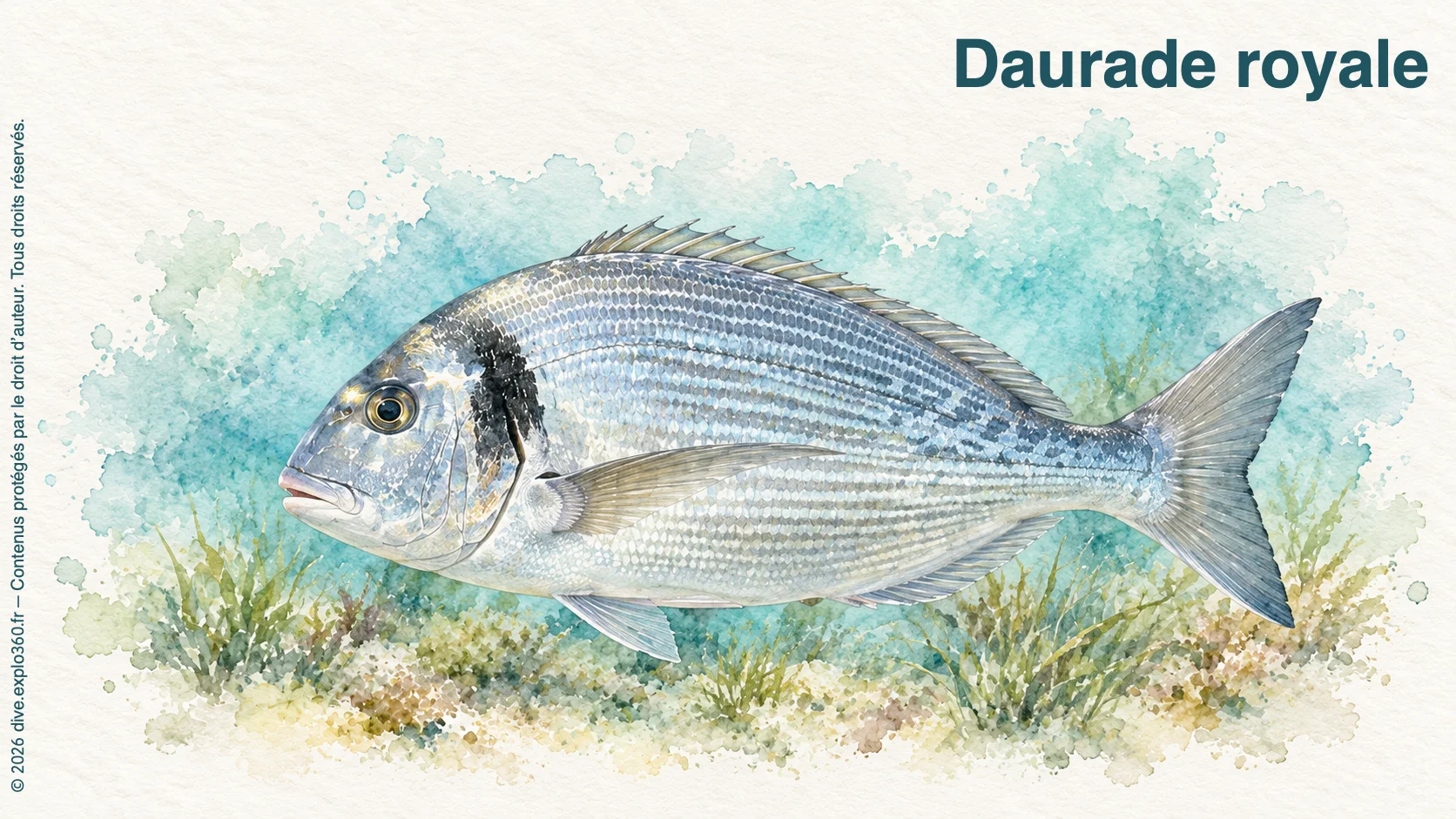
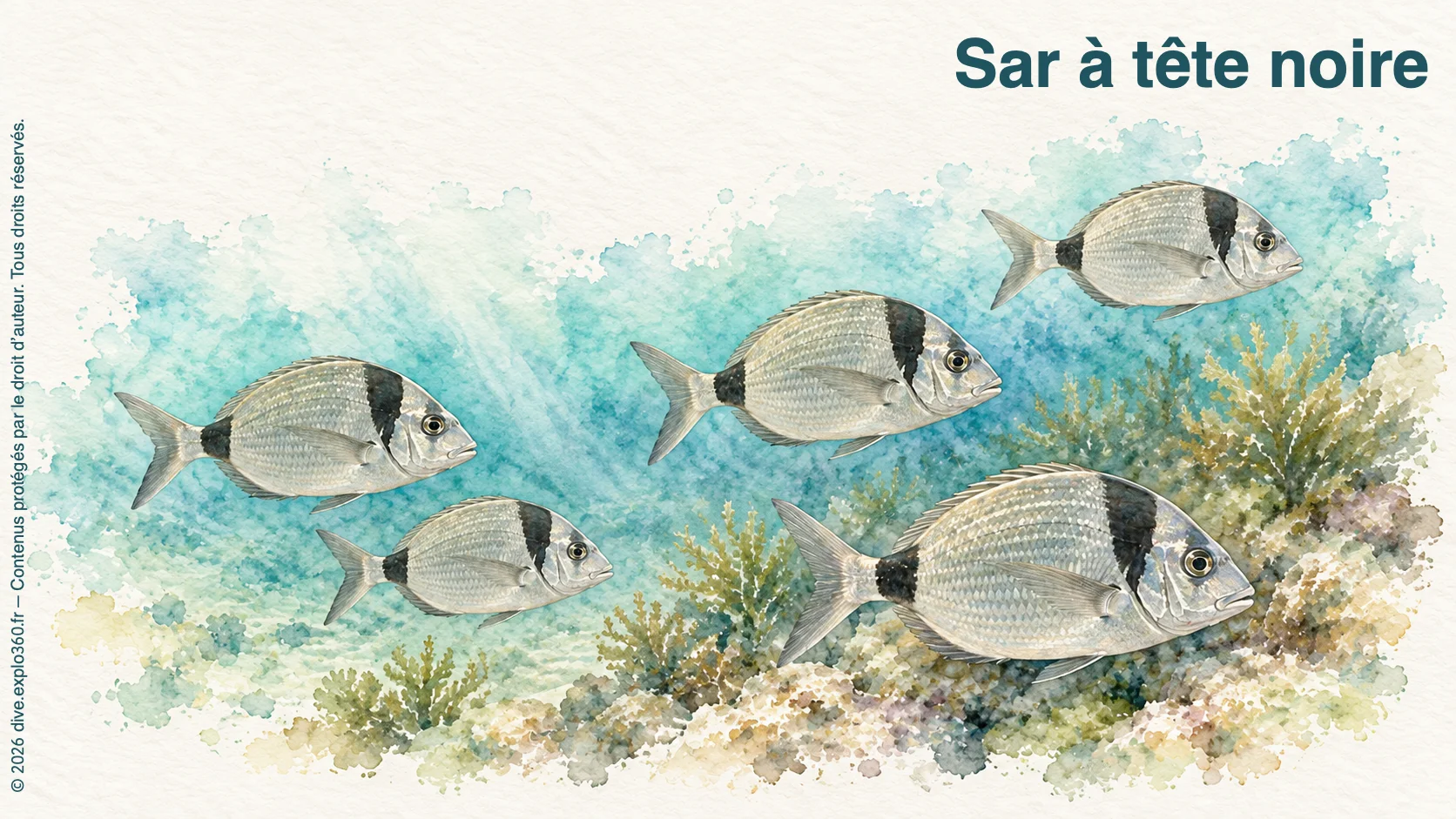
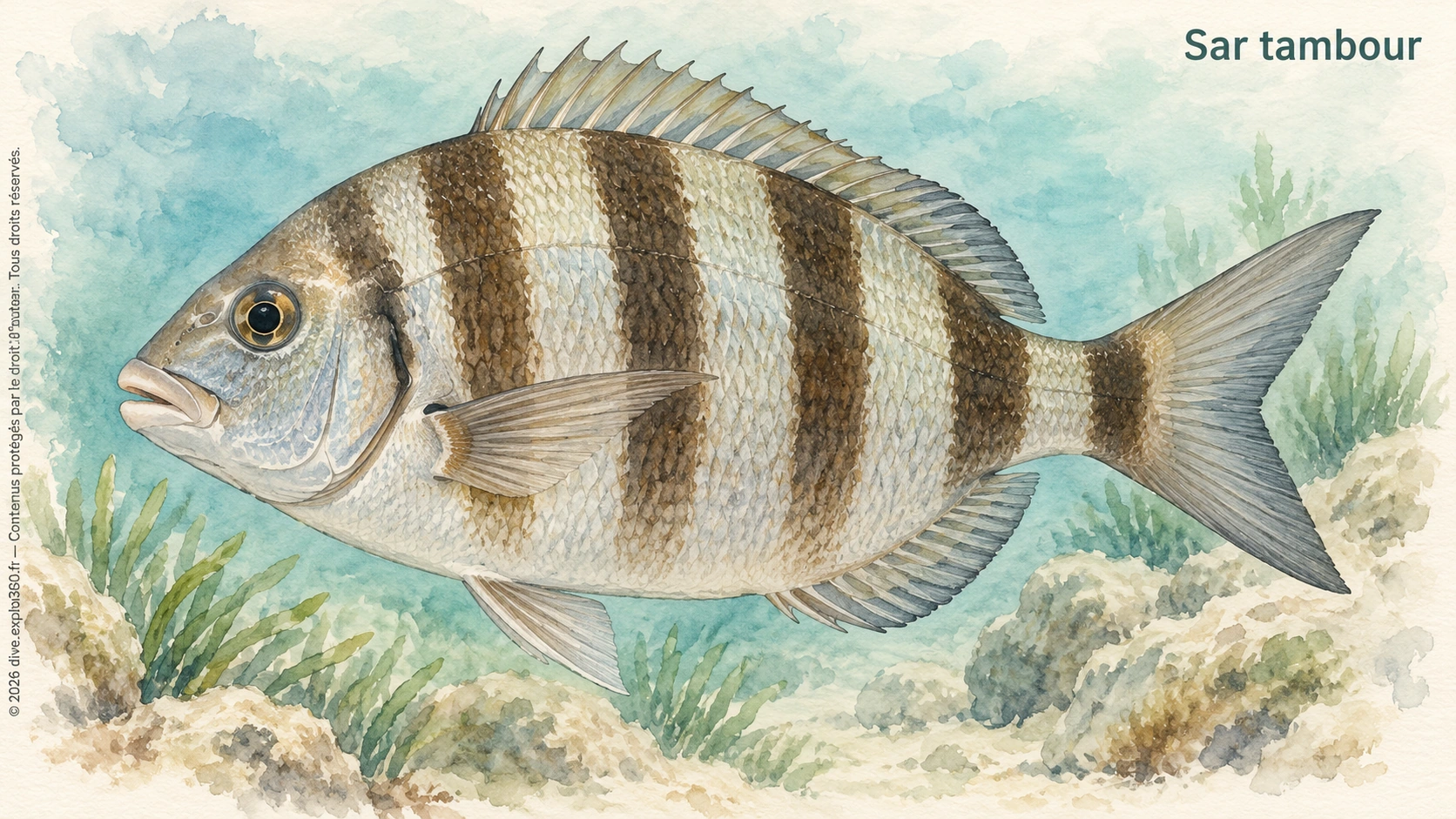
Silver flanks end in a black tail-base patch in the white seabream (Diplodus sargus). Its oval body is flattened from side to side and may reflect golden or greenish shades.
Dark vertical bars differ in visibility. Often clearer in young fish, they do not form a constant striped pattern in every individual.
WHERE DOES IT LIVE?
It frequents coastal areas over varied seabeds: rocks, seagrass beds and mixed areas. The young often occupy very shallow water, while adults may move to deeper areas depending on conditions.
WHAT DOES IT EAT?
White seabream can remove and crush animals protected by hard coverings. Mussels and sea urchins are characteristic foods; robust molars provide access to tissues through shells and tests. Crabs, shrimps and worms supplement meals. Juveniles use smaller prey and have a more omnivorous diet that may include algae. Growth changes the range of resources used.
GO FURTHER WITH AMIGANSEAU
Unlock the full profile
Deepen your knowledge with the exclusive chapters and interactive resources included in an AMIGANSEAU licence.
Subscribing to Dive.Explo360 means supporting a different way to discover marine life.
Our independent platform is entirely self-funded and relies solely on subscriptions. Every licence helps us continue our work, create new content, and share what we know about the marine world with as many people as possible.
Starting at €80 per year, your support makes all the difference.


 Understand the species