Diving into a living, connected world
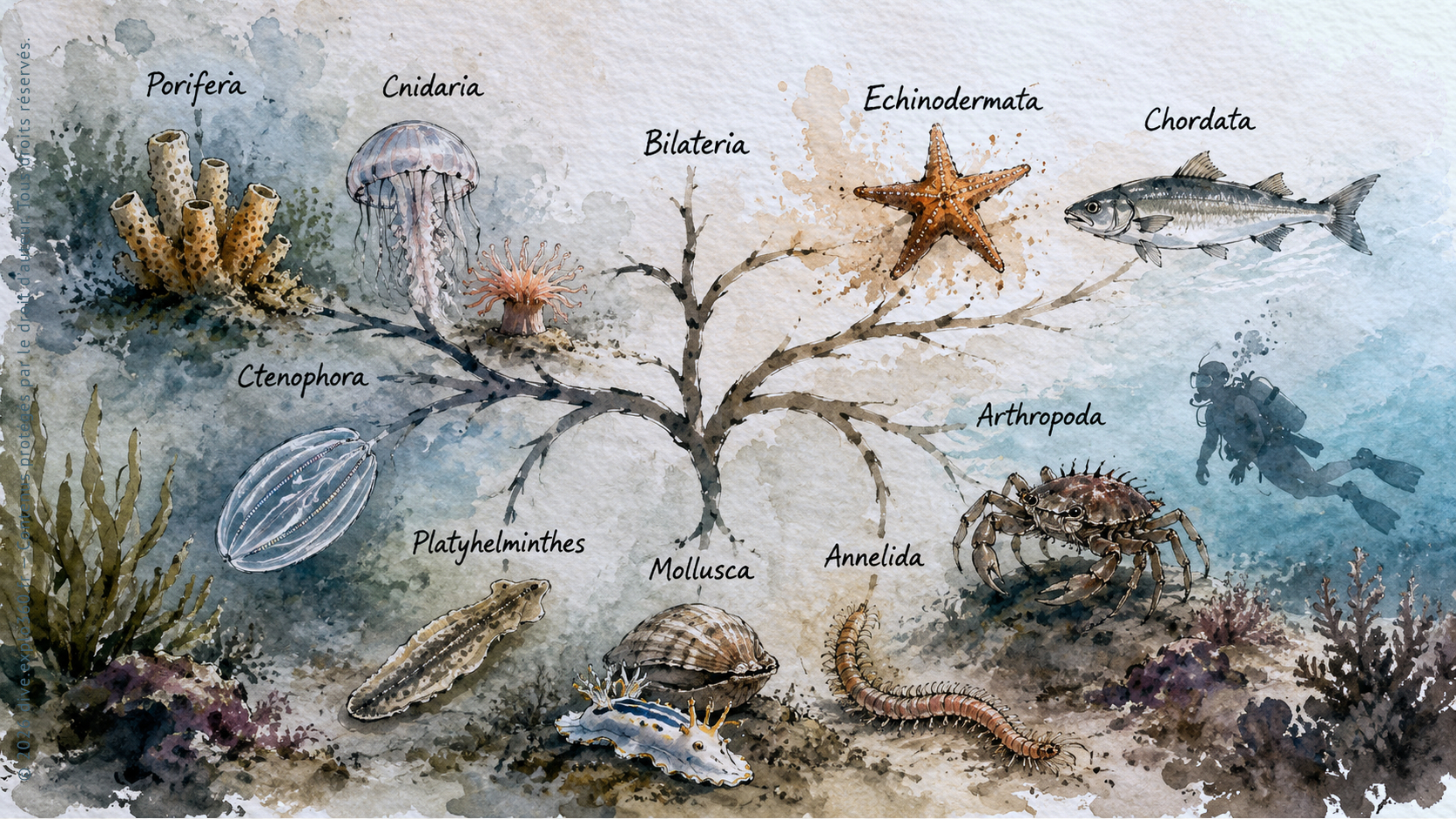
When observing an animal, ask two questions: which group does it belong to, and how does it feed? These pieces of information complement each other.
Algae and plants
Sponges
Cnidarians
Bryozoans
Molluscs
Crustaceans
Echinoderms
Tunicates
Fish
Primary producers
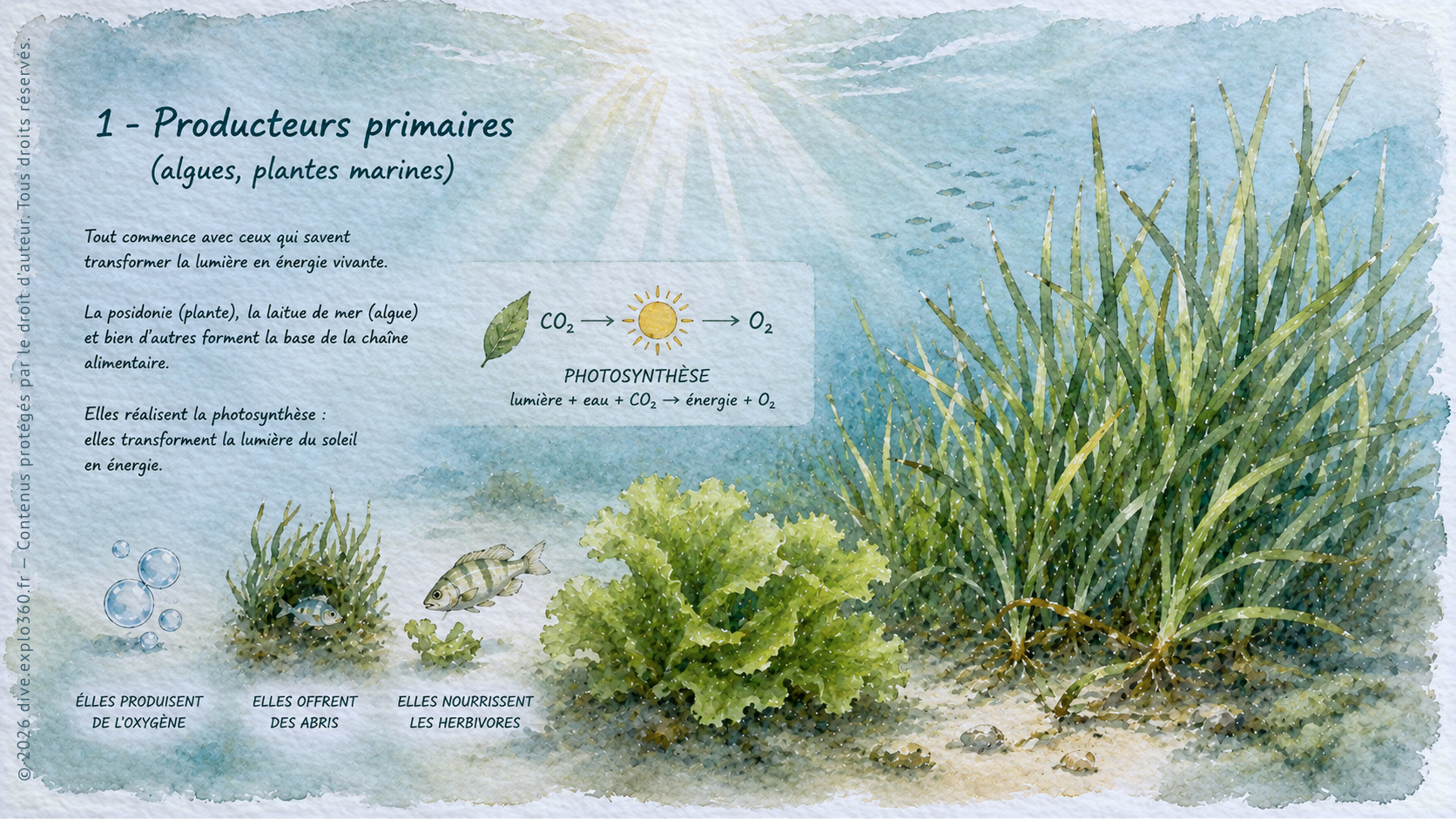
Through photosynthesis, plants and many algae use light to make organic matter. They also release oxygen. Other organisms can feed on the organic matter they make.
GO FURTHER WITH AMIGANSEAU
Continue reading
Discover full species guides, in-depth content and interactive tools available with your licence.
Dive.Explo360 is an independent, self-funded nonprofit. Every licence helps us create new content, improve our teaching tools and keep some of our resources free and ad-free.
Choose a licence that suits your needs for personal, educational or professional use.
Open-access resources remain available without a subscription.
Explore the same world
Explore further
Habitats
Species guides
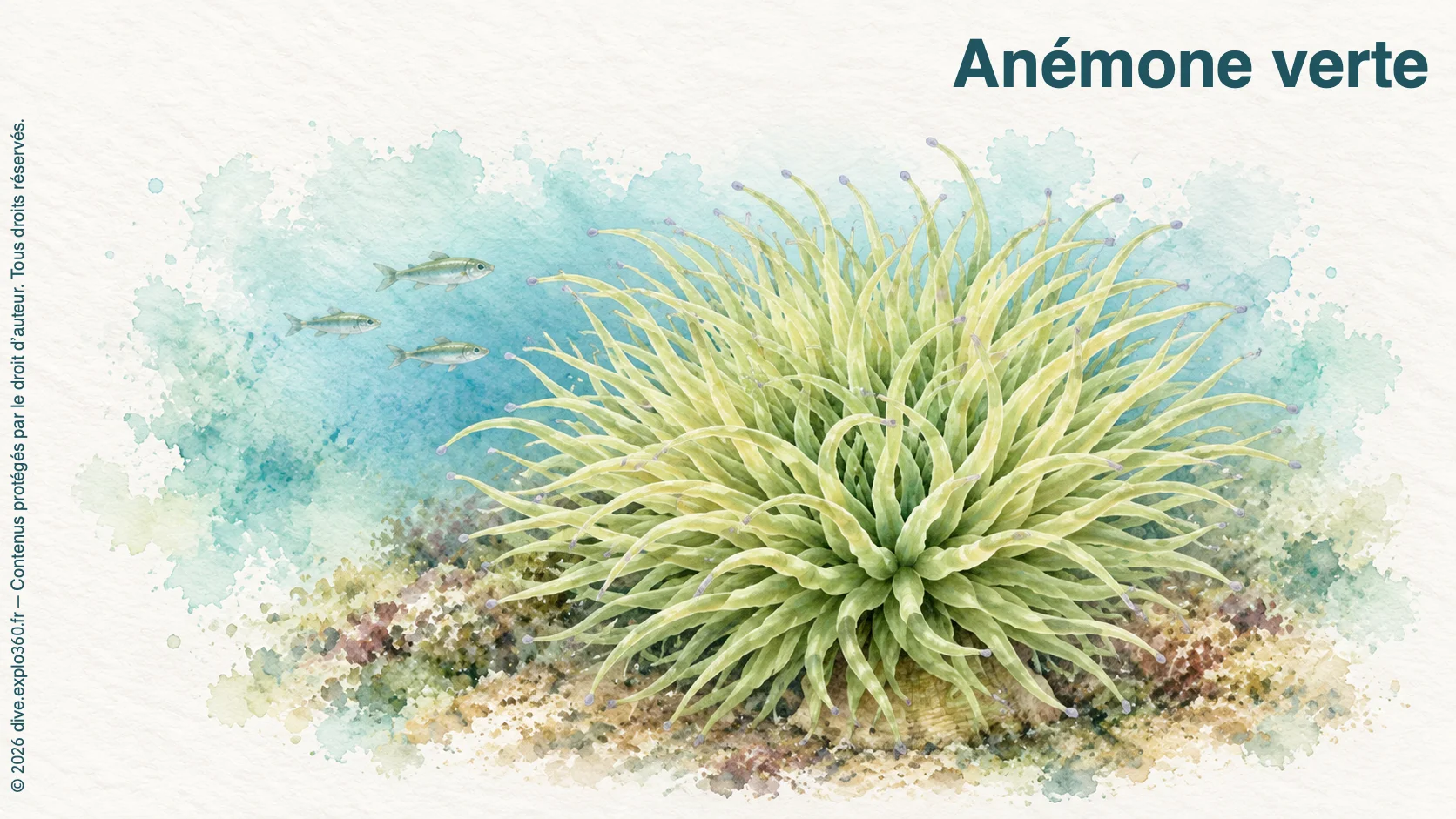 Species guidesSnakelocks AnemoneDiscover →
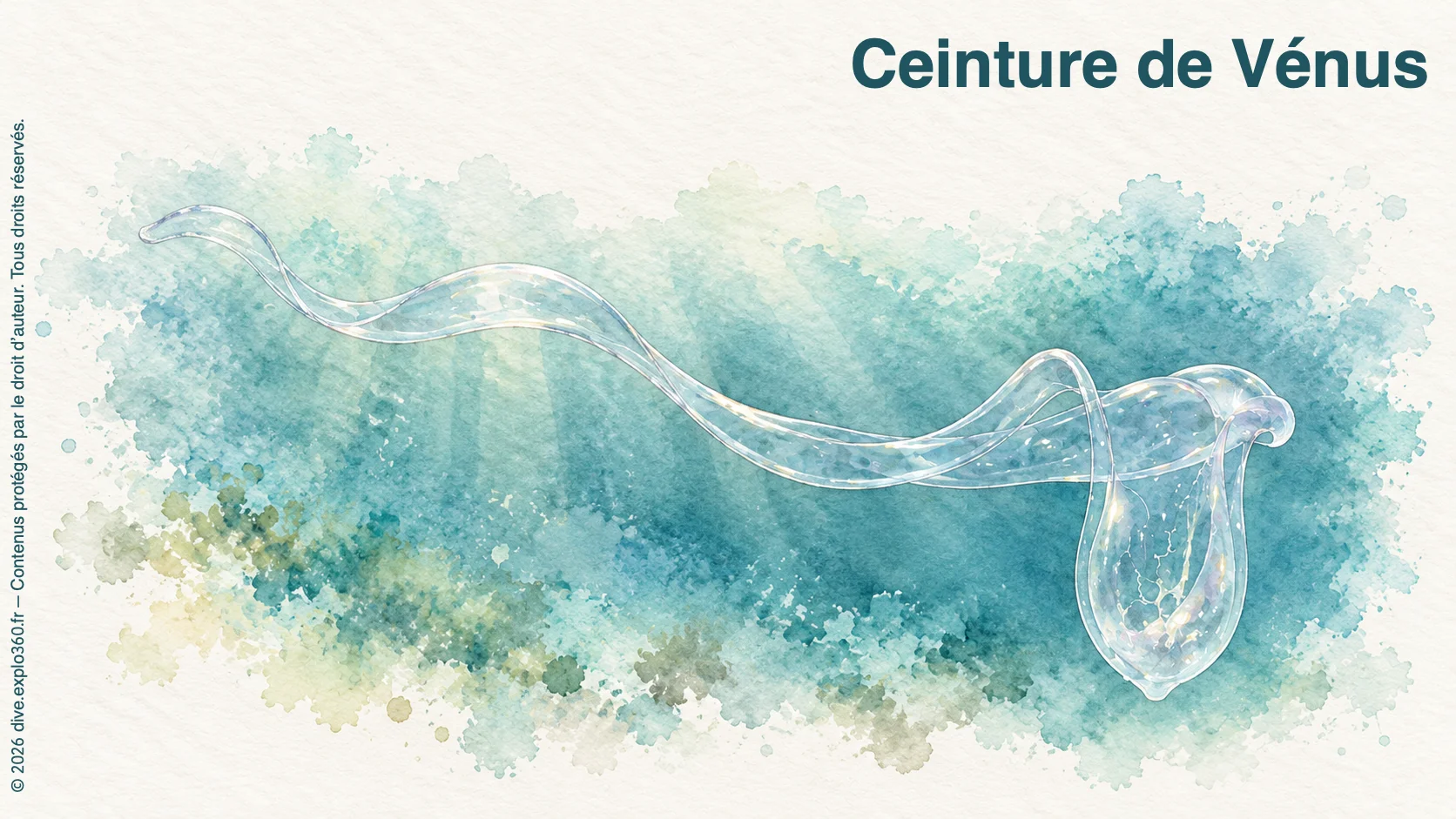 Species guidesVenus' GirdleDiscover →
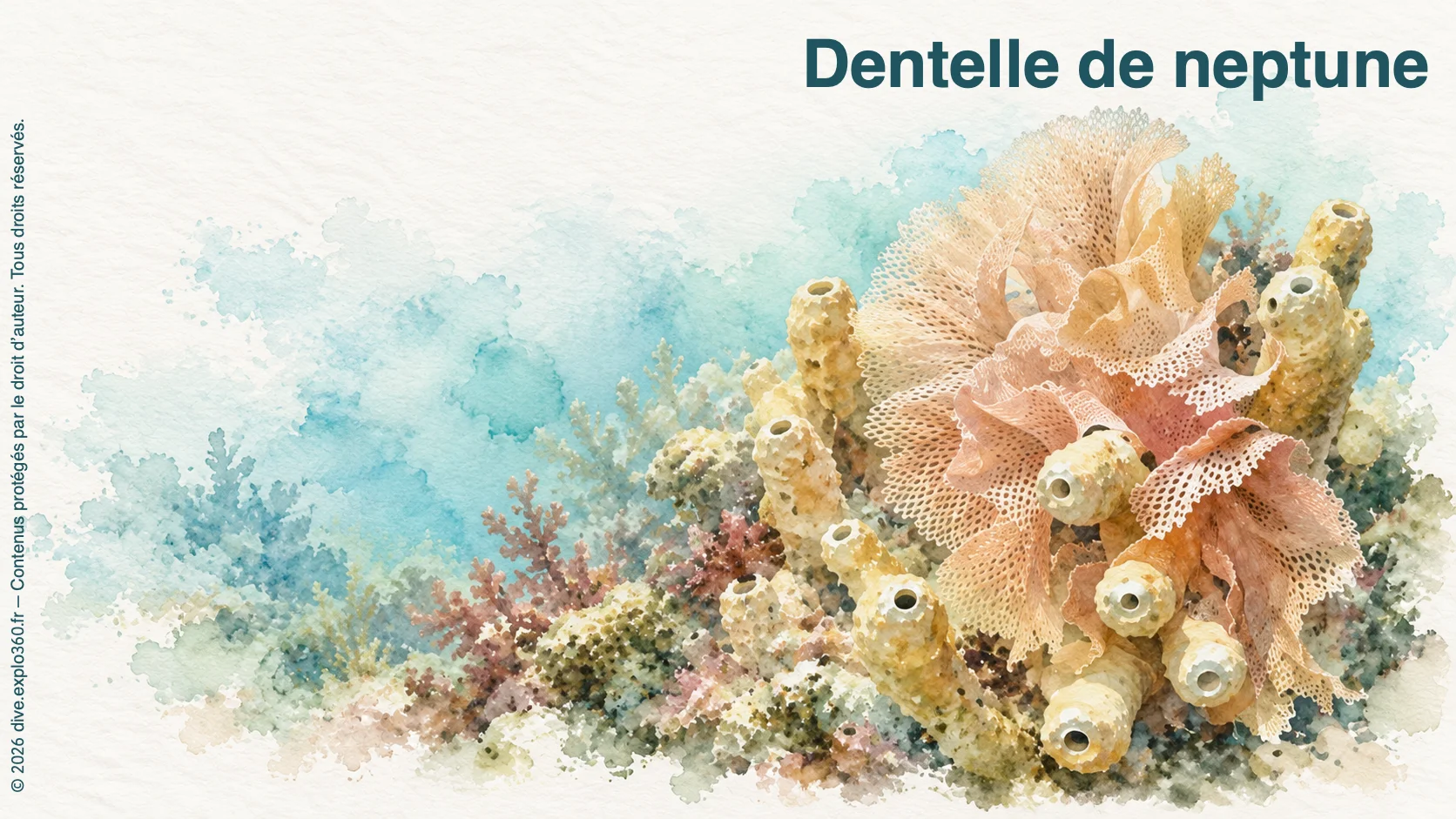 Species guidesNeptune's LaceDiscover →
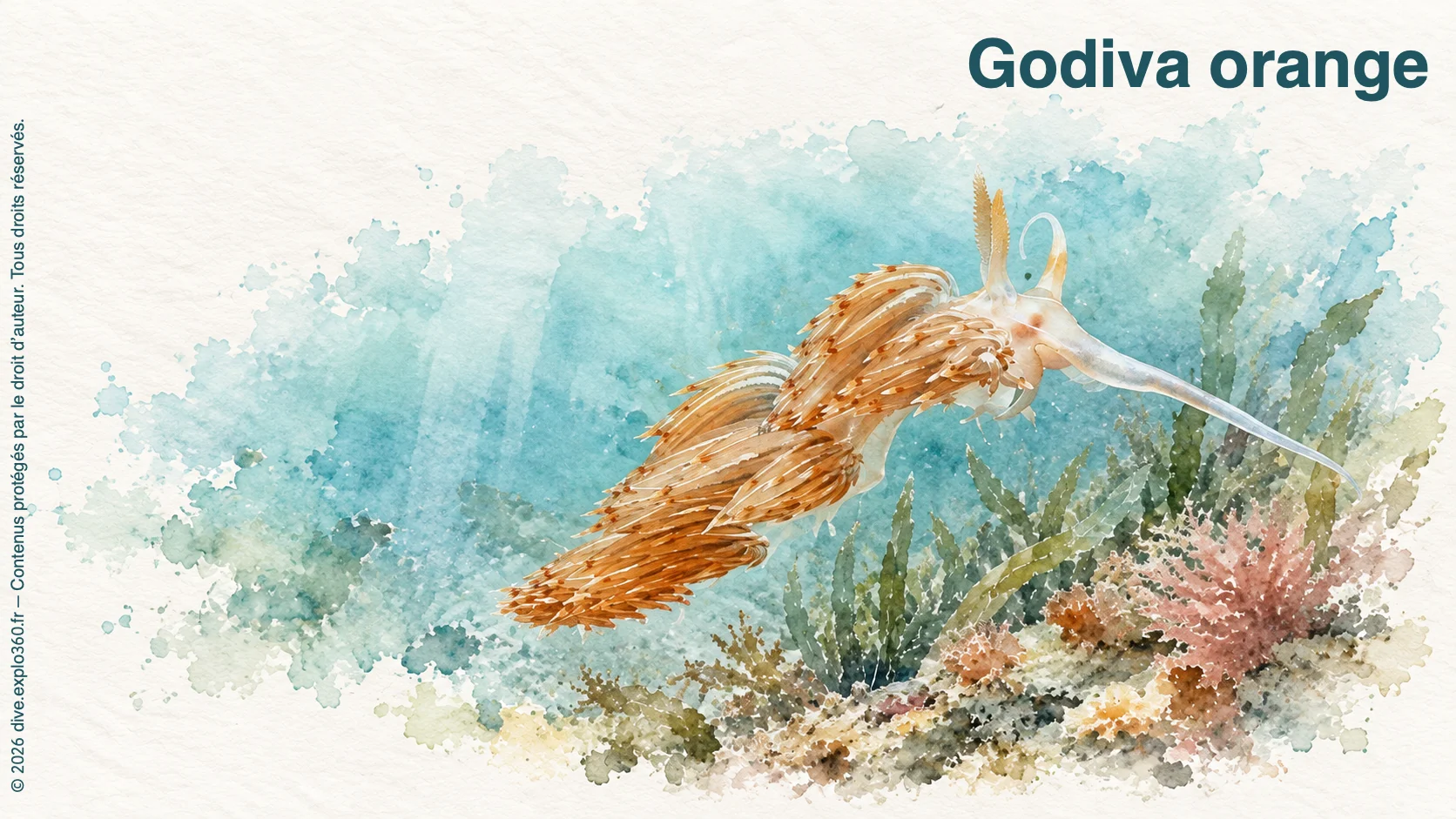 Species guidesBanyuls AeolidDiscover →
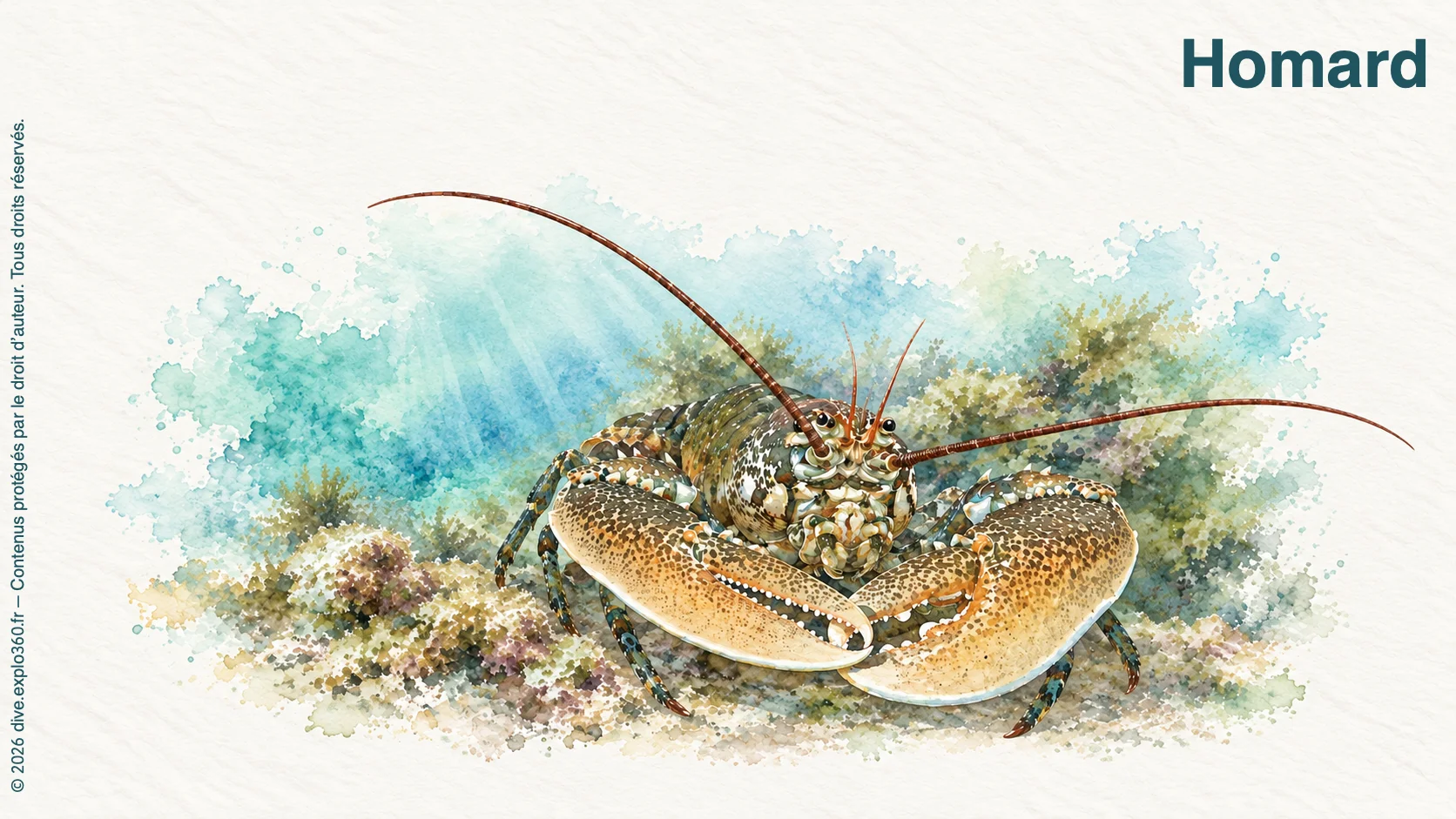 Species guidesEuropean lobsterDiscover →
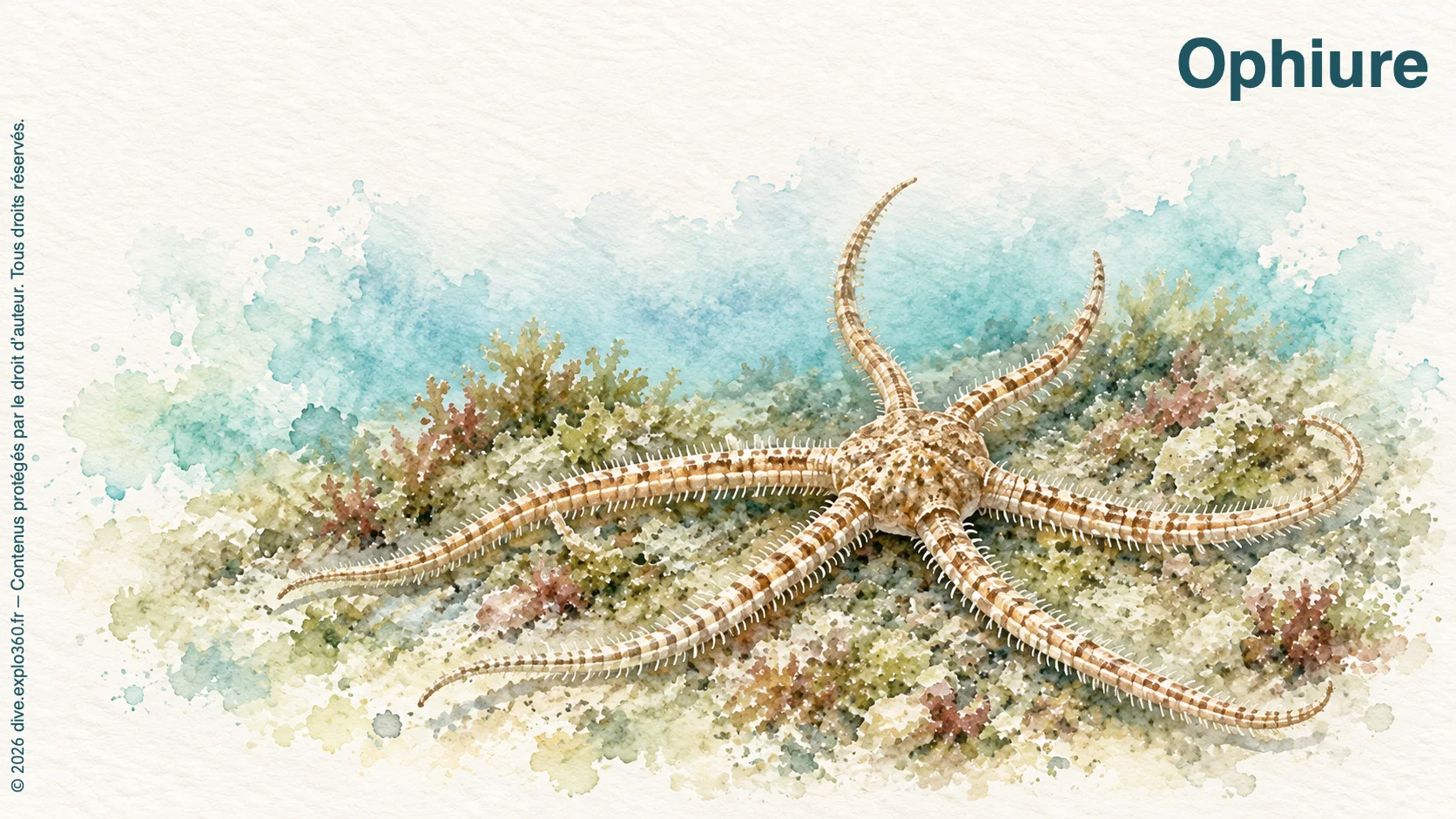 Species guidesBrittle starDiscover →
View the other 40 species guides
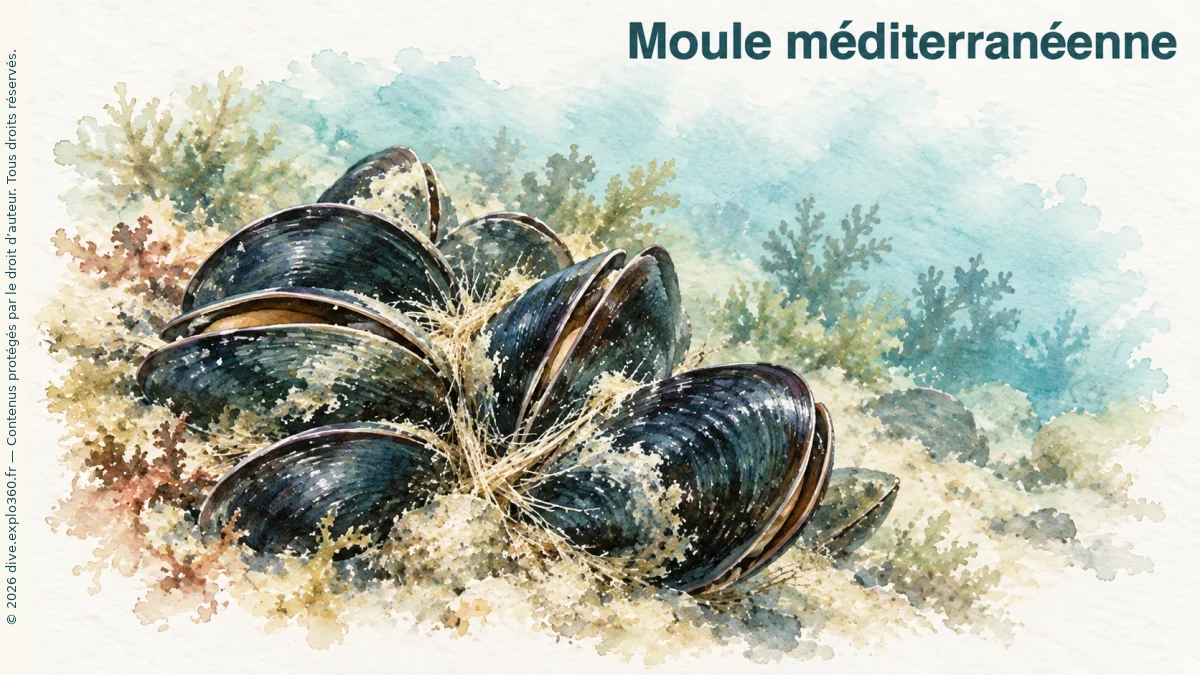 Species guidesMediterranean musselDiscover →
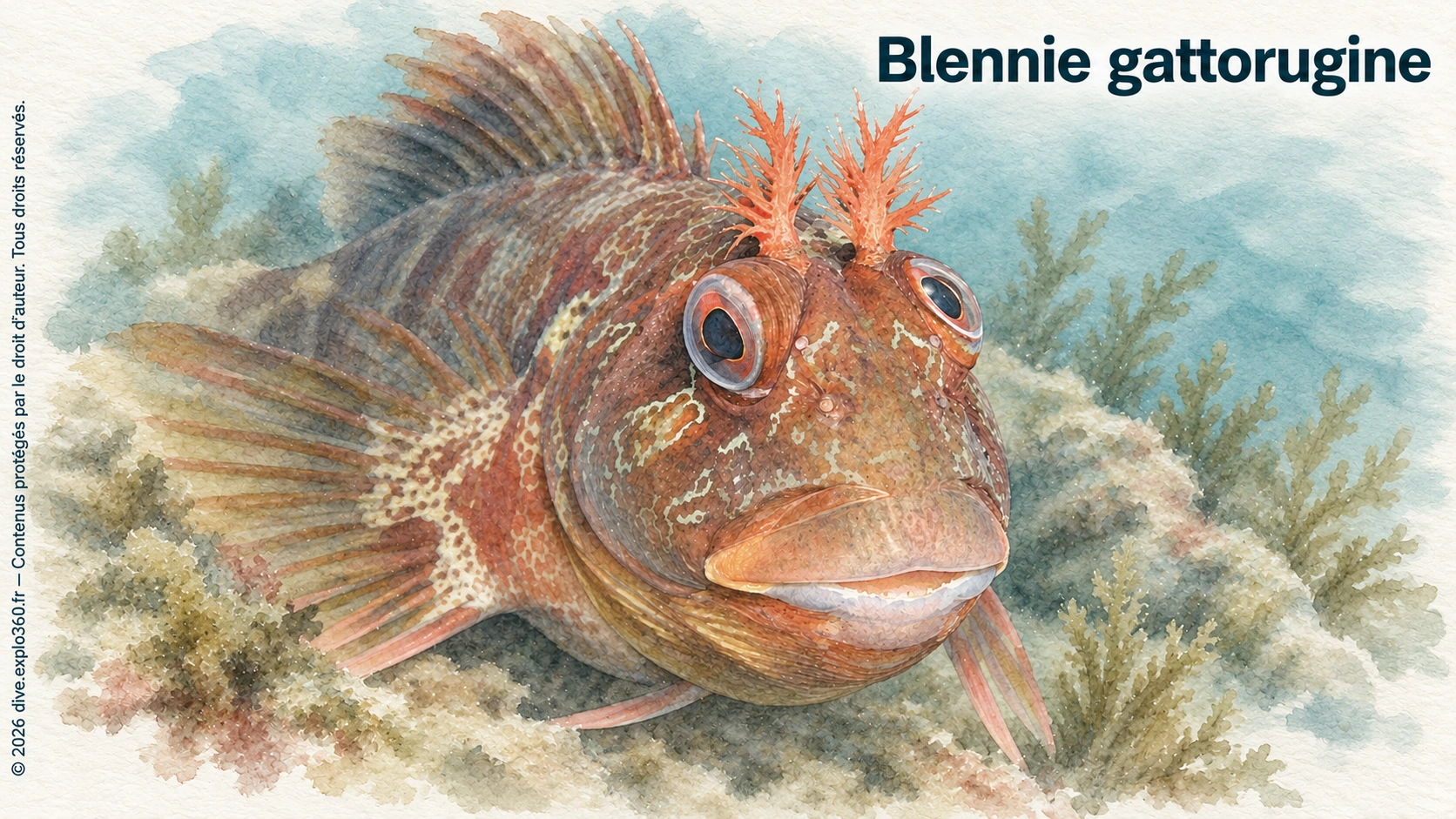 Species guidesTompot blennyDiscover →
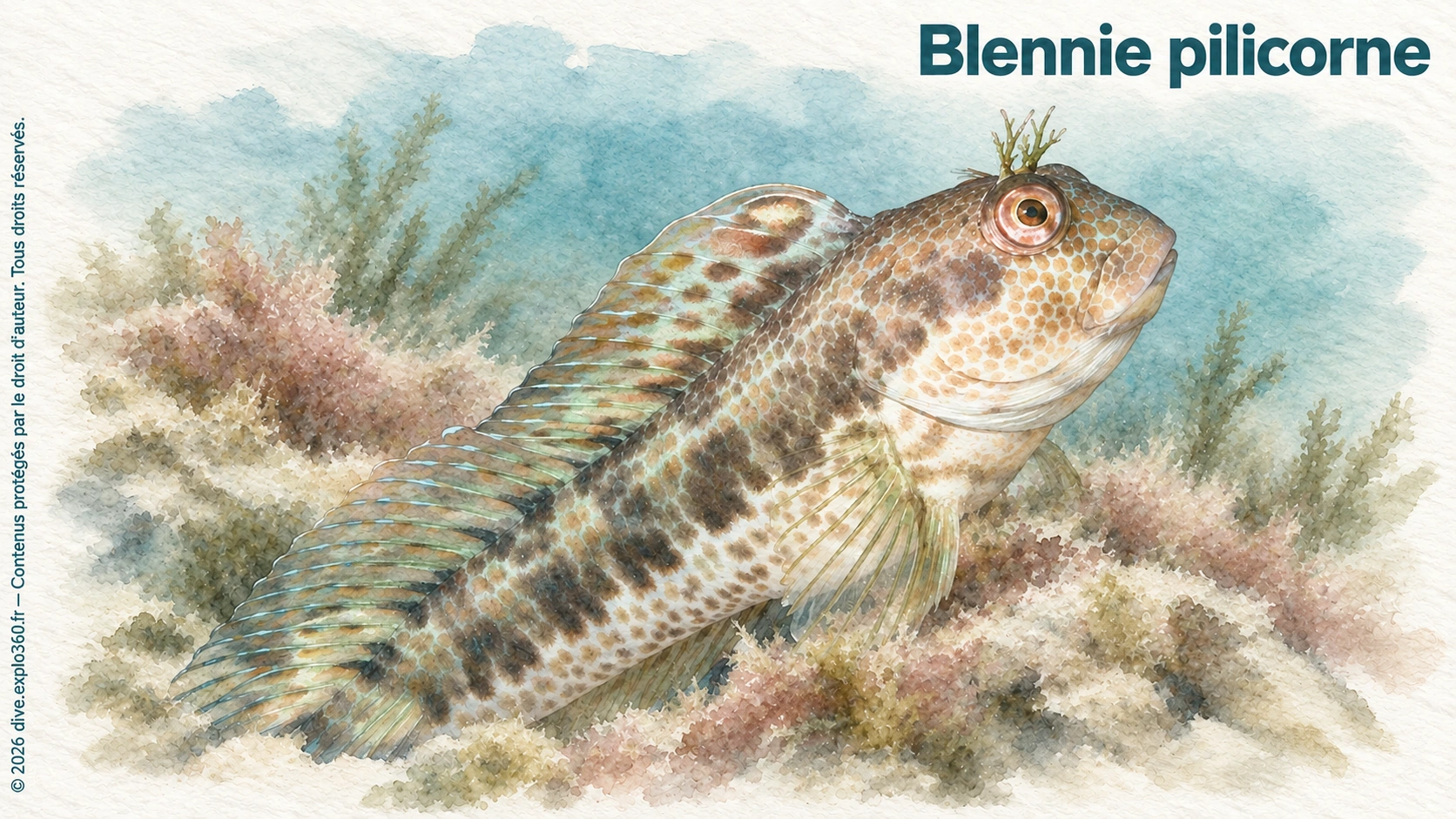 Species guidesRingneck blennyDiscover →
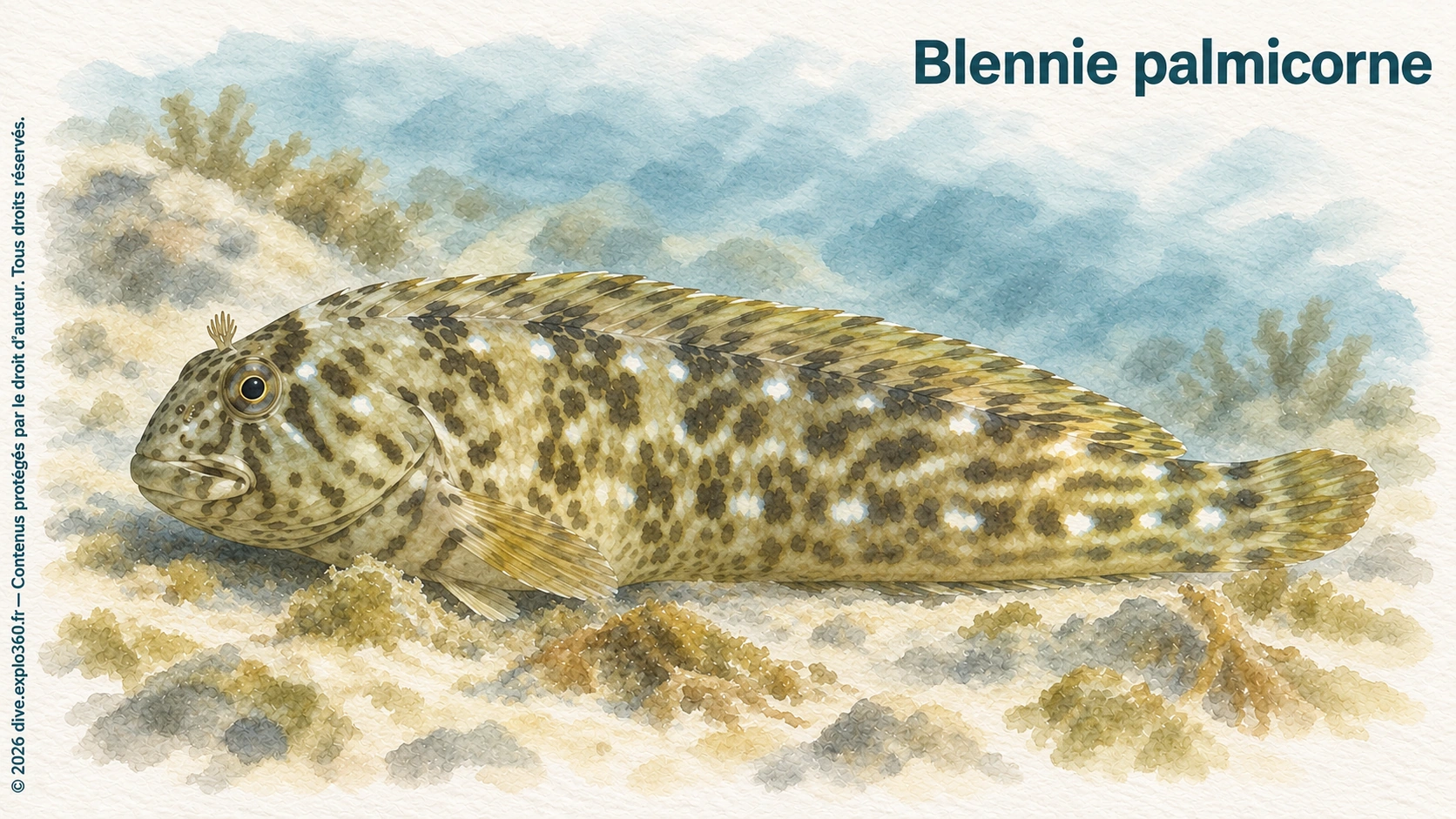 Species guidesRusty blennyDiscover →
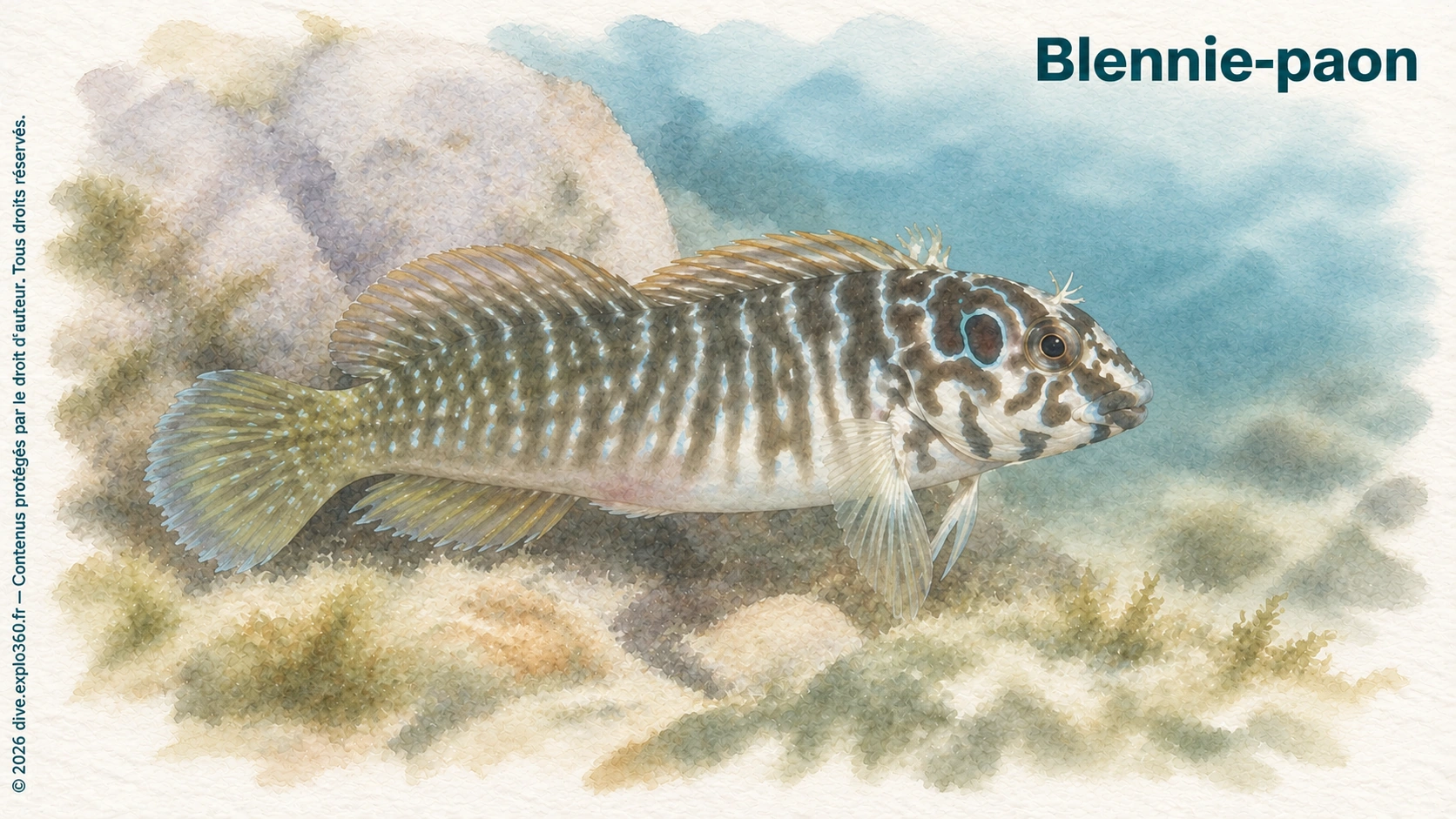 Species guidesPeacock blennyDiscover →
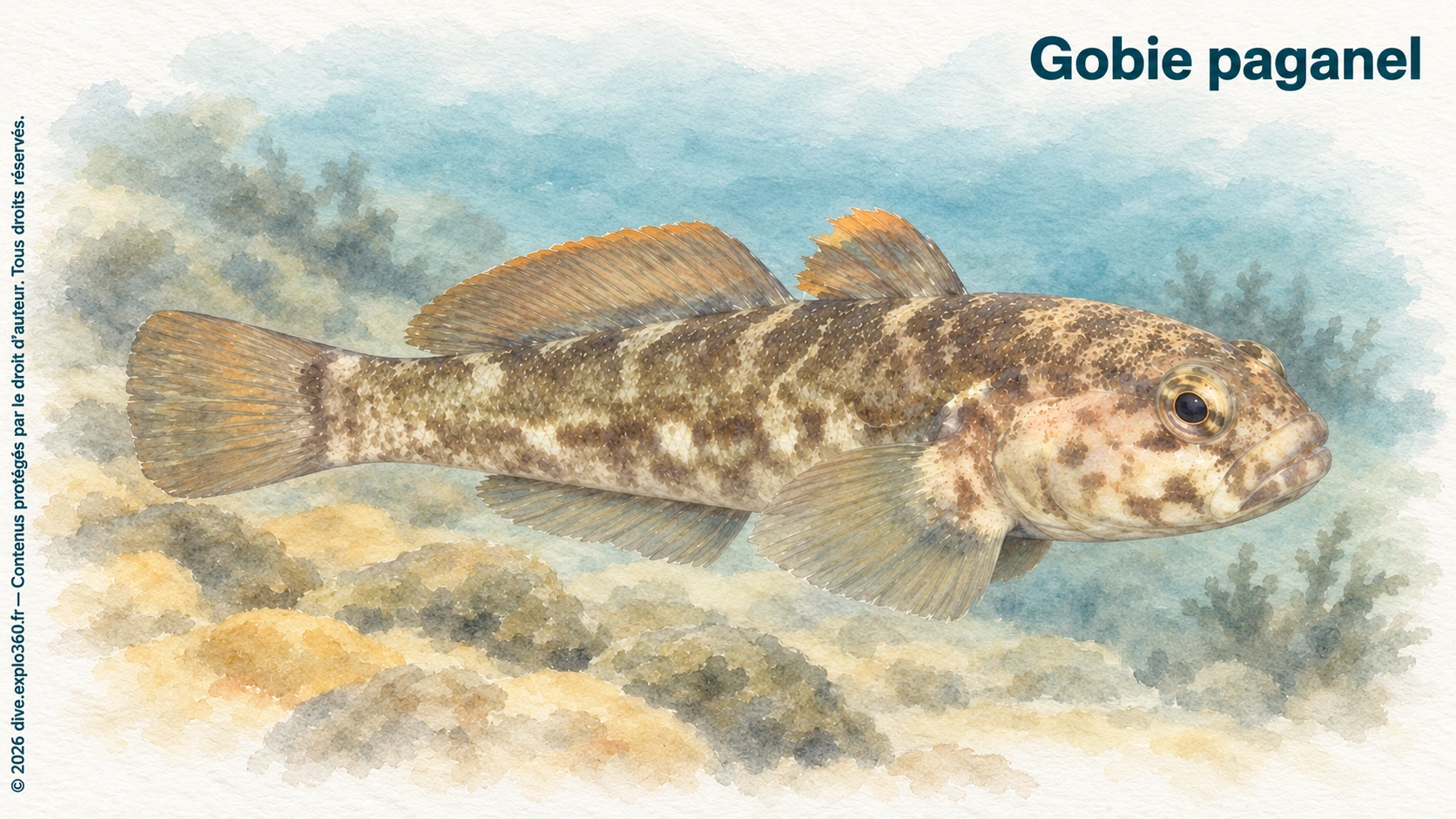 Species guidesRock gobyDiscover →
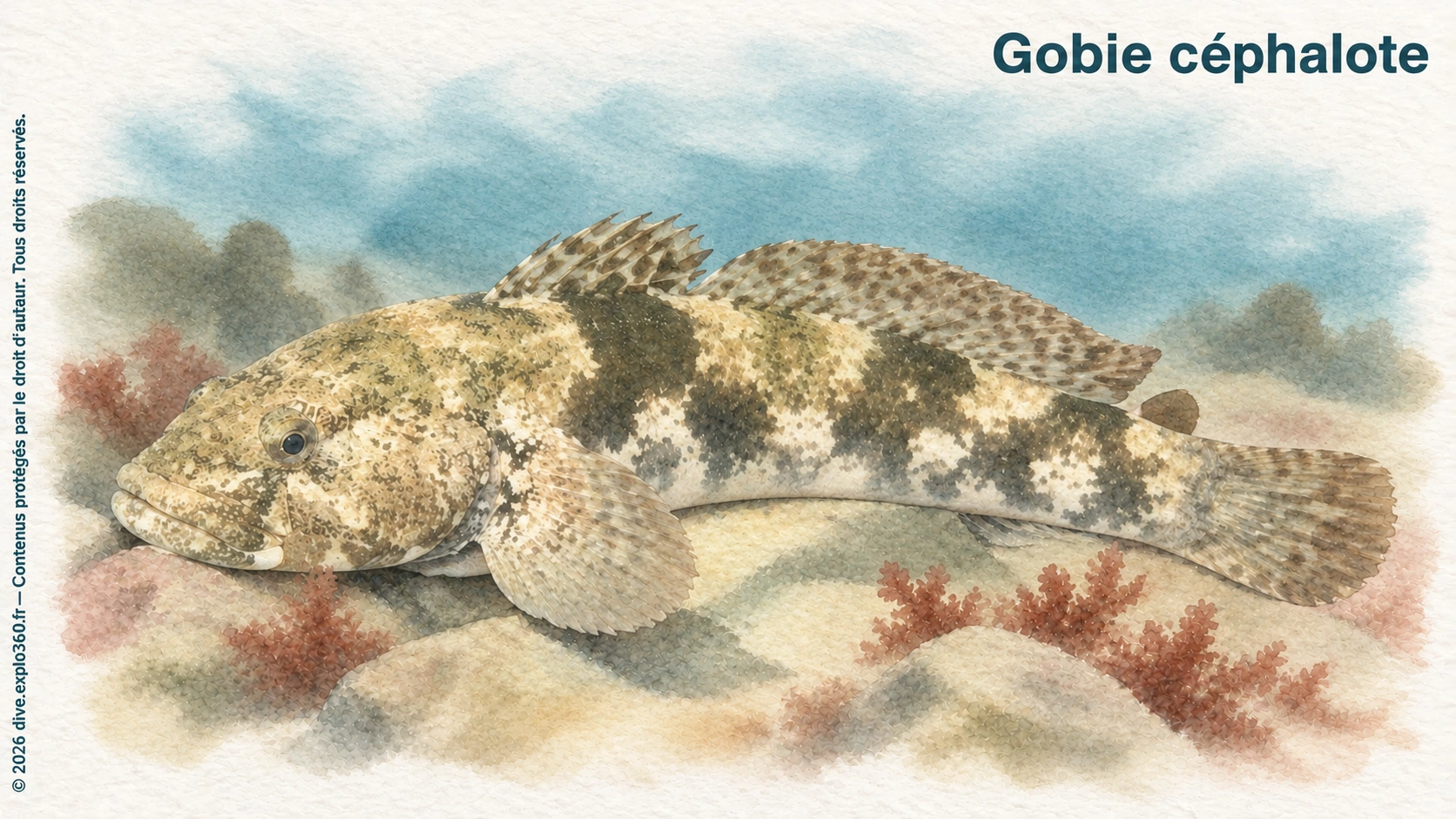 Species guidesGiant gobyDiscover →
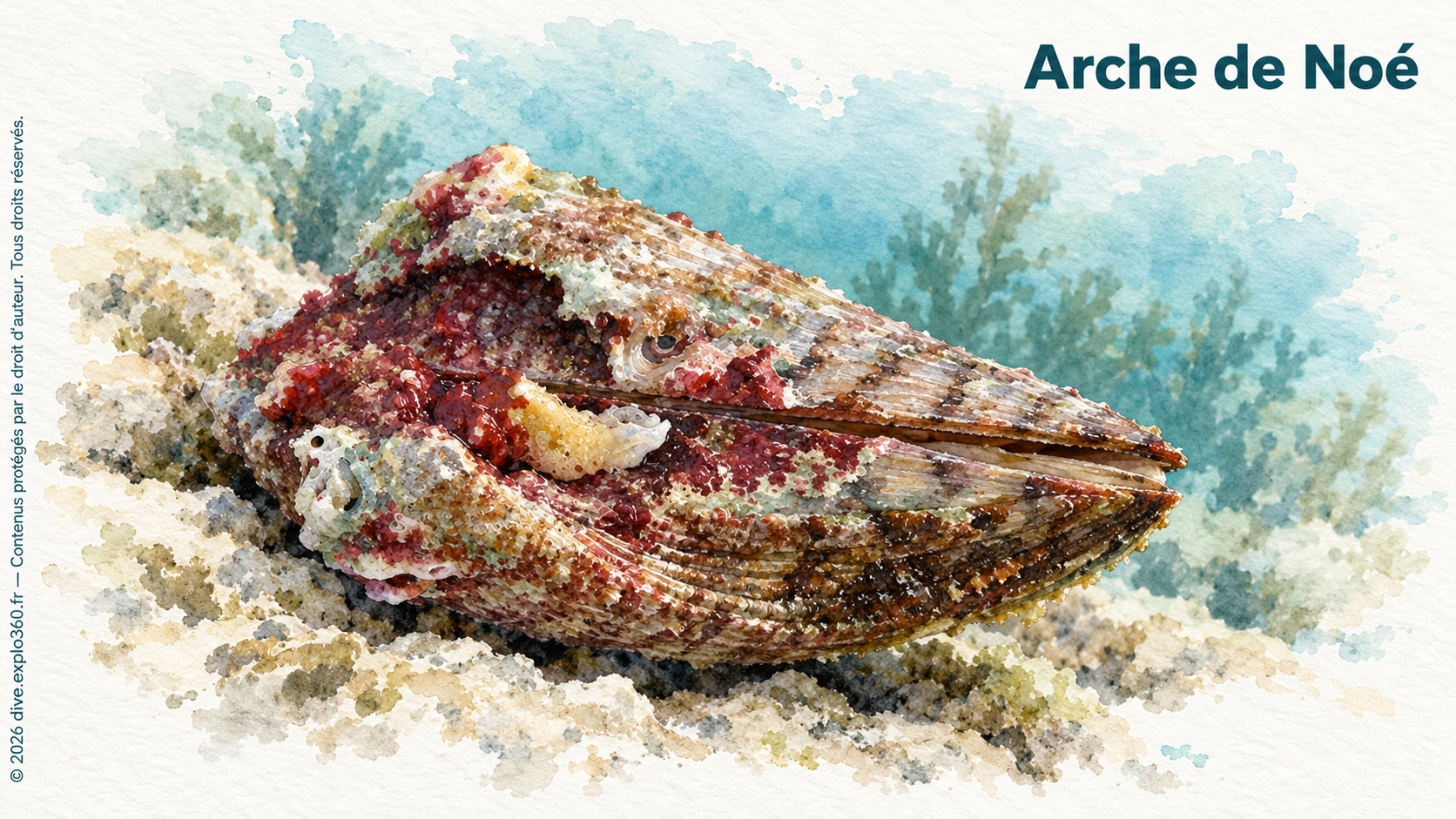 Species guidesNoah’s ark shellDiscover →
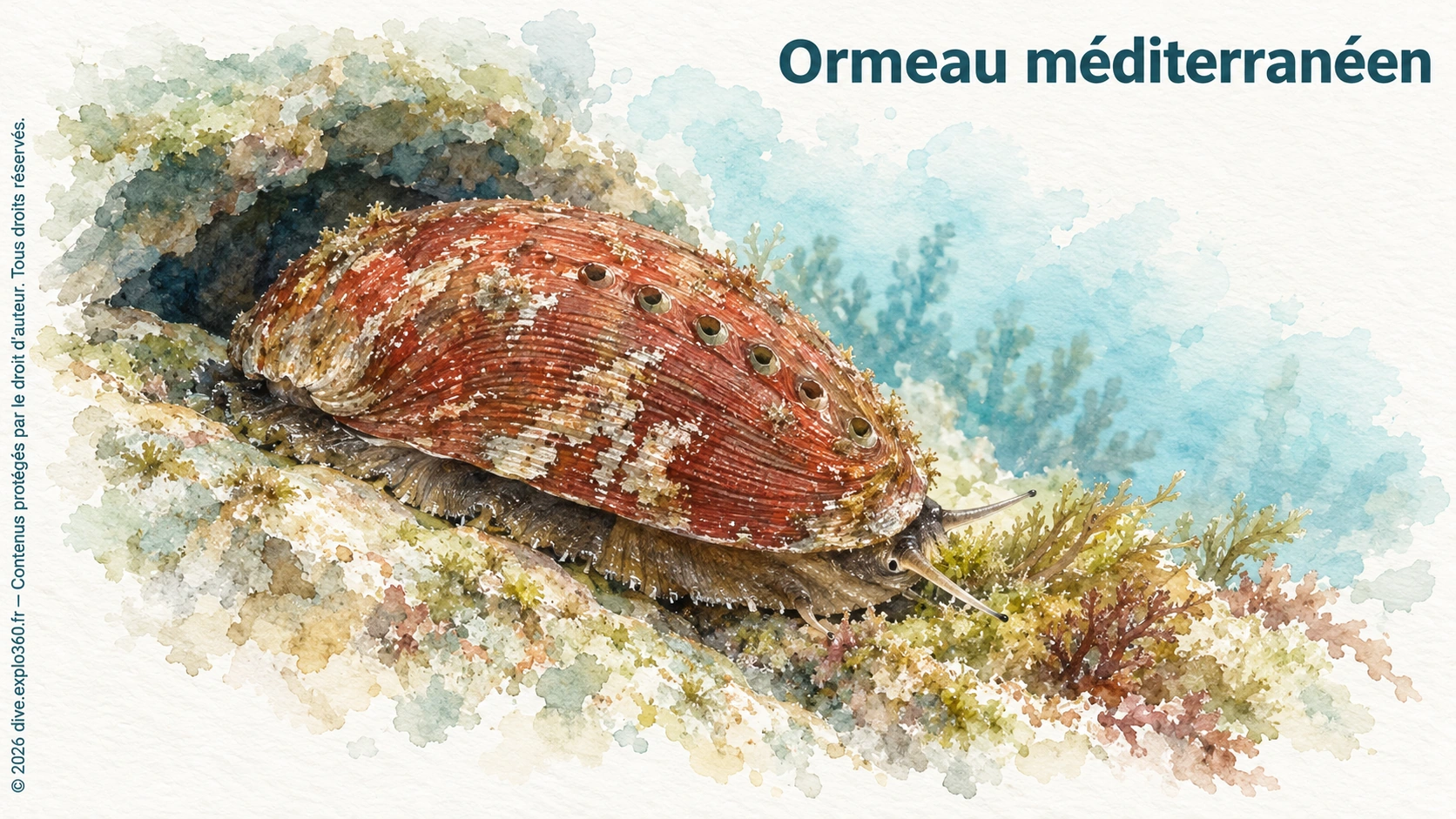 Species guidesGreen ormerDiscover →
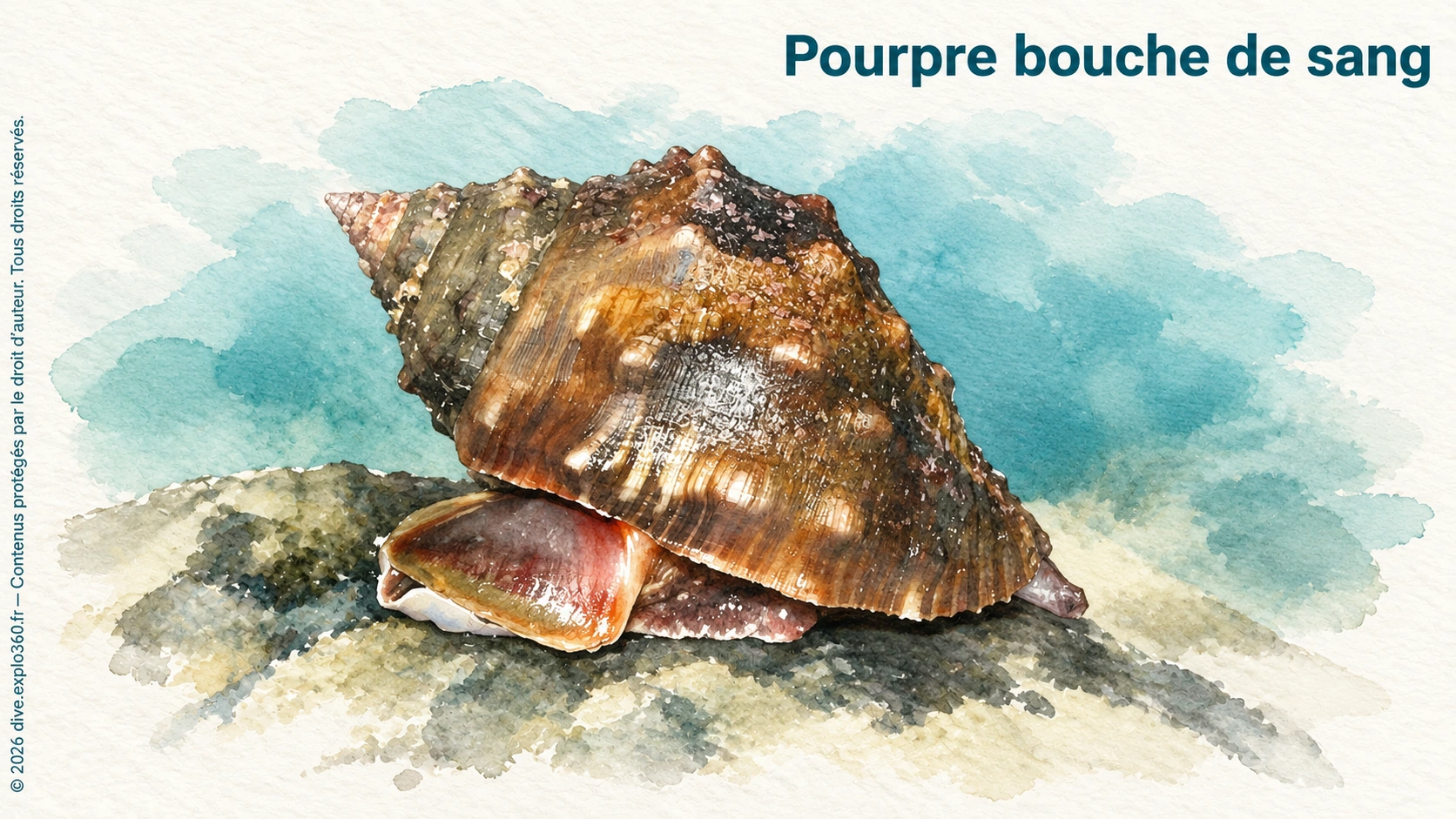 Species guidesRed-mouthed rock shellDiscover →
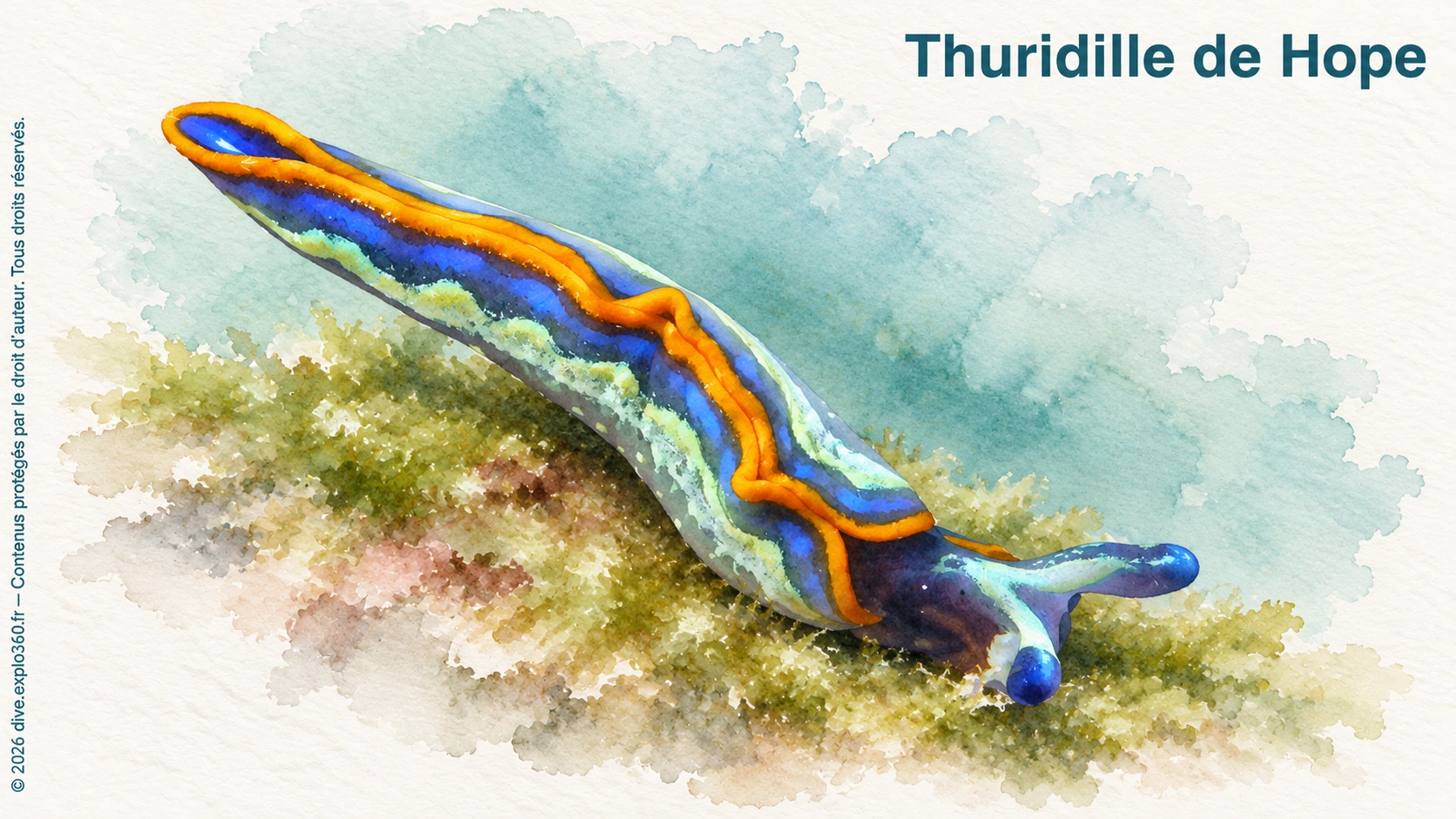 Species guidesHope’s elysiaDiscover →
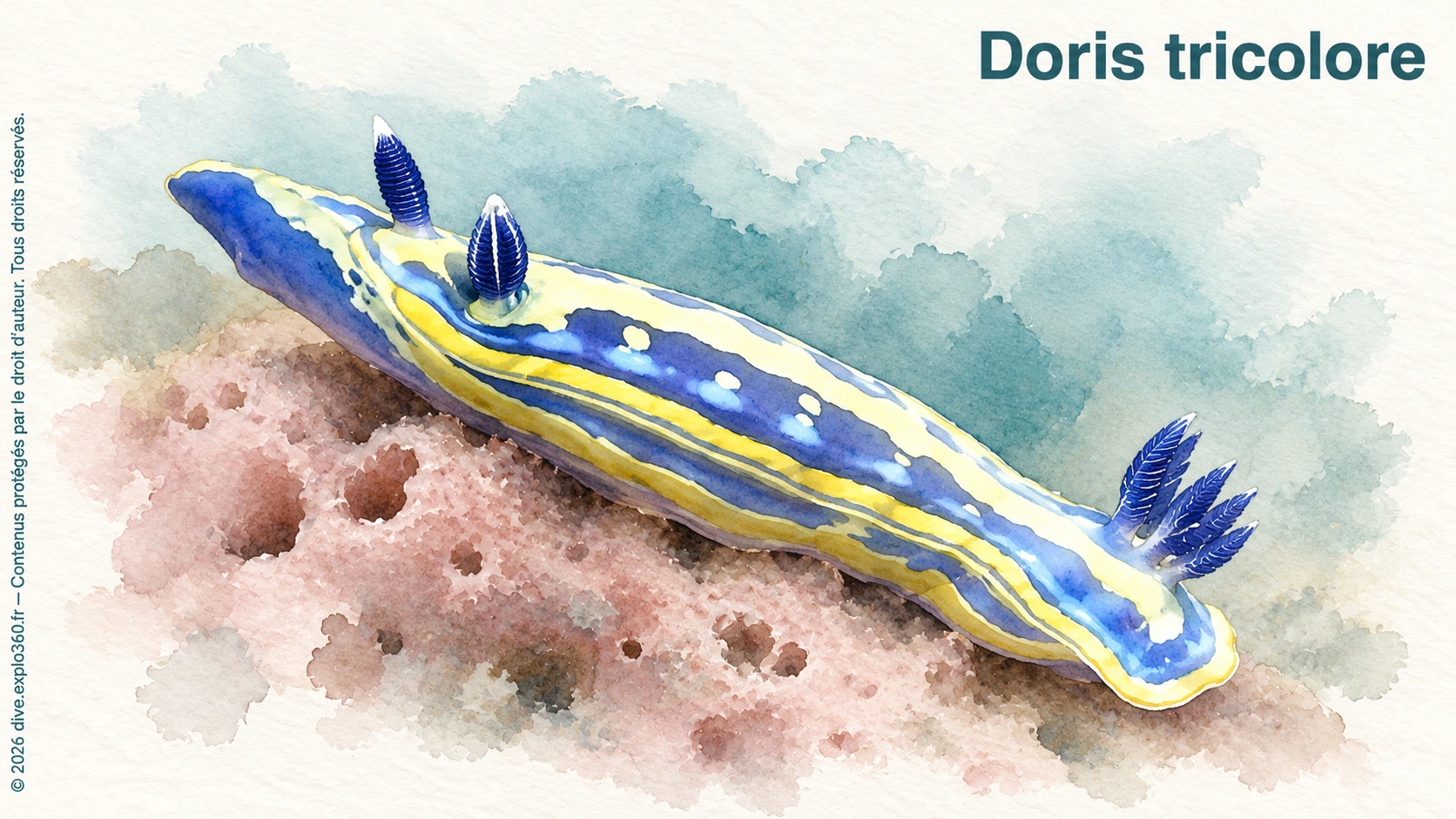 Species guidesTricolour dorisDiscover →
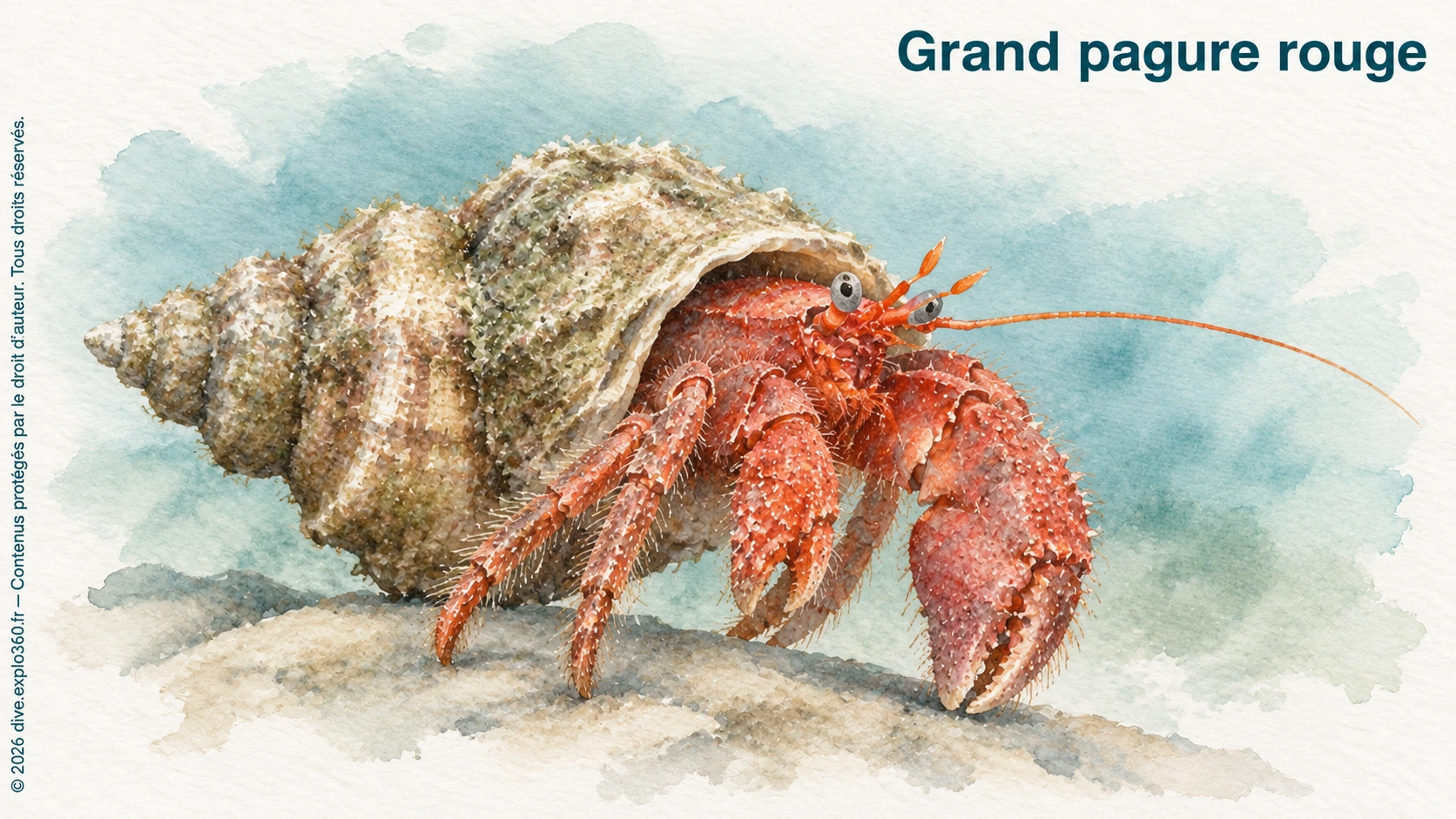 Species guidesRed hermit crabDiscover →
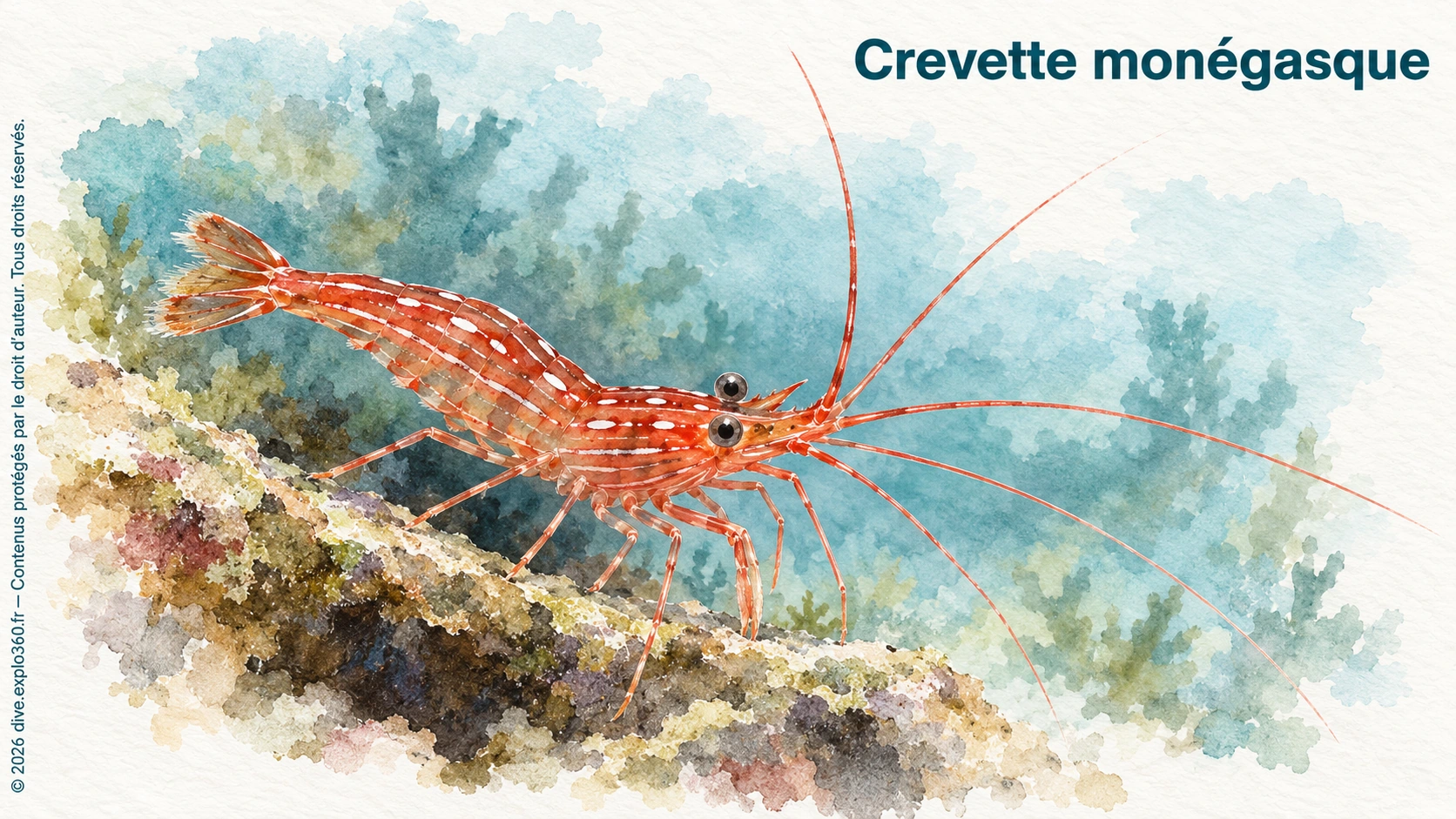 Species guidesMonaco shrimpDiscover →
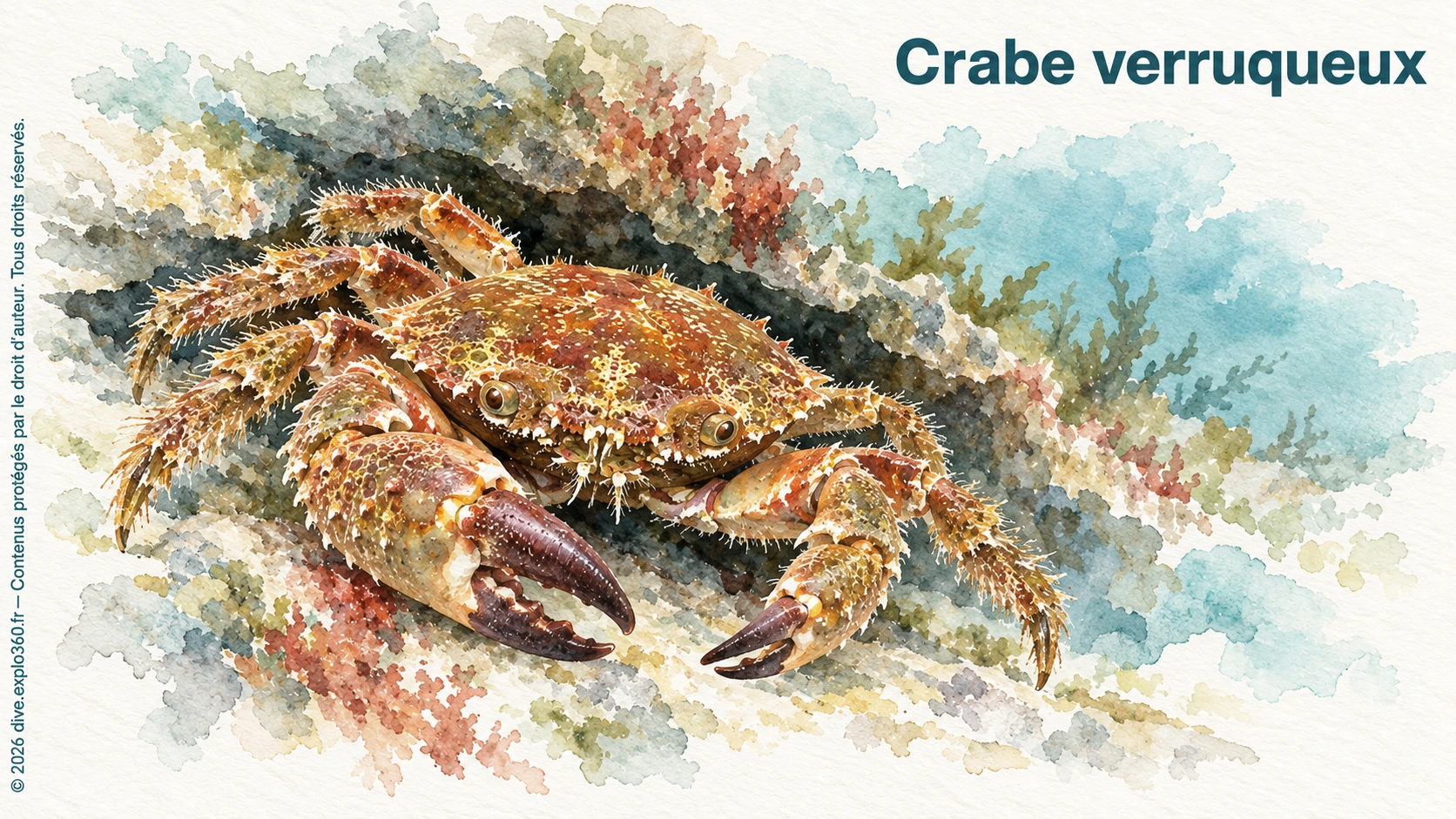 Species guidesWarty crabDiscover →
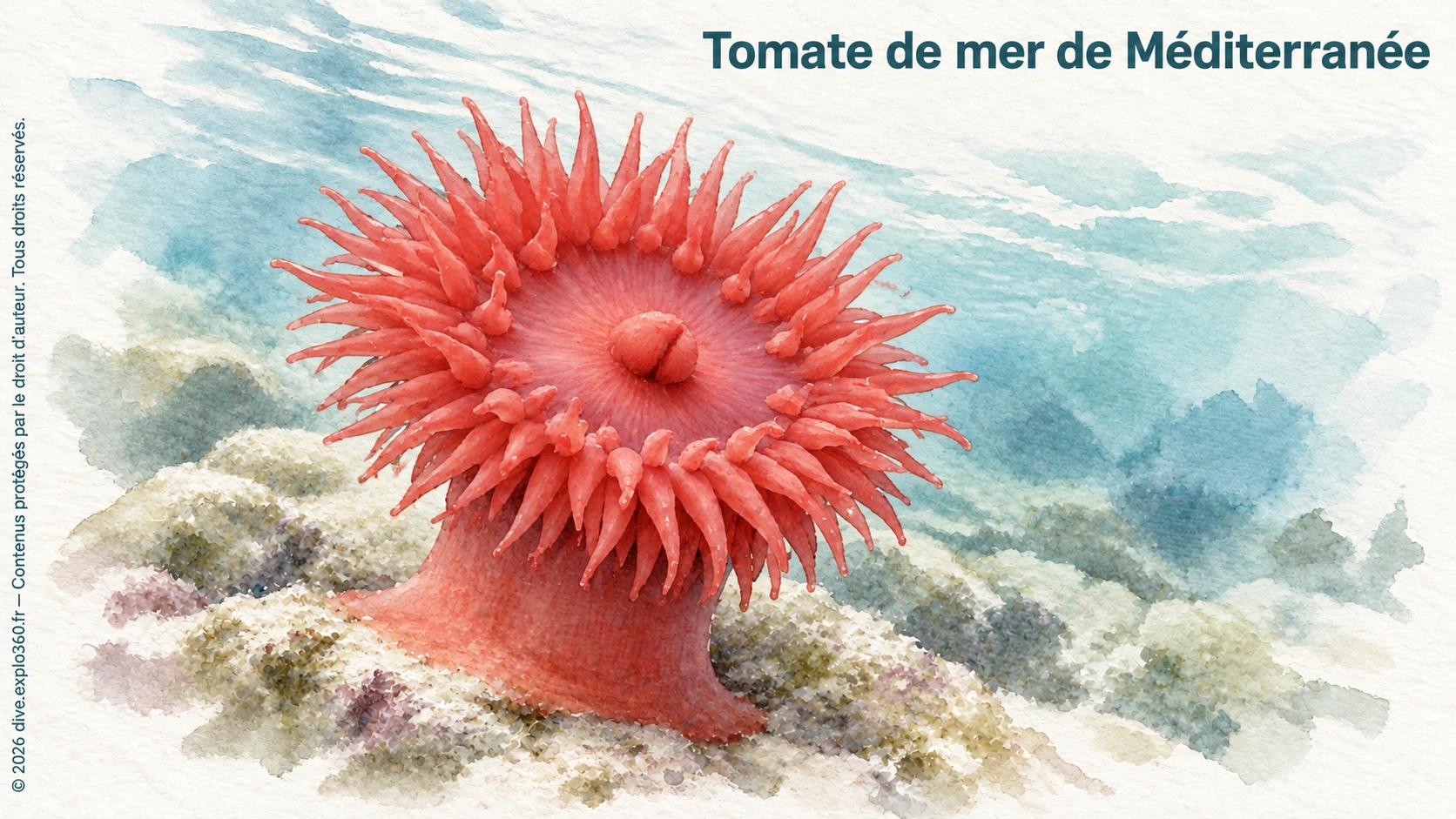 Species guidesMediterranean beadlet anemoneDiscover →
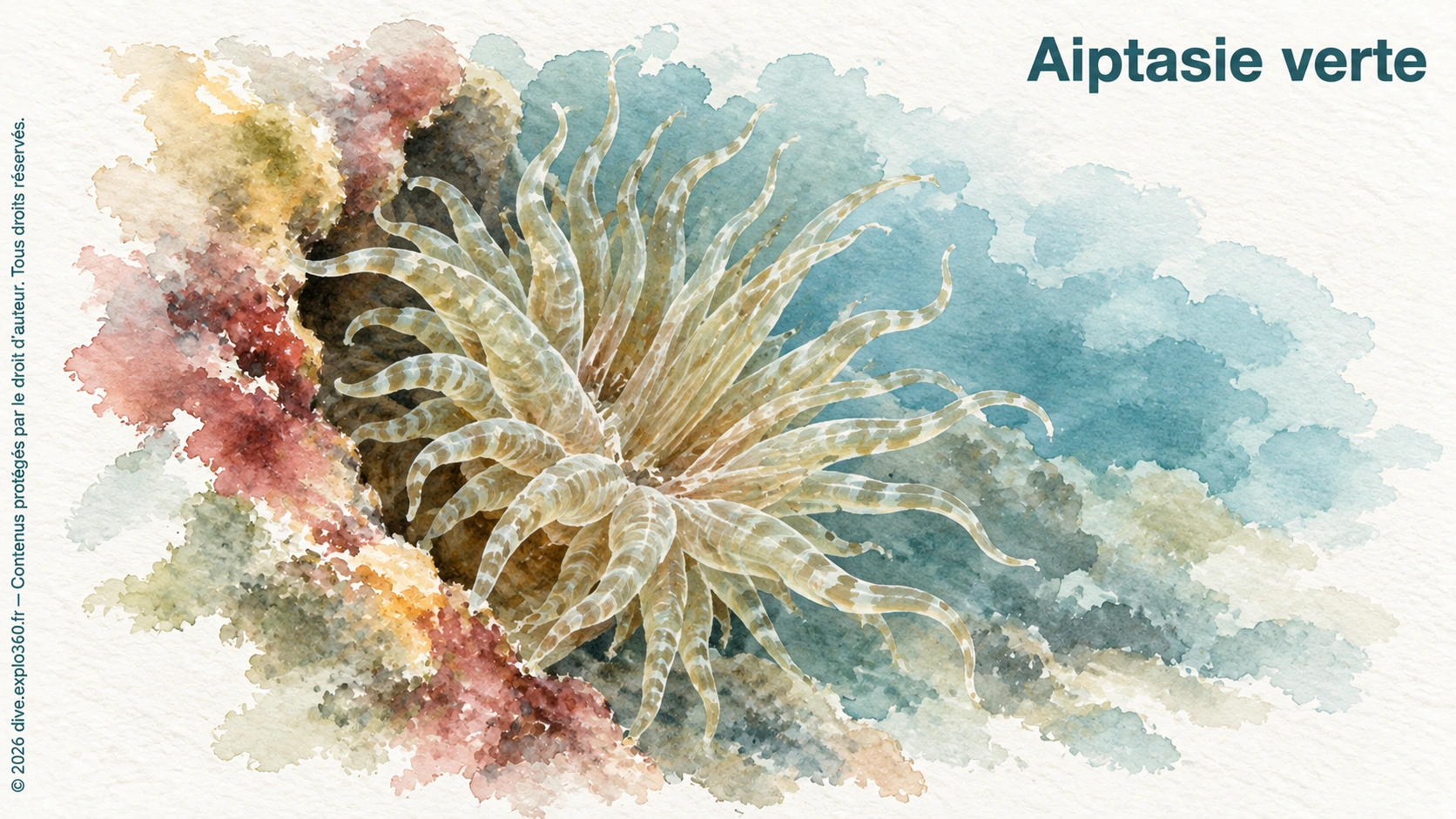 Species guidesGreen aiptasiaDiscover →
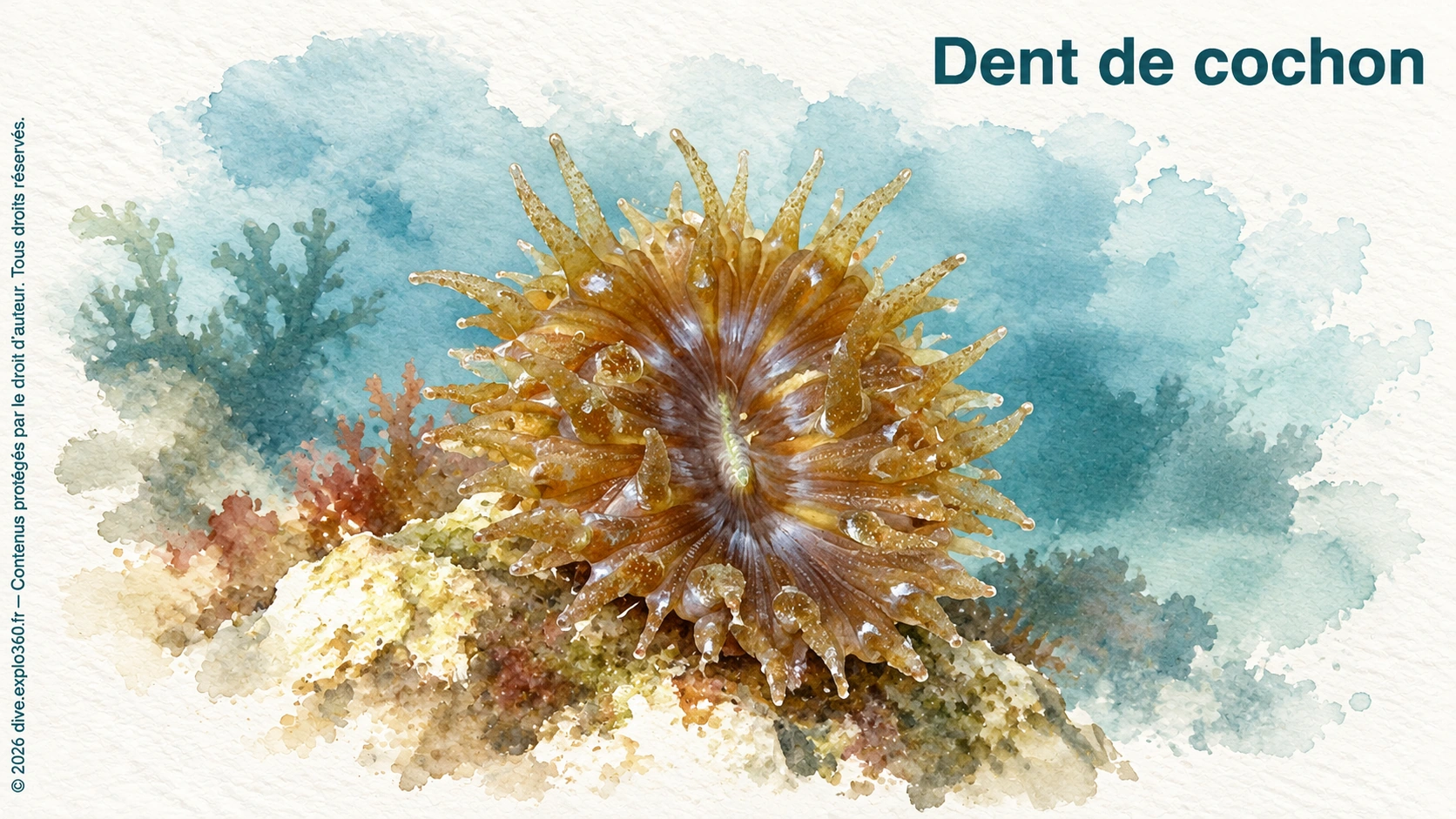 Species guidesPig-tooth coralDiscover →
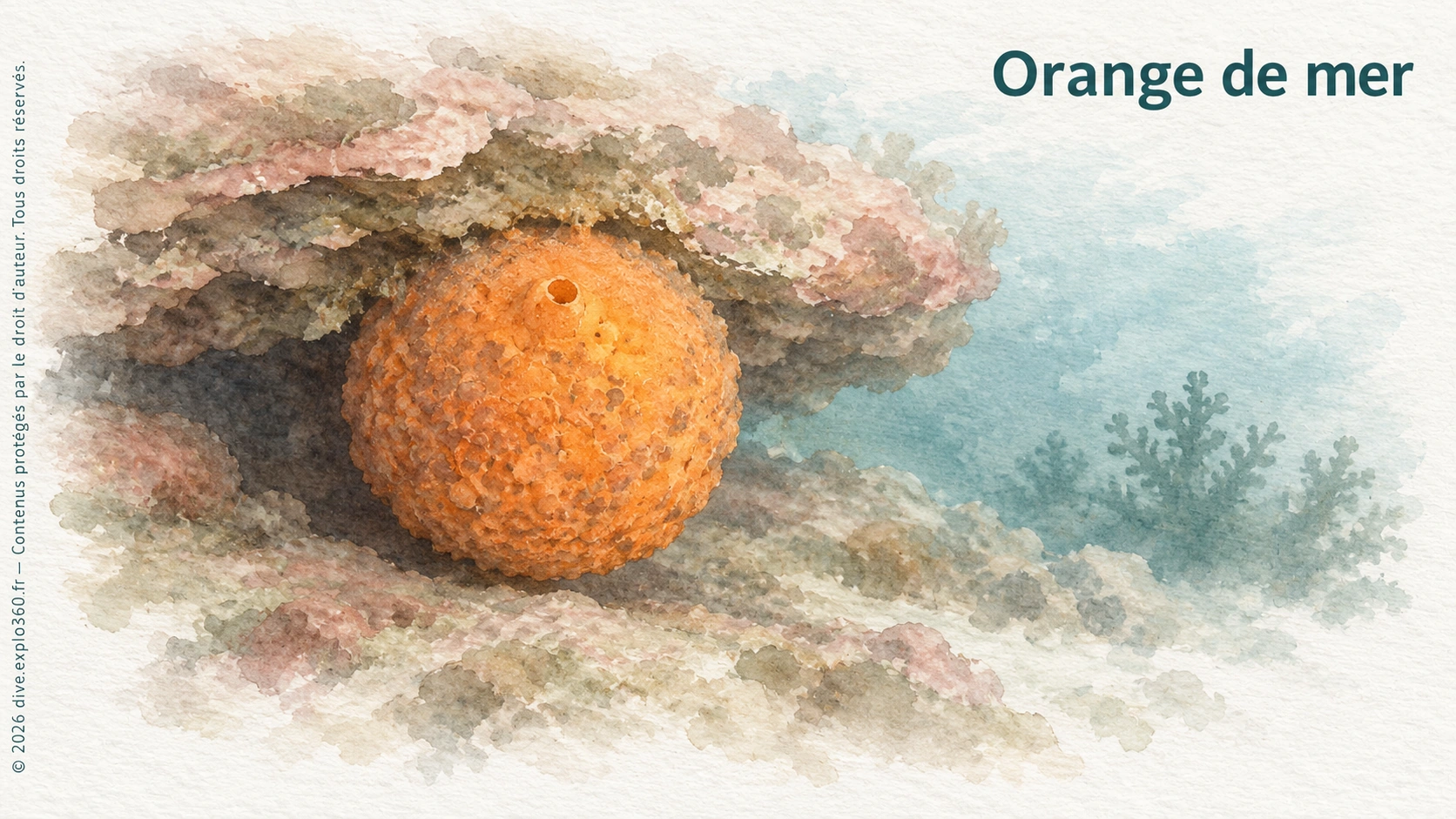 Species guidesMediterranean sea orangeDiscover →
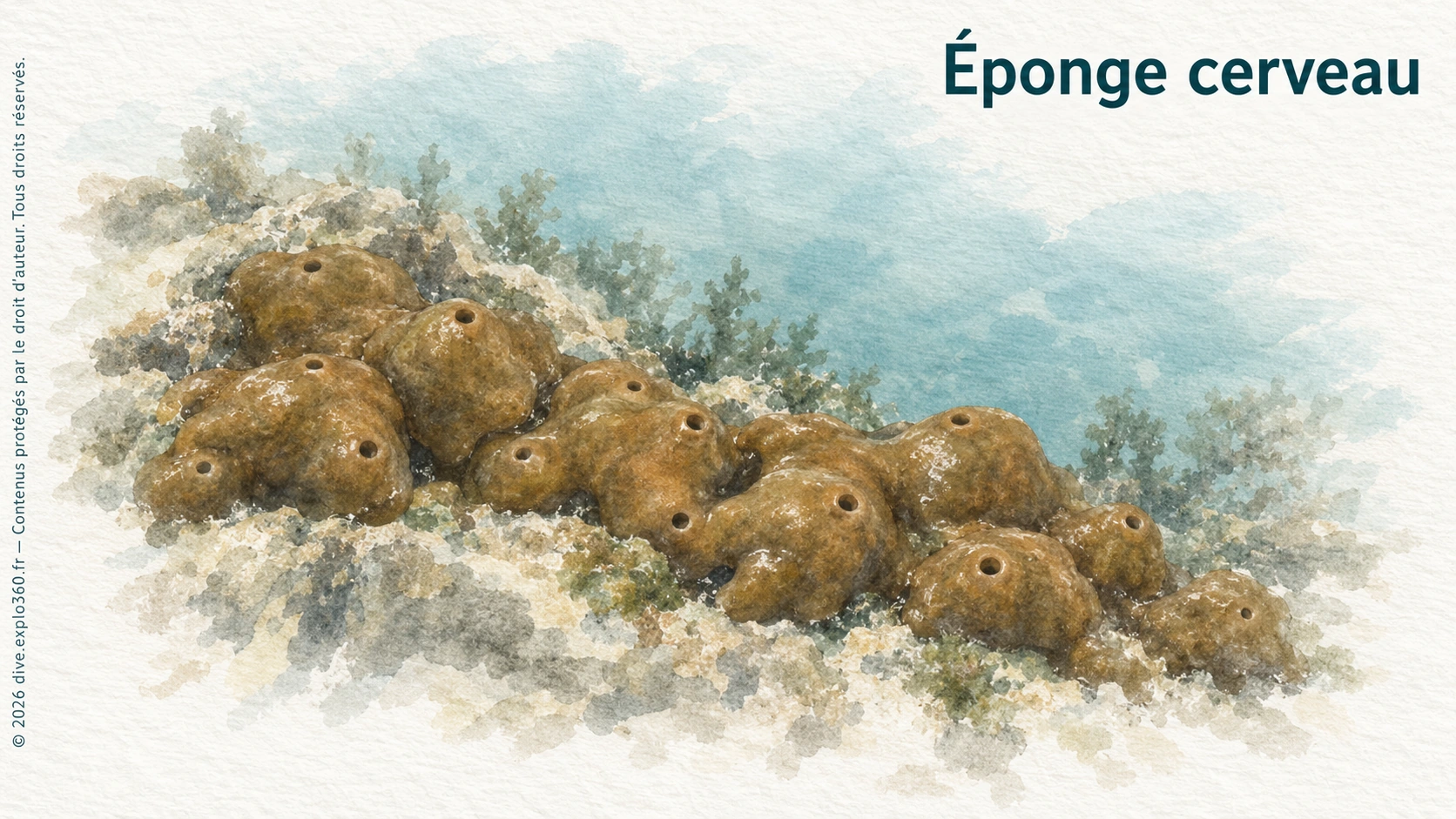 Species guidesChicken liver spongeDiscover →
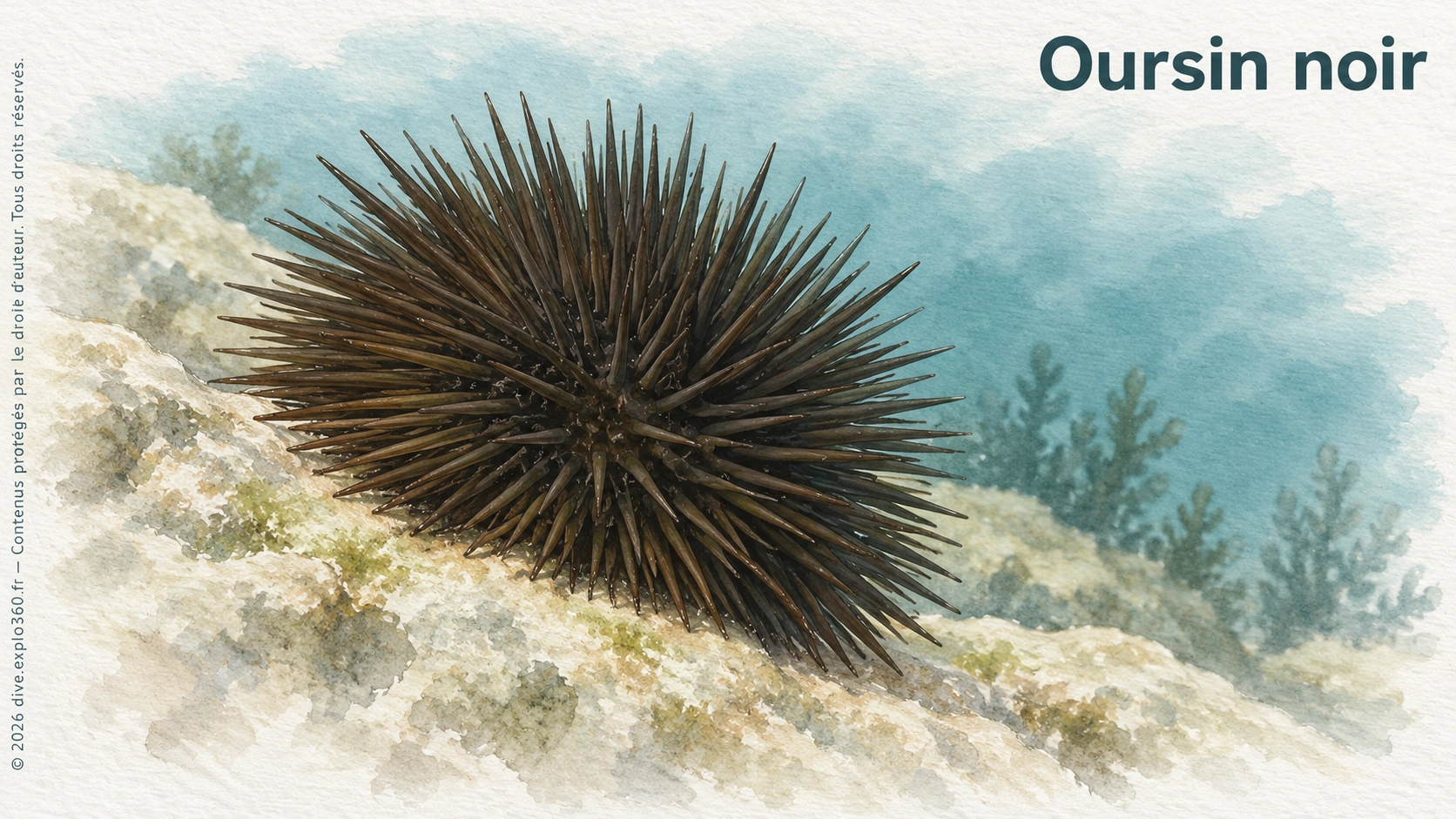 Species guidesBlack sea urchinDiscover →
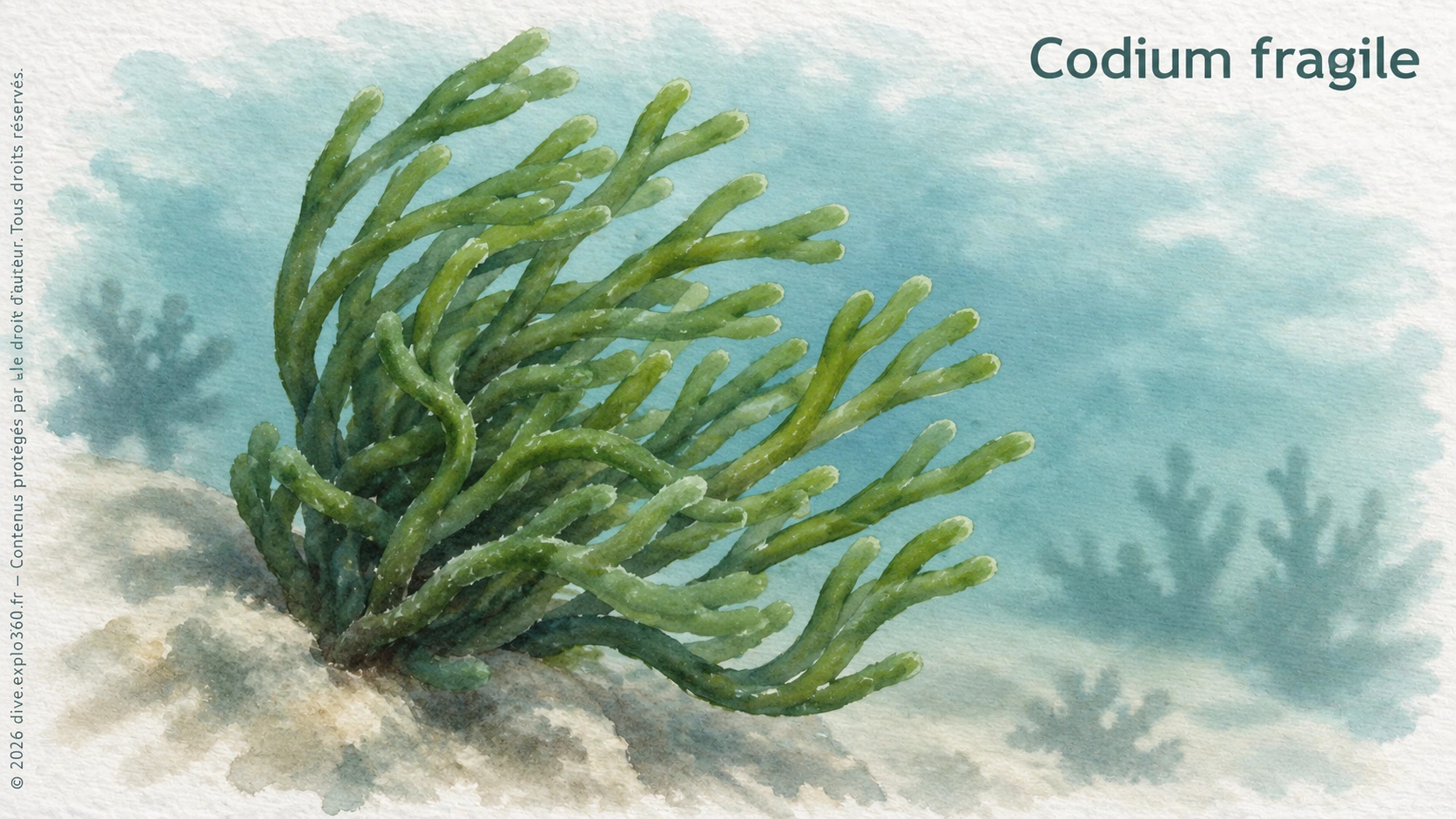 Species guidesFragile codiumDiscover →
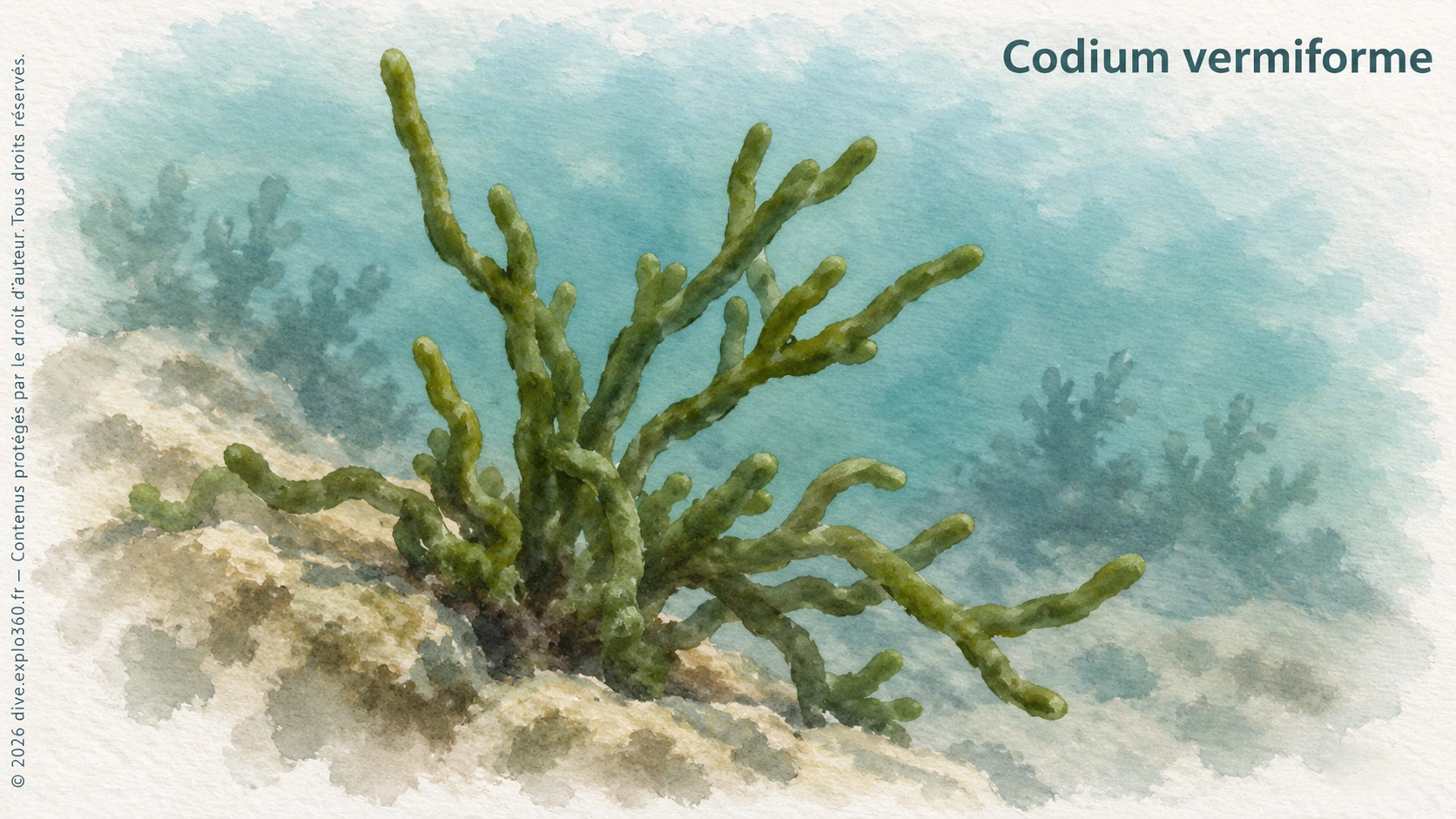 Species guidesWormlike codiumDiscover →
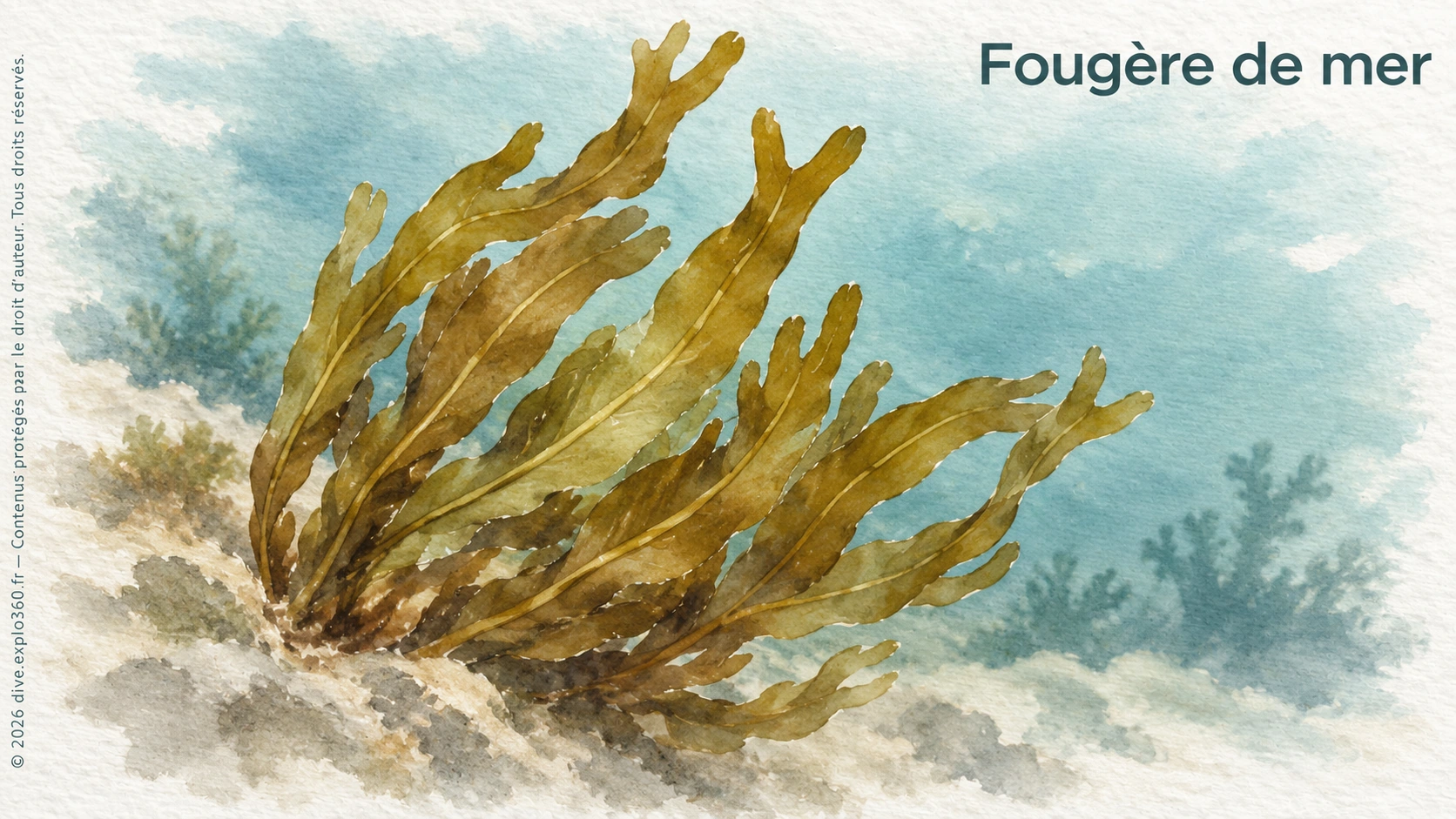 Species guidesSweet-smelling seaweedDiscover →
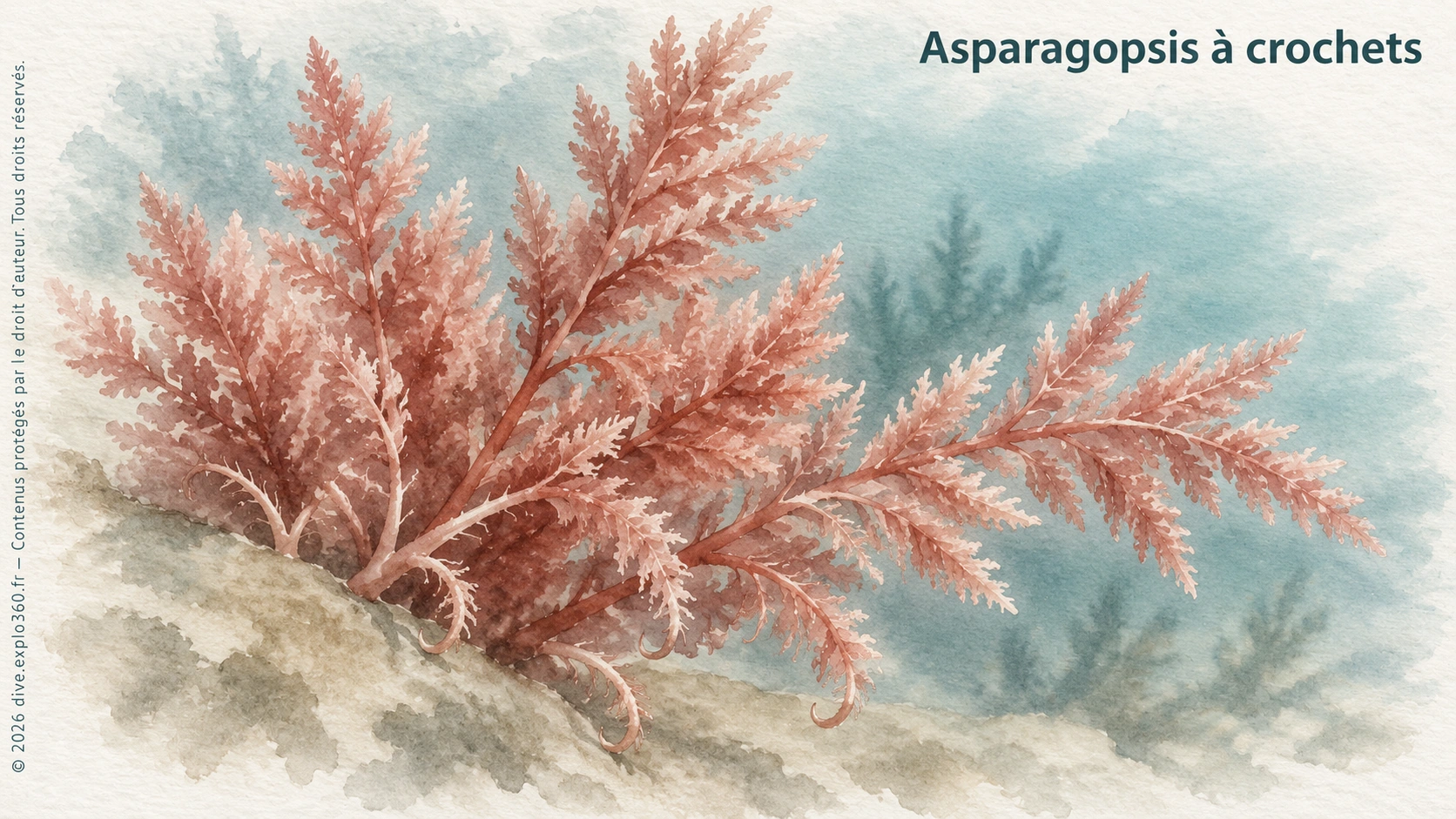 Species guidesHarpoon algaDiscover →
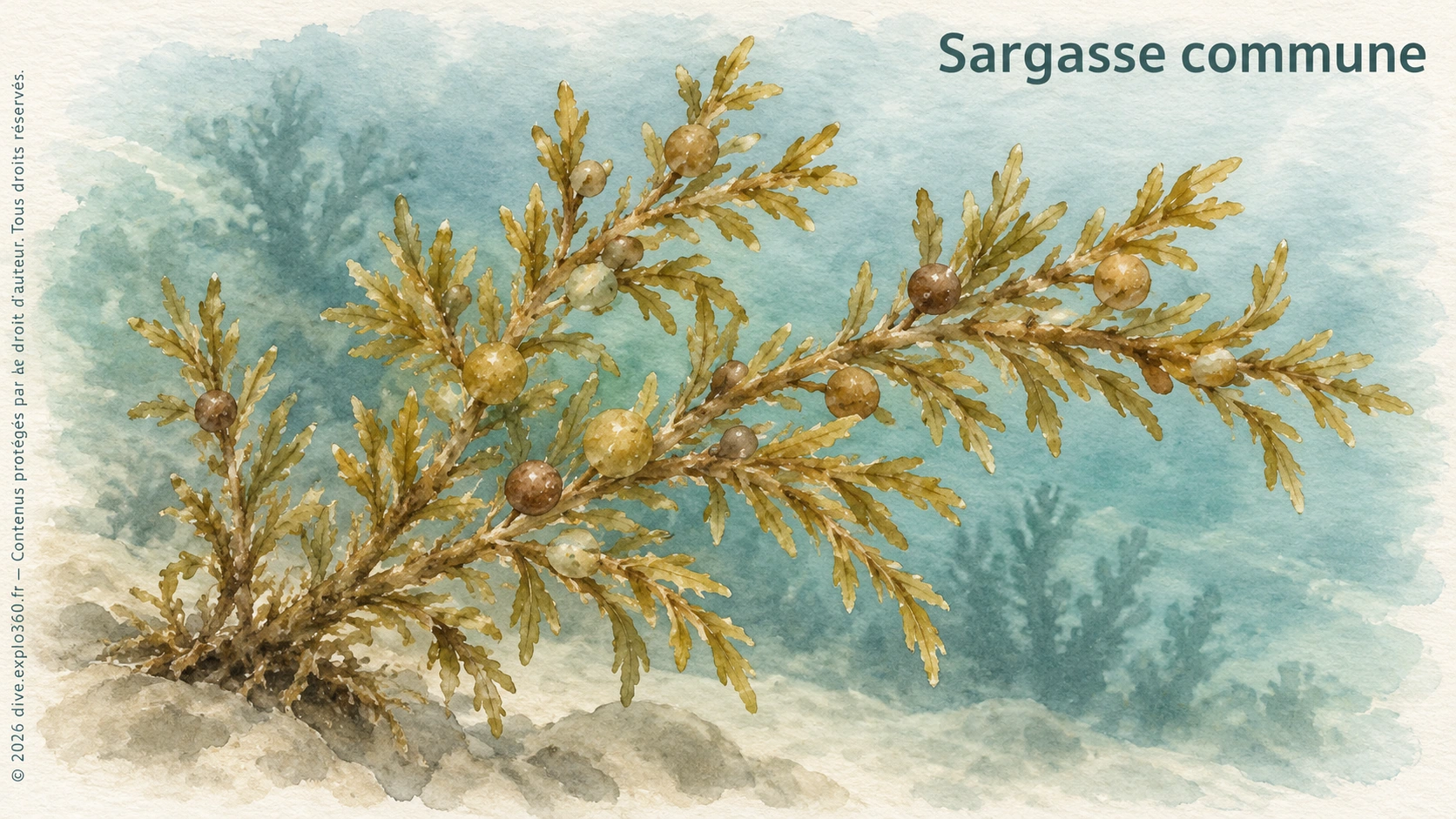 Species guidesCommon sargassumDiscover →
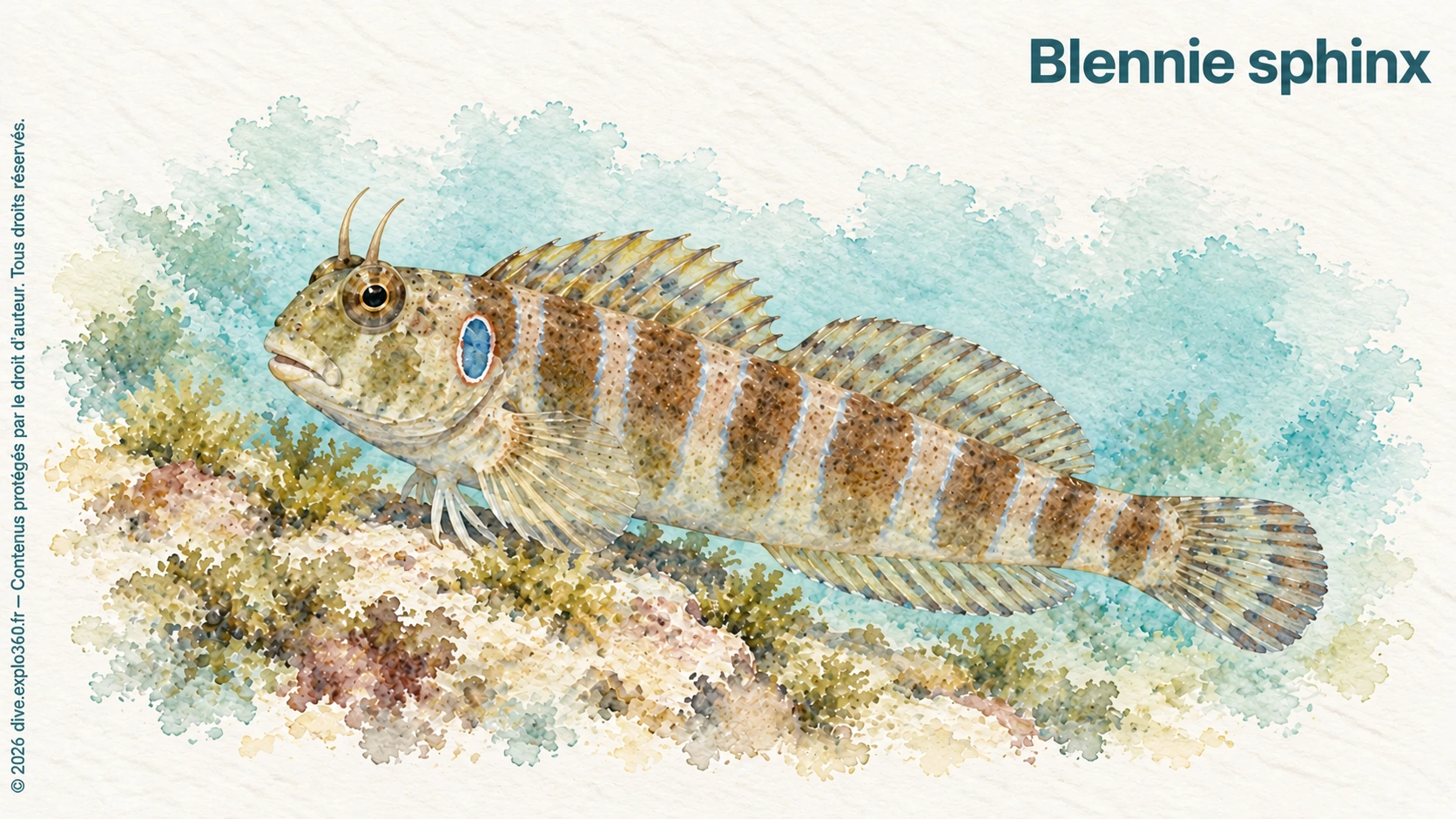 Species guidesSphinx blennyDiscover →
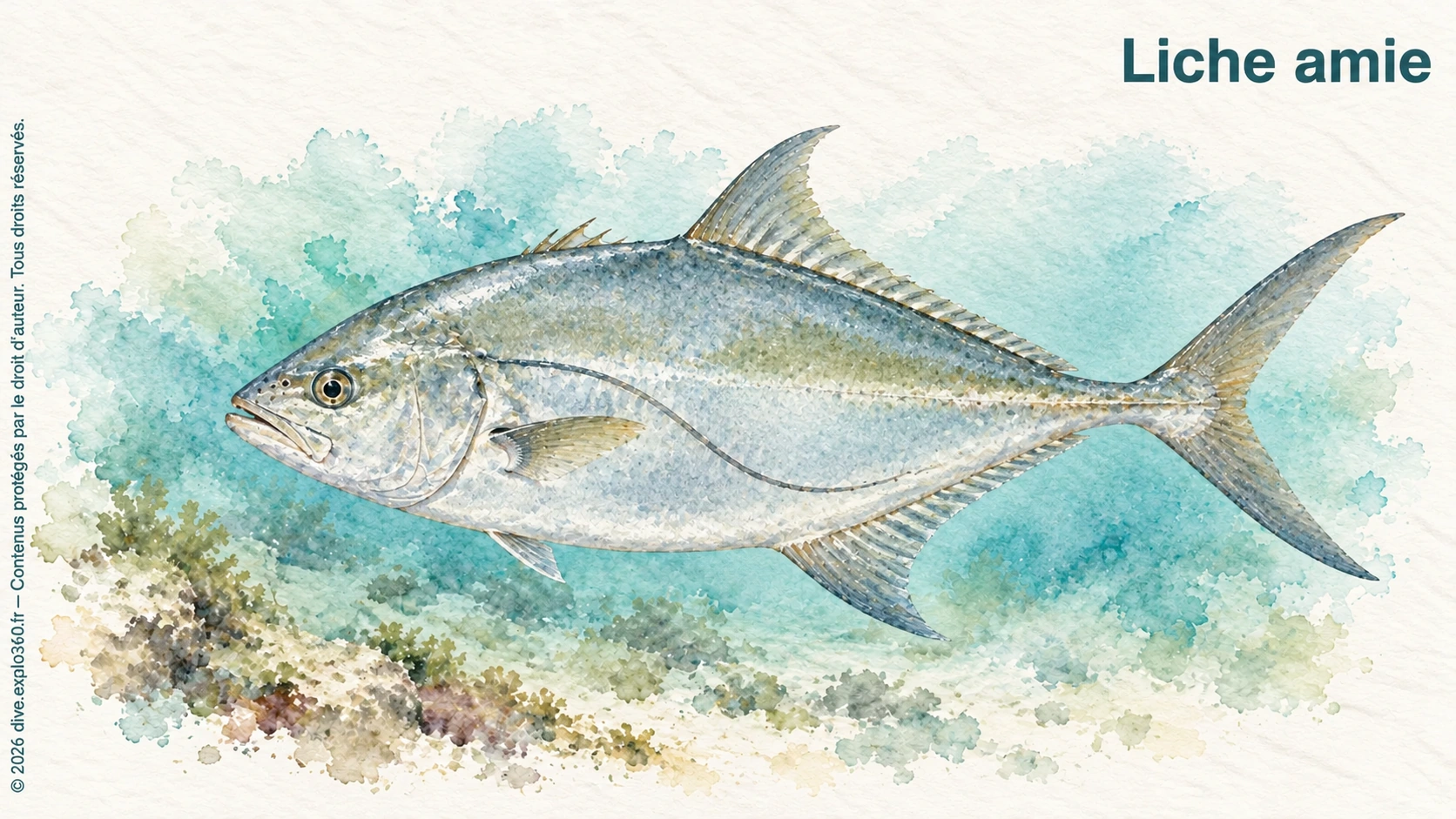 Species guidesLeerfishDiscover →
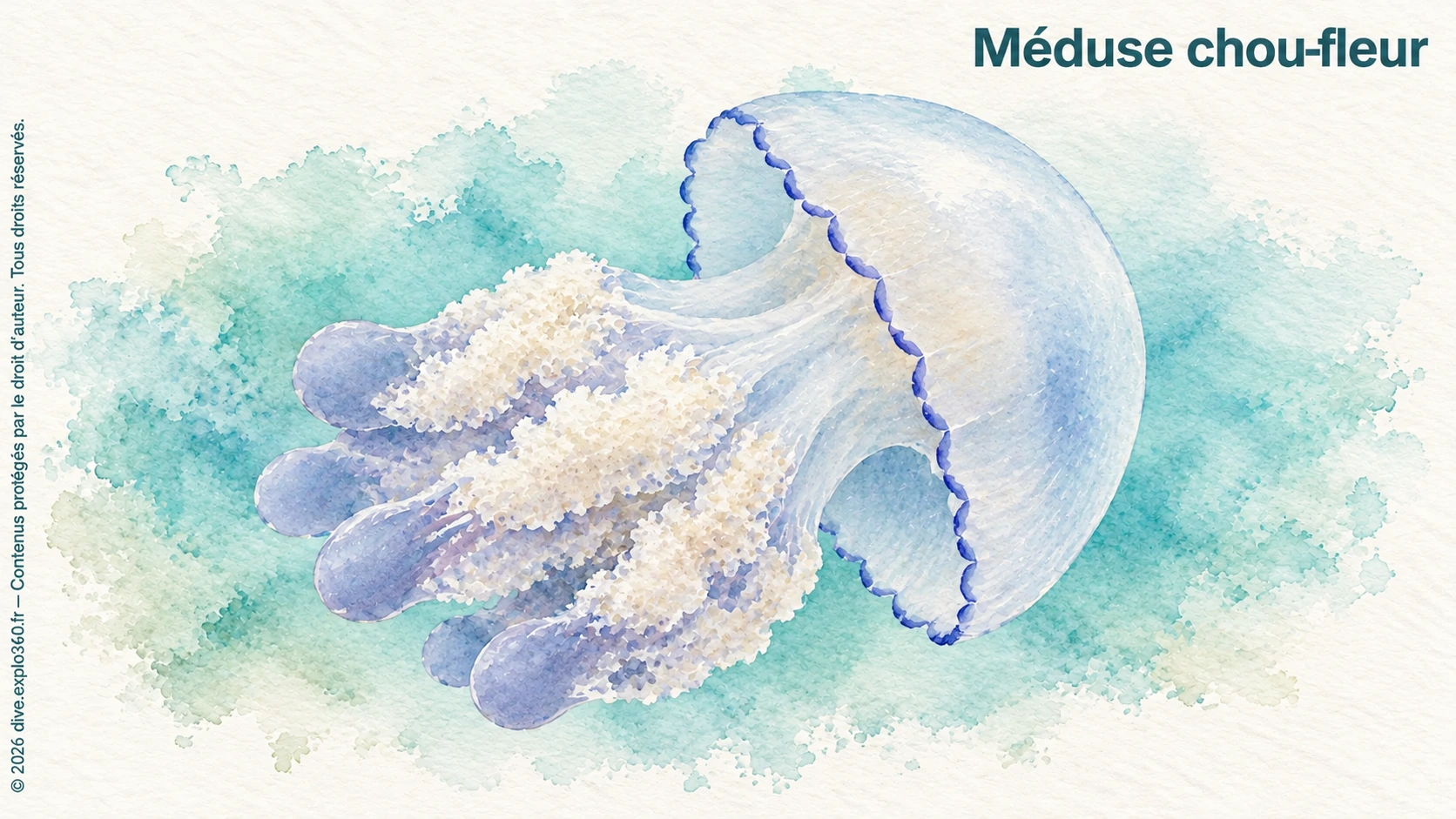 Species guidesBarrel jellyfishDiscover →
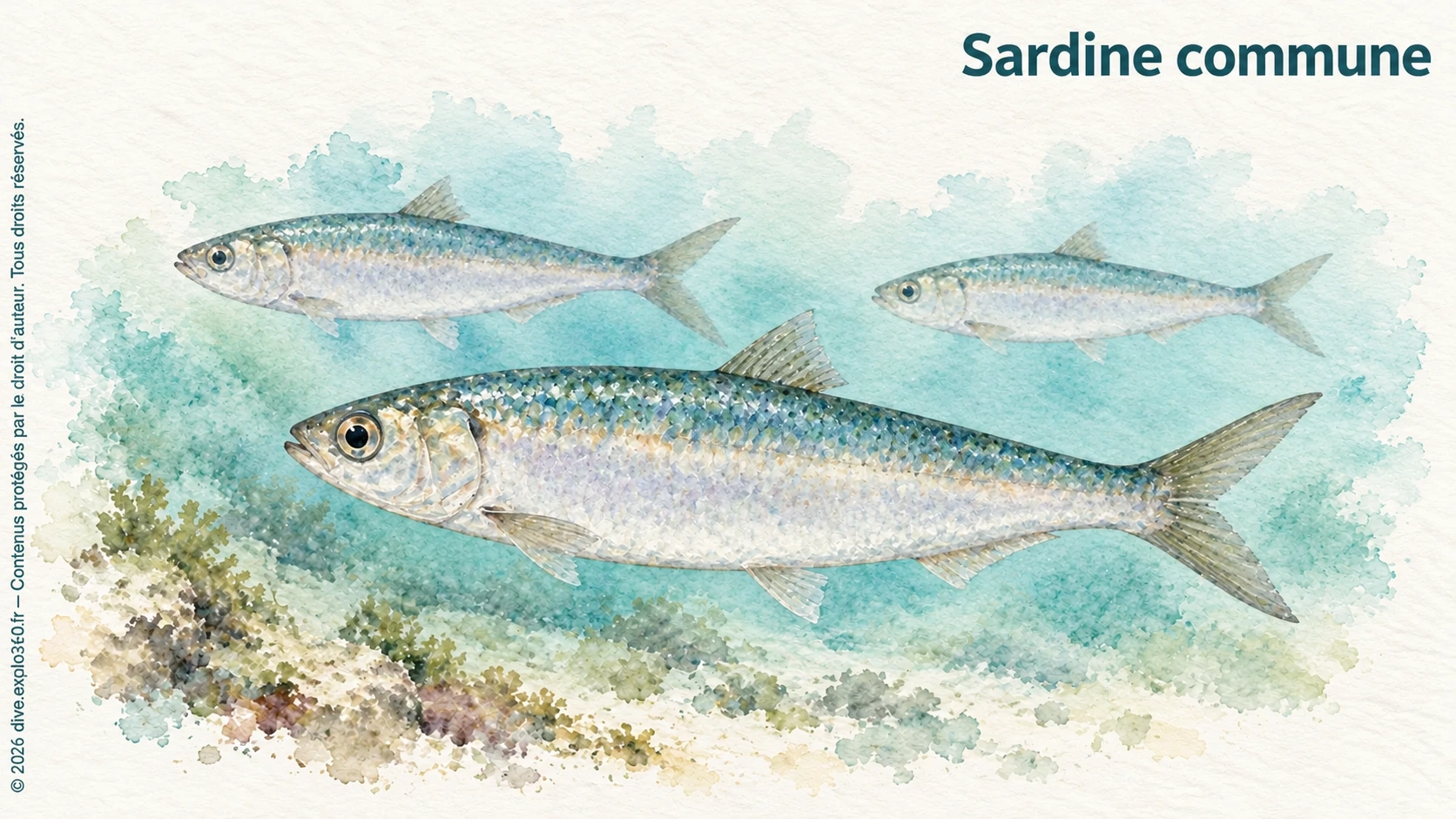 Species guidesEuropean sardineDiscover →
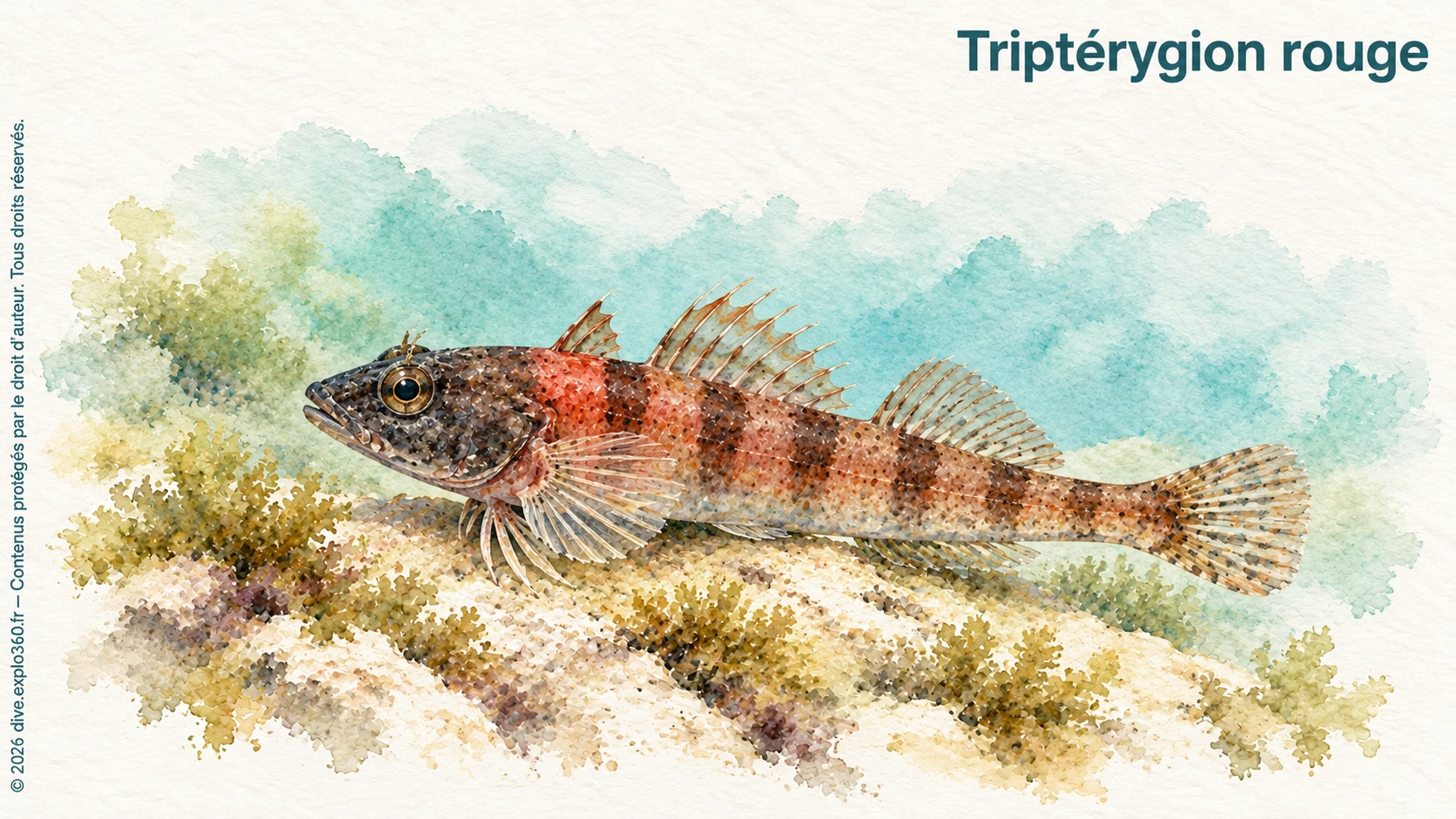 Species guidesRed-black triplefinDiscover →
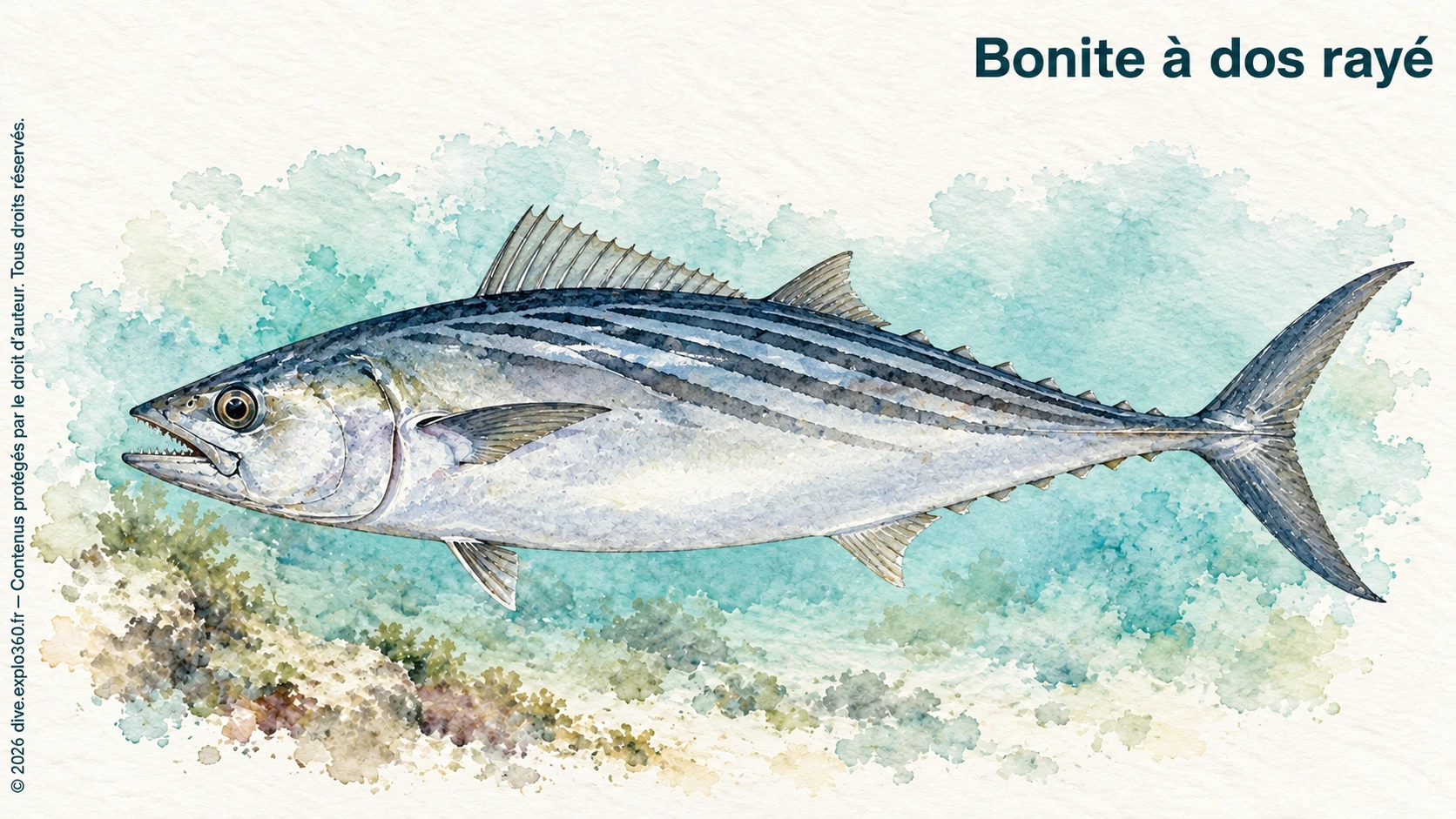 Species guidesAtlantic bonitoDiscover →
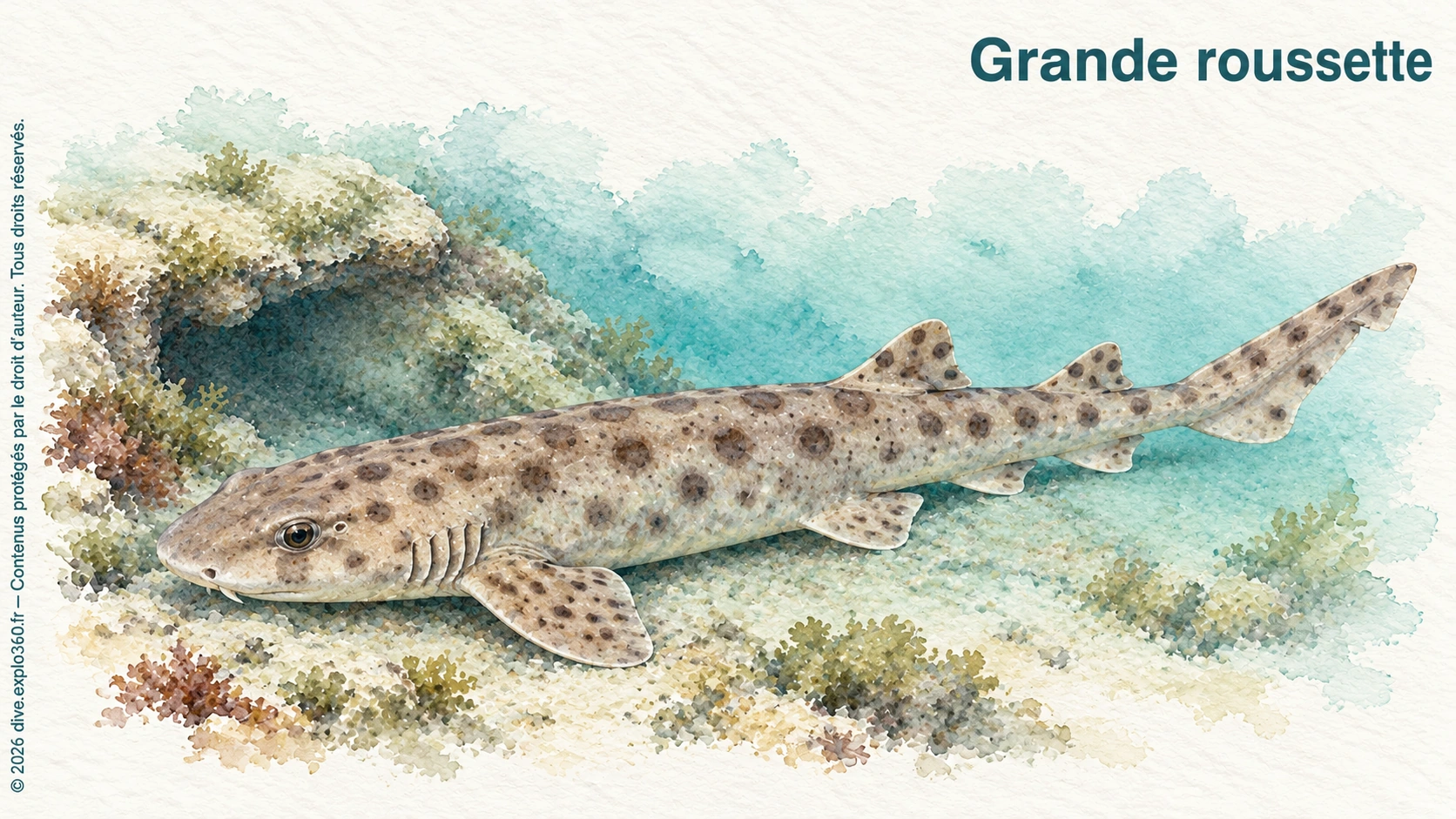 Species guidesNursehoundDiscover →
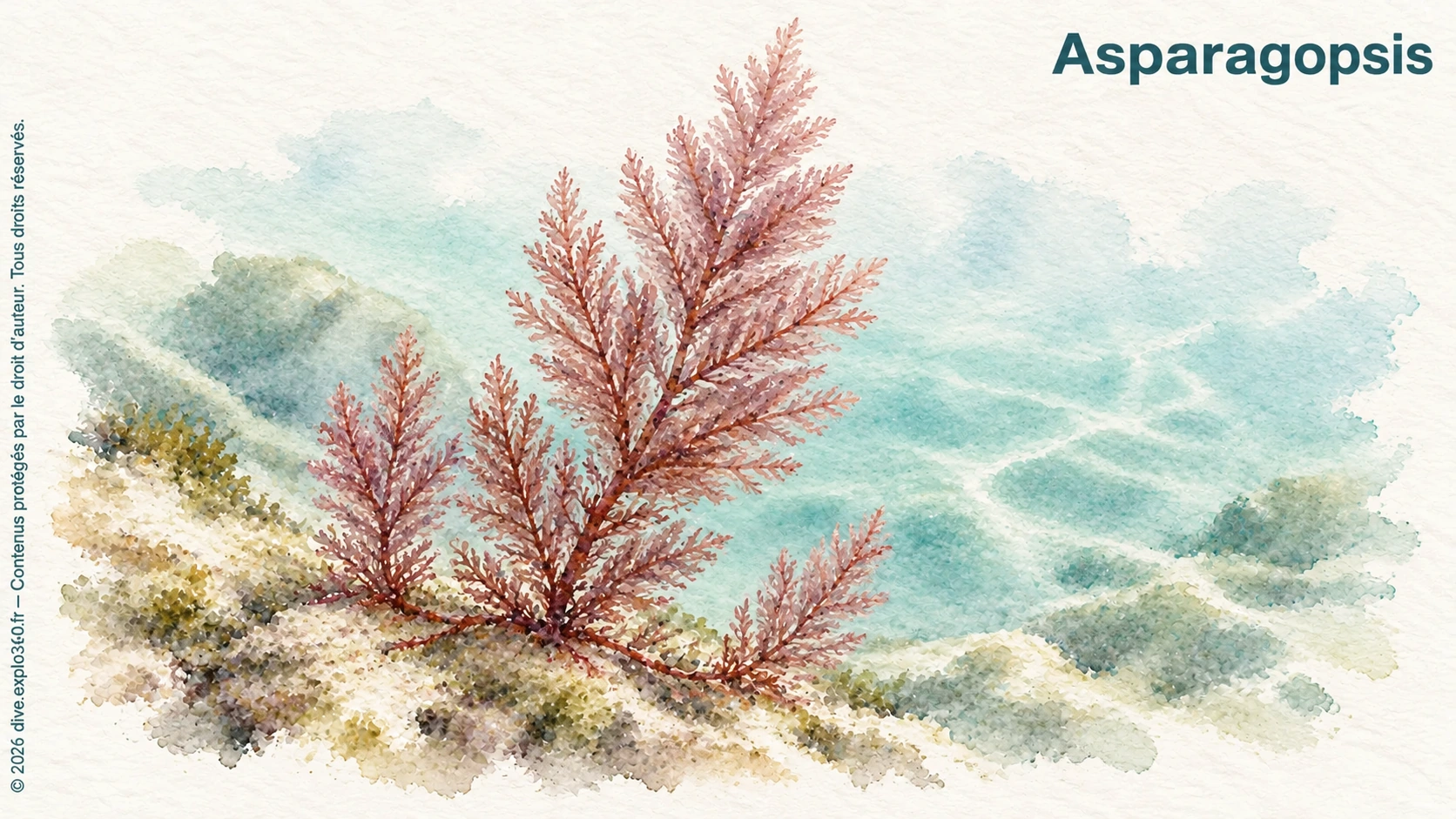 Species guidesAsparagopsis seaweedDiscover →
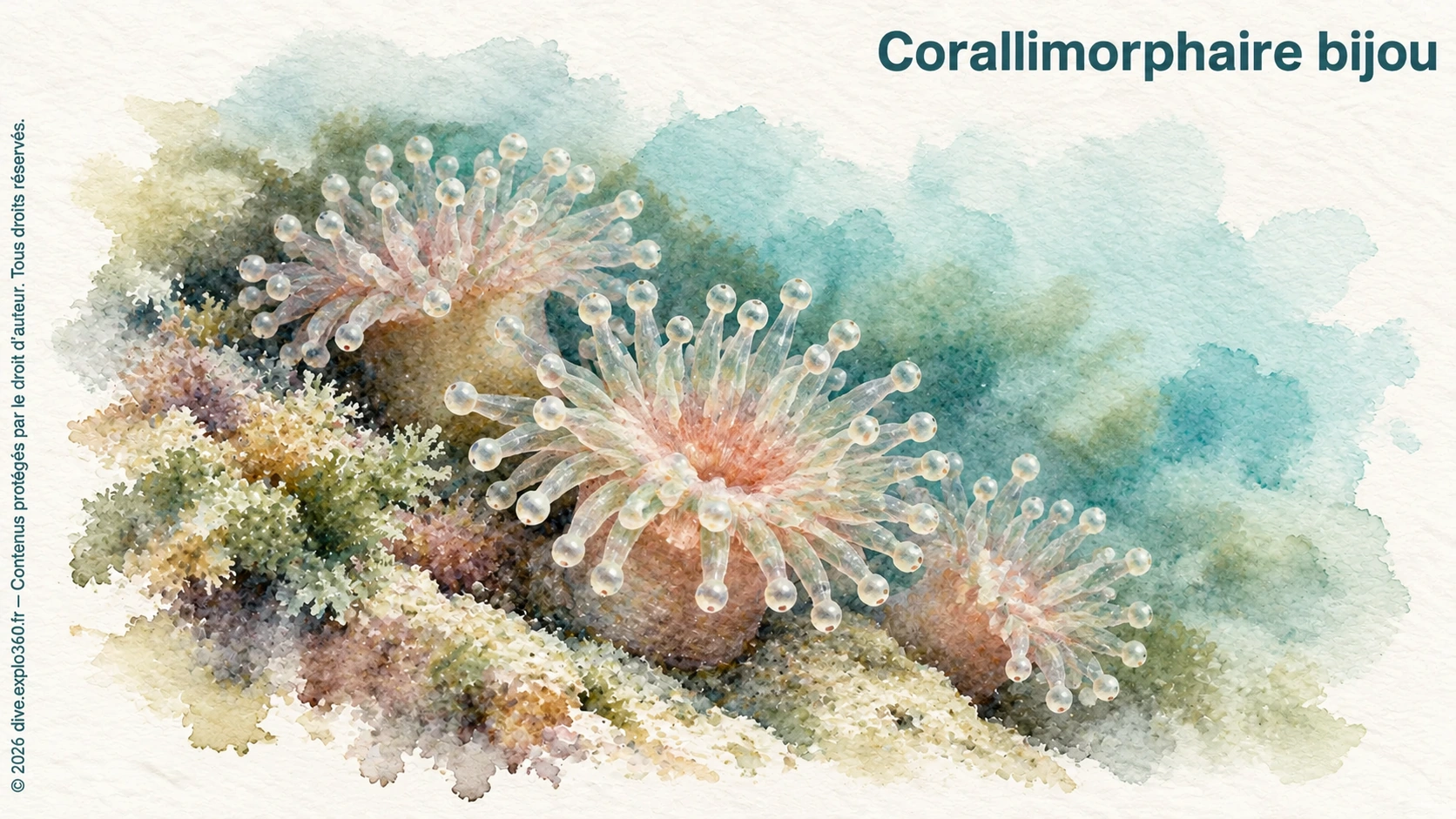 Species guidesJewel anemoneDiscover →
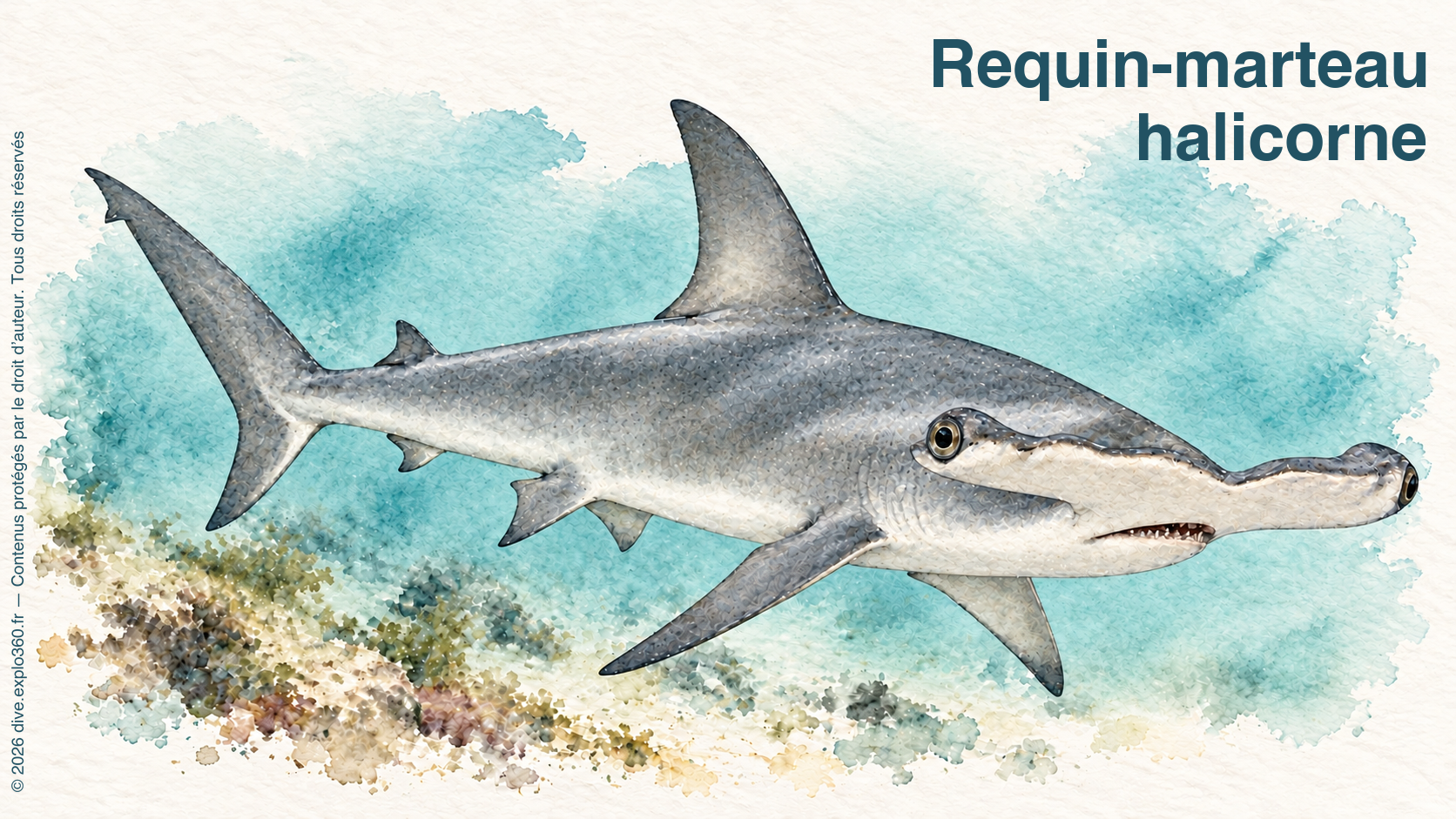 Species guidesScalloped hammerheadDiscover →
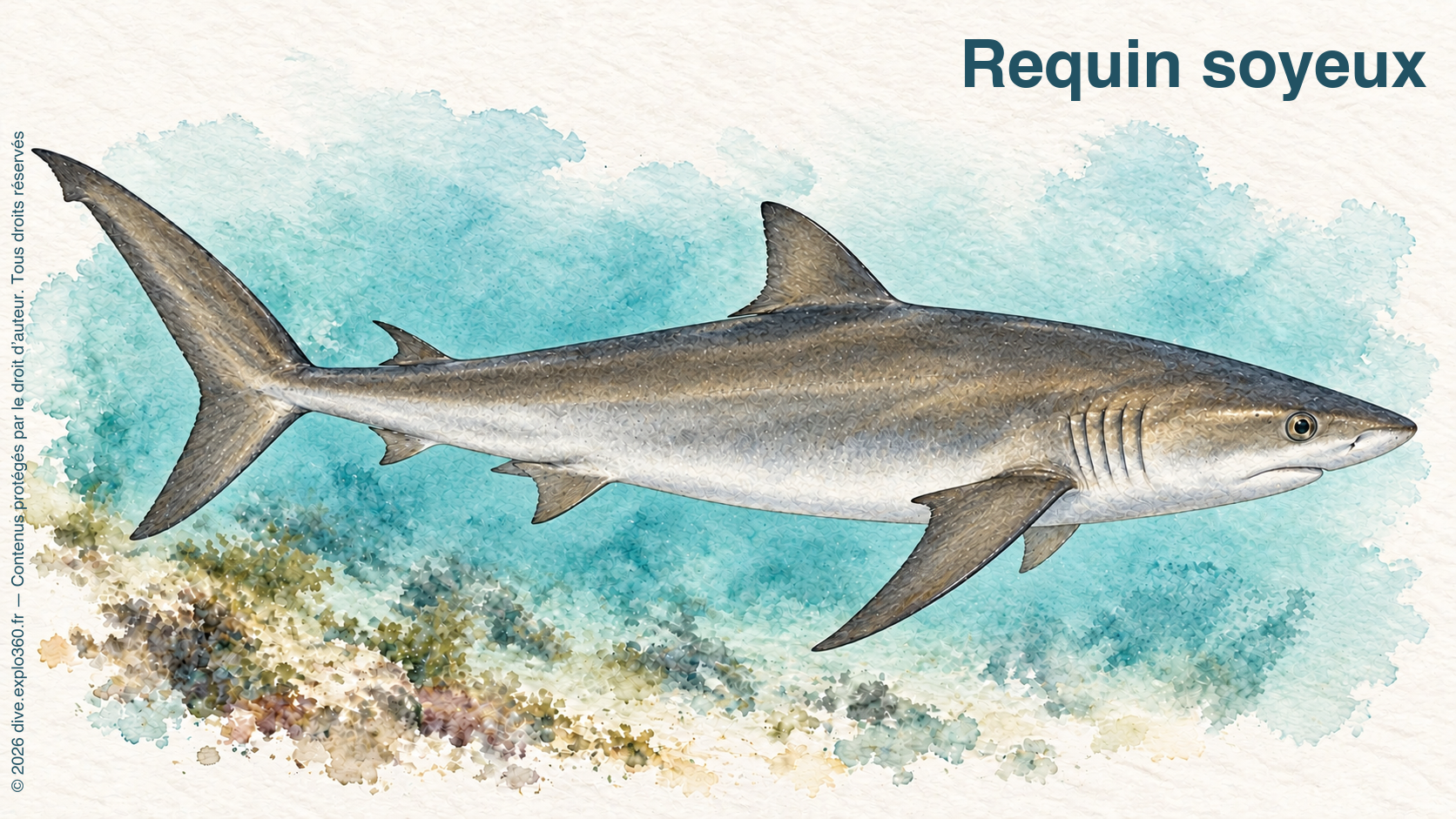 Species guidesSilky sharkDiscover →
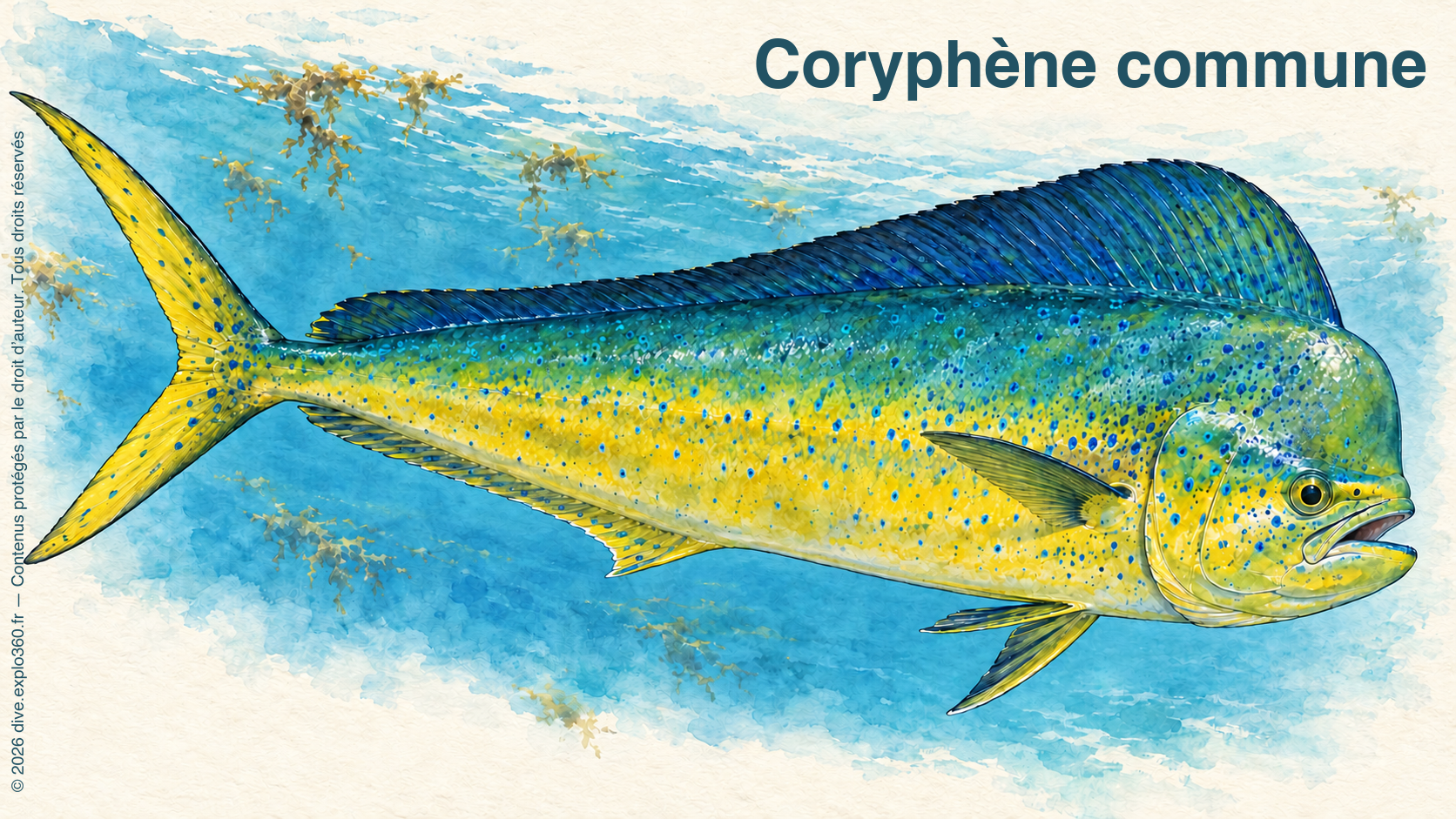 Species guidesCommon dolphinfishDiscover →
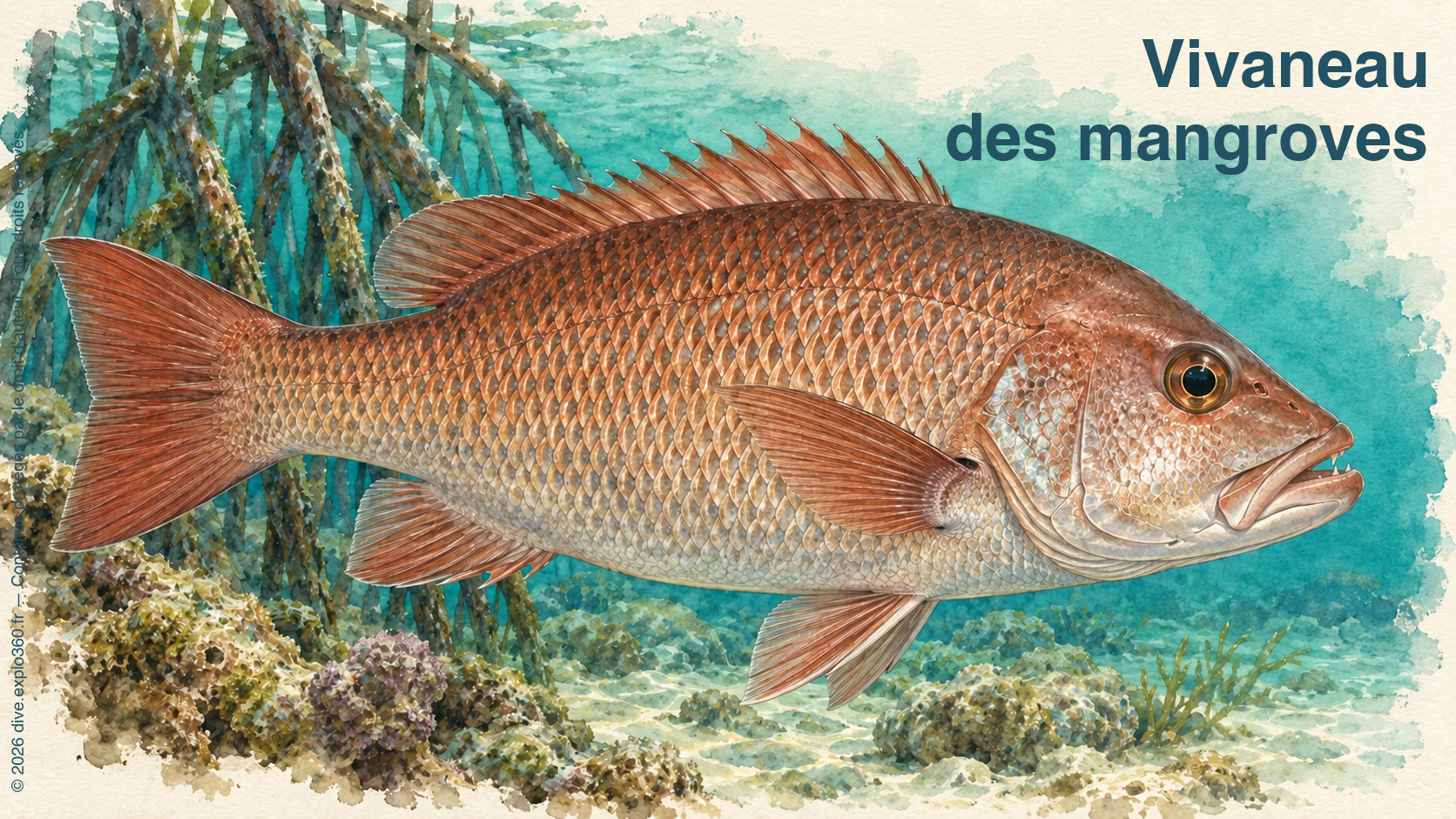 Species guidesMangrove red snapperDiscover →
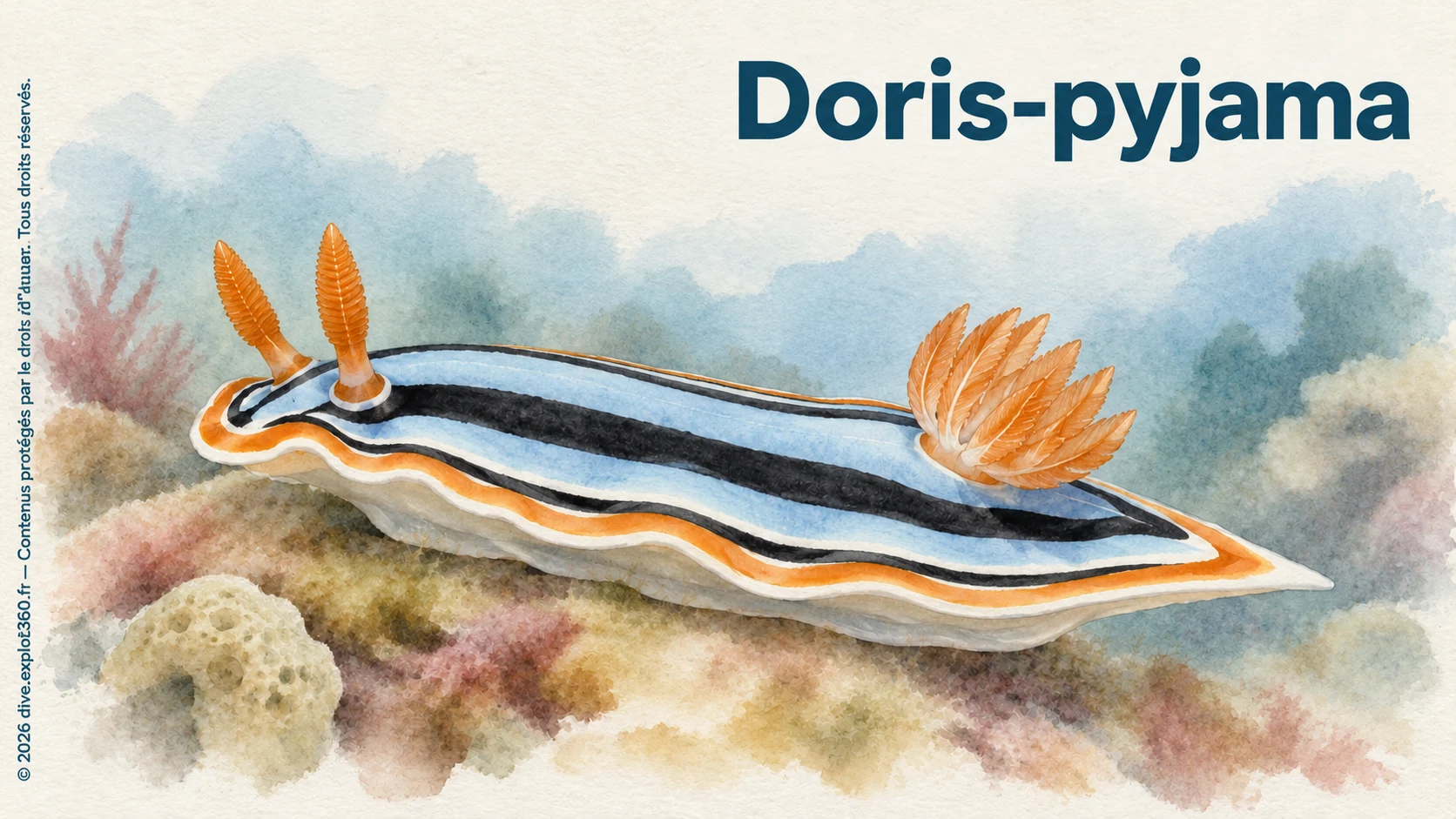 Species guidesPyjama nudibranchDiscover →