Partners and Dive.Explo360 explorers

Contact us

Verification code

Bodies and adaptations

After an overview of marine body plans, discover how animals swim, breathe, defend themselves and, in some cases, regrow organs.

PHYLA WITHOUT THE FUSS Available1/3 public · licence required for the rest

Multiple marine regions

MediterraneanAtlantic

Miscellaneous · Natural history

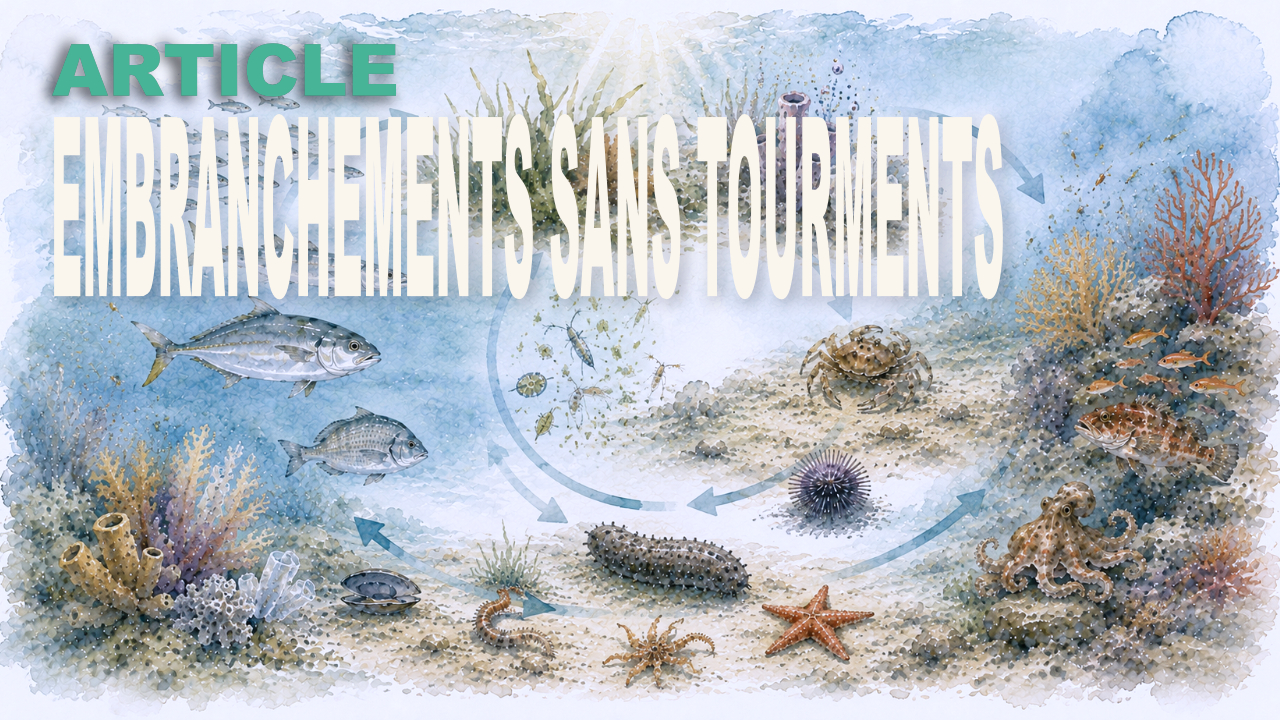
PHYLA WITHOUT THE FUSS

If you’ve taken a marine biology course for divers, you may remember the table of phyla. It came with unfamiliar names and an evolutionary timeline, and it was easy to forget as soon as you’d learnt it. Start instead…
6–10 yearsUnavailable 11–14 years 15–17 years Adults (18+)
Getting startedPublic 2 min · Lic. 5 min 1 / 10 Read the article
MASTERS OF BUOYANCY Available1/3 public · licence required for the rest

Multiple marine regions

MediterraneanAtlantic

Anatomy · Science

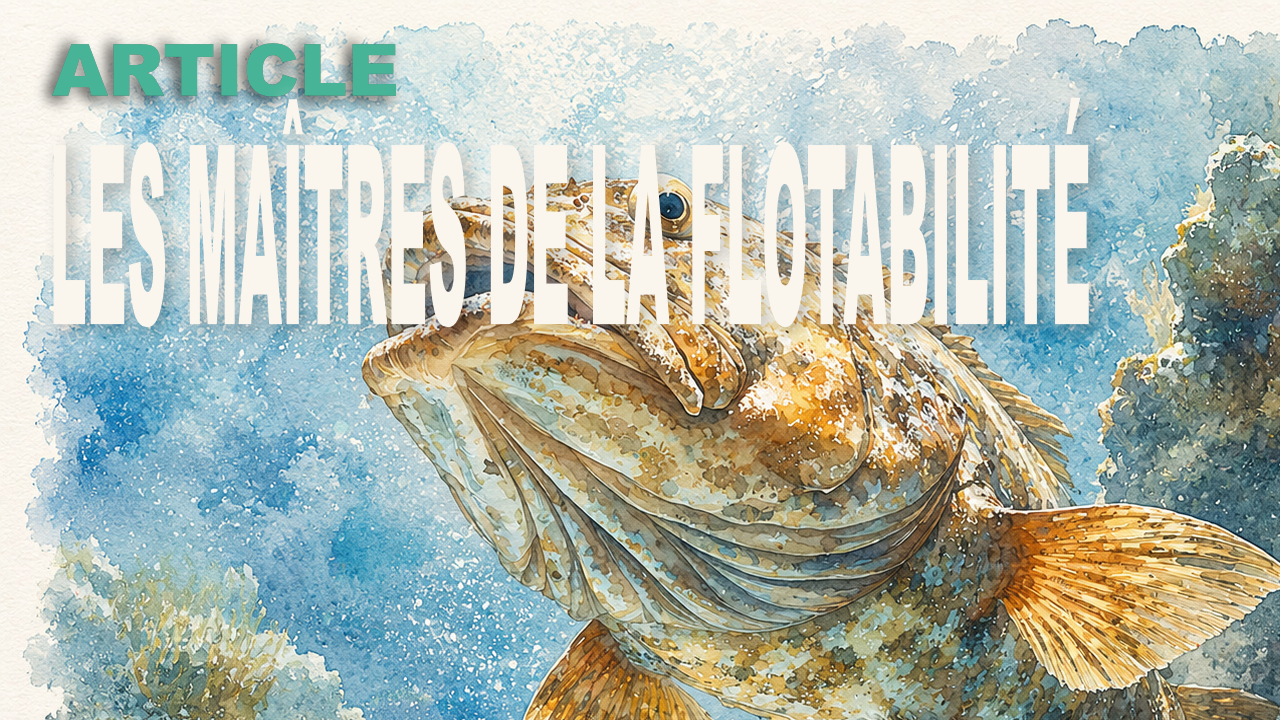
MASTERS OF BUOYANCY

A fish can hang above a Mediterranean reef with barely a stroke of its fins. In many bony fish, a pocket of gas inside the body makes that possible. The swim bladder saves effort at a steady depth, but what happens to…

6–10 yearsUnavailable 11–14 years 15–17 years Adults (18+)
UnderstandingPublic 2 min · Lic. 5 min 2 / 10 Read the article
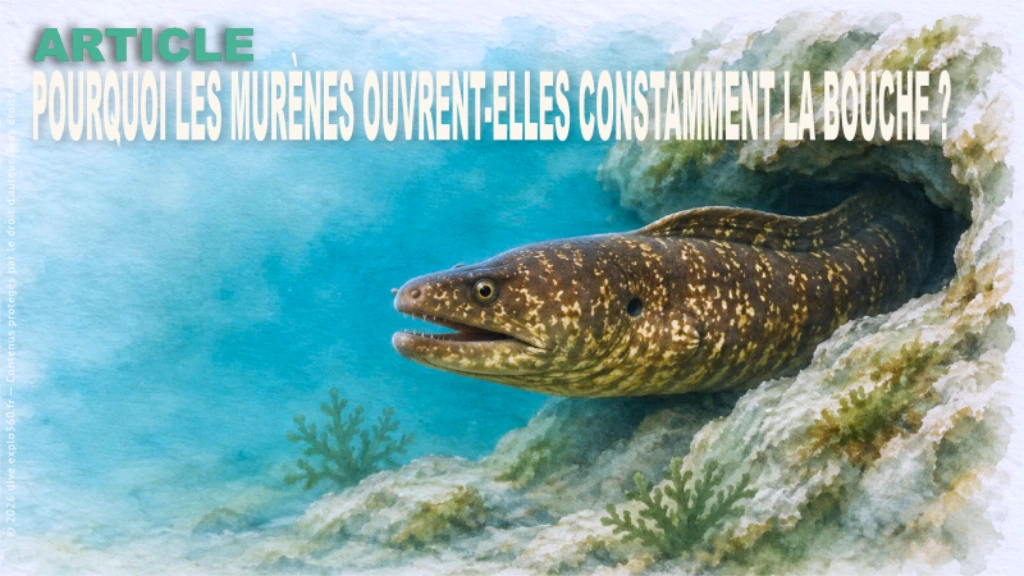
A moray with its mouth ajar in a reef crevice. Available1/3 public · licence required for the rest

Multiple marine regions

MediterraneanAtlantic

Way of life · Behaviour

Why do morays keep opening their mouths?

At the entrance to a reef crevice, a moray can lie almost entirely out of sight. Its jaws part, the pointed teeth show, and the throat moves. Then the jaws close and the whole sequence begins again. That steady rhythm…

6–10 years 11–14 years 15–17 years Adults (18+)
UnderstandingPublic 3 min · Lic. 6 min 4 / 10 Read the article
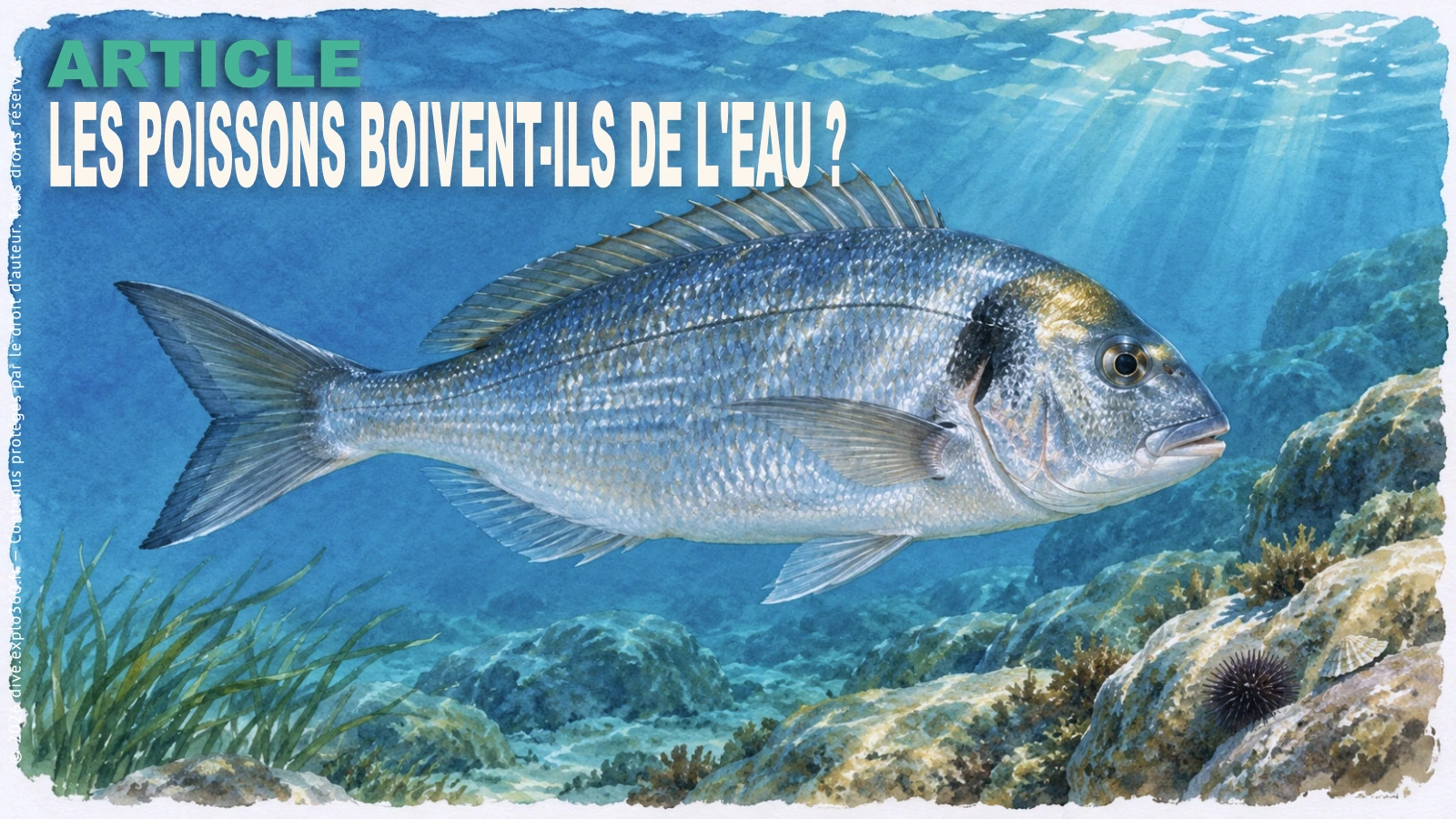
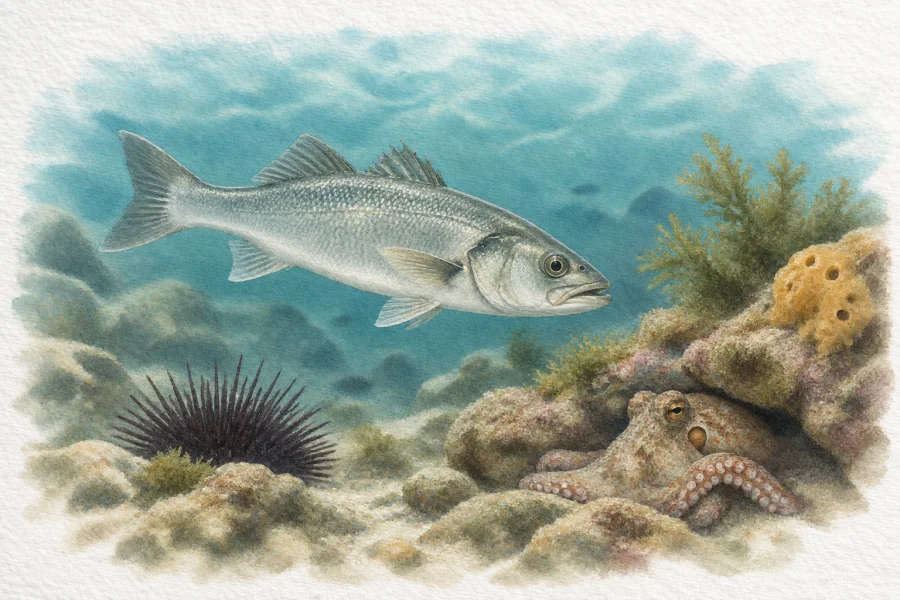
A seabream in seawater illustrates hydration based on drinking and osmoregulation. Available1/3 public · licence required for the rest

Multiple marine regions

MediterraneanAtlantic

Way of life · Natural history

Do fish drink water?

A sea bream opens its mouth and water washes over its gills. Watch it on a dive and you might think every mouthful is a drink. Much of that water will flow straight back out. Some, though, must be swallowed. Surrounded…

6–10 years 11–14 years 15–17 years Adults (18+)
Going deeperPublic 3 min · Lic. 7 min 5 / 10 Read the article
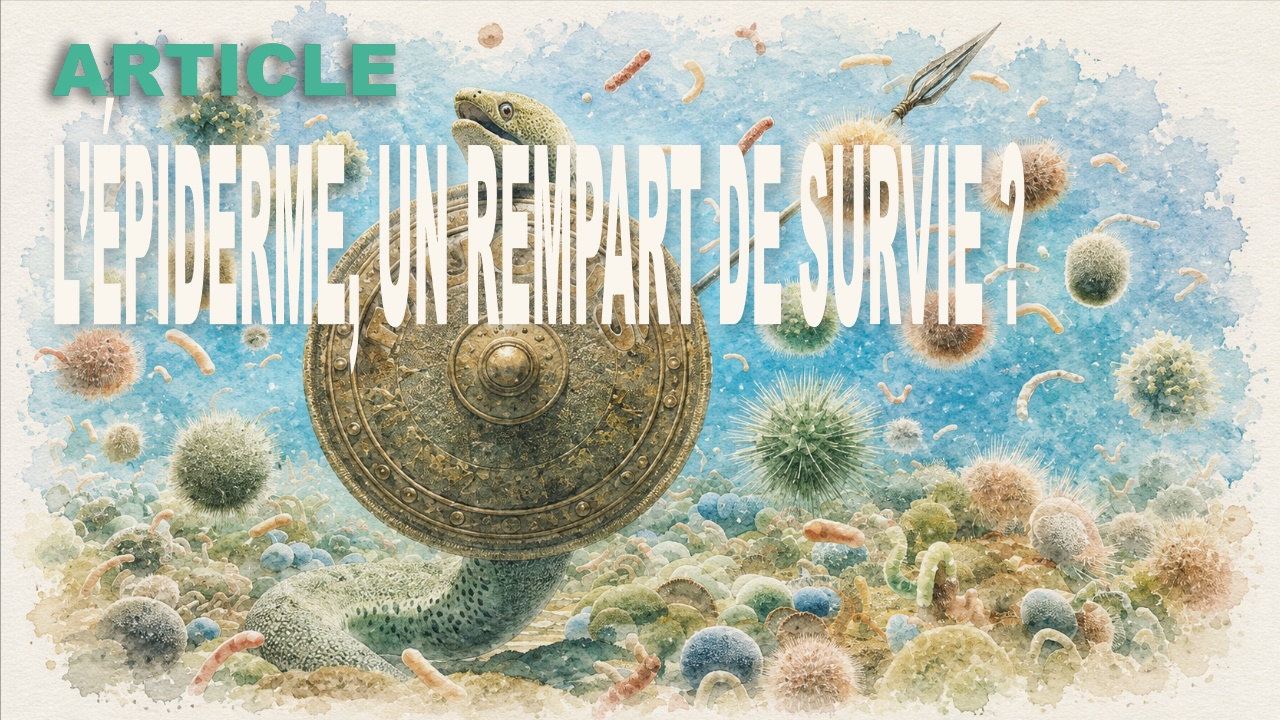
THE EPIDERMIS: A SHIELD FOR SURVIVAL? Available1/3 public · licence required for the rest

Article region: Mediterranean

Mediterranean

Anatomy · Science

How a fish’s skin protects it

A moray’s skin can look smooth, while a shark’s can be studded with structures that resemble tiny teeth. On a sole, the patterns can make the fish hard to pick out against the sand. To understand what those surfaces do,…

6–10 yearsUnavailable 11–14 years 15–17 years Adults (18+)
UnderstandingPublic 2 min · Lic. 6 min 6 / 10 Read the article
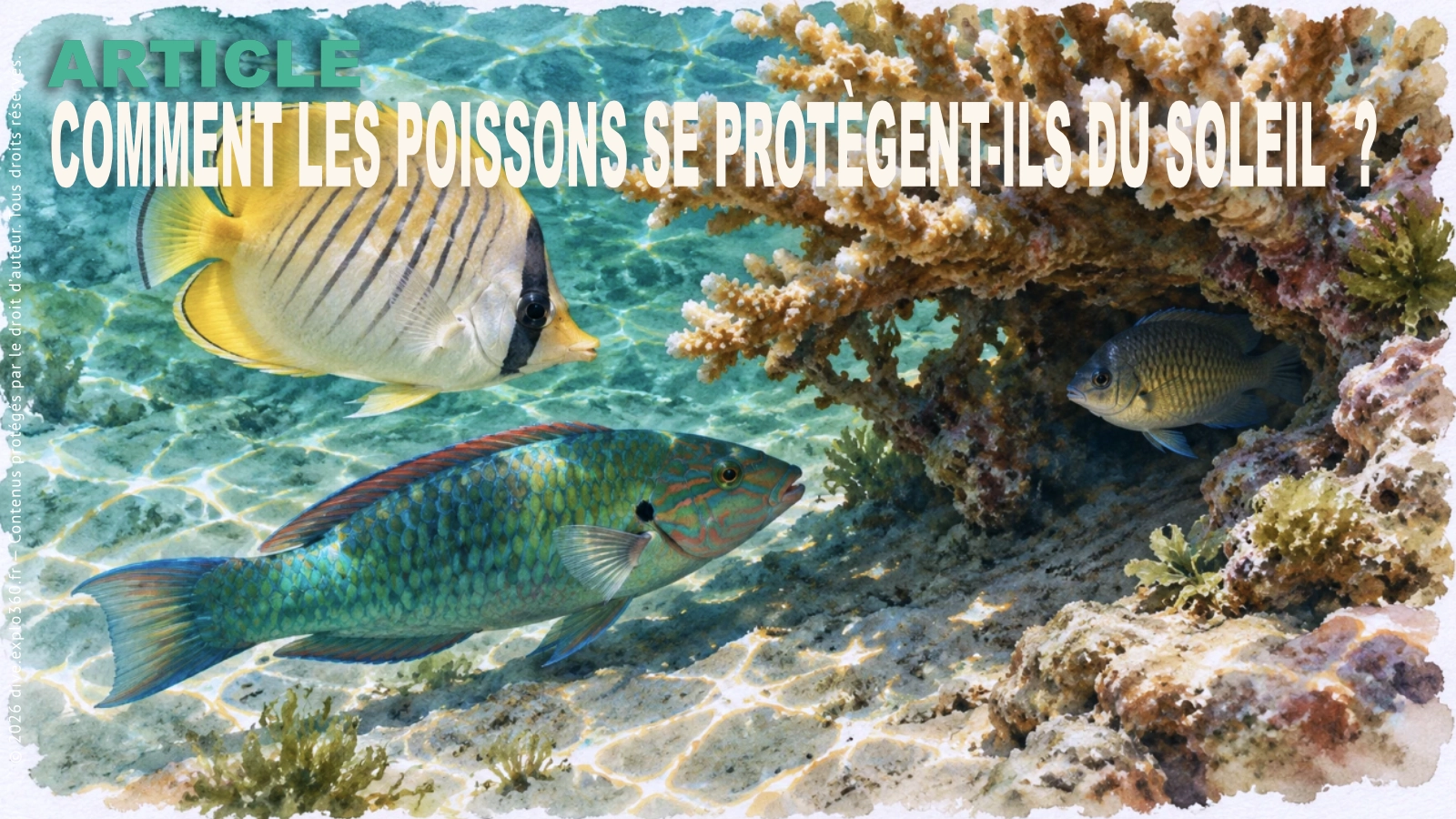
Artist’s view of fish in the sunlit shallows of a tropical reef. Available1/3 public · licence required for the rest

Multiple marine regions

Red SeaRaja Ampat

Ecology · Science

HOW DO FISH PROTECT THEMSELVES FROM THE SUN?

A bluestreak cleaner wrasse leaves its station and swims through a shaft of sunlight. Nearby, damselfish hold their territories above the reef. In such clear water, some of the Sun’s ultraviolet radiation travels far…

6–10 years 11–14 years 15–17 years Adults (18+)
Going deeperPublic 4 min · Lic. 12 min 7 / 10 Read the article
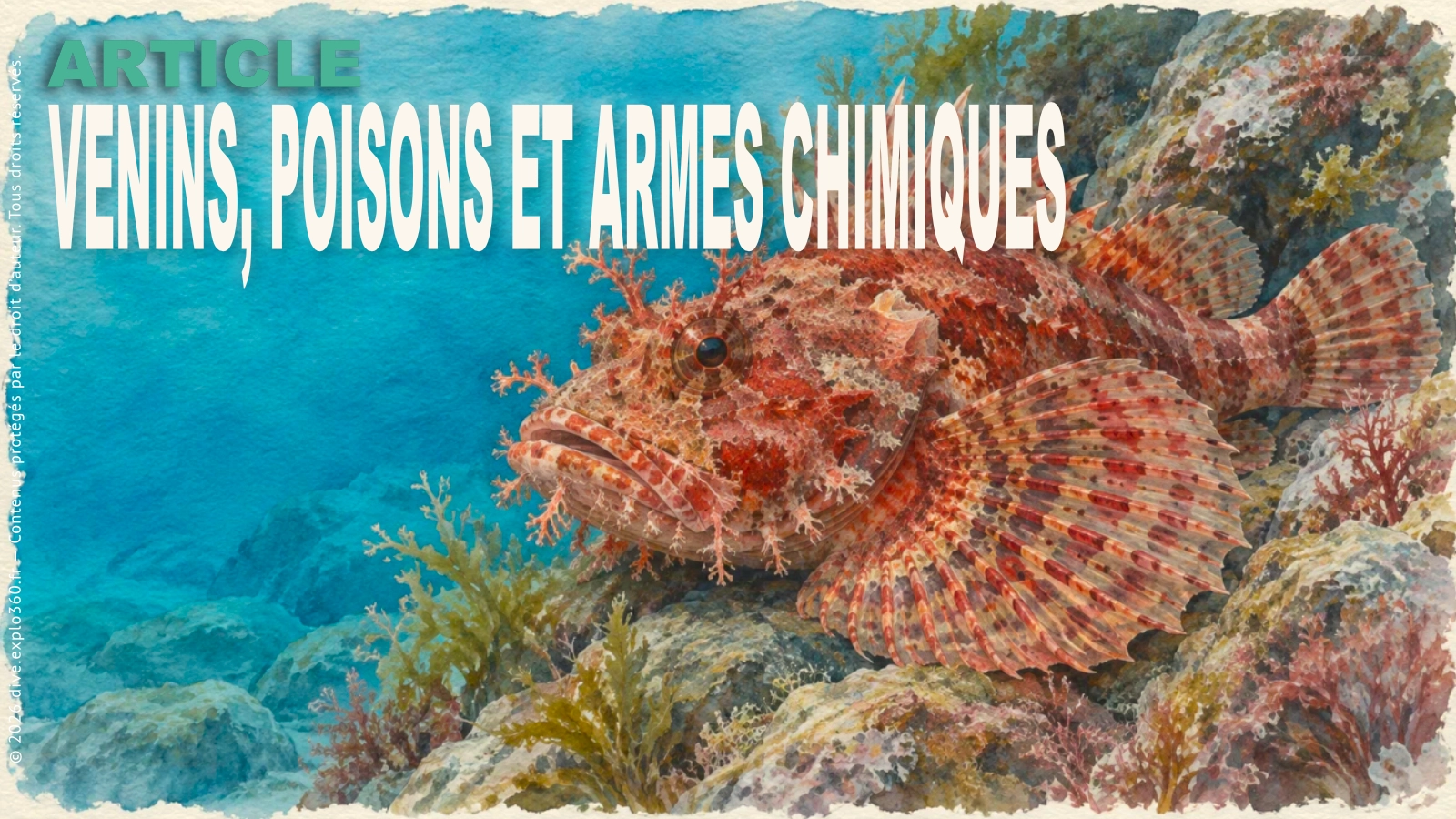
A red scorpionfish on a rocky Mediterranean seabed. Available1/3 public · licence required for the rest

Multiple marine regions

MediterraneanAtlantic

Way of life · Natural history

Venoms, poisons and chemical weapons: the invisible battle

A scorpionfish can disappear against the rocks. A brightly coloured nudibranch moves slowly in full view, and an anemone waits with its tentacles spread. The chemistry behind those encounters becomes visible in what…

6–10 years 11–14 years 15–17 years Adults (18+)
UnderstandingPublic 2 min · Lic. 4 min 8 / 10 Read the article
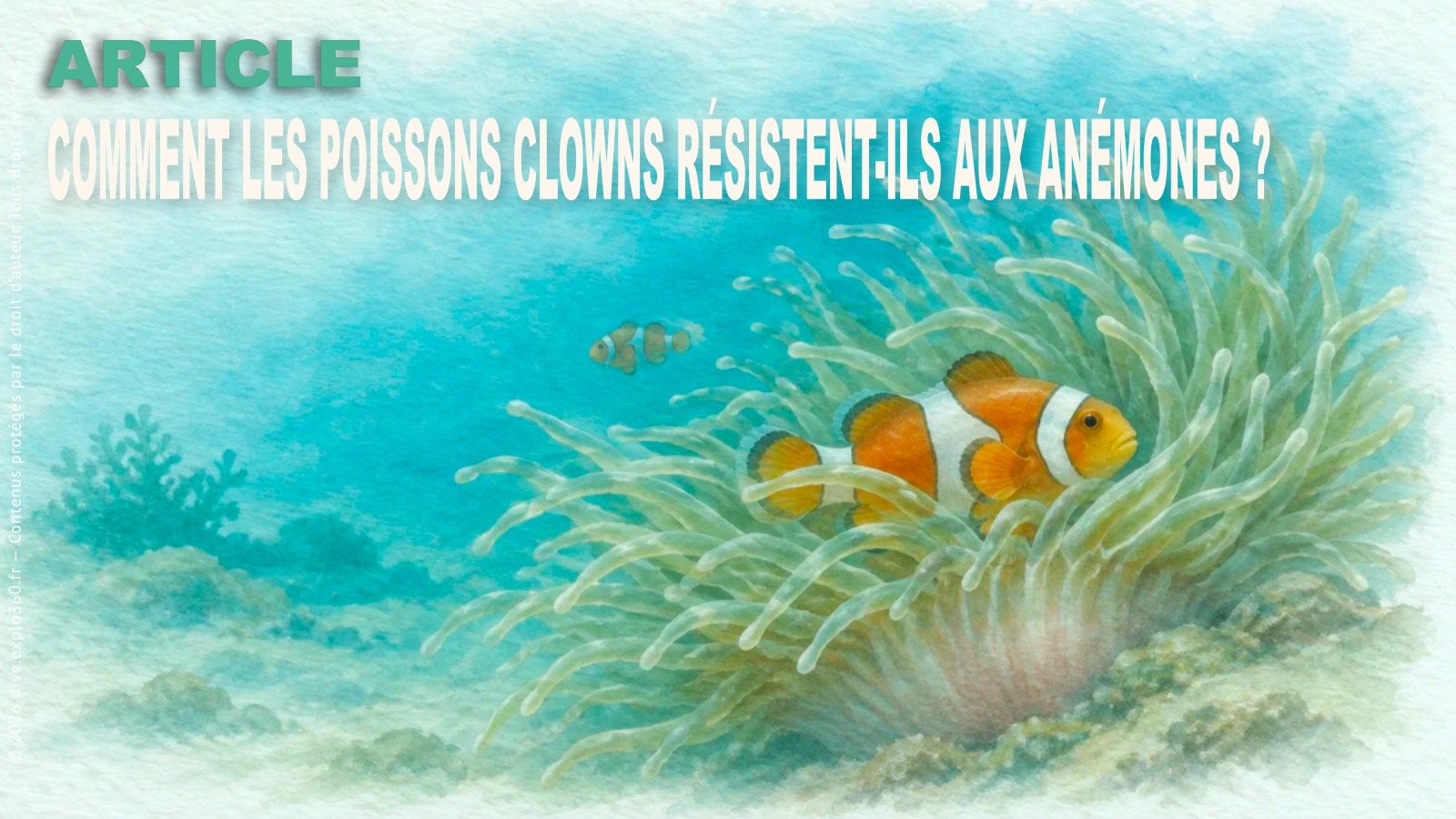
Clownfish among the tentacles of an anemone. Available1/3 public · licence required for the rest

Multiple marine regions

Red SeaRaja Ampat

Way of life · Behaviour

How do clownfish avoid anemone stings?

A clownfish pauses at the edge of an anemone, brushes a tentacle and backs away. A moment later it is among the tentacles, out of sight. Those same tentacles can immobilise a shrimp, yet the fish can spend the night…

6–10 years 11–14 years 15–17 years Adults (18+)
Going deeperPublic 3 min · Lic. 7 min 9 / 10 Read the article
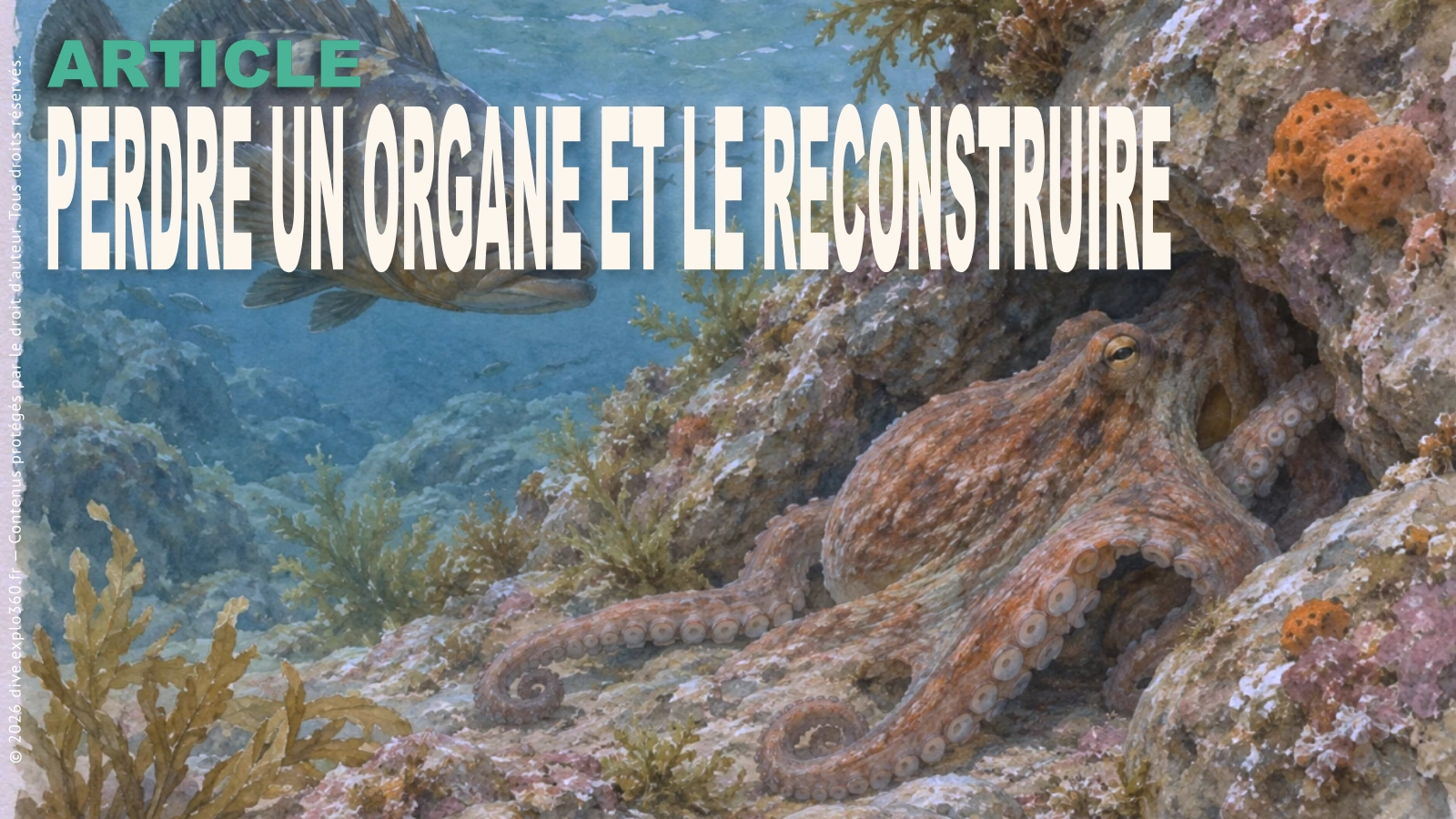
A grouper approaches an octopus at a rocky crevice. Available1/3 public · licence required for the rest

Multiple marine regions

MediterraneanAtlantic

Anatomy · Natural history

How marine animals regrow lost body parts

A sea star survives a bite but loses an arm. An octopus can lose part of an arm as it pulls free of a predator. Some sea cucumbers respond to a threat by expelling internal organs. Escaping is only the first hurdle. The…

6–10 years 11–14 years 15–17 years Adults (18+)
Going deeperPublic 4 min · Lic. 10 min 10 / 10 Read the article