Partners and Dive.Explo360 explorers

Contact us

Verification code

How marine animals adapt

Compare body shapes and see how they help animals swim, breathe, defend themselves and regrow body parts.

PHYLA WITHOUT THE FUSS Available1/3 public · licence required for the rest

Multiple marine regions

MediterraneanAtlantic

Miscellaneous · Natural history

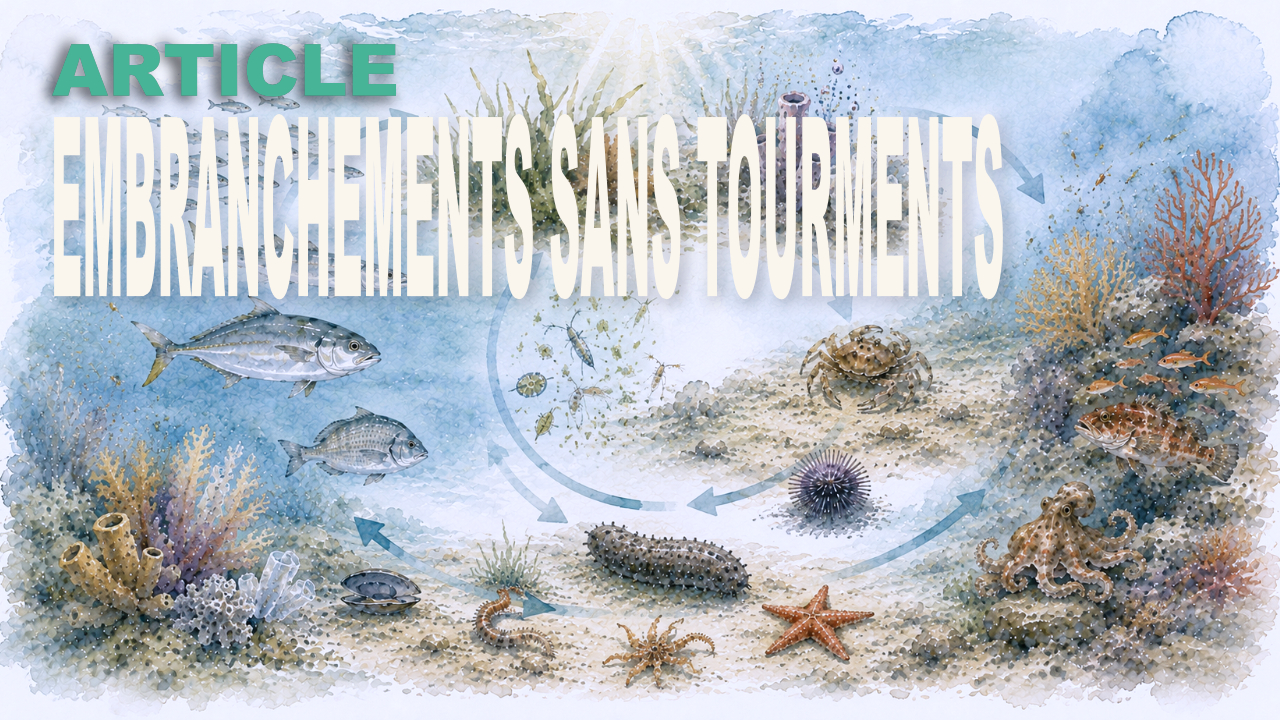
PHYLA WITHOUT THE FUSS

A sponge, a sea star and an anemone look very different. To make sense of that variety, scientists sort animals into major groups called **phyla**. Animals in the same phylum share features of their body plan. Once you…
6–10 yearsUnavailable 11–14 years 15–17 years Adults (18+)
Getting startedPublic 3 min · Lic. 6 min 1 / 10 Read the article
MASTERS OF BUOYANCY Available1/3 public · licence required for the rest

Multiple marine regions

MediterraneanAtlantic

Anatomy · Science

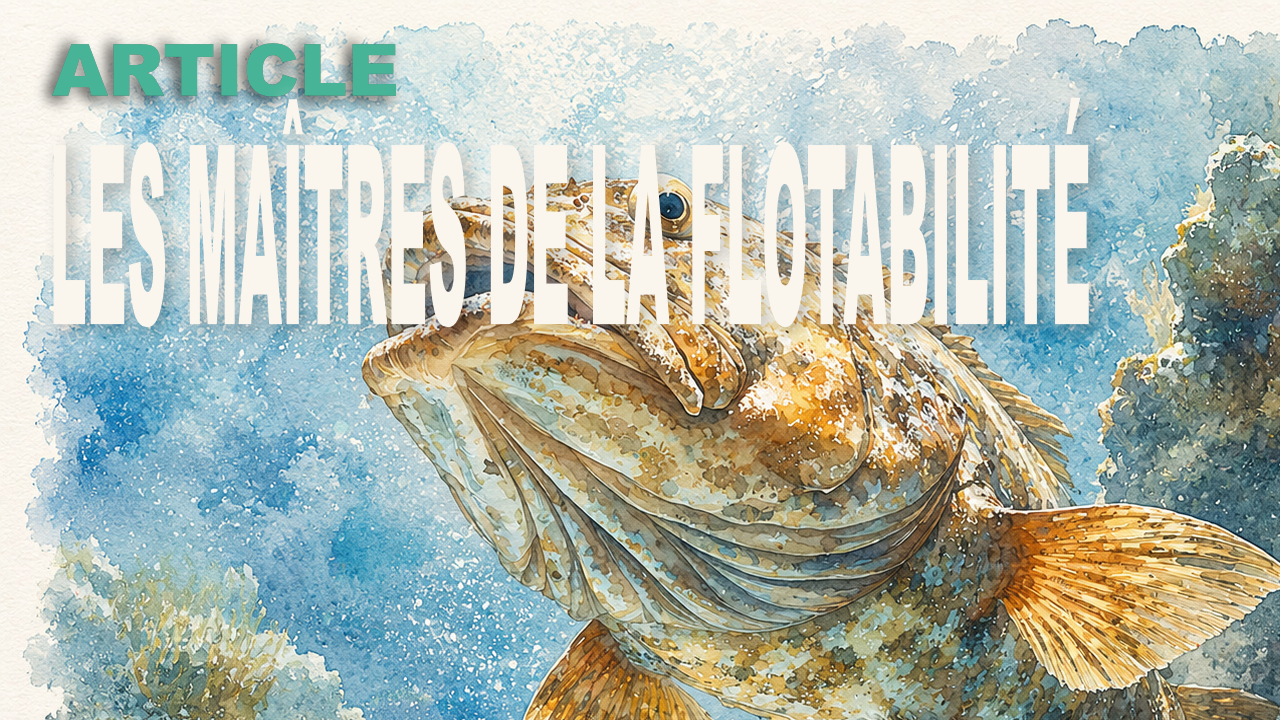
MASTERS OF BUOYANCY

A fish can hang in the water without sinking to the seabed. How does it do that? Many bony fish have a **swim bladder**, a small sac filled with gas that helps them stay at the same depth. Sharks and fish such as…

6–10 yearsUnavailable 11–14 years 15–17 years Adults (18+)
UnderstandingPublic 3 min · Lic. 7 min 2 / 10 Read the article
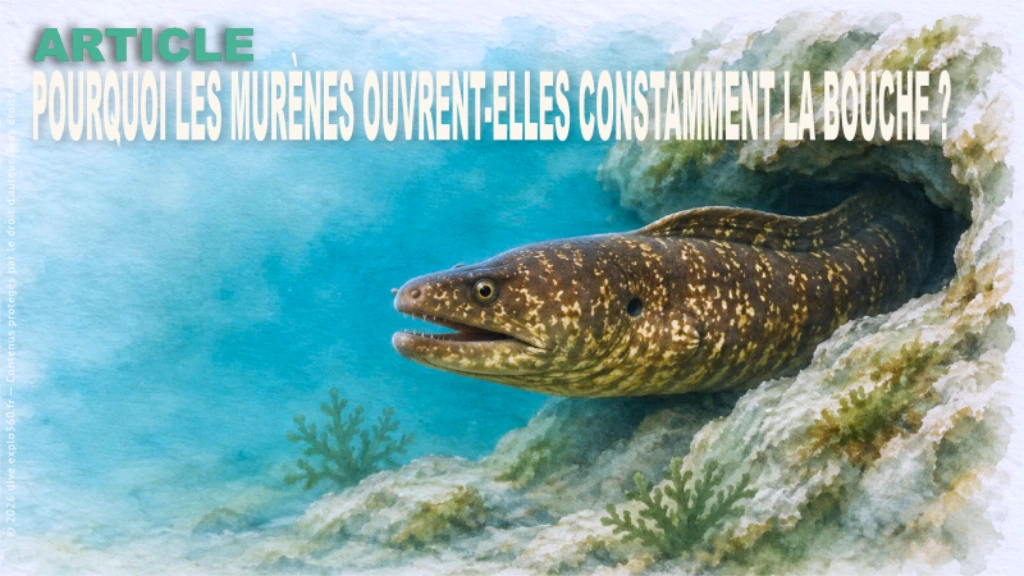
A moray with its mouth ajar in a reef crevice. Available1/3 public · licence required for the rest

Multiple marine regions

MediterraneanAtlantic

Way of life · Behaviour

Why do morays keep opening their mouths?

A moray can sit in a crack with hardly any of its body showing. Its jaws keep moving. Watch just behind the head and you’ll find two small openings that help explain why.

6–10 years 11–14 years 15–17 years Adults (18+)
UnderstandingPublic 2 min · Lic. 4 min 4 / 10 Read the article
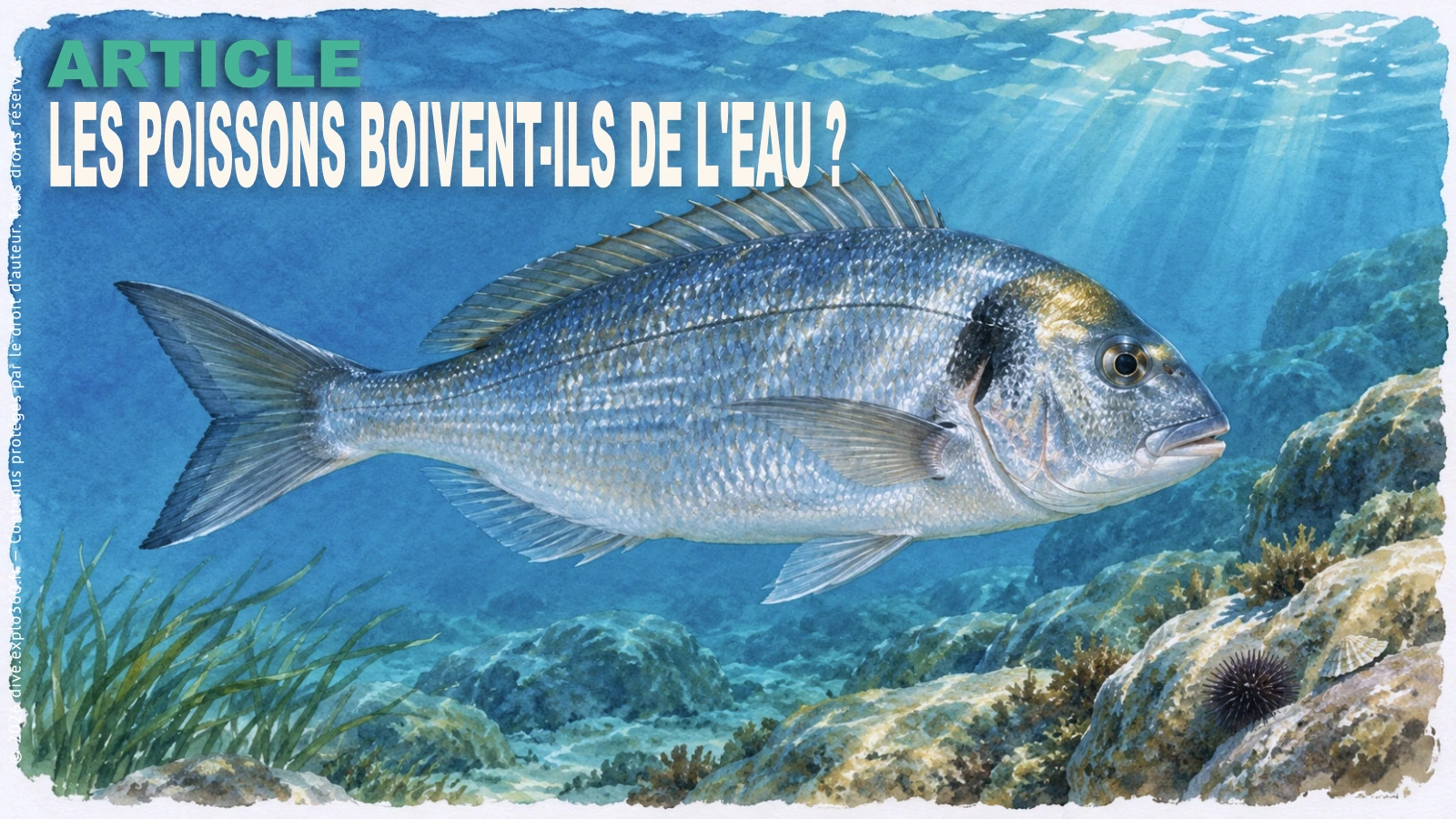
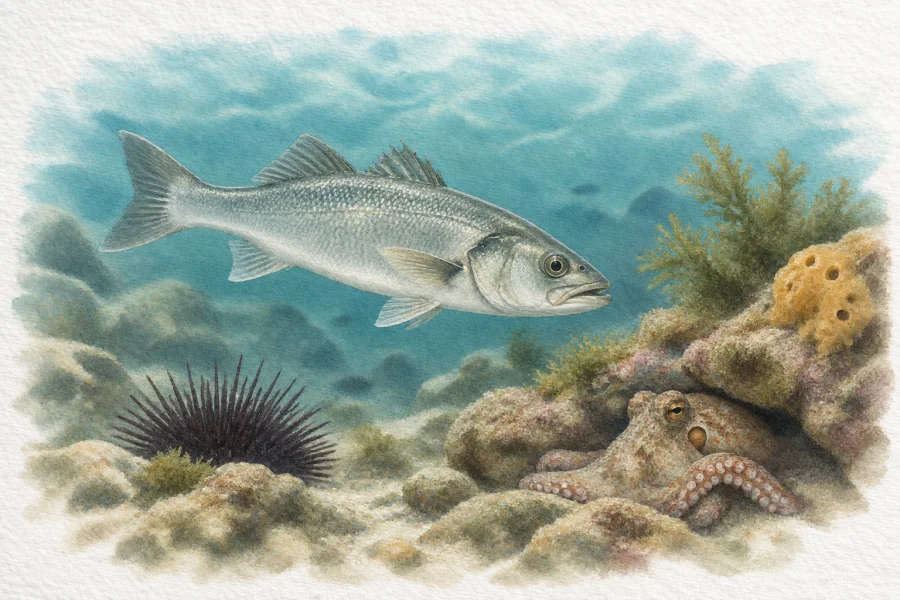
A seabream swims in the sea: living in water does not guarantee hydration. Available1/3 public · licence required for the rest

Multiple marine regions

MediterraneanAtlantic

Way of life · Natural history

Do fish drink water?

Watch a sea bream opening its mouth on a dive. Is it taking a drink? Water flowing over the gills helps it breathe, while water it swallows goes to its gut. That second route helps solve a problem you might not expect: a…

6–10 years 11–14 years 15–17 years Adults (18+)
UnderstandingPublic 3 min · Lic. 6 min 5 / 10 Read the article
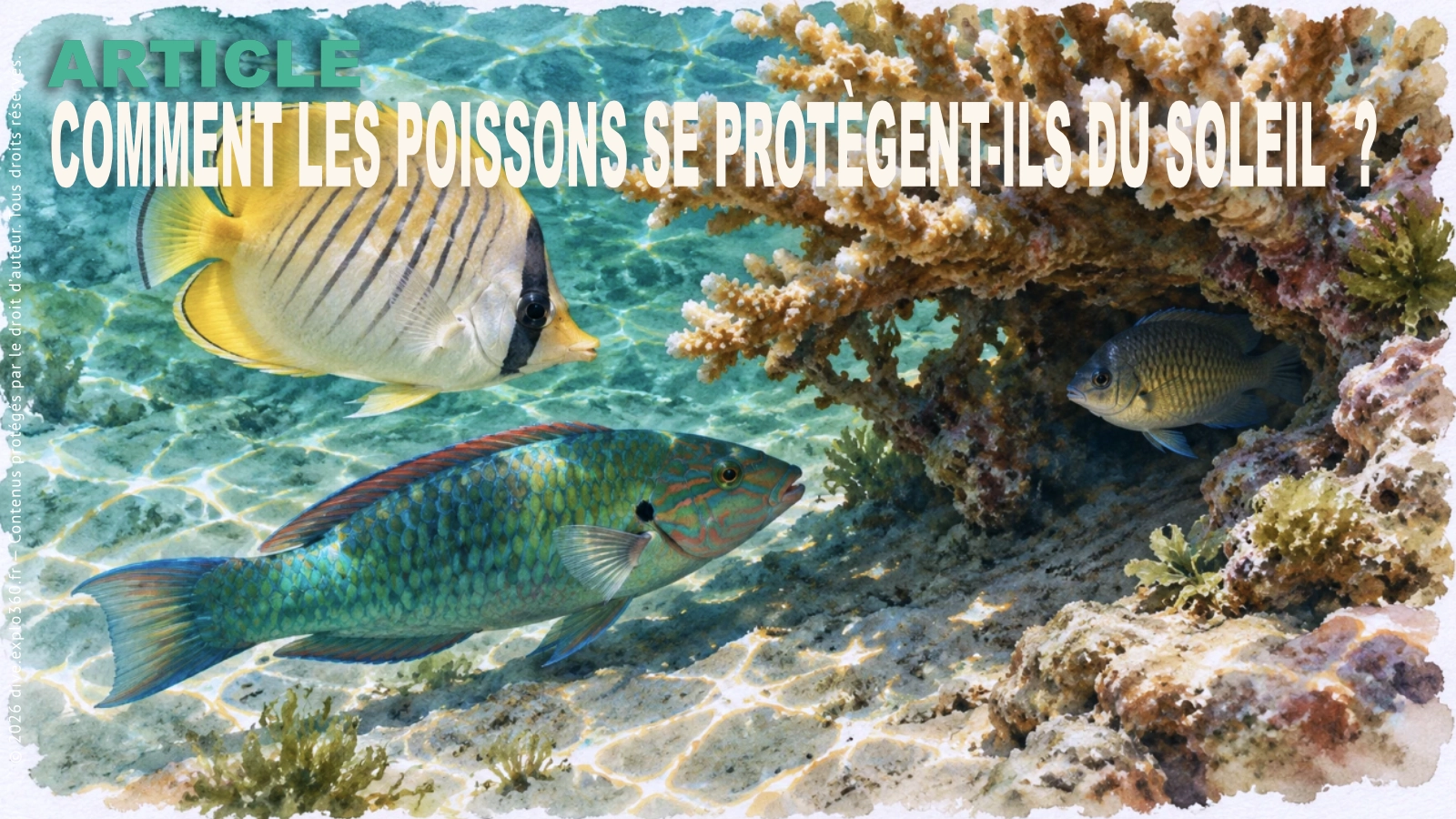
Artist’s view of fish in the sunlit shallows of a tropical reef. Available1/3 public · licence required for the rest

Multiple marine regions

Red SeaRaja Ampat

Ecology · Science

HOW DO FISH PROTECT THEMSELVES FROM THE SUN?

A fish can slip beneath a coral ledge to get out of the sun. If it swims back into the light, pigments in its skin and compounds in its mucus can absorb some of the ultraviolet light reaching it.

6–10 years 11–14 years 15–17 years Adults (18+)
UnderstandingPublic 2 min · Lic. 4 min 7 / 10 Read the article
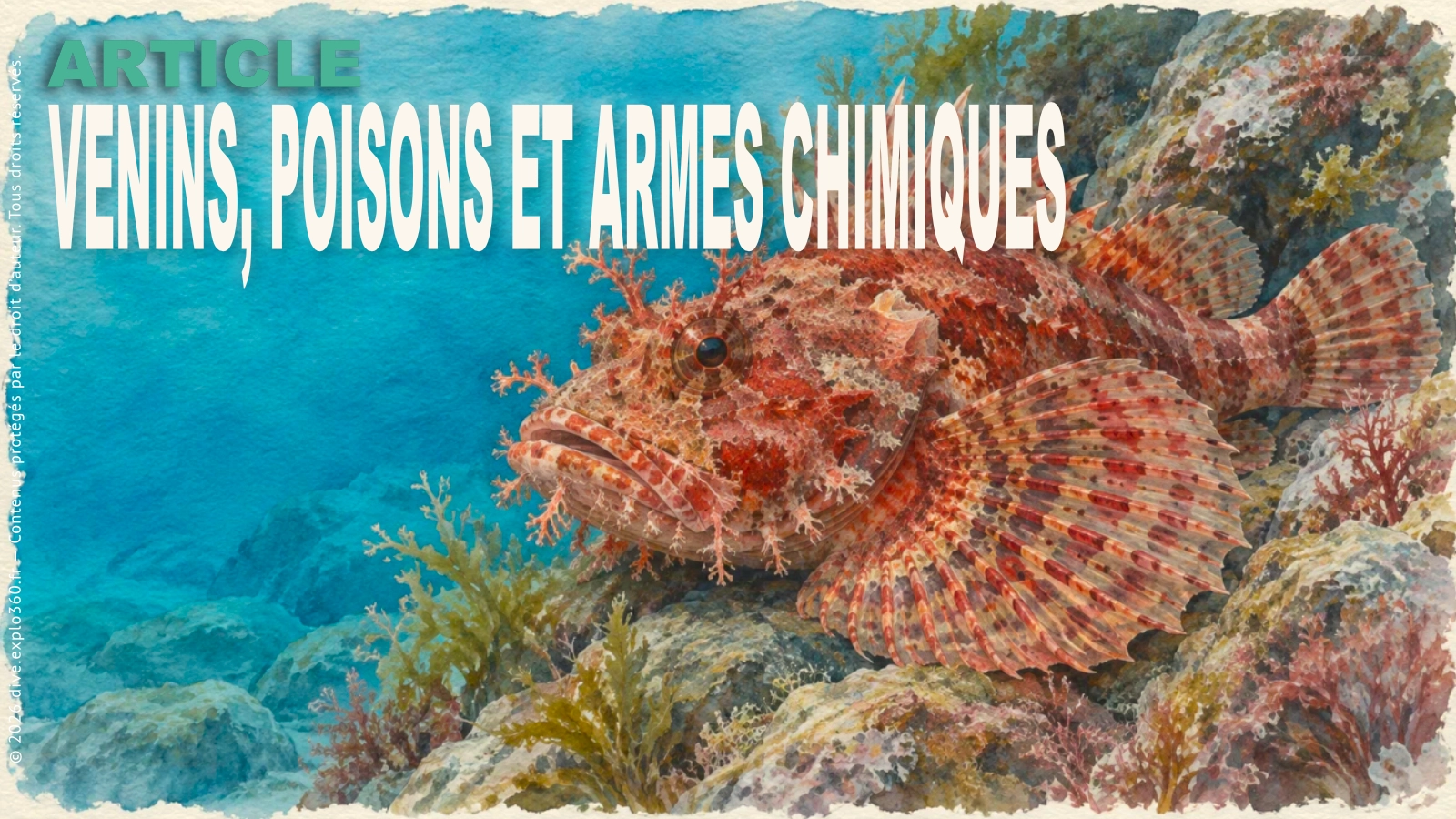
A red scorpionfish on a rocky Mediterranean seabed. Available1/3 public · licence required for the rest

Multiple marine regions

MediterraneanAtlantic

Way of life · Natural history

Venoms, poisons and chemical weapons: the invisible battle

A scorpionfish blends into the rocks, while a brightly coloured sea slug is easy to spot. An anemone stays fixed in place as its tentacles sway. Each animal uses chemicals in a different way to catch food or avoid…

6–10 years 11–14 years 15–17 years Adults (18+)
UnderstandingPublic 2 min · Lic. 4 min 8 / 10 Read the article
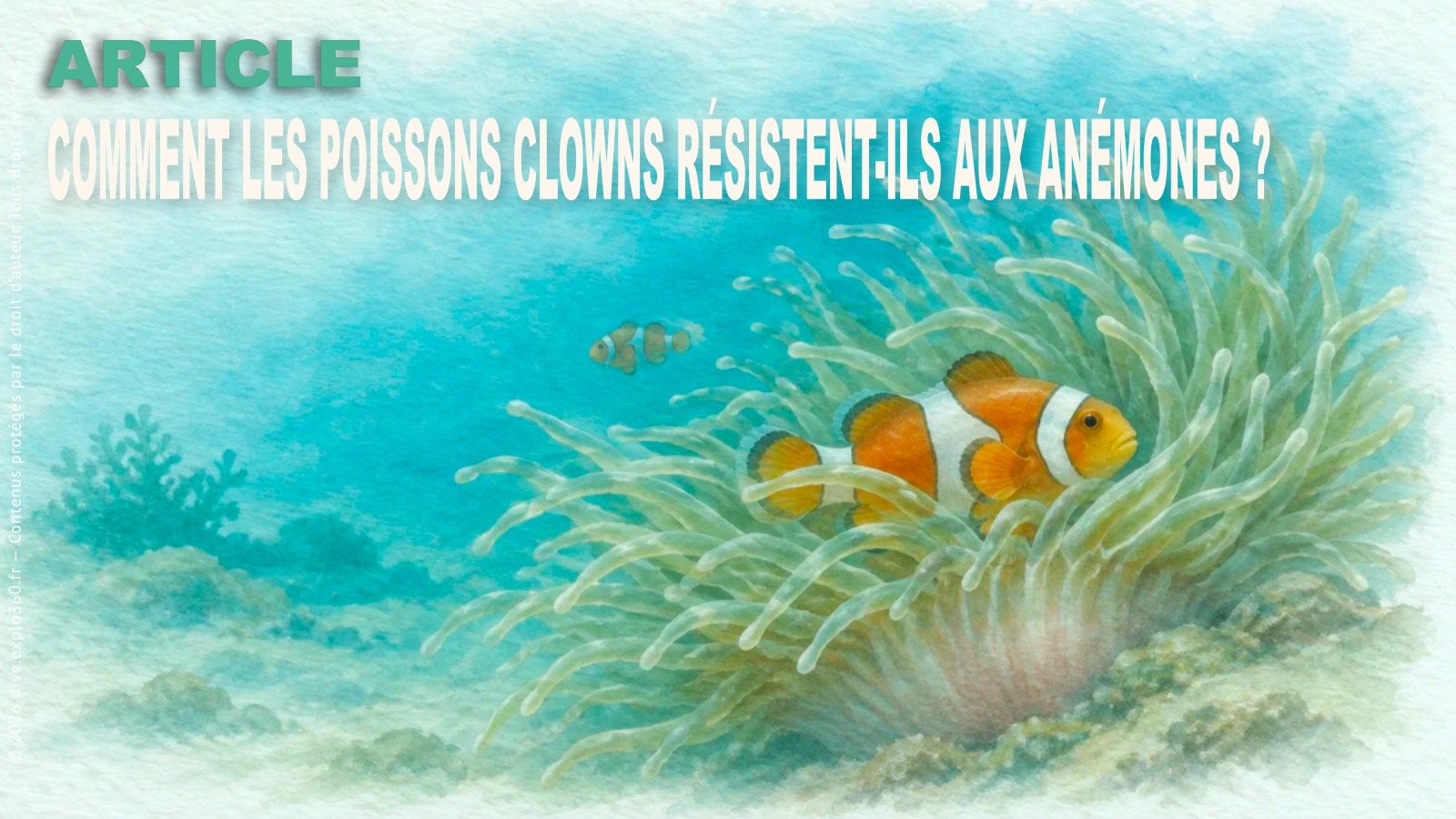
Clownfish among the tentacles of an anemone. Available1/3 public · licence required for the rest

Multiple marine regions

Red SeaRaja Ampat

Way of life · Behaviour

How do clownfish avoid anemone stings?

A small fish darts into an anemone and vanishes among the tentacles. An animal chasing it can get stung. The clownfish’s protection starts at the surface of its skin, where a thin layer of mucus changes what the…

6–10 years 11–14 years 15–17 years Adults (18+)
Going deeperPublic 2 min · Lic. 3 min 9 / 10 Read the article
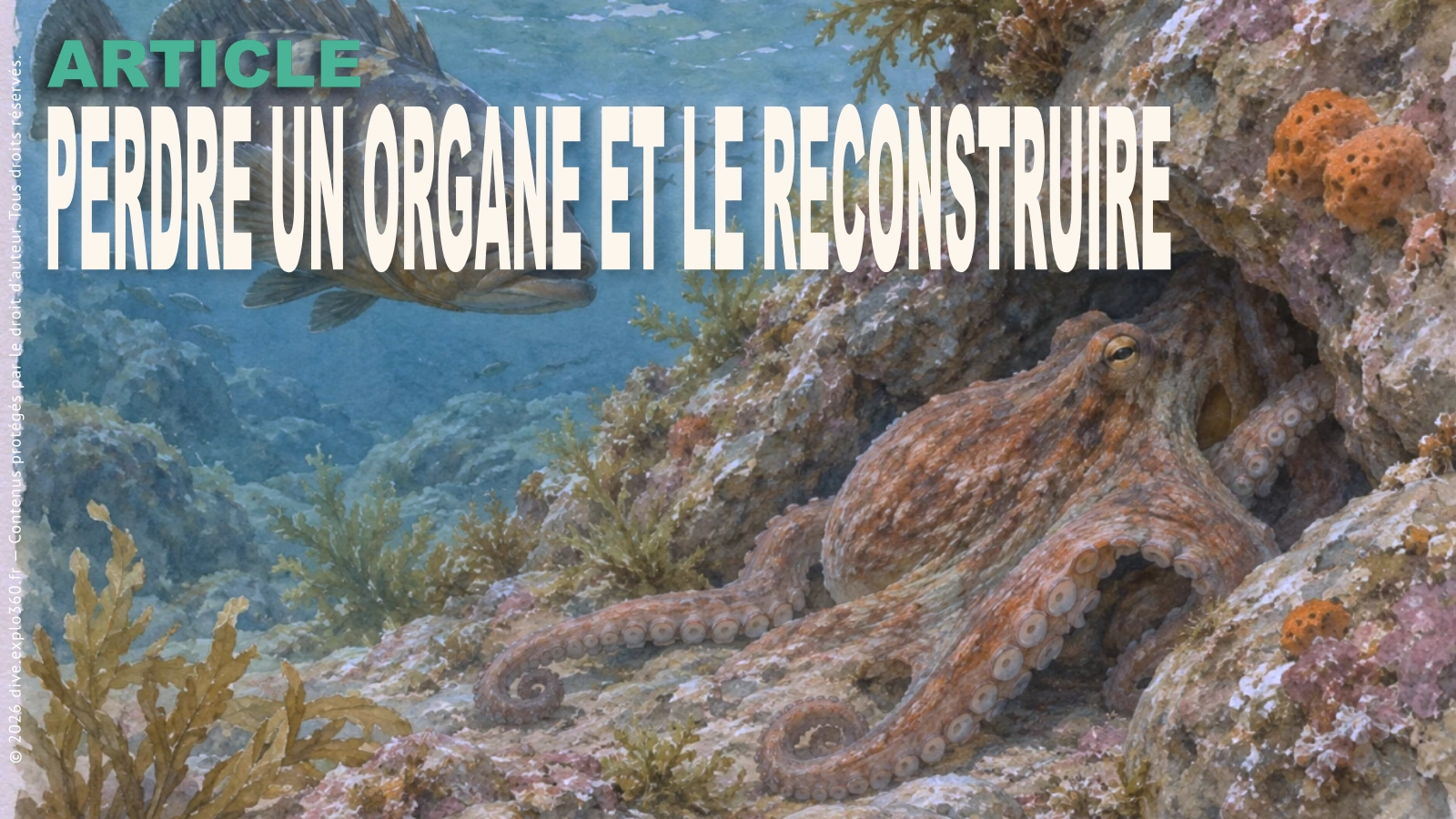
A grouper approaches an octopus at a rocky crevice. Available1/3 public · licence required for the rest

Multiple marine regions

MediterraneanAtlantic

Anatomy · Natural history

How marine animals regrow lost body parts

An octopus can lose part of an arm as it pulls free of a predator. Once it reaches shelter, the missing section may grow back. How long before the octopus can feel with it or use it to grip?

6–10 years 11–14 years 15–17 years Adults (18+)
Going deeperPublic 2 min · Lic. 5 min 10 / 10 Read the article