
Partners and Dive.Explo360 explorers

Contact us

Verification code

The bodies of sea animals

See how sea animals swim, breathe and protect themselves. Some can even grow back parts of their bodies.

PHYLA WITHOUT THE FUSS Available1/3 public · licence required for the rest

Multiple marine regions

MediterraneanAtlantic

Miscellaneous · Natural history

PHYLA WITHOUT THE FUSS

If you’ve taken a marine biology course for divers, you may remember the table of phyla. It came with unfamiliar names and an evolutionary timeline, and it was easy to forget as soon as you’d learnt it. Start instead…
6–10 yearsUnavailable 11–14 years 15–17 years Adults (18+)
Getting startedPublic 2 min · Lic. 5 min 1 / 10 Read the article
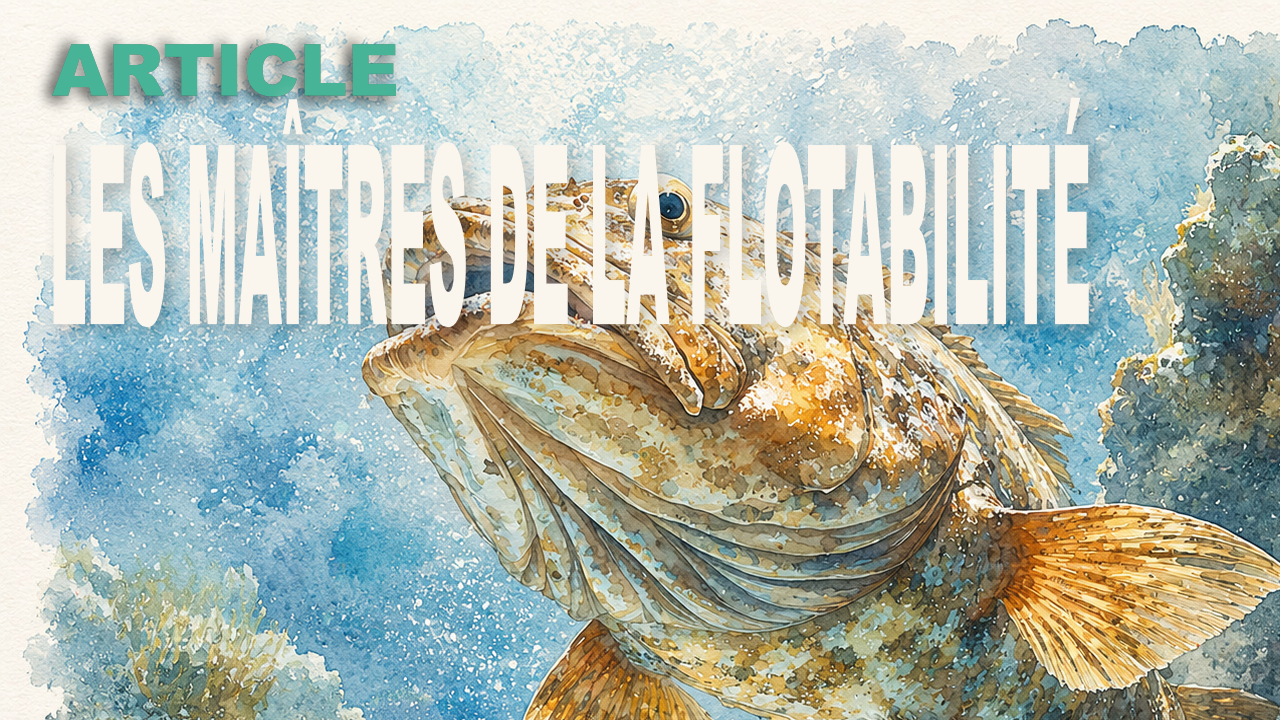
MASTERS OF BUOYANCY Available1/3 public · licence required for the rest

Multiple marine regions

MediterraneanAtlantic

Anatomy · Science

MASTERS OF BUOYANCY

A fish can hang above a Mediterranean reef with barely a stroke of its fins. In many bony fish, a pocket of gas inside the body makes that possible. The swim bladder saves effort at a steady depth, but what happens to…

6–10 yearsUnavailable 11–14 years 15–17 years Adults (18+)
UnderstandingPublic 2 min · Lic. 5 min 2 / 10 Read the article
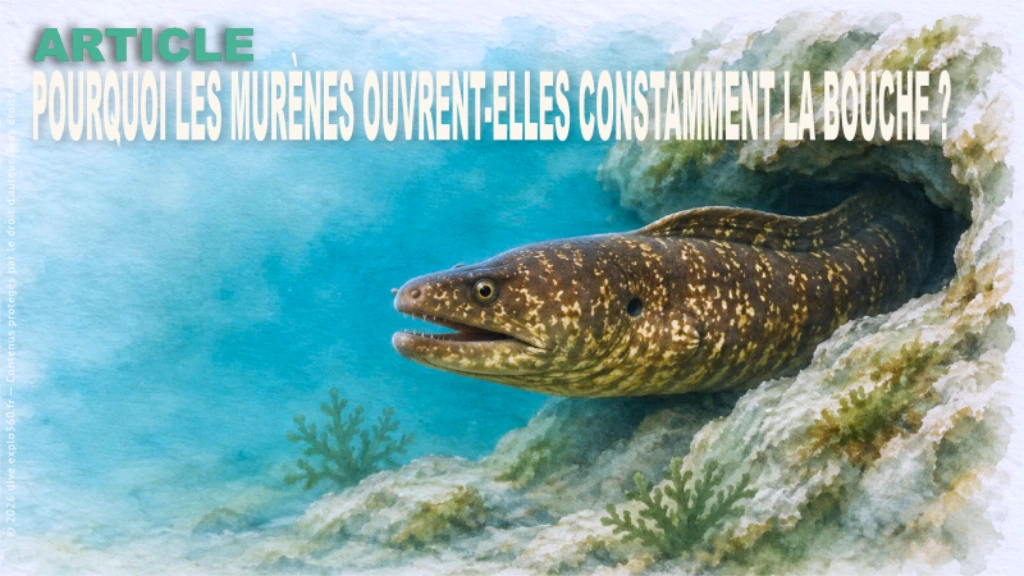
A moray with its mouth ajar in a reef crevice. Available1/3 public · licence required for the rest

Multiple marine regions

MediterraneanAtlantic

Way of life · Behaviour

Why do morays keep opening their mouths?

A moray peeks out from a crack in the reef. Its mouth opens, closes, then opens again. All those teeth come into view every time it takes a breath.

6–10 years 11–14 years 15–17 years Adults (18+)
UnderstandingPublic 2 min · Lic. 5 min 4 / 10 Read the article
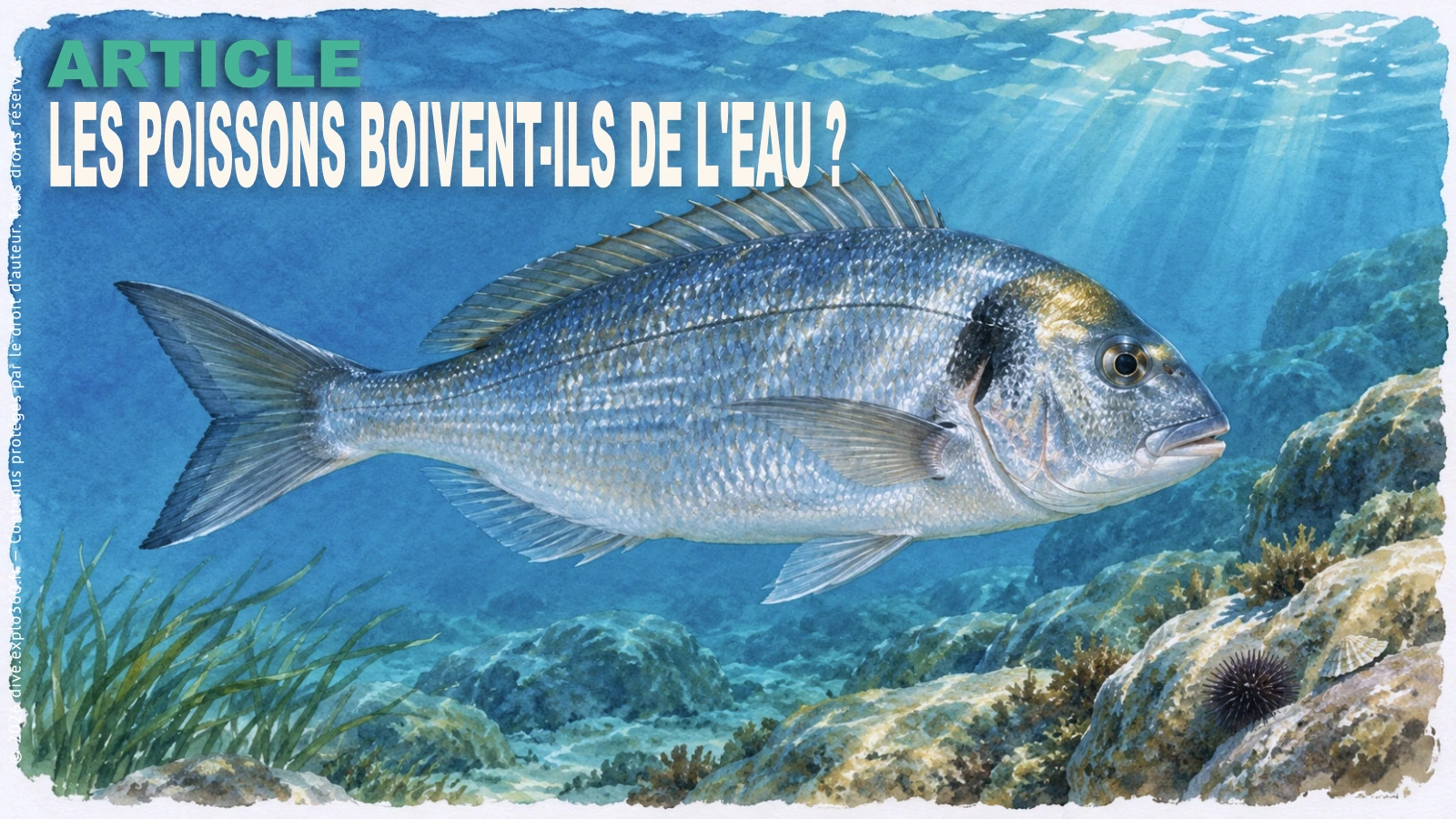
A bony sea fish must keep enough water in its body. Available1/3 public · licence required for the rest

Multiple marine regions

MediterraneanAtlantic

Way of life · Natural history

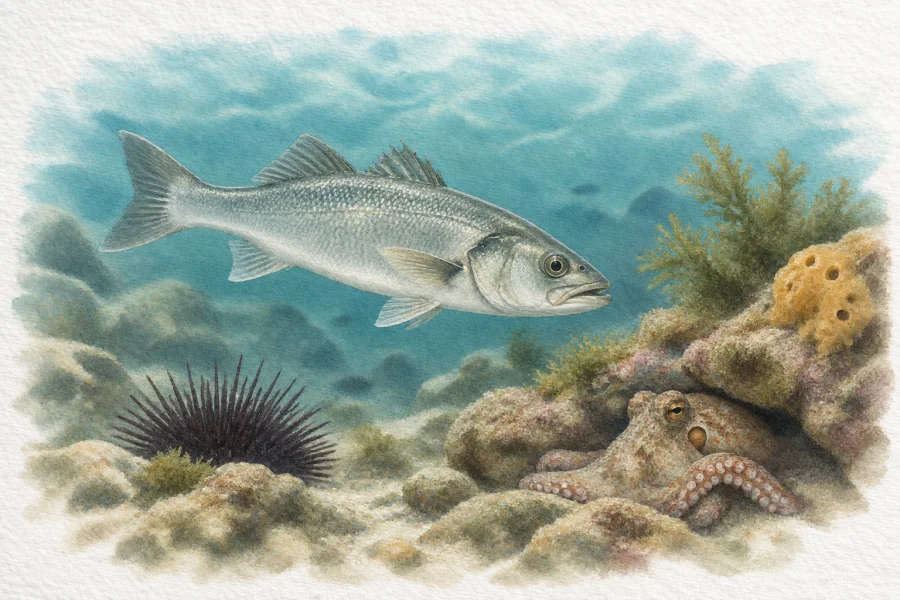
Do fish drink water?

A sea bream opens its mouth and water rushes in. Is it drinking? Much of that water helps it breathe. Some goes down into its gut as a drink. Even a fish surrounded by seawater needs to keep enough water inside its body.

6–10 years 11–14 years 15–17 years Adults (18+)
UnderstandingPublic 4 min · Lic. 8 min 5 / 10 Read the article
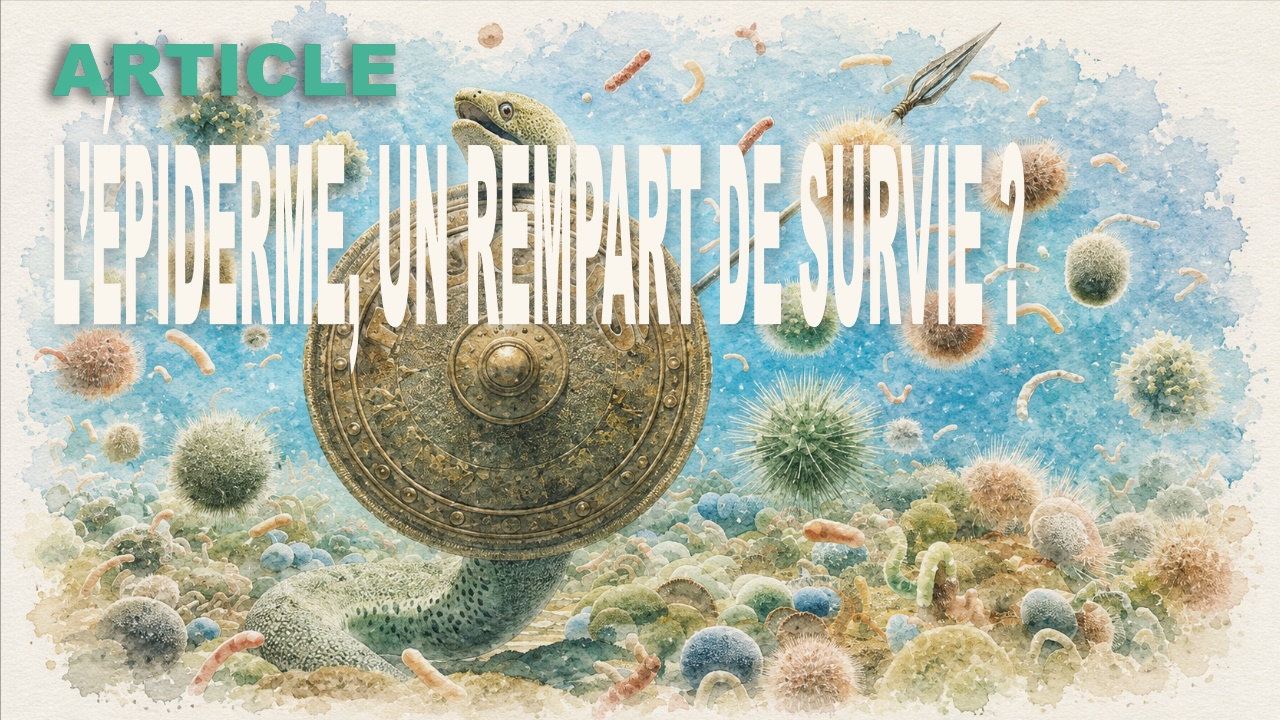
THE EPIDERMIS: A SHIELD FOR SURVIVAL? Available1/3 public · licence required for the rest

Article region: Mediterranean

Mediterranean

Anatomy · Science

How a fish’s skin protects it

A moray’s skin can look smooth, while a shark’s can be studded with structures that resemble tiny teeth. On a sole, the patterns can make the fish hard to pick out against the sand. To understand what those surfaces do,…

6–10 yearsUnavailable 11–14 years 15–17 years Adults (18+)
UnderstandingPublic 2 min · Lic. 6 min 6 / 10 Read the article
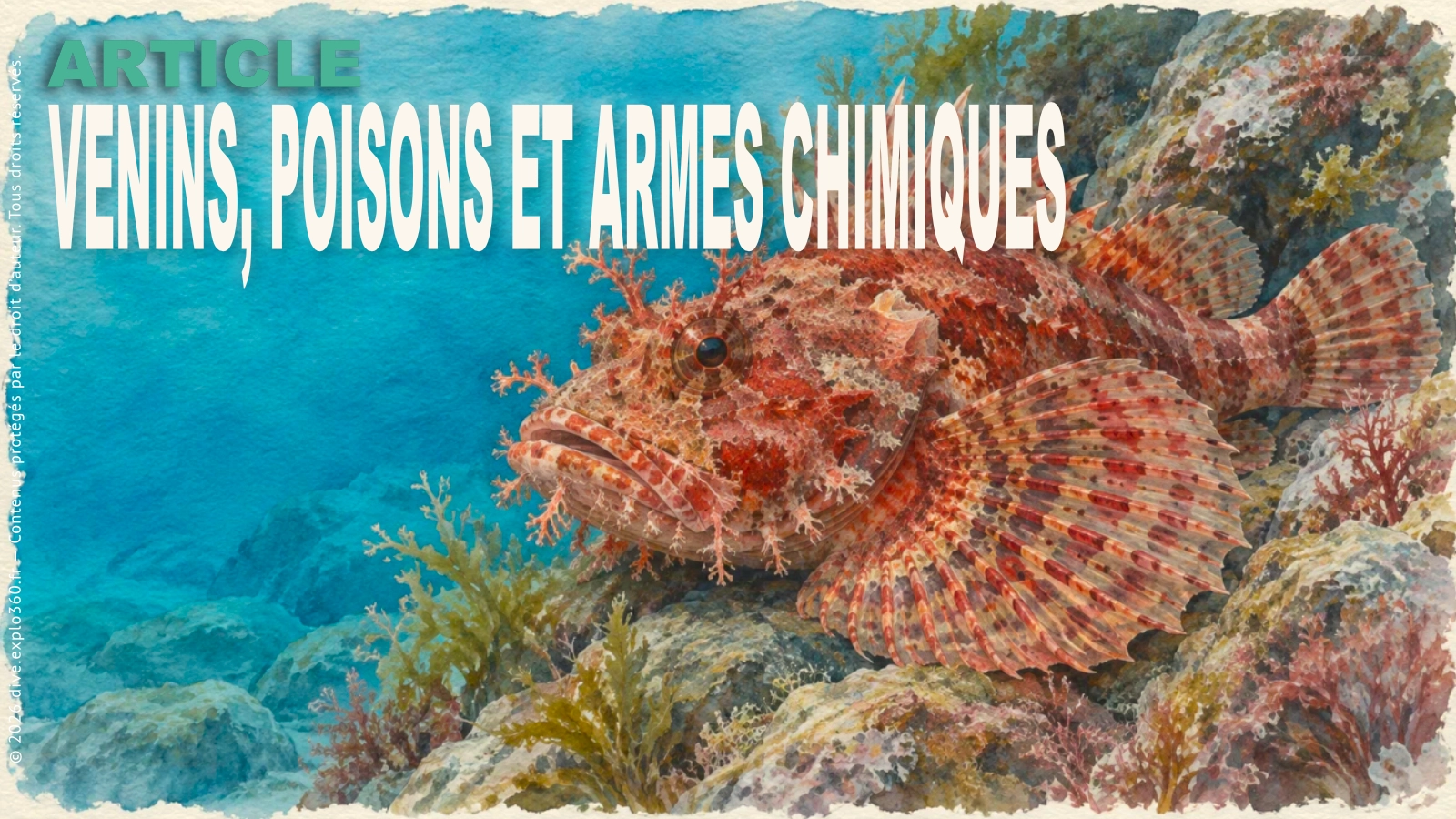
A red scorpionfish on a rocky Mediterranean seabed. Available1/3 public · licence required for the rest

Multiple marine regions

MediterraneanAtlantic

Way of life · Natural history

Venoms, poisons and chemical weapons: the invisible battle

A scorpionfish can be hard to spot among the rocks. An anemone leaves its tentacles out in the open. Look closely at both animals to see how they catch food and protect themselves.

6–10 years 11–14 years 15–17 years Adults (18+)
UnderstandingPublic 3 min · Lic. 5 min 8 / 10 Read the article
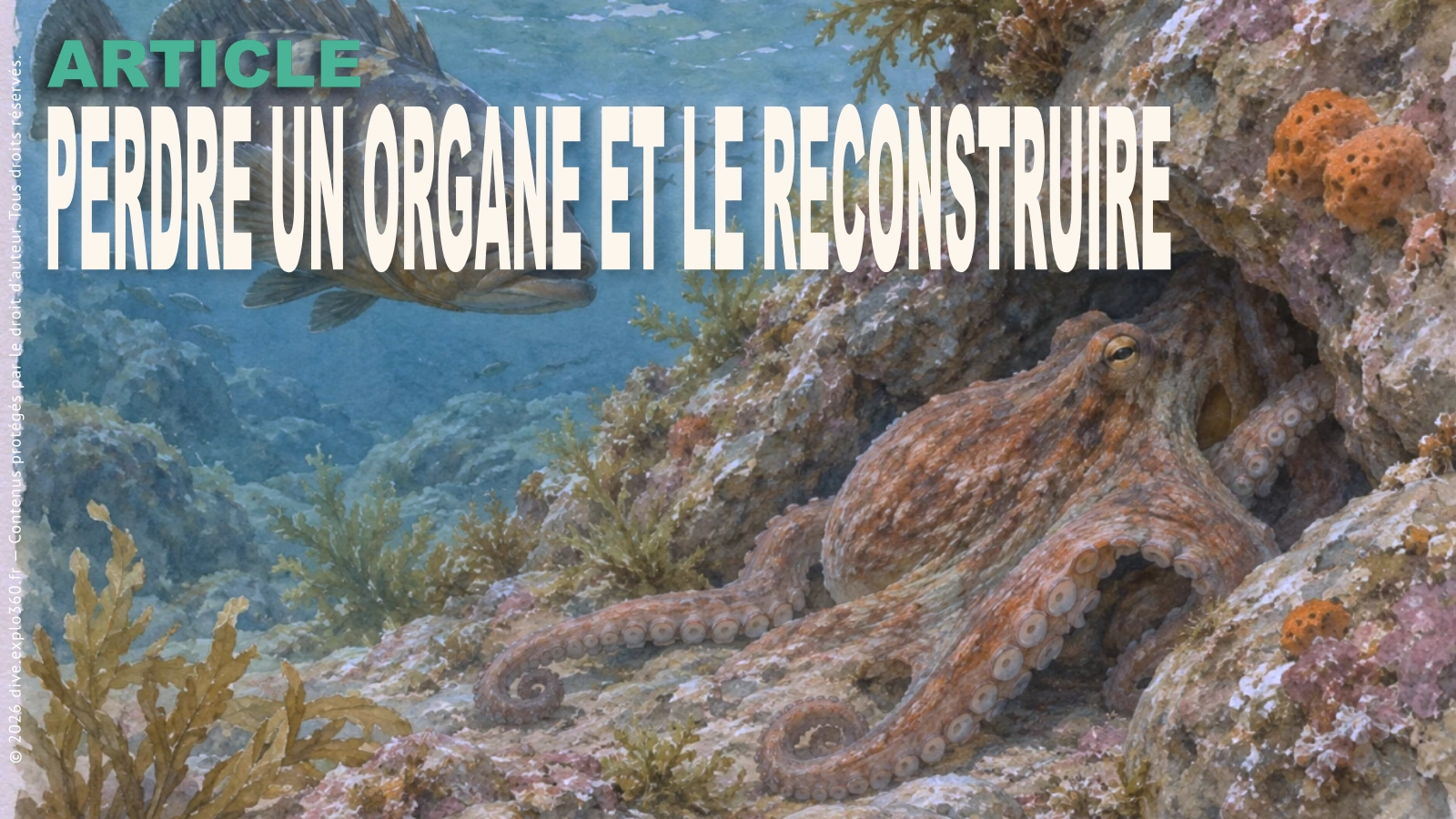
A grouper approaches an octopus at a rocky crevice. Available1/3 public · licence required for the rest

Multiple marine regions

MediterraneanAtlantic

Anatomy · Natural history

How marine animals regrow lost body parts

Picture an octopus slipping between rocks to escape a fish. If it loses part of an arm and survives, the arm can grow back. A sea star can also regrow an arm. A sea cucumber can even rebuild its intestine.

6–10 years 11–14 years 15–17 years Adults (18+)
UnderstandingPublic 3 min · Lic. 7 min 10 / 10 Read the article