Partners and Dive.Explo360 explorers

Contact us

Verification code

Feeding in the sea

Compare ways of feeding, then follow the links between prey, predators and animals that recycle leftovers.

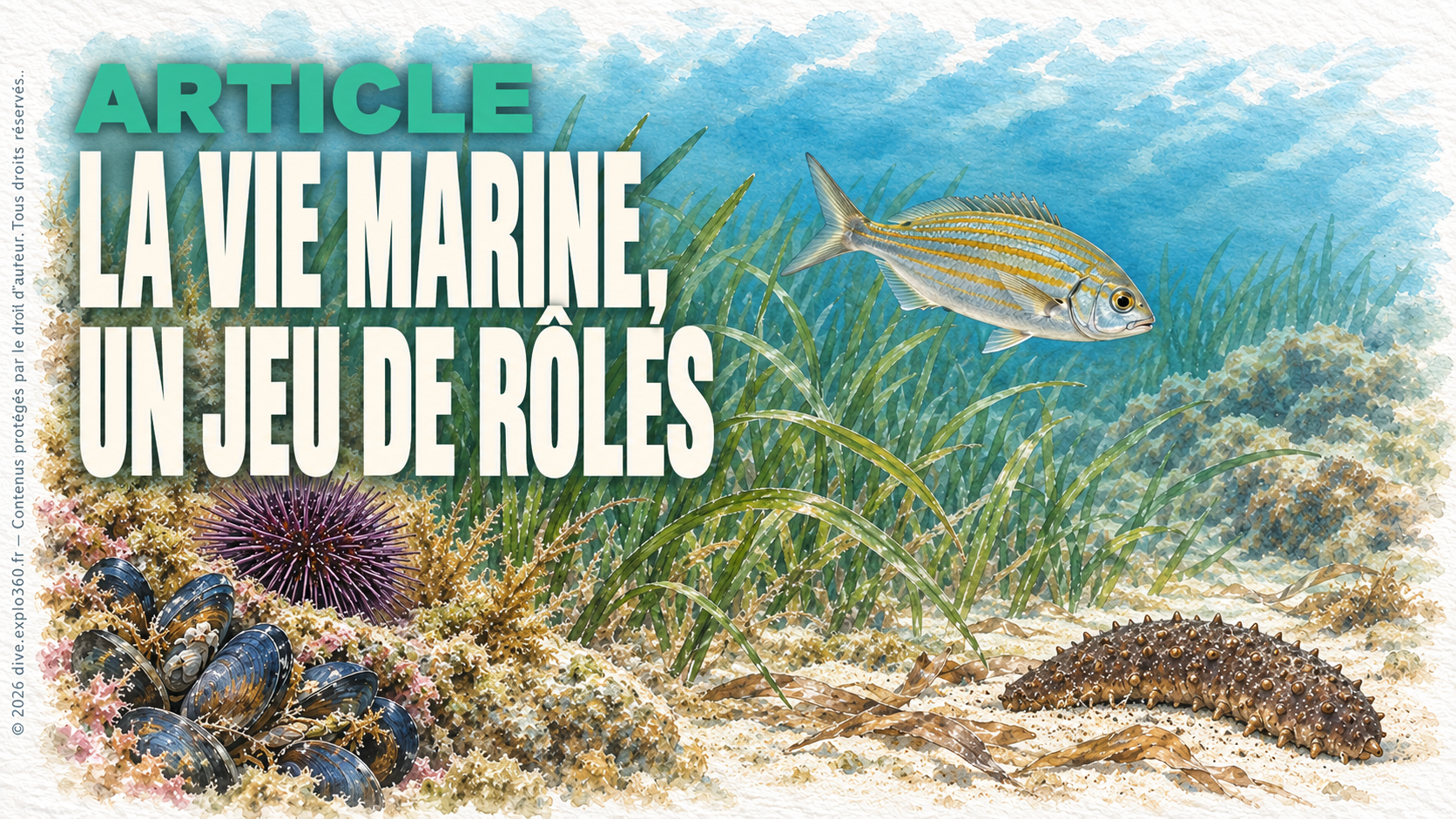
Mediterranean seagrass and rocky seabed with organisms whose functions are connected. AvailableFree access

Multiple marine regions

MediterraneanAtlantic

Ecology · Natural history

What marine animals do and why it matters

A meadow offers food and shelter. A mussel takes food from water moving past its rock. Follow what happens to that material and you can see how living things shape the sea around them. The illustrations show…
6–10 years 11–14 years 15–17 years Adults (18+)
Understanding7 min 1 / 13 Read the article
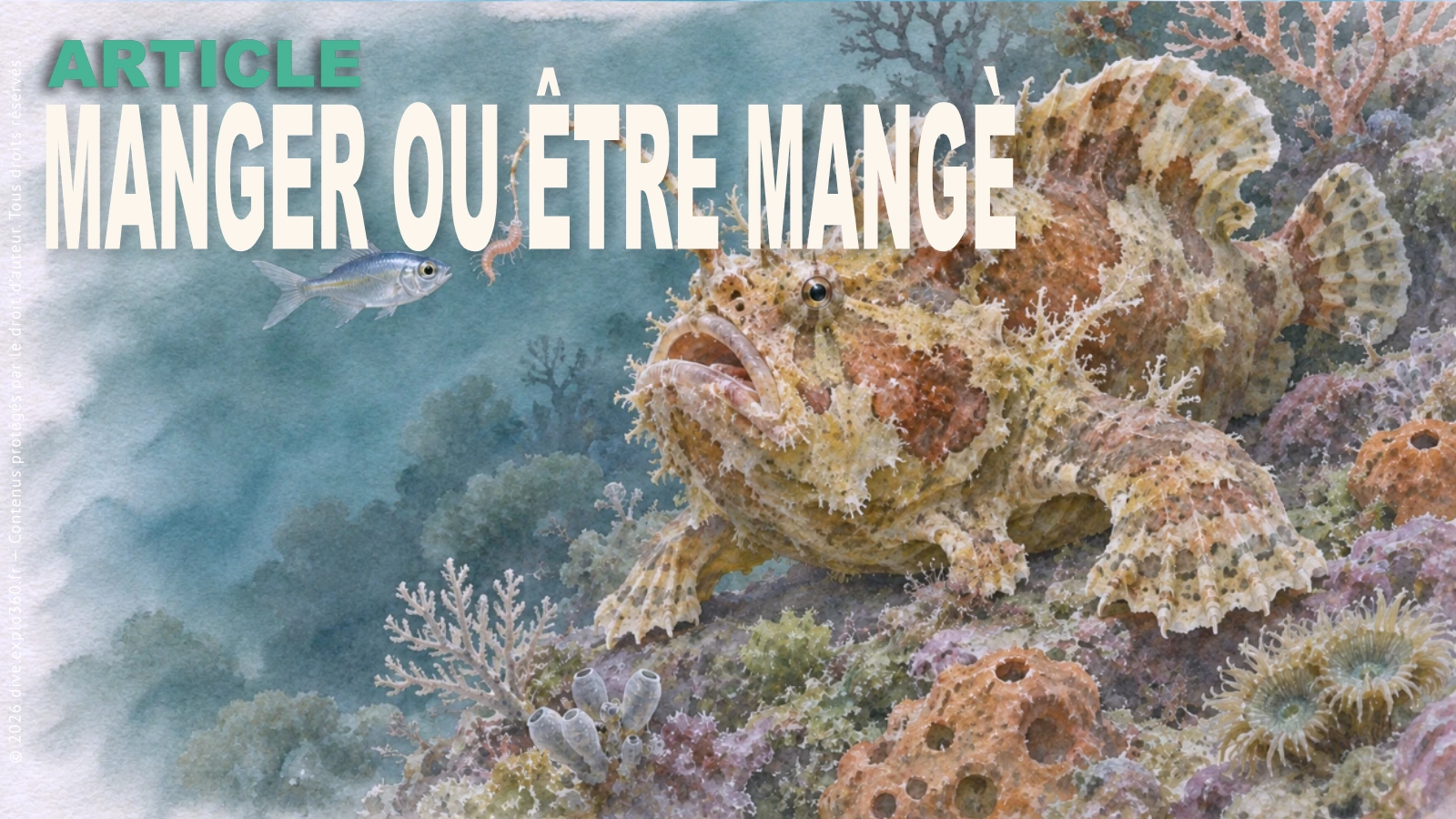
A camouflaged frogfish faces a small fish on the reef. AvailableFree access

Multiple marine regions

MediterraneanAtlantic

Way of life · Natural history

Eat or Be Eaten: Hunting Strategies Underwater

Imagine looking out from a crack in the reef. Something nearby looks like a meal. For a fish approaching a frogfish’s lure, a little closer can be close enough to get caught.

6–10 years 11–14 years 15–17 years Adults (18+)
Getting started5 min 2 / 13 Read the article
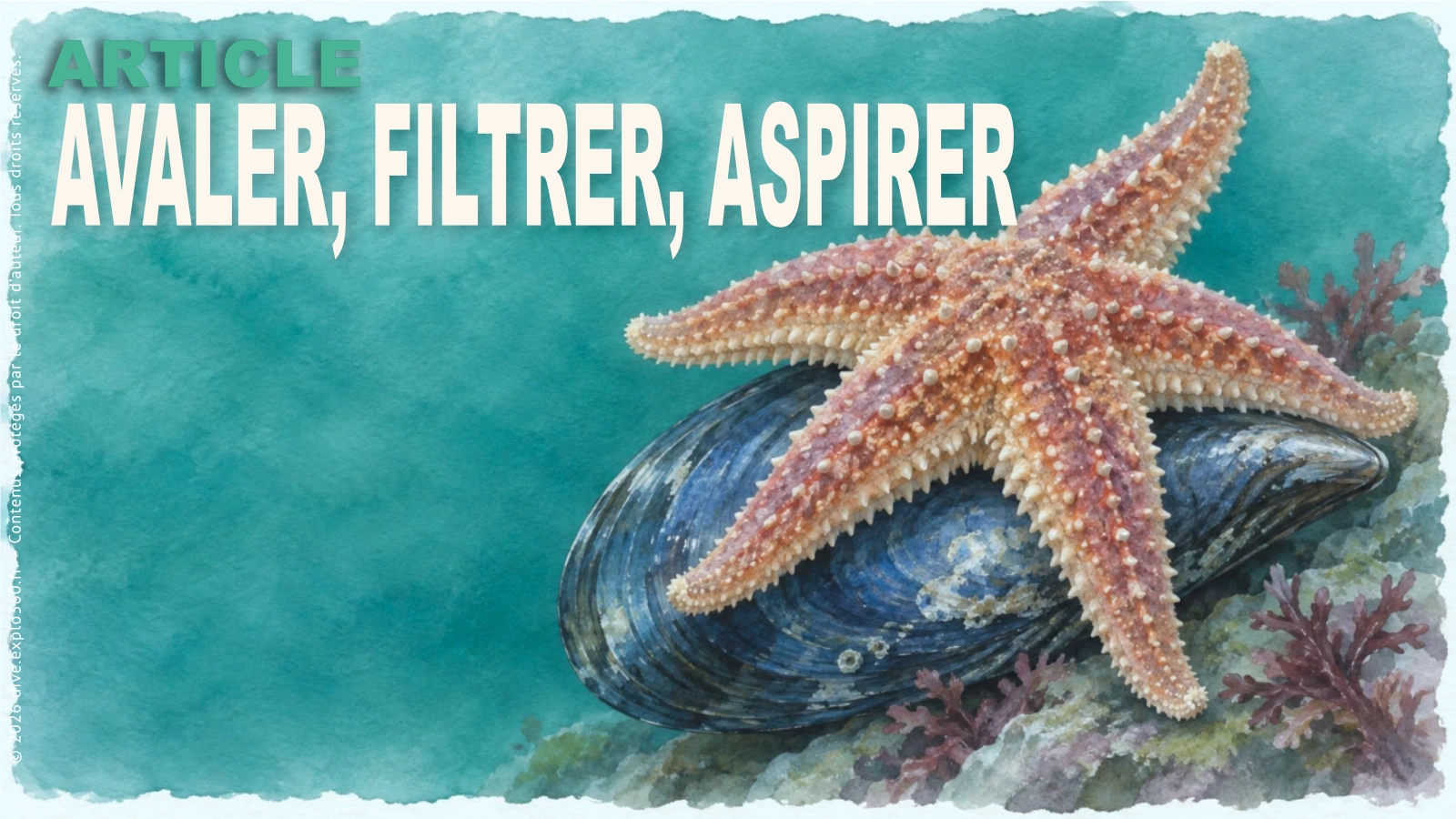
A sea star over a mussel. Available1/3 public · licence required for the rest

Multiple marine regions

MediterraneanAtlantic

Way of life · Natural history

Swallow, filter, suck in: surprising ways to feed

A sea star can start digesting a mussel while it’s still in its shell. A sea squirt lets the water bring its meal. Follow those two meals, then see how a fish catches a shrimp and a sea cucumber finds food in the sand.

6–10 years 11–14 years 15–17 years Adults (18+)
UnderstandingPublic 2 min · Lic. 4 min 4 / 13 Read the article
A seabream and a moray illustrate different ways of gripping and processing food. The teeth are shown larger than life to make them easier to see. Available1/3 public · licence required for the rest

Multiple marine regions

MediterraneanAtlantic

Way of life · Natural history

What fish teeth reveal about their meals

A moray grips a slippery fish. A seabream cracks a shell. A parrotfish scrapes at the reef with a beak. Each meal calls for different tools, and a fish’s teeth offer clues to what it eats. Follow the food further back…

6–10 years 11–14 years 15–17 years Adults (18+)
UnderstandingPublic 4 min · Lic. 8 min 5 / 13 Read the article
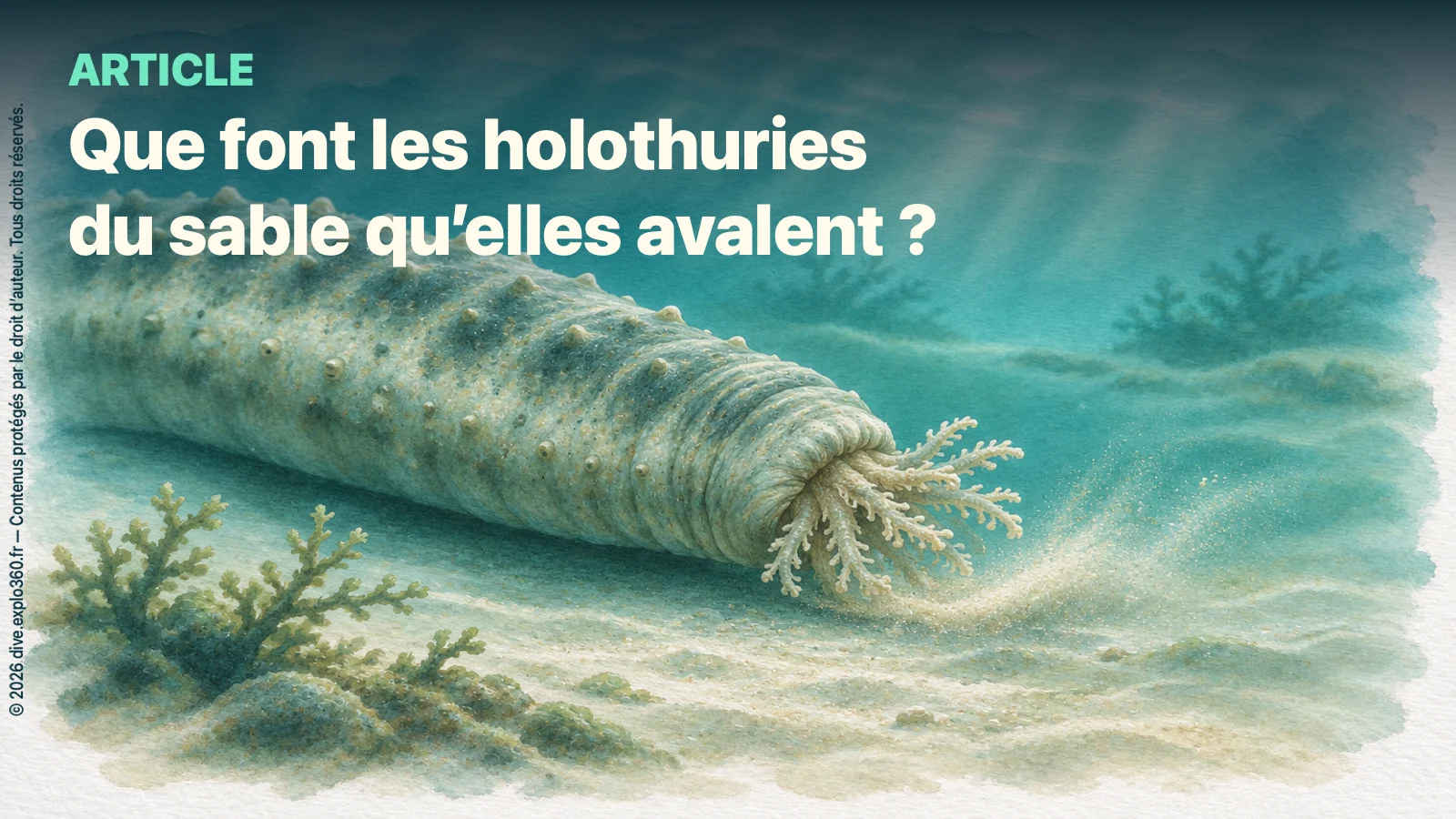
A sea cucumber on rippled sand with a short, gritty trail behind it. Available1/3 public · licence required for the rest

Multiple marine regions

Mediterranean

Way of life · Natural history

Where does the sand a sea cucumber swallows end up?

Watch a sea cucumber crawl across the sand. Its tentacles are busy picking up grains, and little rolls of sediment lie behind it. What can the animal find to eat in a mouthful of sand, and what comes back out?

6–10 years 11–14 years 15–17 years Adults (18+)
UnderstandingPublic 2 min · Lic. 6 min 6 / 13 Read the article
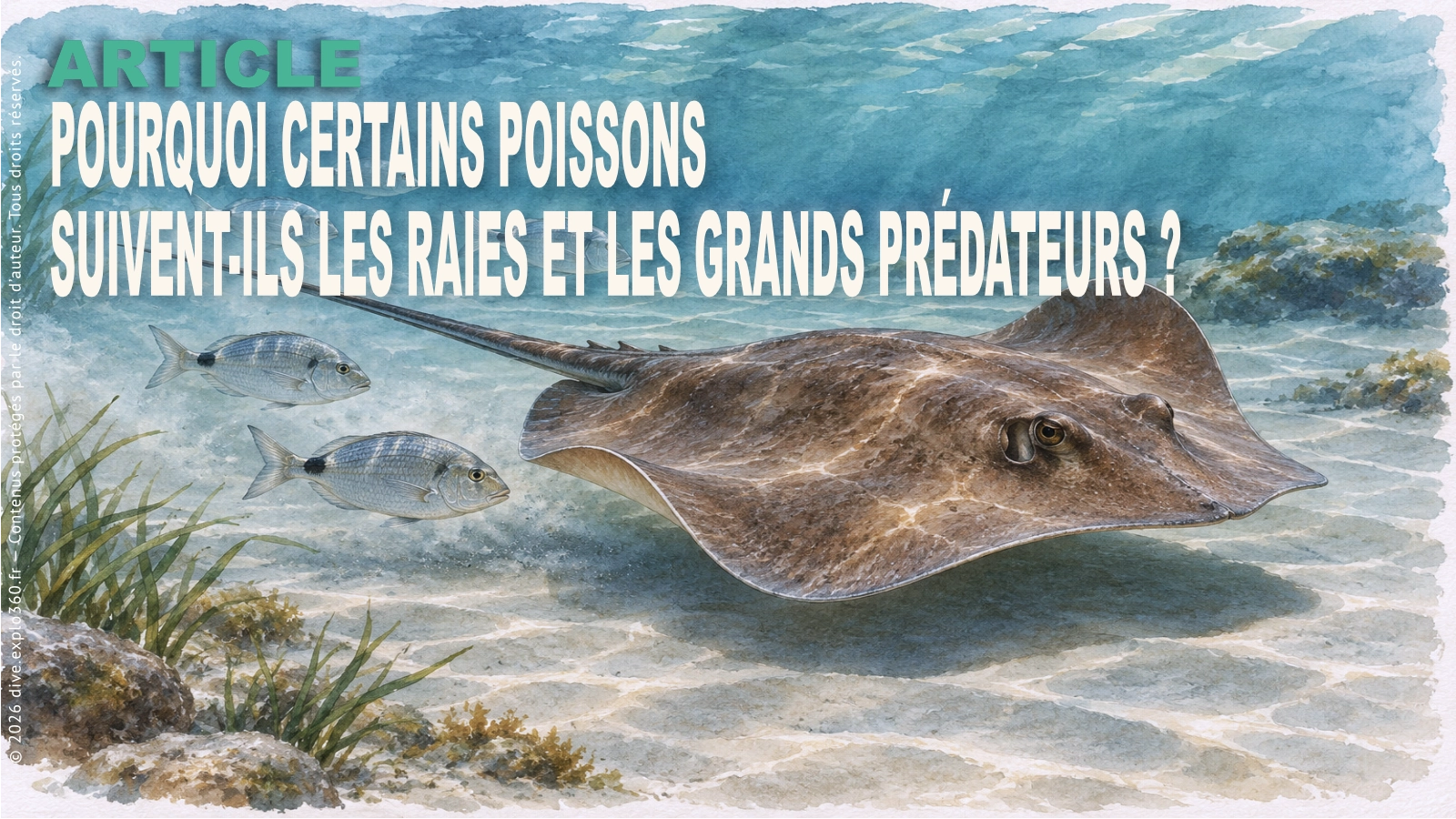
A ray and several fish over a sandy seabed Available1/3 public · licence required for the rest

Multiple marine regions

MediterraneanRed Sea

Way of life · Behaviour

Why do fish follow bigger hunters?

A cloud of sand billows up from a feeding ray. A blue runner darts in after prey. On a Red Sea reef, a grouper shakes its head at a moray eel, which may then join the hunt. Following another hunter can pay off in very…

6–10 years 11–14 years 15–17 years Adults (18+)
UnderstandingPublic 3 min · Lic. 7 min 7 / 13 Read the article
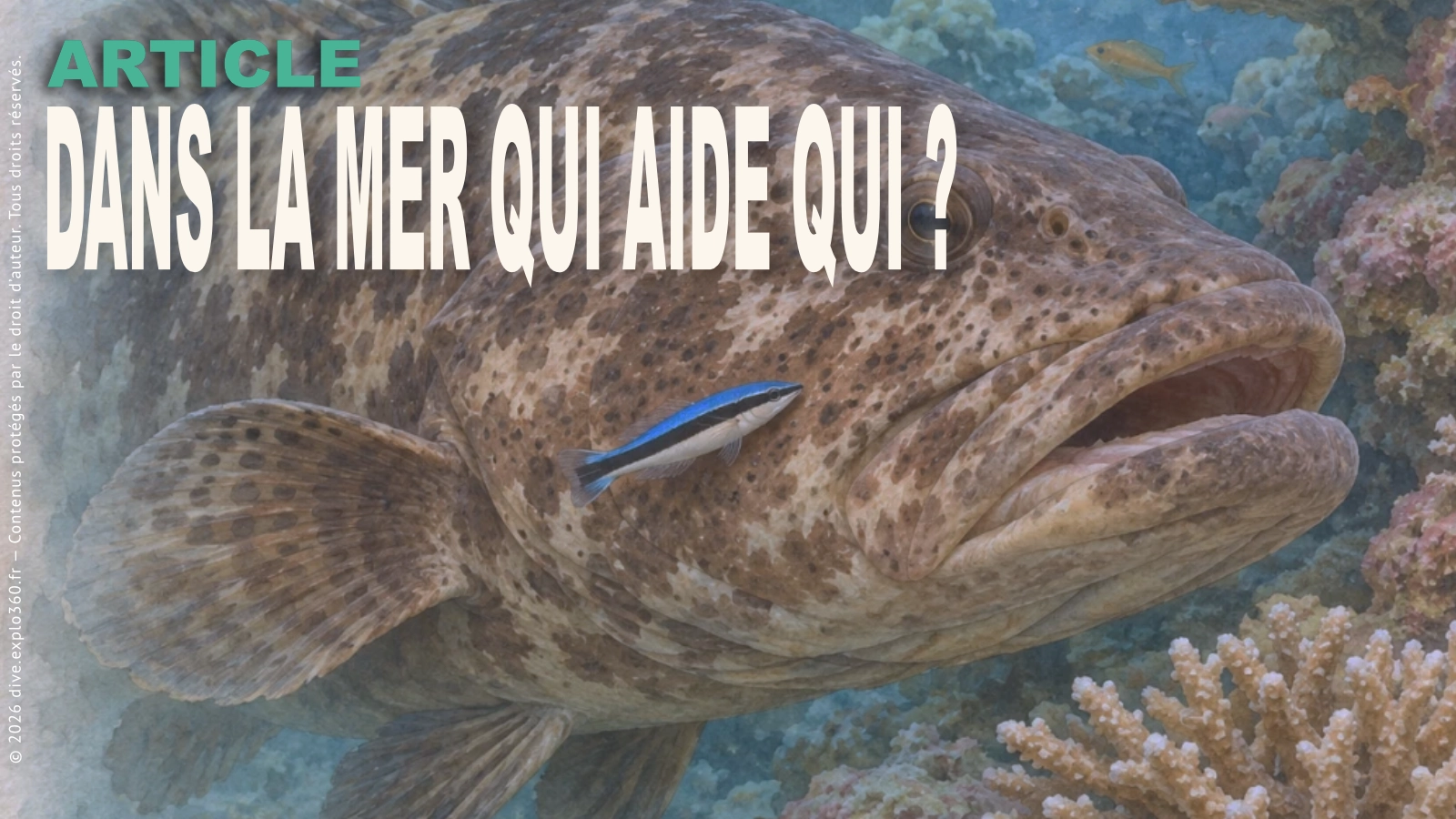
A striped wrasse approaches the head of a stationary grouper. Available1/3 public · licence required for the rest

Multiple marine regions

MediterraneanAtlantic

Ecology · Natural history

Who Helps Whom in the Sea?

A grouper stops beside a little cleaner wrasse and opens its mouth. The wrasse may take a parasite, or it may bite off some of the slippery layer that protects the grouper’s skin.

6–10 years 11–14 years 15–17 years Adults (18+)
UnderstandingPublic 2 min · Lic. 4 min 8 / 13 Read the article
A motionless fish on the seabed. Available1/3 public · licence required for the rest

Multiple marine regions

MediterraneanAtlantic

Way of life · Natural history

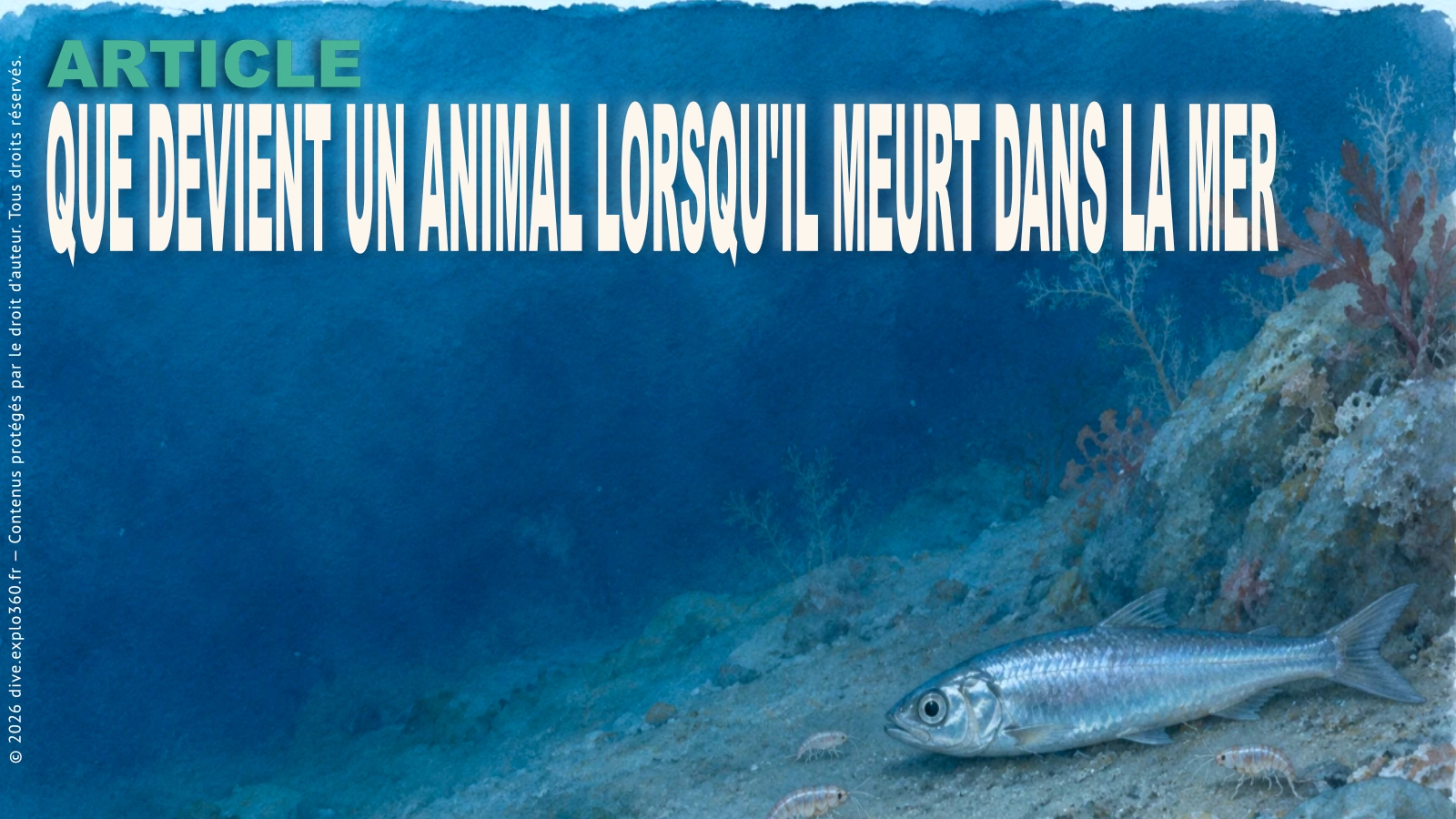
What happens when an animal dies in the sea?

In the deep Atlantic, fish gathered around a dead marine mammal. They were catching the little crustaceans that had come to feed. As the body broke down, it provided food in ways that were harder to see.

6–10 years 11–14 years 15–17 years Adults (18+)
Going deeperPublic 2 min · Lic. 4 min 10 / 13 Read the article
WHAT IF IT ALL HAPPENED UNDERWATER? Available1/3 public · licence required for the rest

Article region: Mediterranean

Mediterranean

Ecology · Science

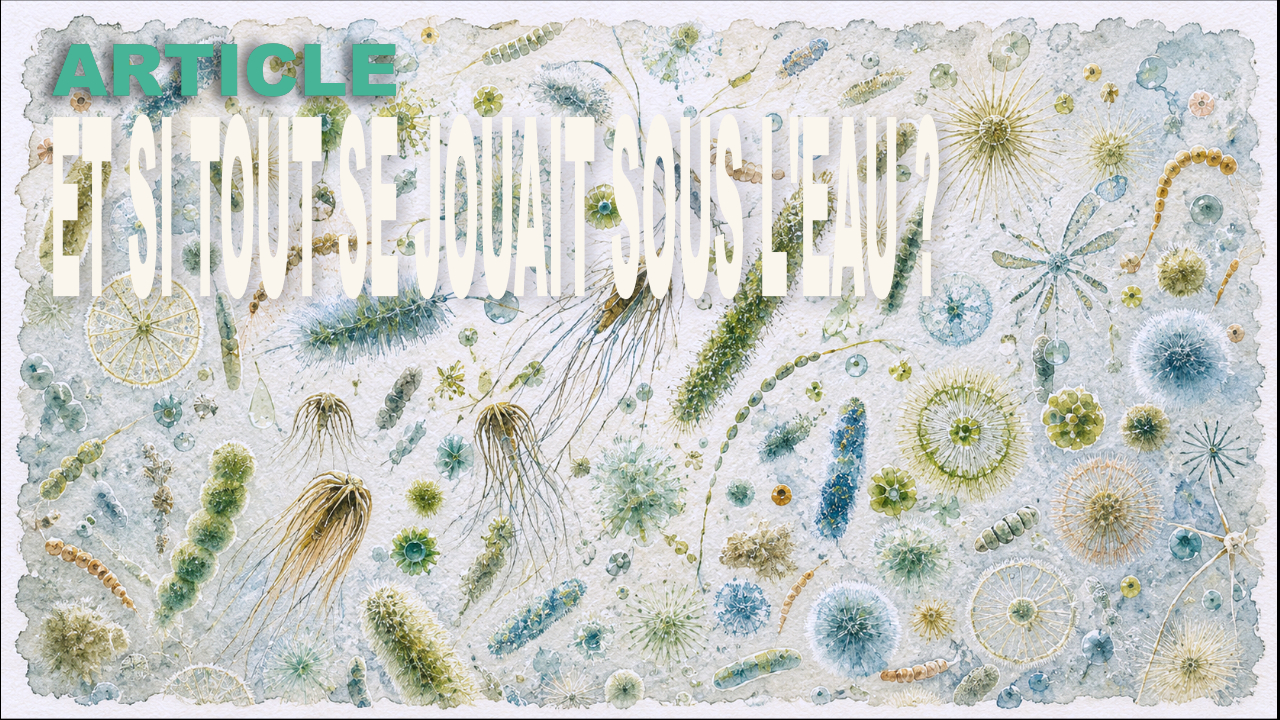
WHAT IF IT ALL HAPPENED UNDERWATER?

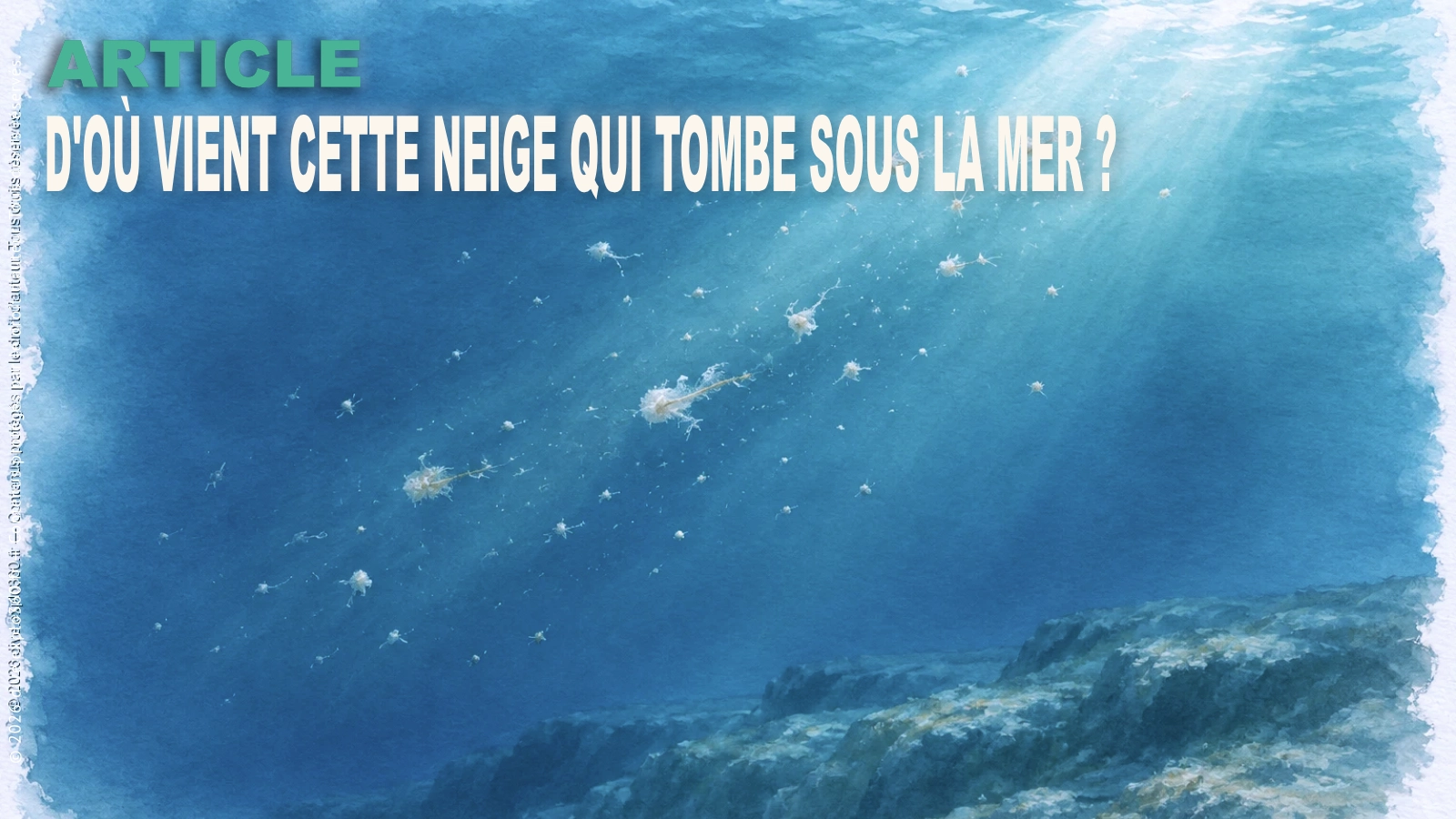
A small crustacean eats plankton. A fish eats the crustacean, and that fish may become a meal for a larger one. In the Mediterranean, food can take that route or drift down as scraps to the seabed. Both routes are part…

6–10 yearsUnavailable 11–14 years 15–17 years Adults (18+)
UnderstandingPublic 2 min · Lic. 5 min 12 / 13 Read the article