Partners and Dive.Explo360 explorers

Contact us

Verification code

Feeding and food webs

This pathway starts with how animals feed, moves on to how they interact, and ends with what happens to matter in the ecosystem.

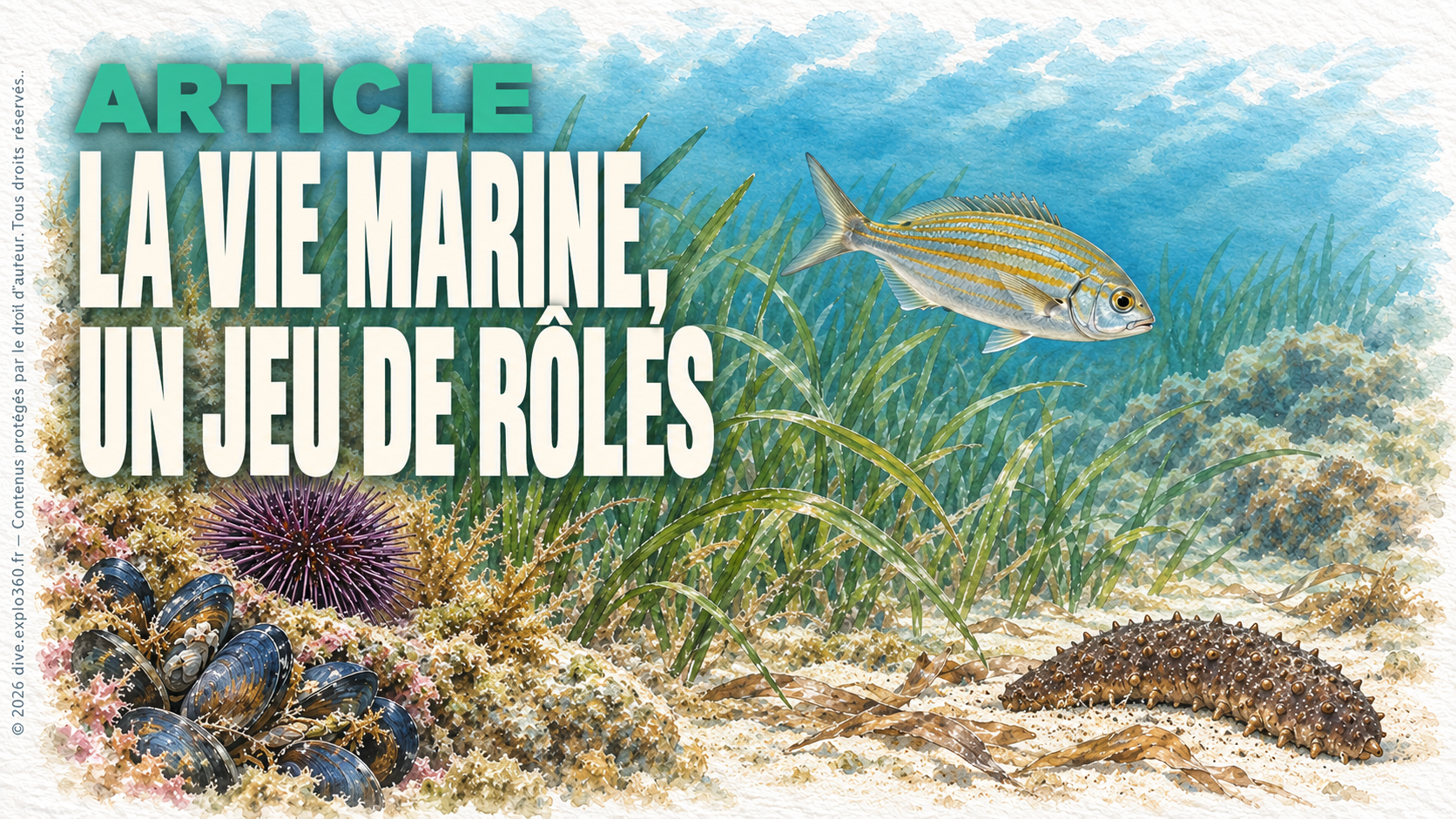
Mediterranean seagrass and rocky seabed with organisms whose functions are connected. AvailableFree access

Multiple marine regions

MediterraneanAtlantic

Ecology · Natural history

What marine animals do and why it matters

Some fish feed on seagrass leaves. Others shelter among them. Even leaves that fall to the seabed can feed other organisms. Ecological roles help trace those connections, in a meadow, on a reef or out in open water. The…
6–10 years 11–14 years 15–17 years Adults (18+)
Understanding6 min 1 / 13 Read the article
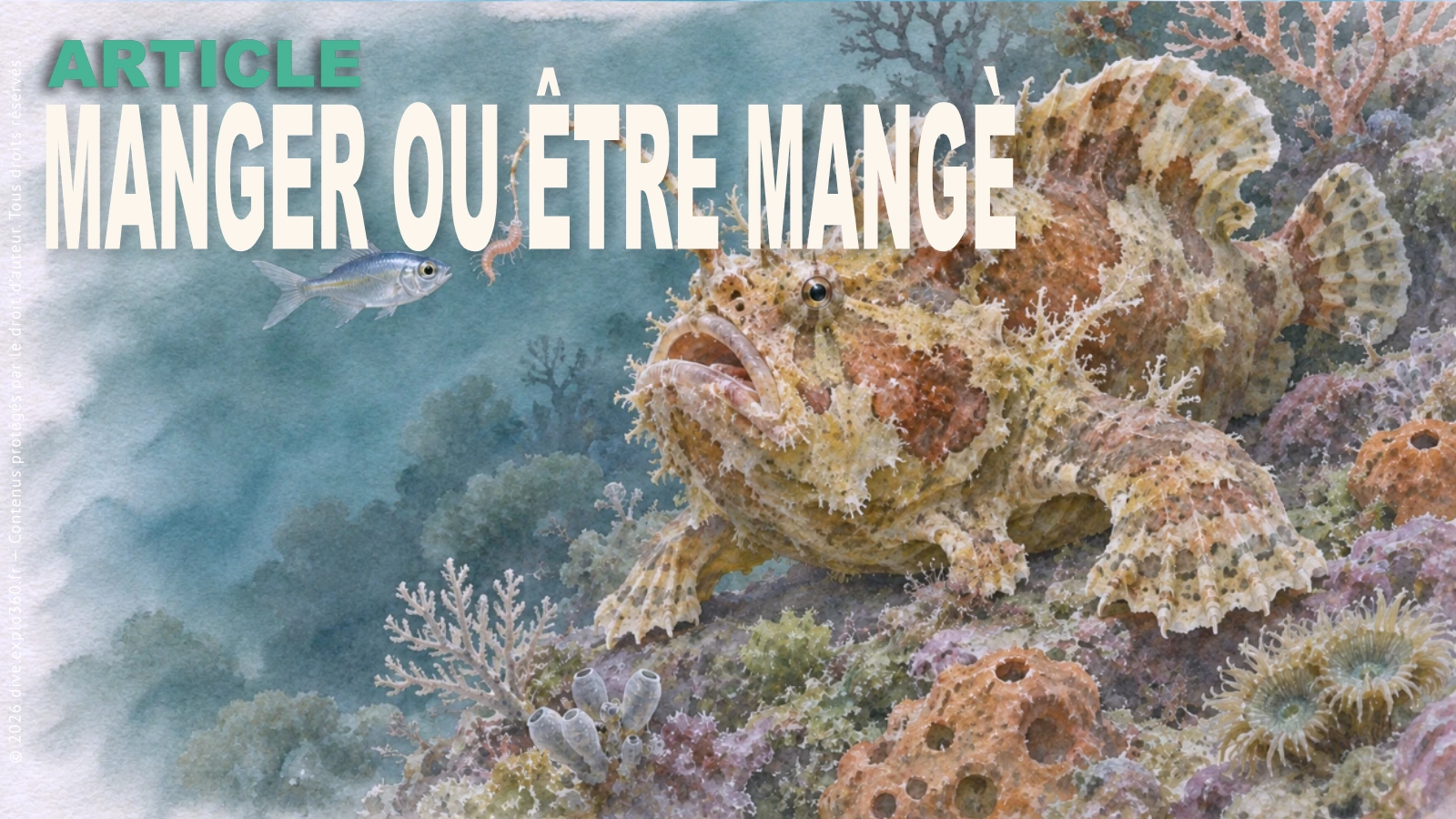
A camouflaged frogfish faces a small fish on the reef. AvailableFree access

Multiple marine regions

MediterraneanAtlantic

Way of life · Natural history

Eat or Be Eaten: Hunting Strategies Underwater

A frogfish can wait on the seabed with only its lure moving. When another fish comes close enough, the mouth opens and the water does the rest. Elsewhere, a sailfish can sweep its bill through a school or a grouper can…

6–10 years 11–14 years 15–17 years Adults (18+)
Getting started10 min 2 / 13 Read the article
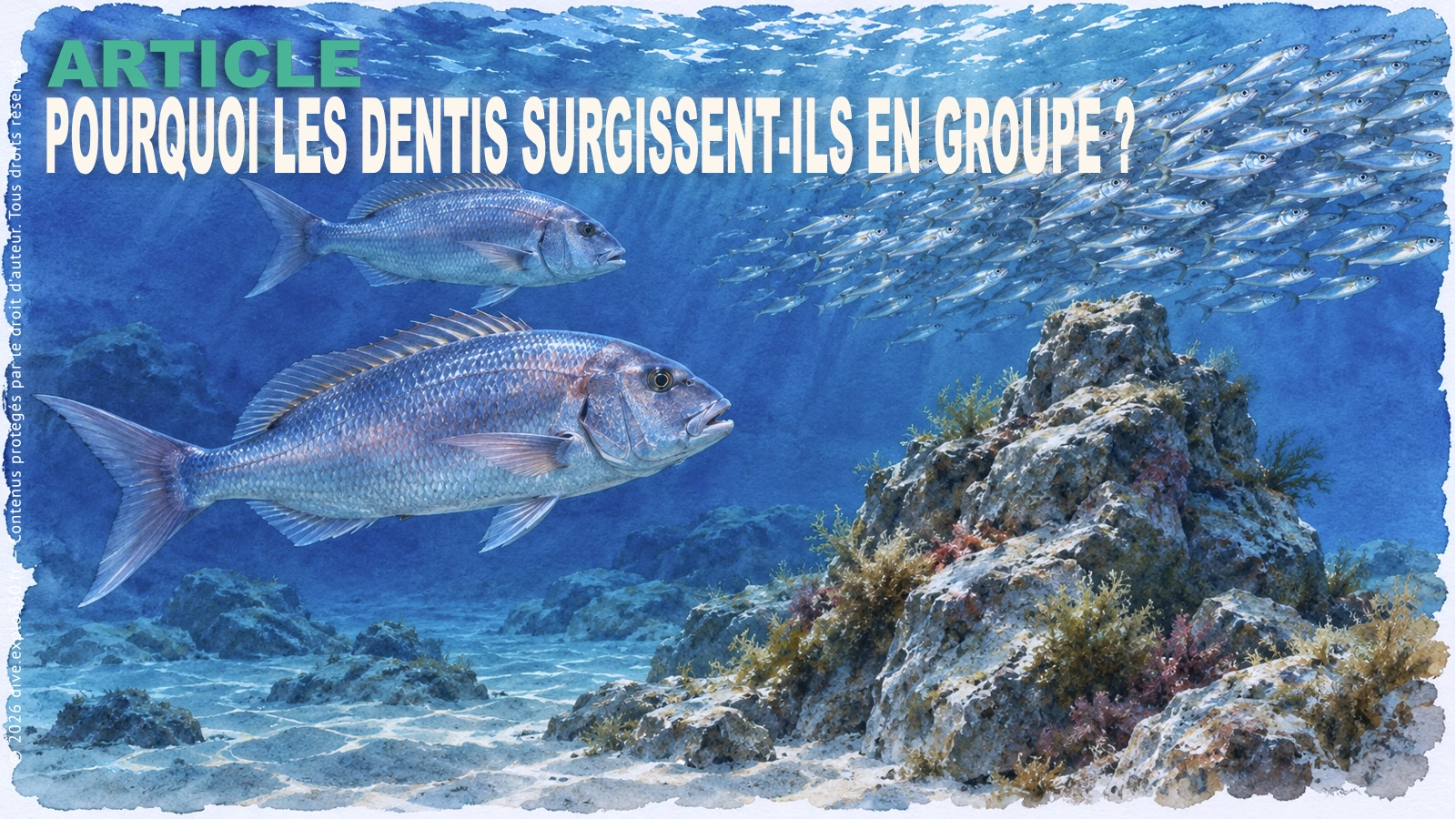
Three dentex approach a silvery school above a pinnacle. This reconstruction shows dentex near a school of bogue, without assuming that the predators coordinate. Available1/3 public · licence required for the rest

Article region: Mediterranean

Mediterranean

Way of life · Behaviour

Why do common dentex appear in groups?

A shoal of bogue flashes silver as it crosses the sand towards a rocky pinnacle. Suddenly the fish bunch up and turn almost as one. Several dentex have appeared at the edge of the blue. The shoal buckles as they close…

6–10 years 11–14 years 15–17 years Adults (18+)
Going deeperPublic 4 min · Lic. 9 min 3 / 13 Read the article
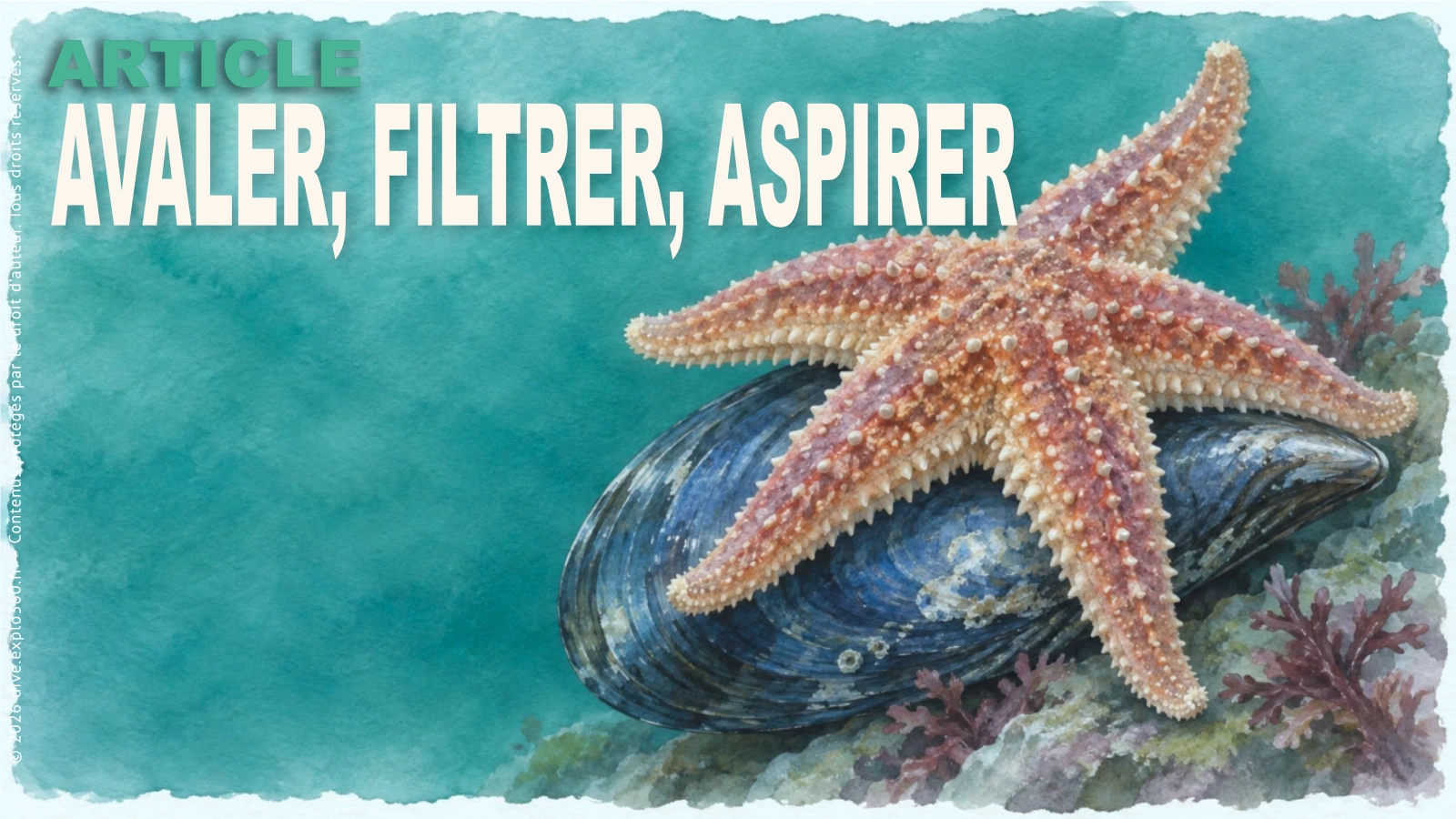
A sea star over a mussel. Available1/3 public · licence required for the rest

Multiple marine regions

MediterraneanAtlantic

Way of life · Natural history

Swallow, filter, suck in: surprising ways to feed

A mussel can clamp its shell shut with powerful muscles. A sea star needs only a sliver of space between the valves to begin its meal. A fish chasing a crustacean has a different problem: the prey can dart away before…

6–10 years 11–14 years 15–17 years Adults (18+)
UnderstandingPublic 3 min · Lic. 7 min 4 / 13 Read the article
White seabream and Mediterranean moray illustrate feeding-apparatus diversity. Their proximity in this scene does not represent an observed predation event. Tooth size is deliberately exaggerated for clarity and does not represent real proportions. Available1/3 public · licence required for the rest

Multiple marine regions

MediterraneanAtlantic

Way of life · Natural history

What fish teeth reveal about their meals

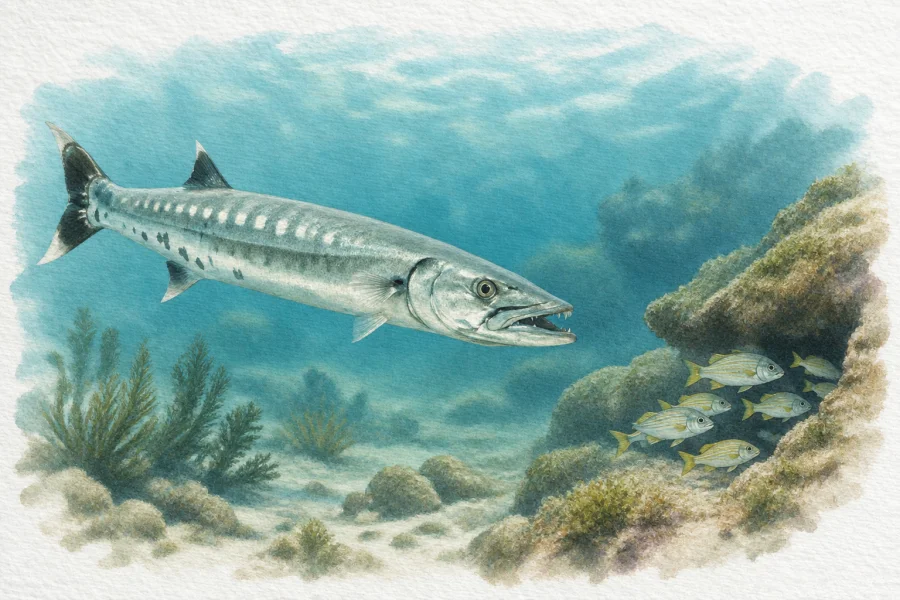
A moray opens its mouth in a rocky crevice, revealing a formidable set of pointed teeth. Nearby, a white seabream picks at the rock. On a tropical reef, a parrotfish scrapes away with a beak, while a barracuda carries…

6–10 years 11–14 years 15–17 years Adults (18+)
Going deeperPublic 5 min · Lic. 9 min 5 / 13 Read the article
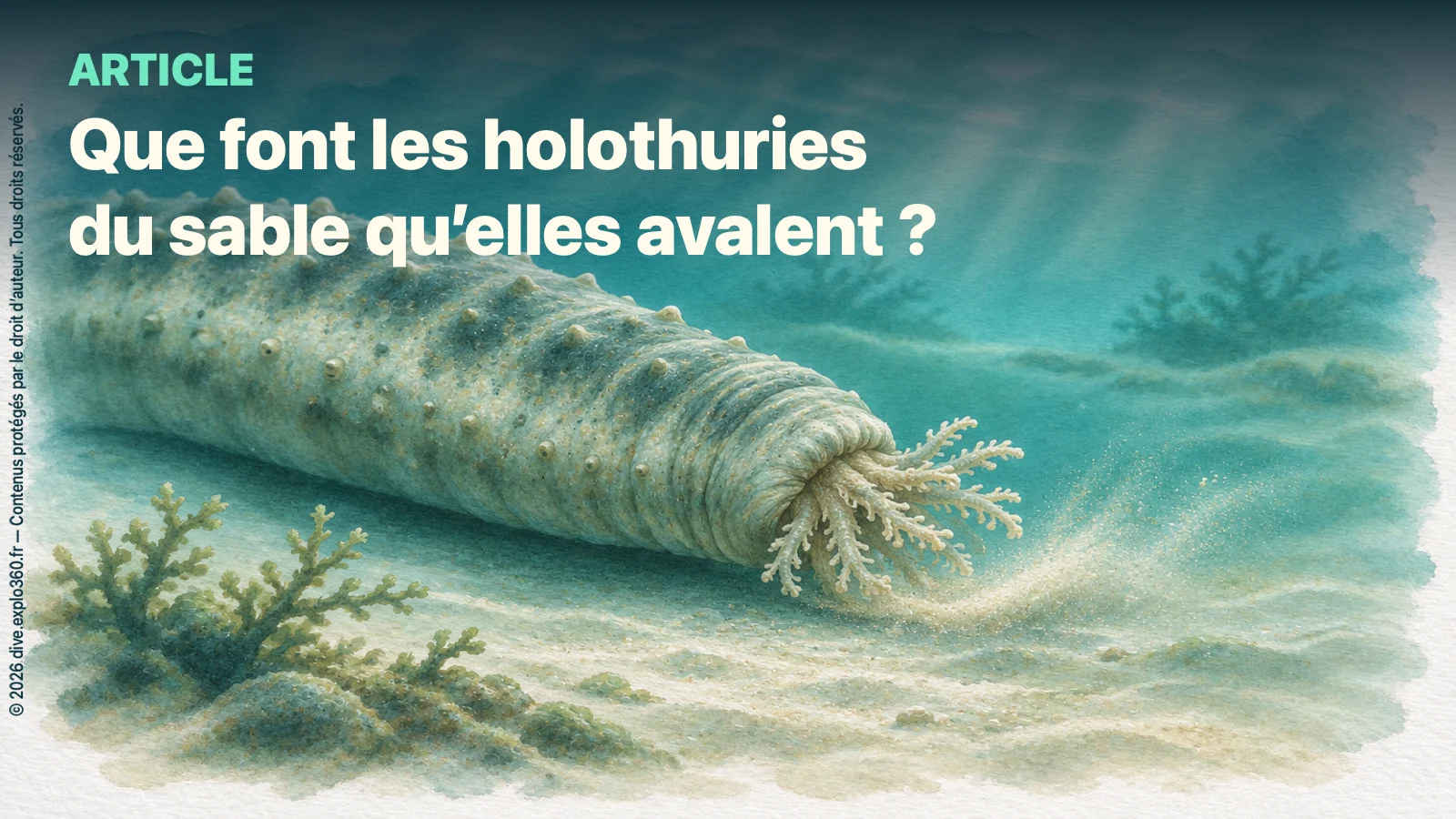
A sea cucumber on a sandy reef floor, with gritty casts behind it. Available1/3 public · licence required for the rest

Multiple marine regions

Mediterranean

Way of life · Natural history

What do sea cucumbers do with the sand they swallow?

At the foot of a reef, ripples mark the sand. A goatfish stirs up a cloud of sediment and disappears among the corals. A sea cucumber moves so slowly you can barely see it crawl. Look at its mouth. Short tentacles pick…

6–10 years 11–14 years 15–17 years Adults (18+)
Going deeperPublic 4 min · Lic. 9 min 6 / 13 Read the article
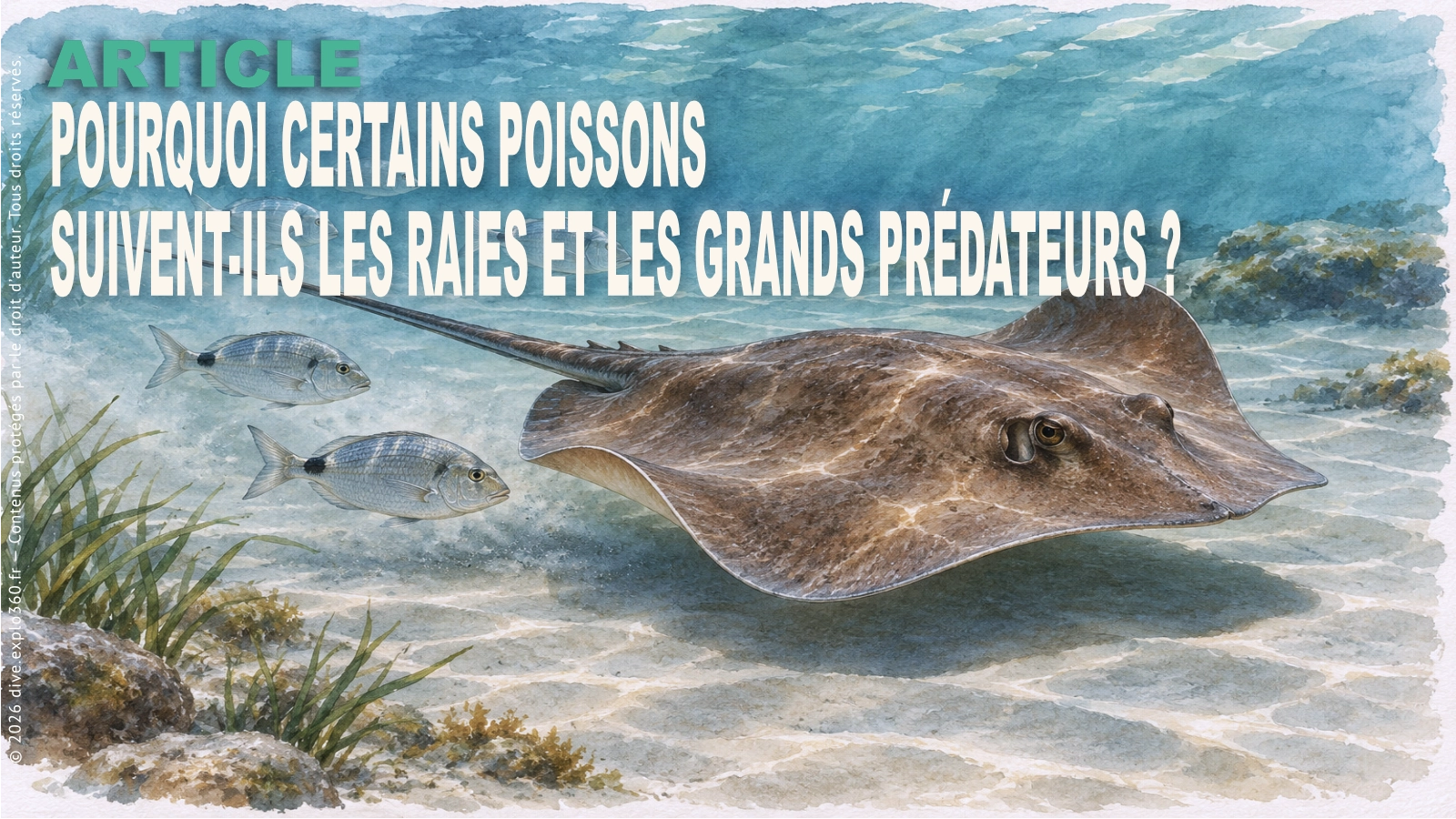
A ray and several fish over a sandy seabed Available1/3 public · licence required for the rest

Multiple marine regions

MediterraneanRed Sea

Way of life · Behaviour

In the company of hunters

Off Malta, cameras have caught blue runners darting after prey in the sand stirred up by feeding rays. On Red Sea reefs, a shake of a grouper’s head can bring a moray out of its shelter. One fish takes advantage of…

6–10 years 11–14 years 15–17 years Adults (18+)
UnderstandingPublic 4 min · Lic. 9 min 7 / 13 Read the article
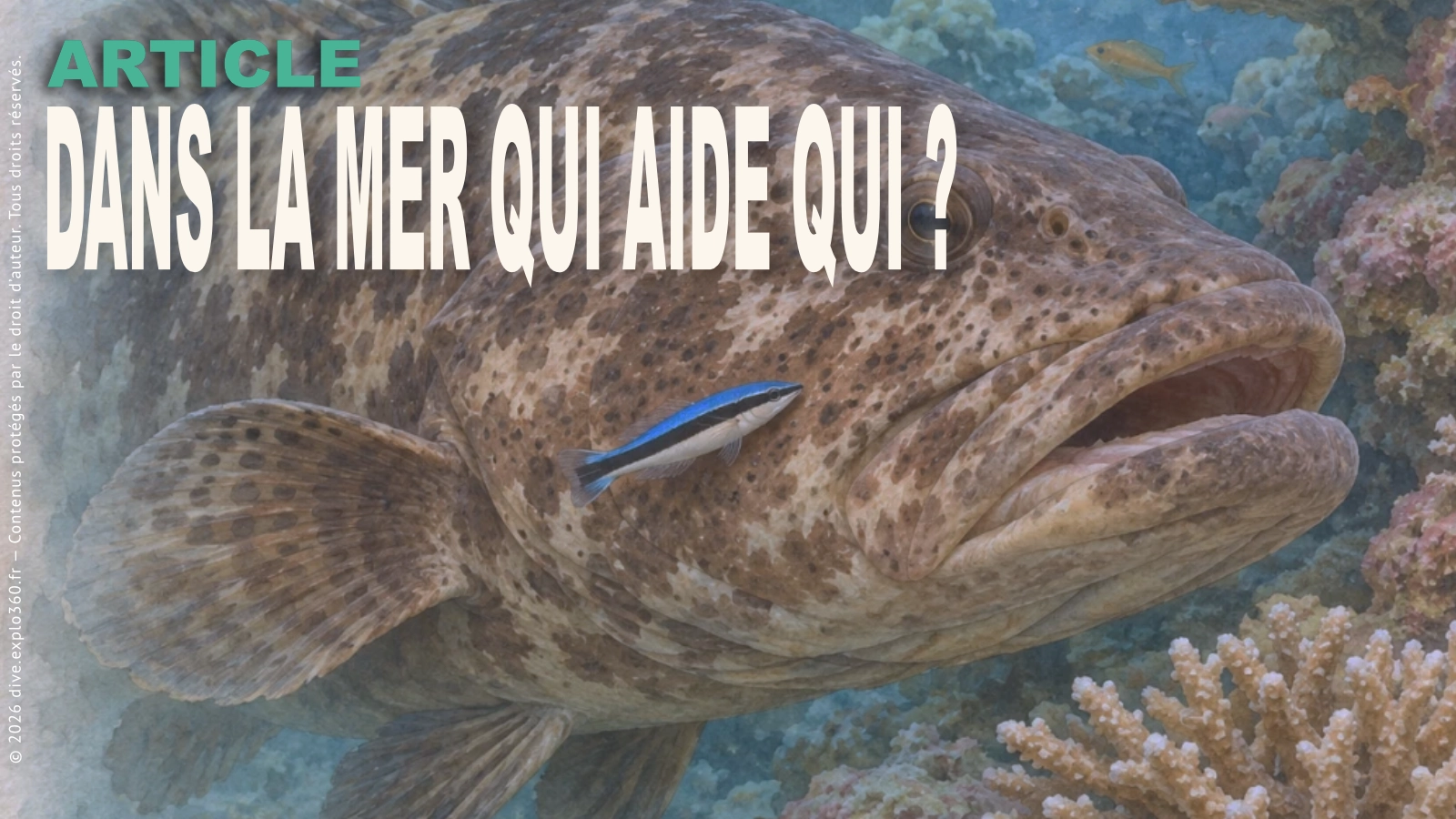
A striped wrasse approaches the head of a stationary grouper. Available1/3 public · licence required for the rest

Multiple marine regions

MediterraneanAtlantic

Ecology · Natural history

Who Helps Whom in the Sea?

On an Indian Ocean reef, a grouper can come to a stop in front of a fish striped in blue and black and open its jaws. The little fish moves closer. A grouper can swallow prey much bigger than this visitor. Yet a cleaner…

6–10 years 11–14 years 15–17 years Adults (18+)
UnderstandingPublic 4 min · Lic. 9 min 8 / 13 Read the article
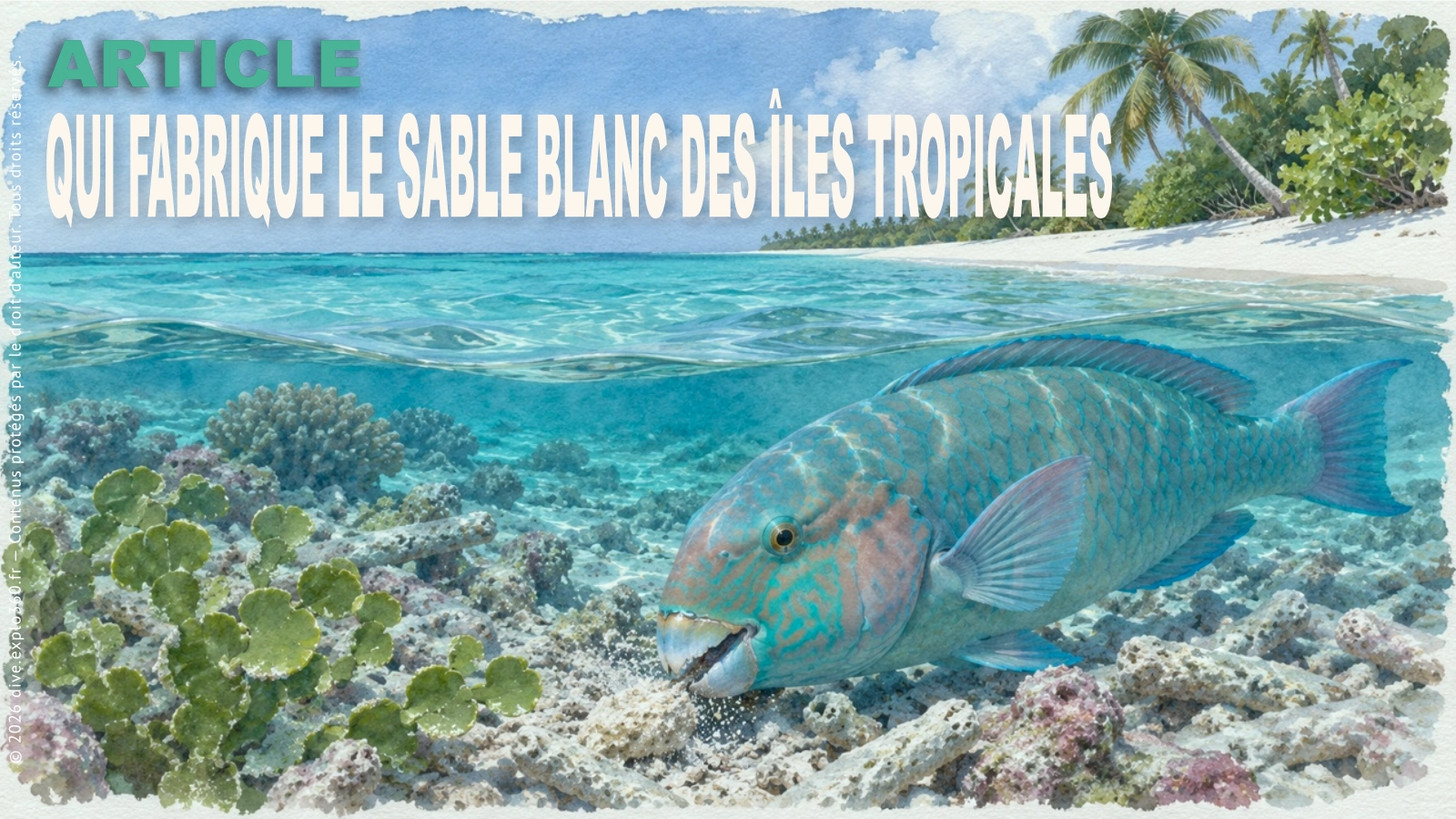
A white sand beach and the reef that supplies some of its grains. Available1/3 public · licence required for the rest

Multiple marine regions

Red SeaRaja Ampat

Biotope · Environment

Who makes the white sand on tropical islands?

A dazzling white beach, coconut palms leaning over a lagoon and turquoise water clear enough to see the seabed. In the Maldives, the Seychelles or the Pacific atolls, the scene can look timeless. Yet some of the grains…

6–10 years 11–14 years 15–17 years Adults (18+)
Going deeperPublic 3 min · Lic. 6 min 9 / 13 Read the article
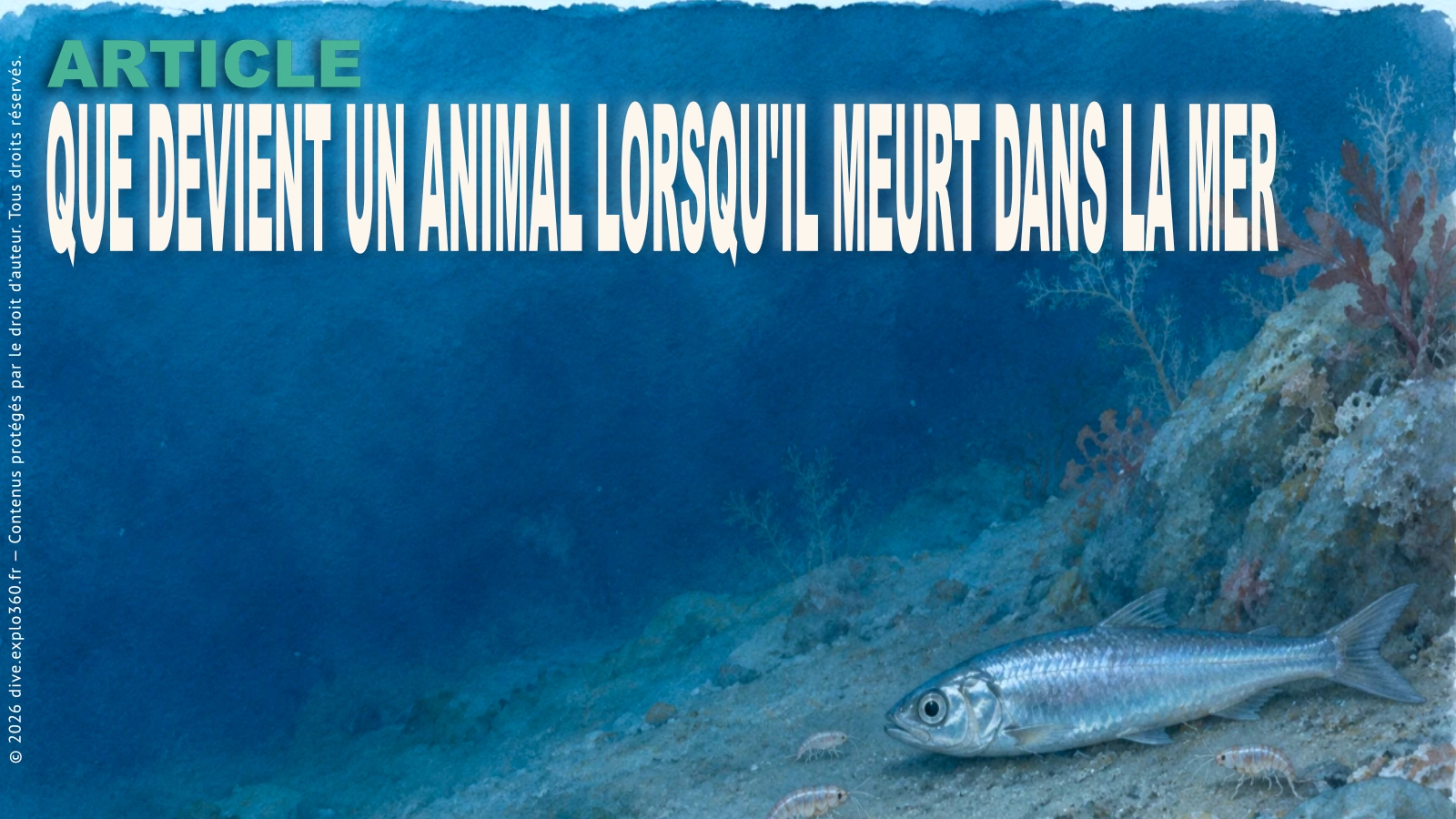
A motionless fish on the seabed. Available1/3 public · licence required for the rest

Multiple marine regions

MediterraneanAtlantic

Way of life · Natural history

What happens when an animal dies in the sea?

In an experiment in the deep Atlantic, fish arrived at a dead cetacean within about an hour. They were catching the small crustaceans that had gathered to feed. Long after the last scavenger leaves a carcass, some of its…

6–10 years 11–14 years 15–17 years Adults (18+)
Going deeperPublic 4 min · Lic. 8 min 10 / 13 Read the article
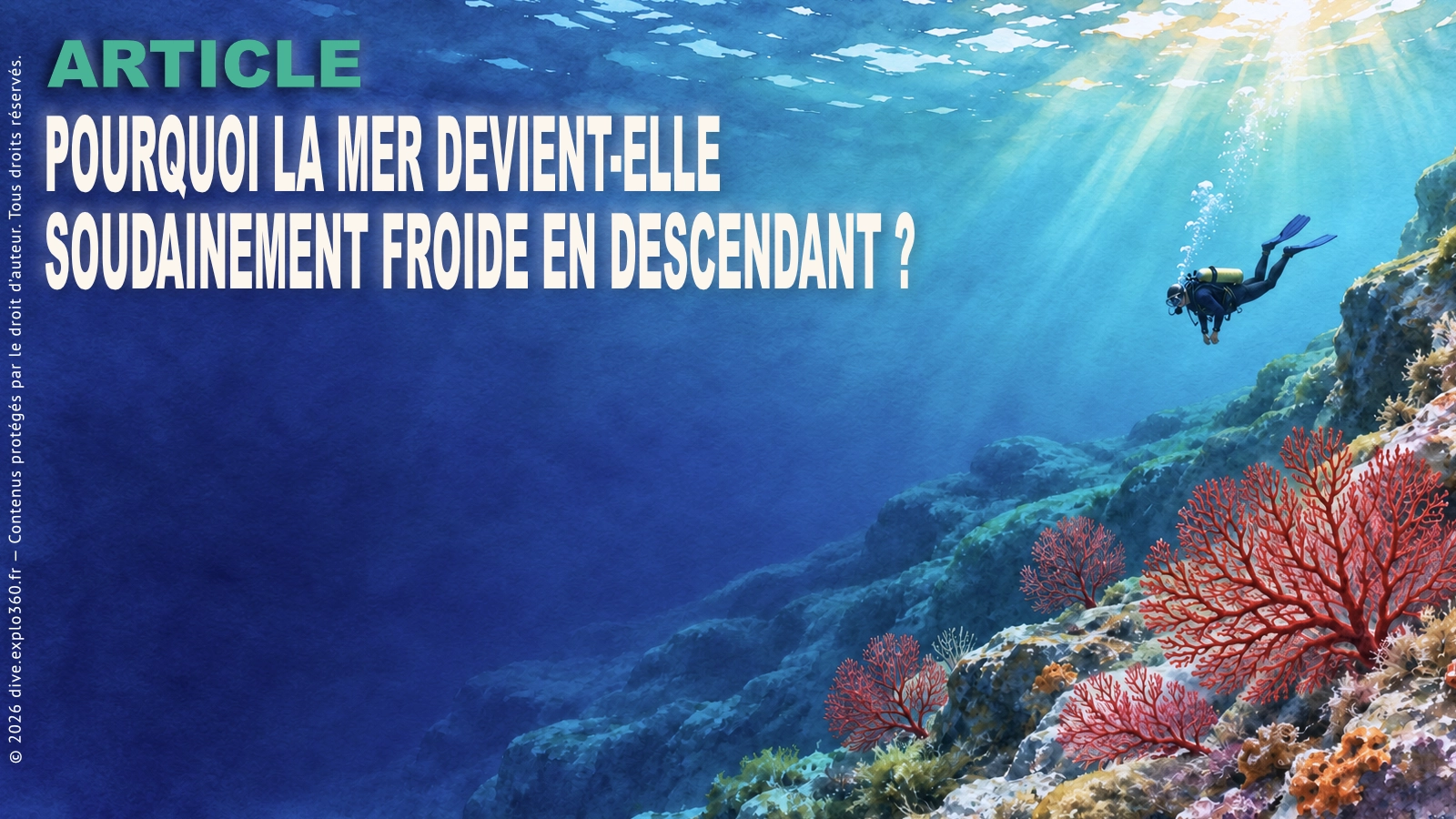
A diver descends above sea fans attached to a rocky wall. Available1/3 public · licence required for the rest

Article region: Mediterranean

Mediterranean

Biotope · Environment

Why does the sea suddenly get colder as you descend?

Sunlight flickers across the rock as the diver descends. Near the surface, the water feels pleasantly warm. A few metres lower, the cold catches the diver across the face and hands. Looking back up, there’s no obvious…

6–10 years 11–14 years 15–17 years Adults (18+)
Going deeperPublic 3 min · Lic. 7 min 11 / 13 Read the article
WHAT IF IT ALL HAPPENED UNDERWATER? Available1/3 public · licence required for the rest

Article region: Mediterranean

Mediterranean

Ecology · Science

WHAT IF IT ALL HAPPENED UNDERWATER?

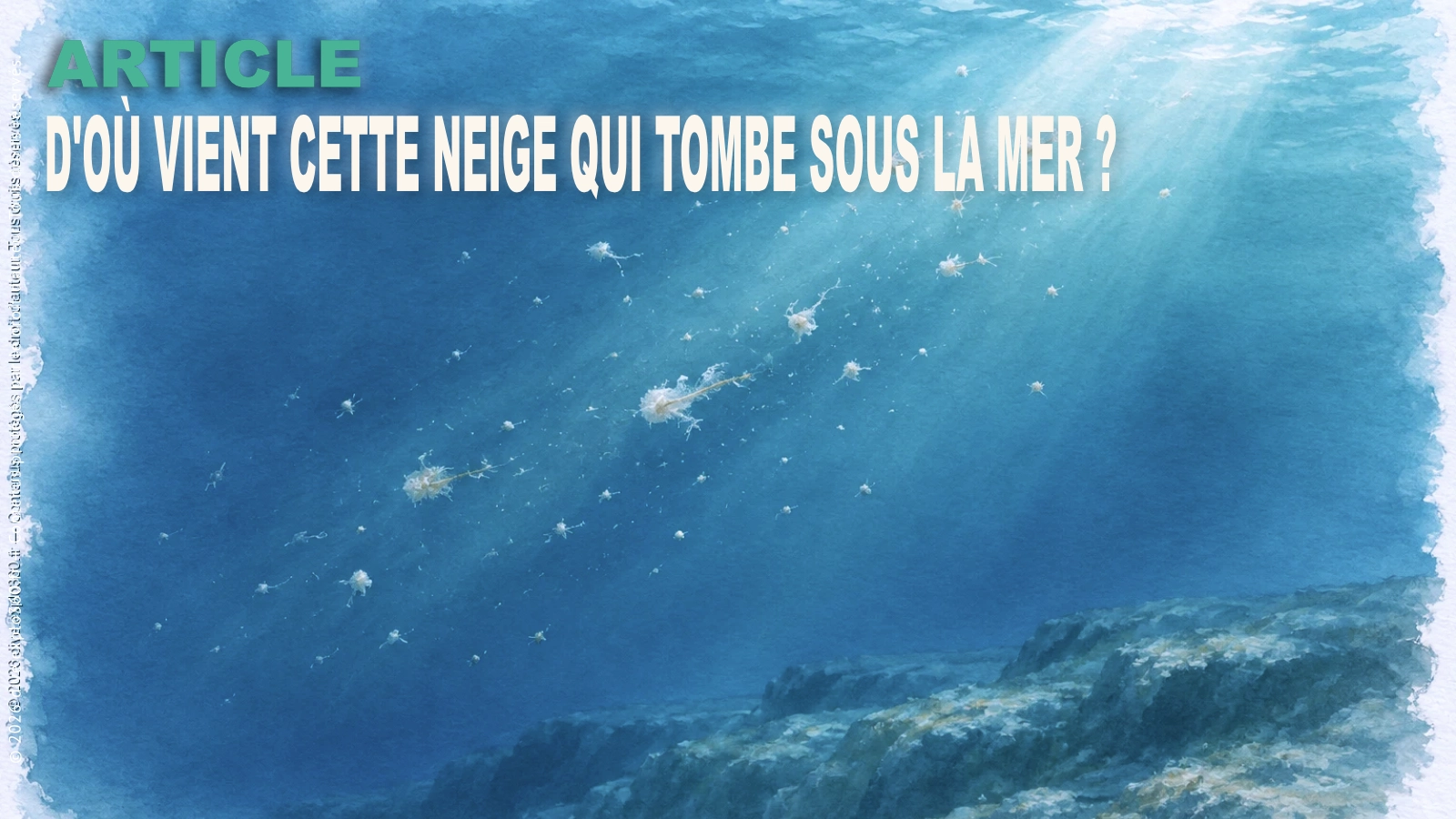
Between Port-Cros and Porquerolles, a calm sea gives little away about what is moving beneath it. A sardine can take in plankton and pass some of that meal on to a tuna. Other material can drift past both fish towards…

6–10 yearsUnavailable 11–14 years 15–17 years Adults (18+)
Going deeperPublic 2 min · Lic. 4 min 12 / 13 Read the article