Partners and Dive.Explo360 explorers

Contact us

Verification code

Feeding strategies and the movement of matter

Compare feeding strategies, then see how interactions between species affect what happens to matter in an ecosystem.

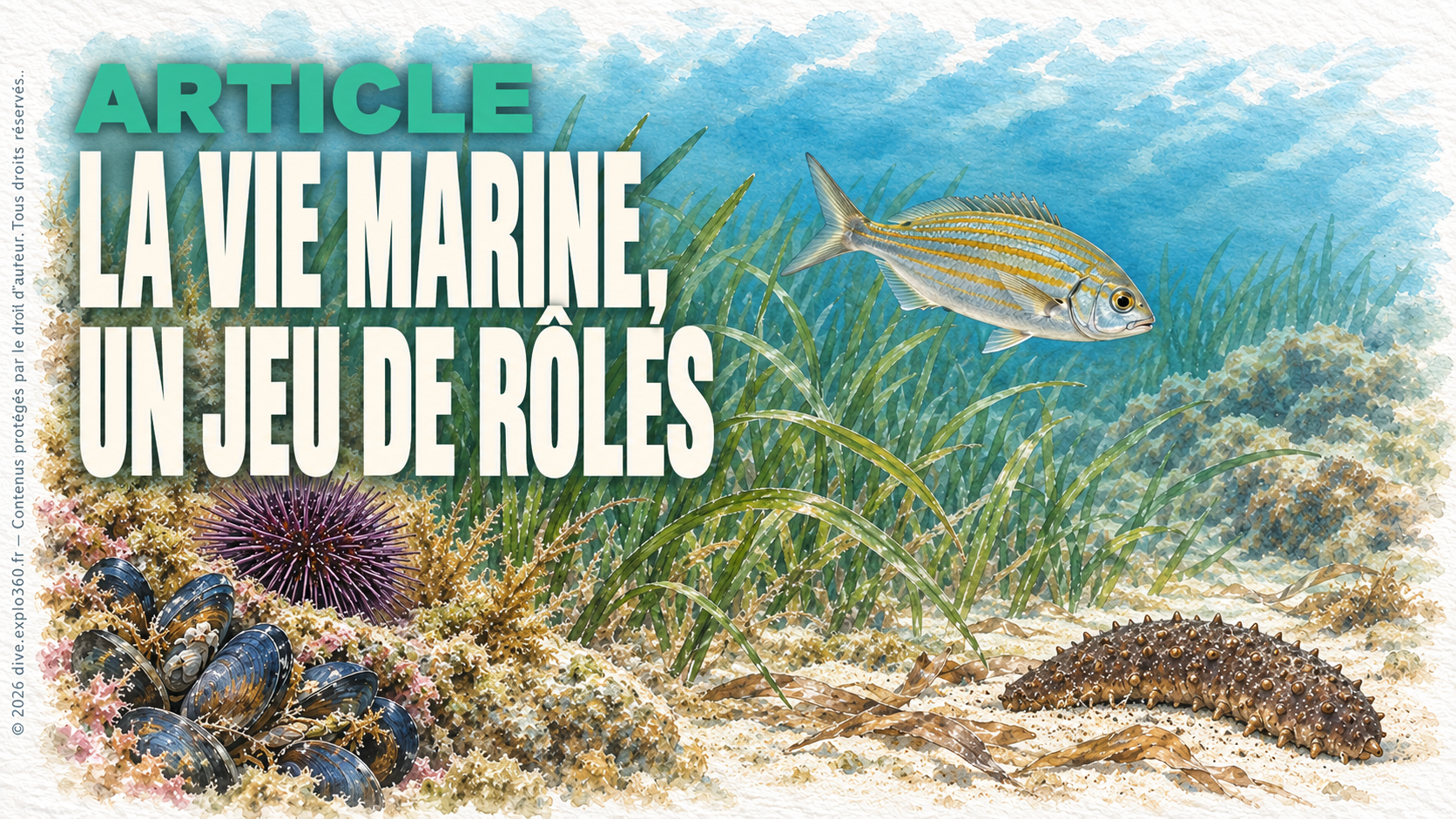
Mediterranean seagrass and rocky seabed with organisms whose functions are connected. AvailableFree access

Multiple marine regions

MediterraneanAtlantic

Ecology · Natural history

What marine animals do and why it matters

The same seagrass meadow can produce food, hold sediment in place and supply debris to the seabed. Ecological roles describe how these processes connect and why their effects vary with local conditions. The examples are…
6–10 years 11–14 years 15–17 years Adults (18+)
Understanding6 min 1 / 13 Read the article
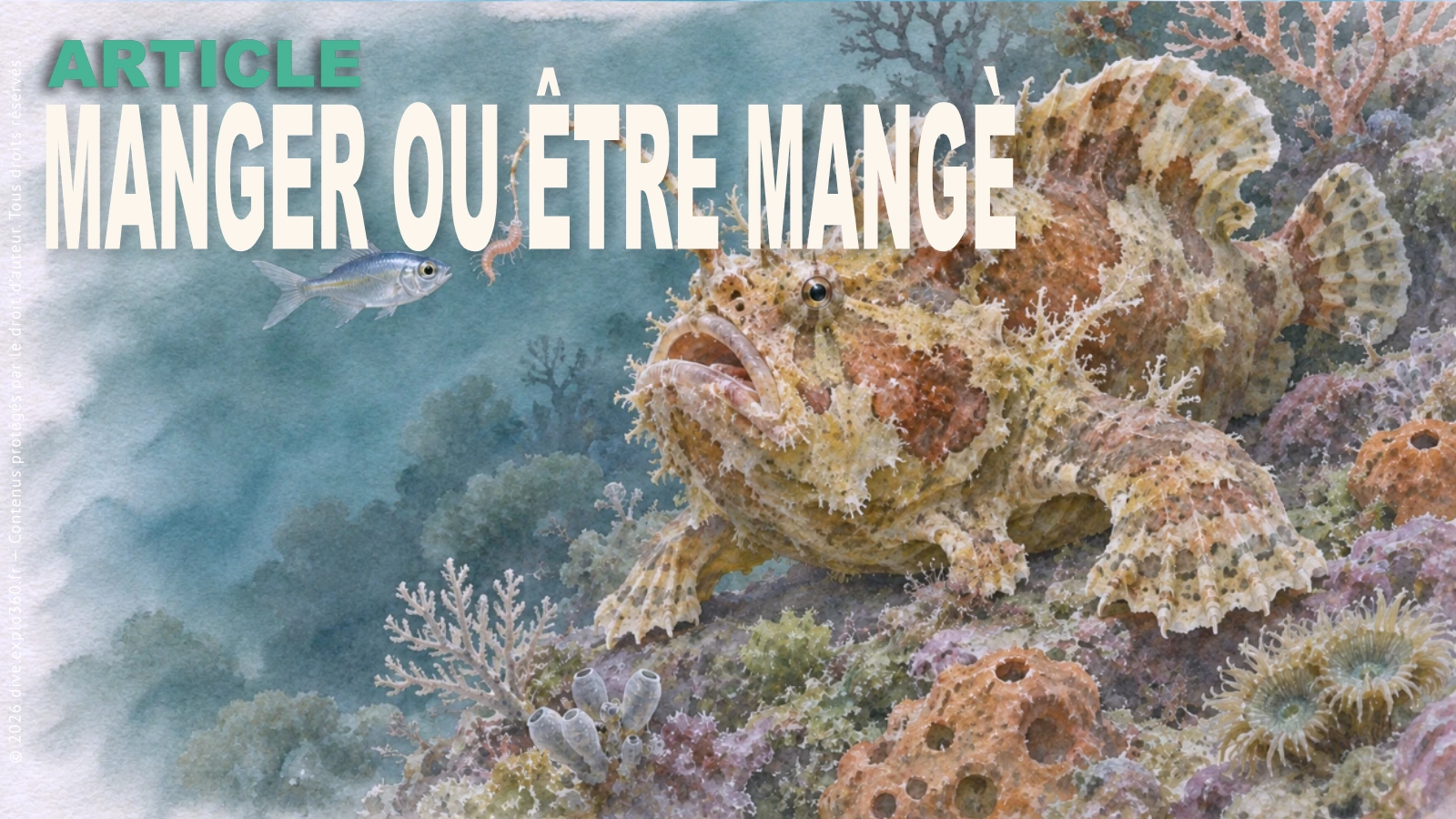
A camouflaged frogfish faces a small fish on the reef. AvailableFree access

Multiple marine regions

MediterraneanAtlantic

Way of life · Natural history

Eat or Be Eaten: Hunting Strategies Underwater

A frogfish’s lure can bring prey within reach of a mouth that opens in a fraction of a second. Whether the prey escapes depends on when it senses danger and how much time it has to react.

6–10 years 11–14 years 15–17 years Adults (18+)
Getting started4 min 2 / 13 Read the article
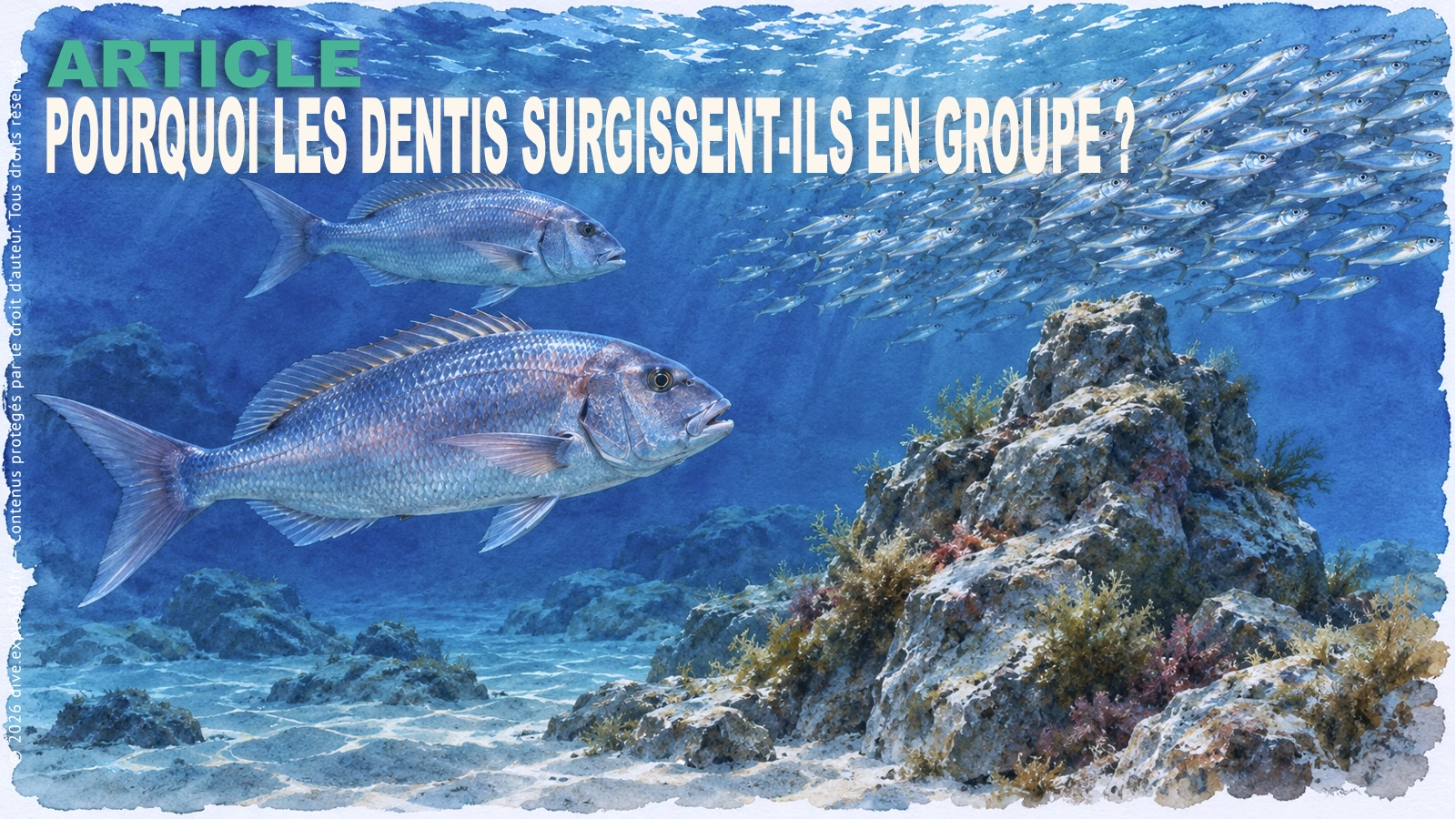
The dentex converge on the same school in this reconstruction. Available1/3 public · licence required for the rest

Article region: Mediterranean

Mediterranean

Way of life · Behaviour

Why do common dentex appear in groups?

Several dentex appear beside a Mediterranean rocky shoal just as a group of bogue veers away. Their chases overlap. To establish whether the predators are cooperating, it matters whether they respond to one another or…

6–10 years 11–14 years 15–17 years Adults (18+)
Going deeperPublic 2 min · Lic. 4 min 3 / 13 Read the article
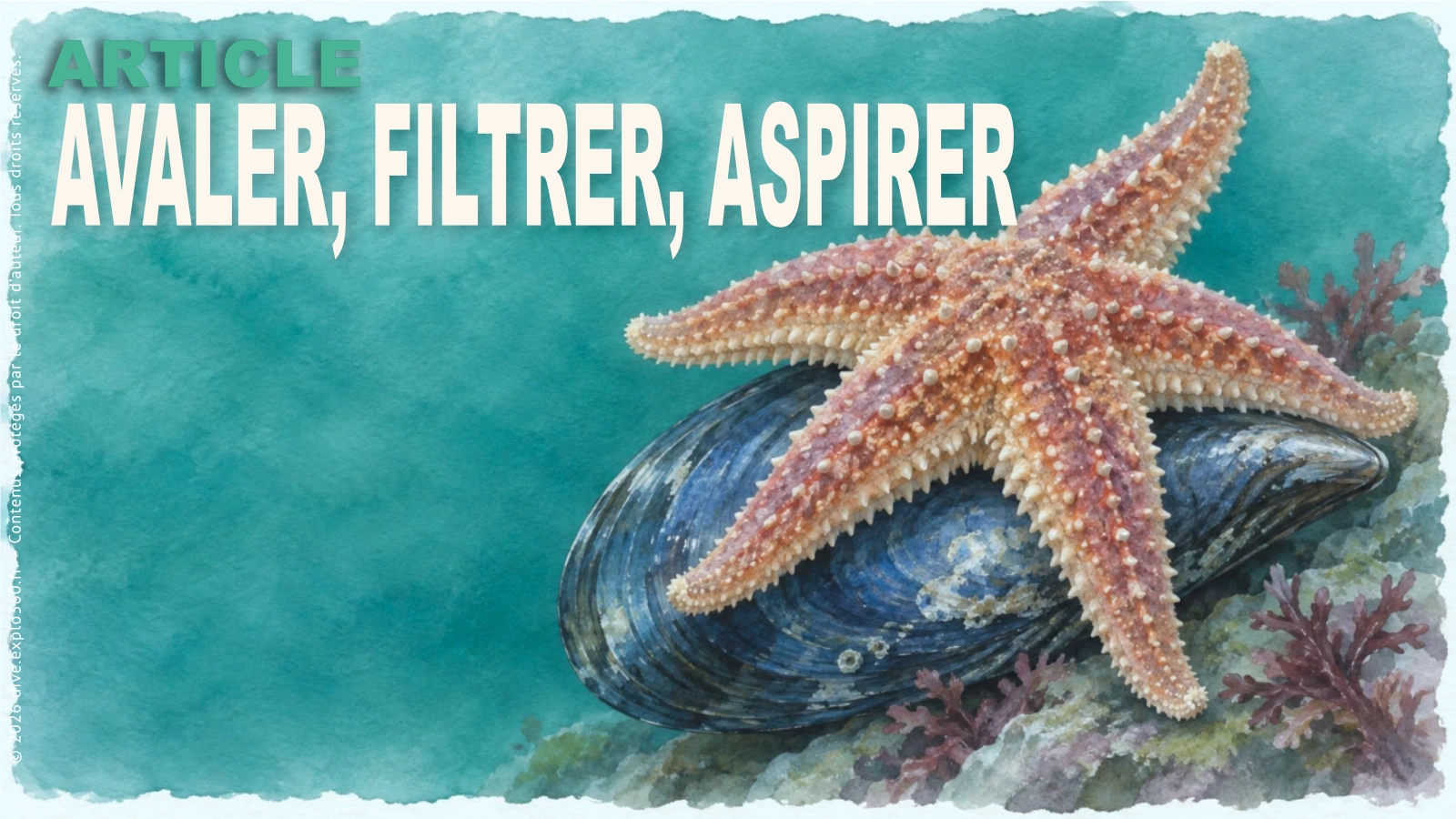
A sea star over a mussel. Available1/3 public · licence required for the rest

Multiple marine regions

MediterraneanAtlantic

Way of life · Natural history

Swallow, filter, suck in: surprising ways to feed

A mussel’s shell, a shrimp’s escape and a seabed full of sand pose different problems for a hungry animal. Follow the food from where it starts to where digestion begins, including the particles a sea squirt picks out of…

6–10 years 11–14 years 15–17 years Adults (18+)
UnderstandingPublic 1 min · Lic. 3 min 4 / 13 Read the article
Comparing feeding apparatus reveals different mechanical demands. Teeth are enlarged to make their shape clear; their proportions are not realistic. Available1/3 public · licence required for the rest

Multiple marine regions

MediterraneanAtlantic

Way of life · Natural history

What fish teeth reveal about their meals

A moray holds a struggling fish, a white seabream cracks a shell and a parrotfish bites into limestone. Each mouth solves a different mechanical problem. Teeth reveal how fish can feed, but discovering what they actually…

6–10 years 11–14 years 15–17 years Adults (18+)
Going deeperPublic 3 min · Lic. 6 min 5 / 13 Read the article
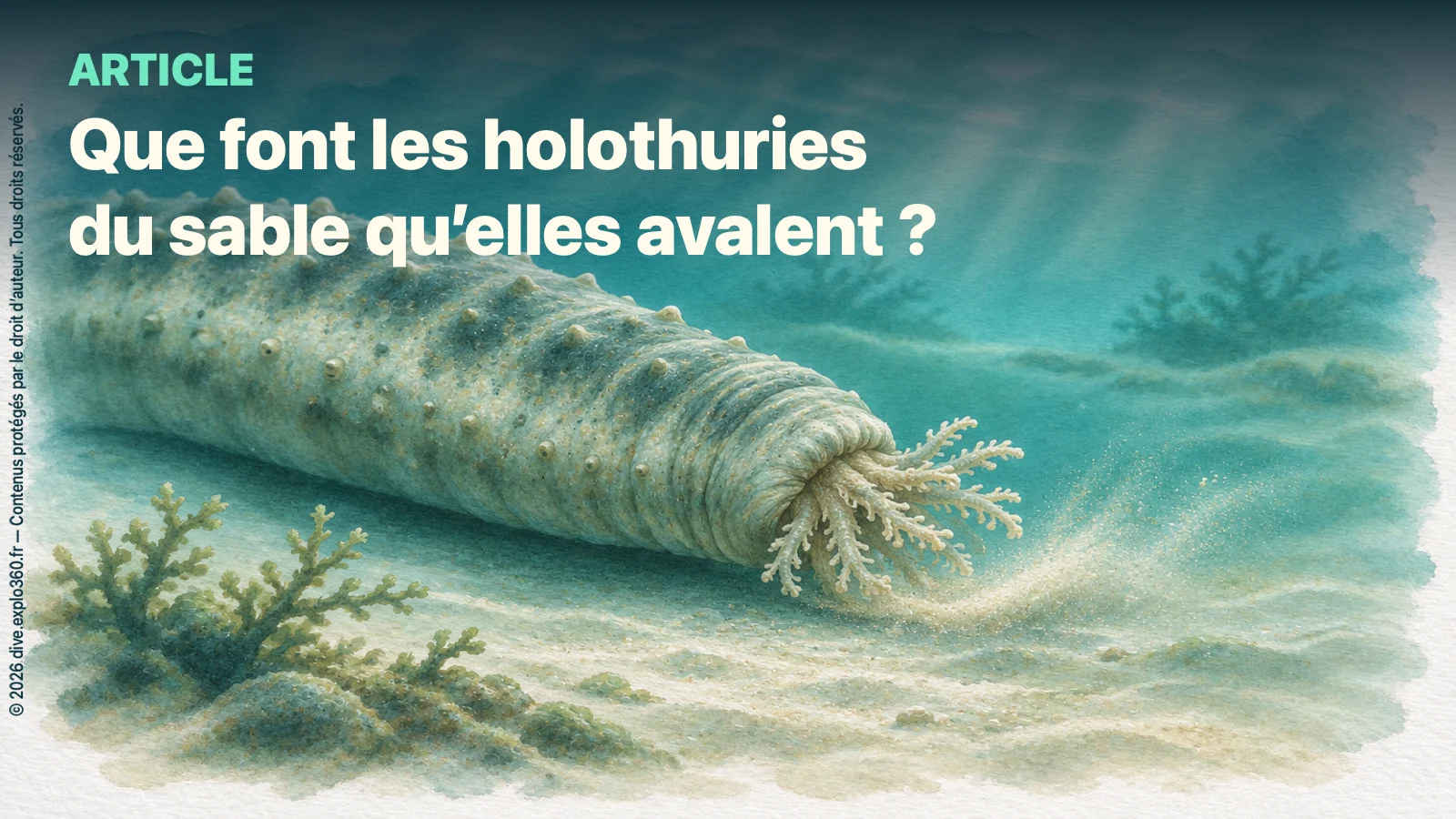
A deposit-feeding sea cucumber and its droppings on reef sediment. Available1/3 public · licence required for the rest

Multiple marine regions

Mediterranean

Way of life · Natural history

What happens to sediment after a sea cucumber swallows it?

A sea cucumber gathers a mouthful of sediment with its tentacles. A few hours later, the grains reappear in a small cylinder. Compare the sediment before and after it passes through the gut to see what happens to its…

6–10 years 11–14 years 15–17 years Adults (18+)
Going deeperPublic 2 min · Lic. 5 min 6 / 13 Read the article
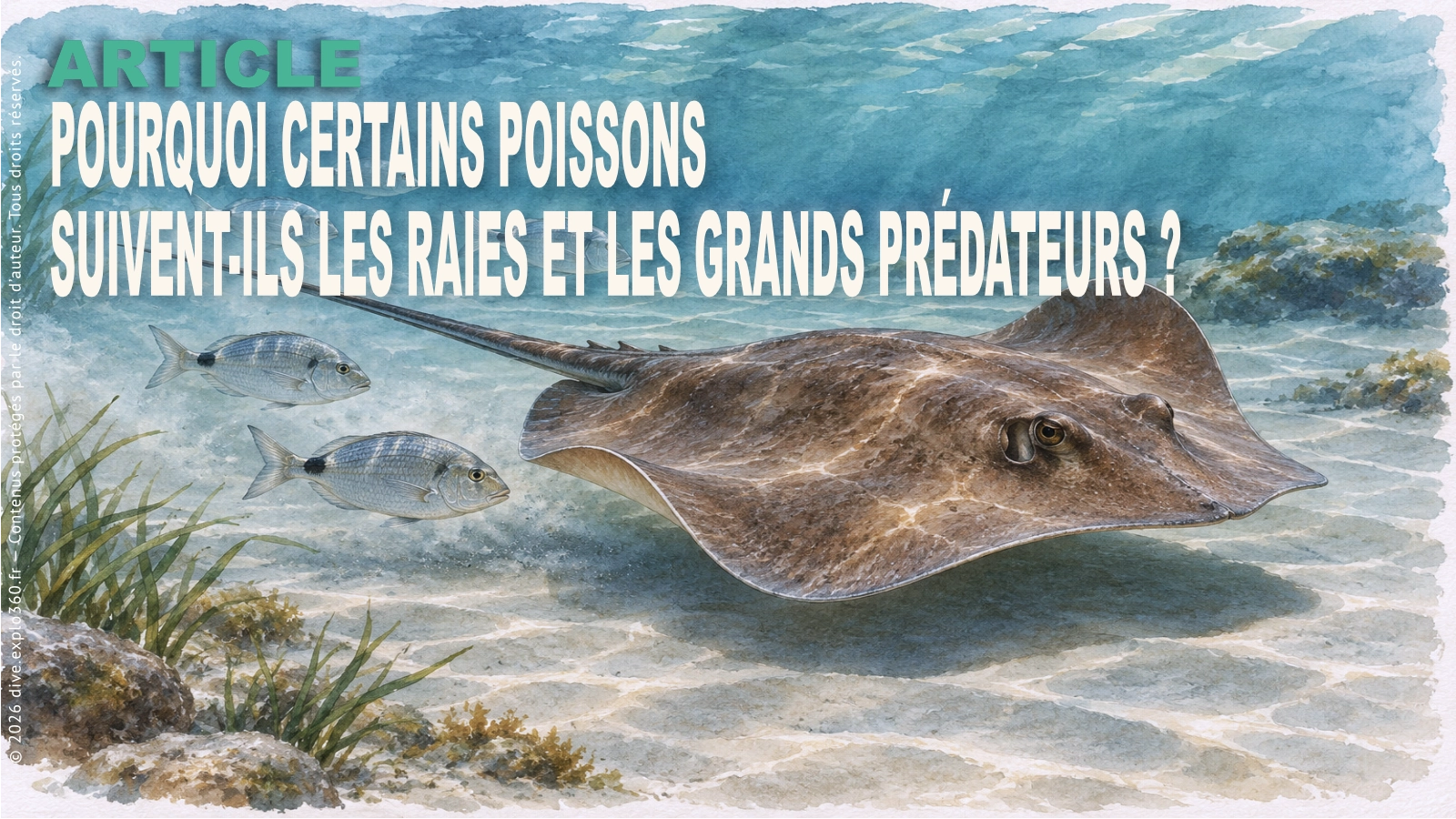
A ray and several fish over a sandy seabed Available1/3 public · licence required for the rest

Multiple marine regions

MediterraneanRed Sea

Way of life · Behaviour

The hidden tactics of fish that follow

A blue runner keeps close to a ray as it works the sand. On a Red Sea reef, a grouper signals to a moray before the two set out. In both cases, hunters come together. Their next move can tell you whether they’re taking…

6–10 years 11–14 years 15–17 years Adults (18+)
UnderstandingPublic 3 min · Lic. 6 min 7 / 13 Read the article
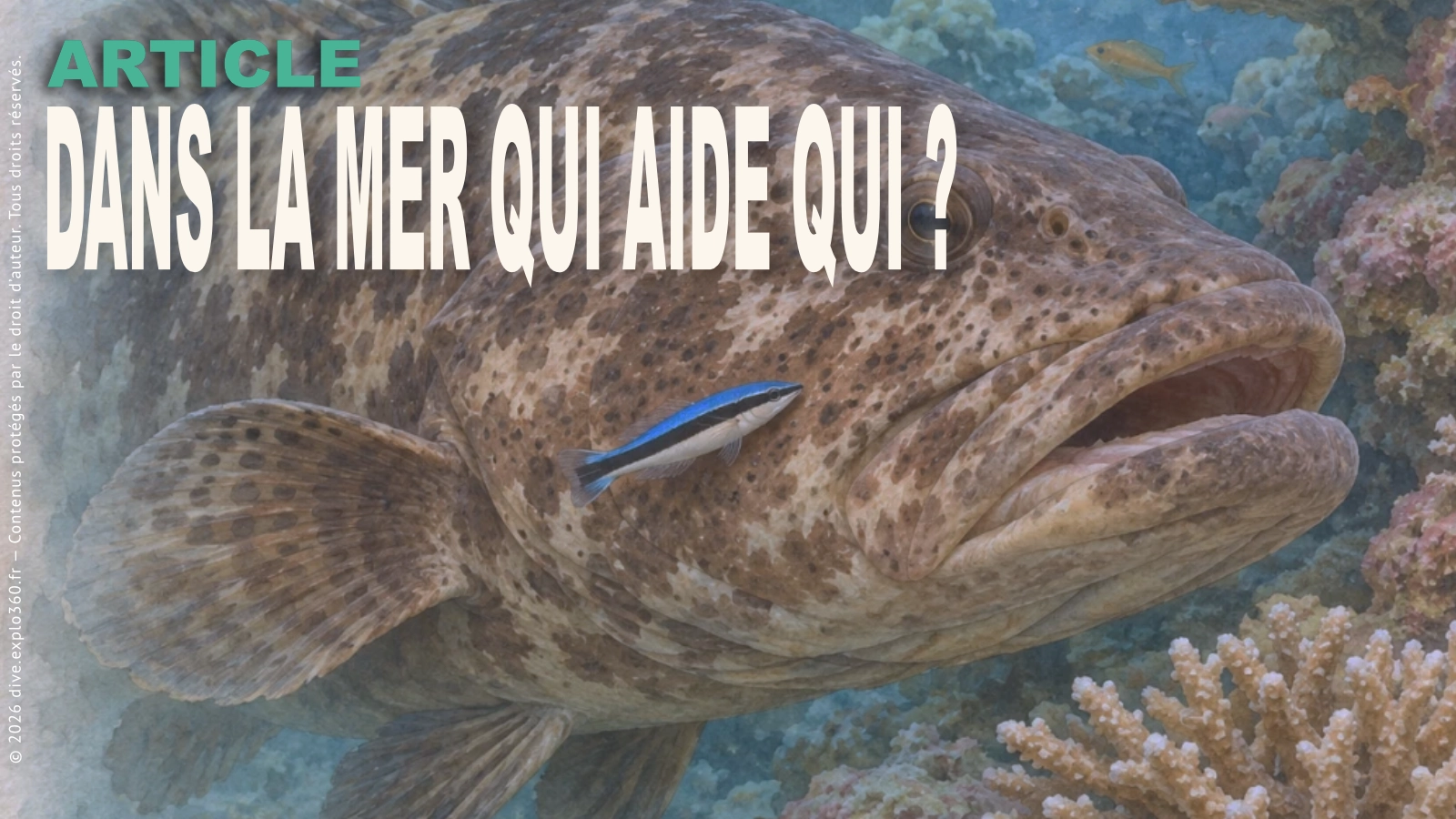
A striped wrasse approaches the head of a stationary grouper. Available1/3 public · licence required for the rest

Multiple marine regions

MediterraneanAtlantic

Ecology · Natural history

Who Helps Whom in the Sea?

A grouper pauses beside a cleaner wrasse. From that encounter alone, it can be hard to tell which fish benefits and how much. The same question applies to a goby sharing a burrow, a remora on a moving host and an isopod…

6–10 years 11–14 years 15–17 years Adults (18+)
UnderstandingPublic 2 min · Lic. 3 min 8 / 13 Read the article
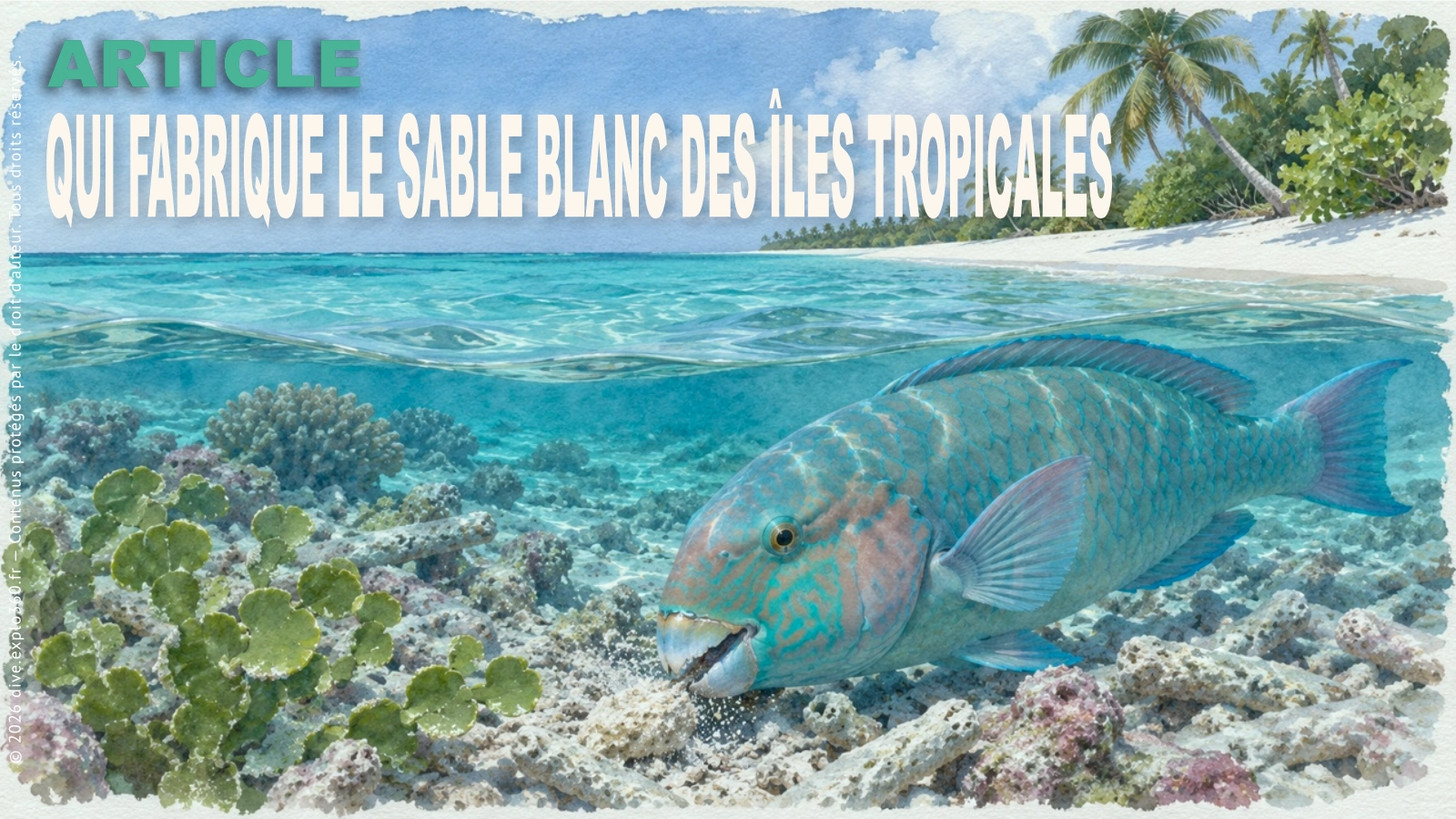
A white sand beach and the reef that supplies some of its grains. Available1/3 public · licence required for the rest

Multiple marine regions

Red SeaRaja Ampat

Biotope · Environment

Tropical white sand, from reef to shore

Trace a grain from reef to beach and look for three processes along the way. Organisms build calcium carbonate structures, those structures break into fragments, and water carries the grains.

6–10 years 11–14 years 15–17 years Adults (18+)
Going deeperPublic 1 min · Lic. 3 min 9 / 13 Read the article
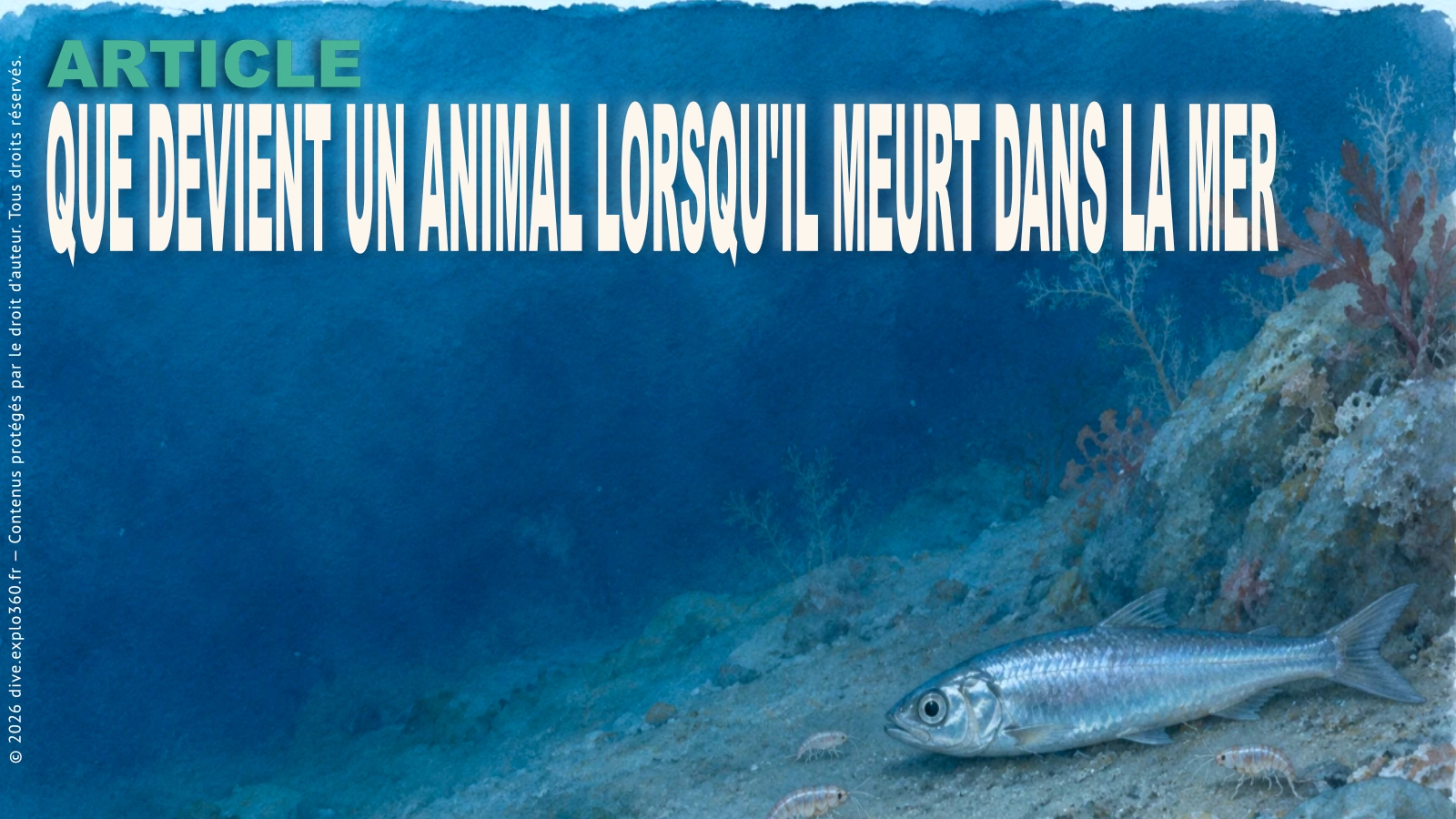
A motionless fish on the seabed. Available1/3 public · licence required for the rest

Multiple marine regions

MediterraneanAtlantic

Way of life · Natural history

What happens when an animal dies in the sea?

A carcass on the seabed draws scavengers and the fish that hunt them. As its tissues break down, some of the material enters those animals, while some reaches the sediment or dissolves. Oxygen levels, microbial activity…

6–10 years 11–14 years 15–17 years Adults (18+)
Going deeperPublic 1 min · Lic. 3 min 10 / 13 Read the article
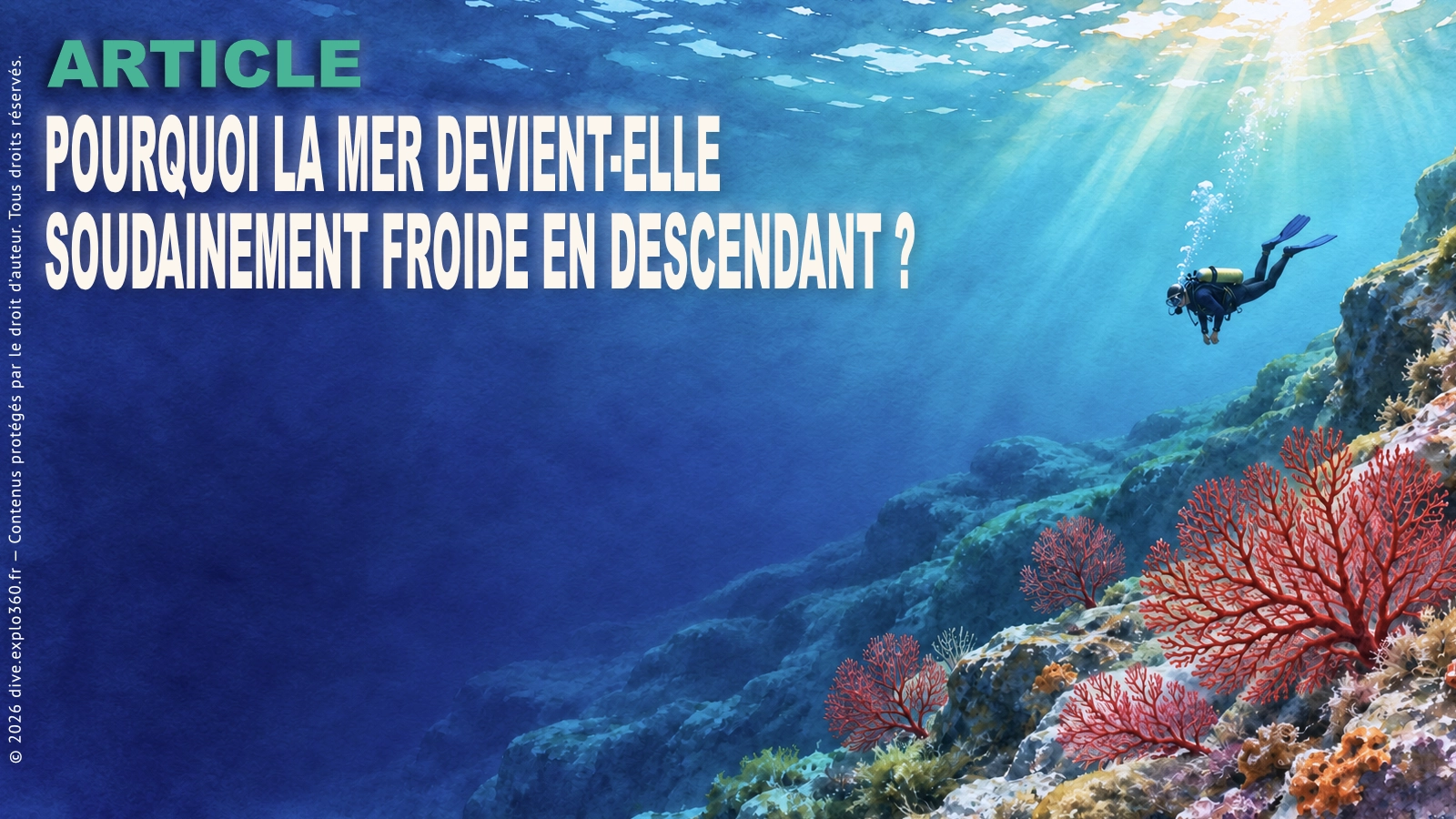
A diver descends above sea fans attached to a rocky wall. Available1/3 public · licence required for the rest

Article region: Mediterranean

Mediterranean

Biotope · Environment

Why does the sea suddenly get colder as you descend?

On a dive, the temperature can fall by several degrees in just a few metres. A thermocline is the layer where this vertical temperature gradient is steepest. Its depth and strength affect how water mixes and where…

6–10 years 11–14 years 15–17 years Adults (18+)
Going deeperPublic 2 min · Lic. 4 min 11 / 13 Read the article
WHAT IF IT ALL HAPPENED UNDERWATER? Available1/3 public · licence required for the rest

Article region: Mediterranean

Mediterranean

Ecology · Science

WHAT IF IT ALL HAPPENED UNDERWATER?

A tuna takes in some of the energy a sardine obtained from plankton. Elsewhere, a particle sinks past both fish and may feed an animal on the seabed. Following these routes shows how matter and energy move through a…

6–10 yearsUnavailable 11–14 years 15–17 years Adults (18+)
Going deeperPublic 2 min · Lic. 4 min 12 / 13 Read the article