Partners and Dive.Explo360 explorers

Contact us

Verification code

Who eats what in the sea?

Follow animals that hunt, graze or filter the water and find out what happens to their leftovers.

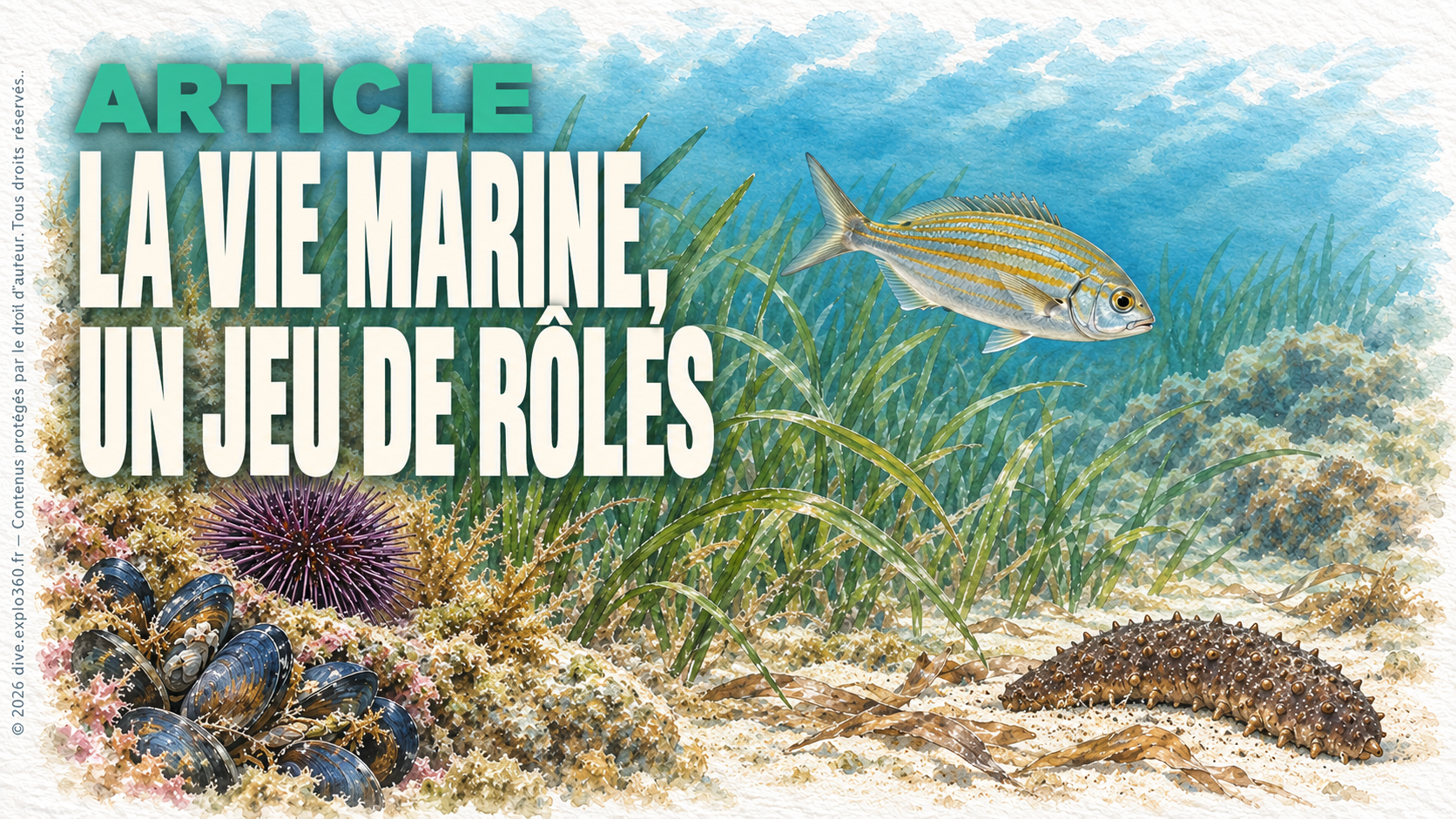
Mediterranean seagrass and rocky seabed with organisms whose functions are connected. AvailableFree access

Multiple marine regions

MediterraneanAtlantic

Ecology · Natural history

What marine animals do and why it matters

A fish can eat a leaf or hide among leaves. A mussel catches food that drifts past in the water. These are examples from the Mediterranean. Look for the same kinds of links between living things in other seas.
6–10 years 11–14 years 15–17 years Adults (18+)
Understanding8 min 1 / 13 Read the article
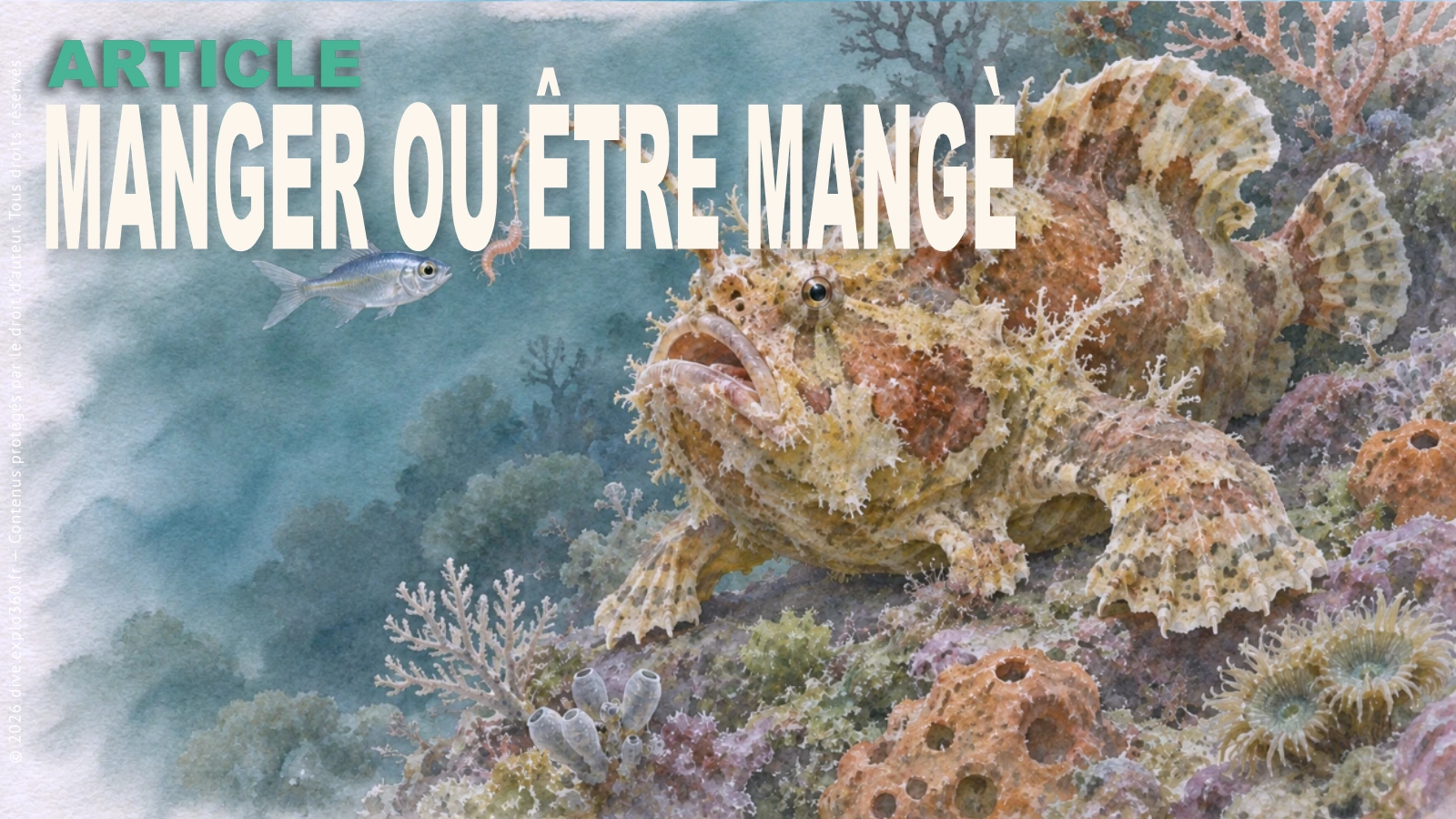
A camouflaged frogfish faces a small fish on the reef. AvailableFree access

Multiple marine regions

MediterraneanAtlantic

Way of life · Natural history

Eat or Be Eaten: Hunting Strategies Underwater

Imagine a little fish spotting what looks like a worm. It swims closer. The wriggling thing is a lure, and it belongs to a frogfish hiding on the seabed.

6–10 years 11–14 years 15–17 years Adults (18+)
Getting started7 min 2 / 13 Read the article
A sea star over a mussel. Available1/3 public · licence required for the rest

Multiple marine regions

MediterraneanAtlantic

Way of life · Natural history

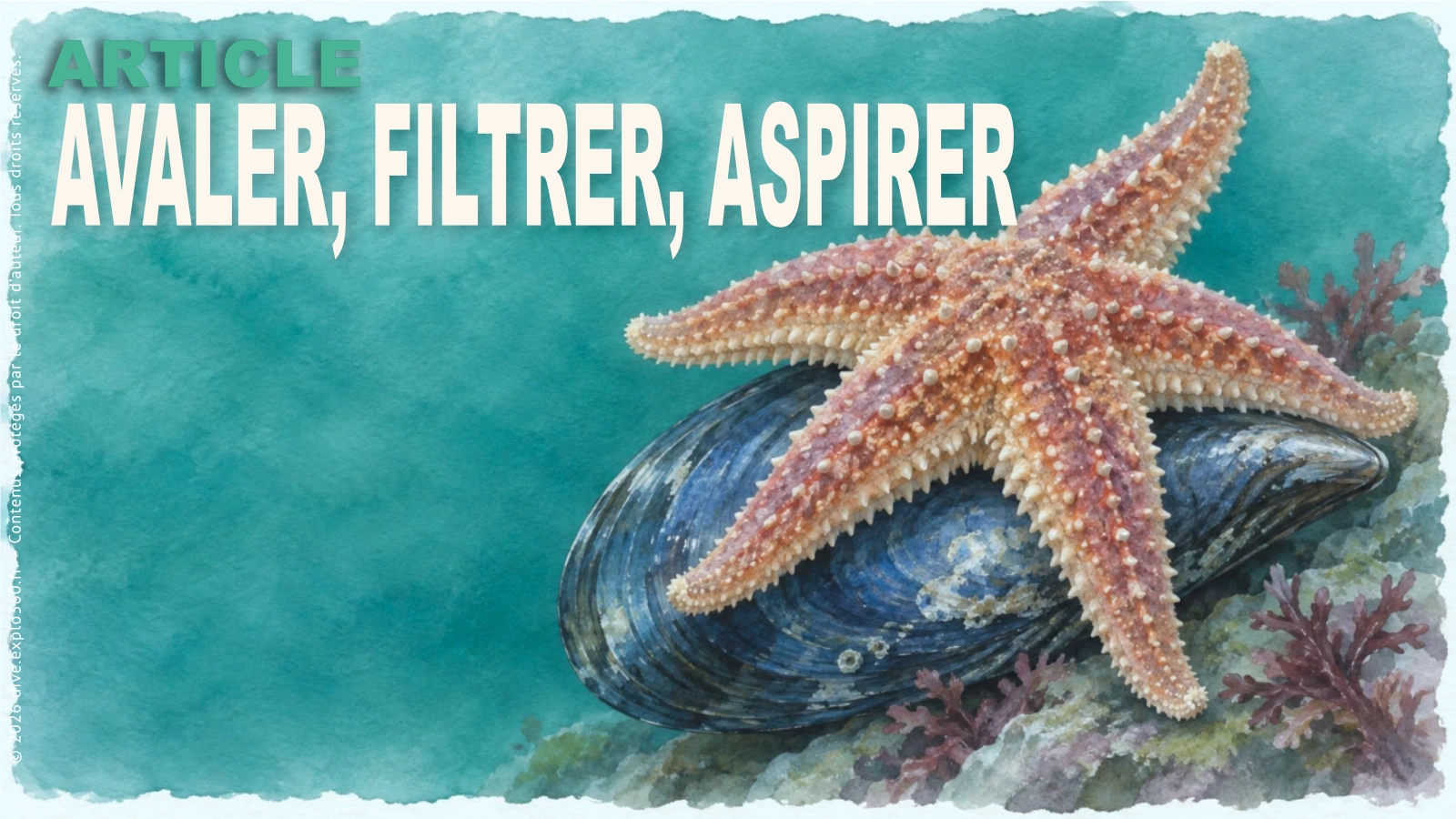
Swallow, filter, suck in: surprising ways to feed

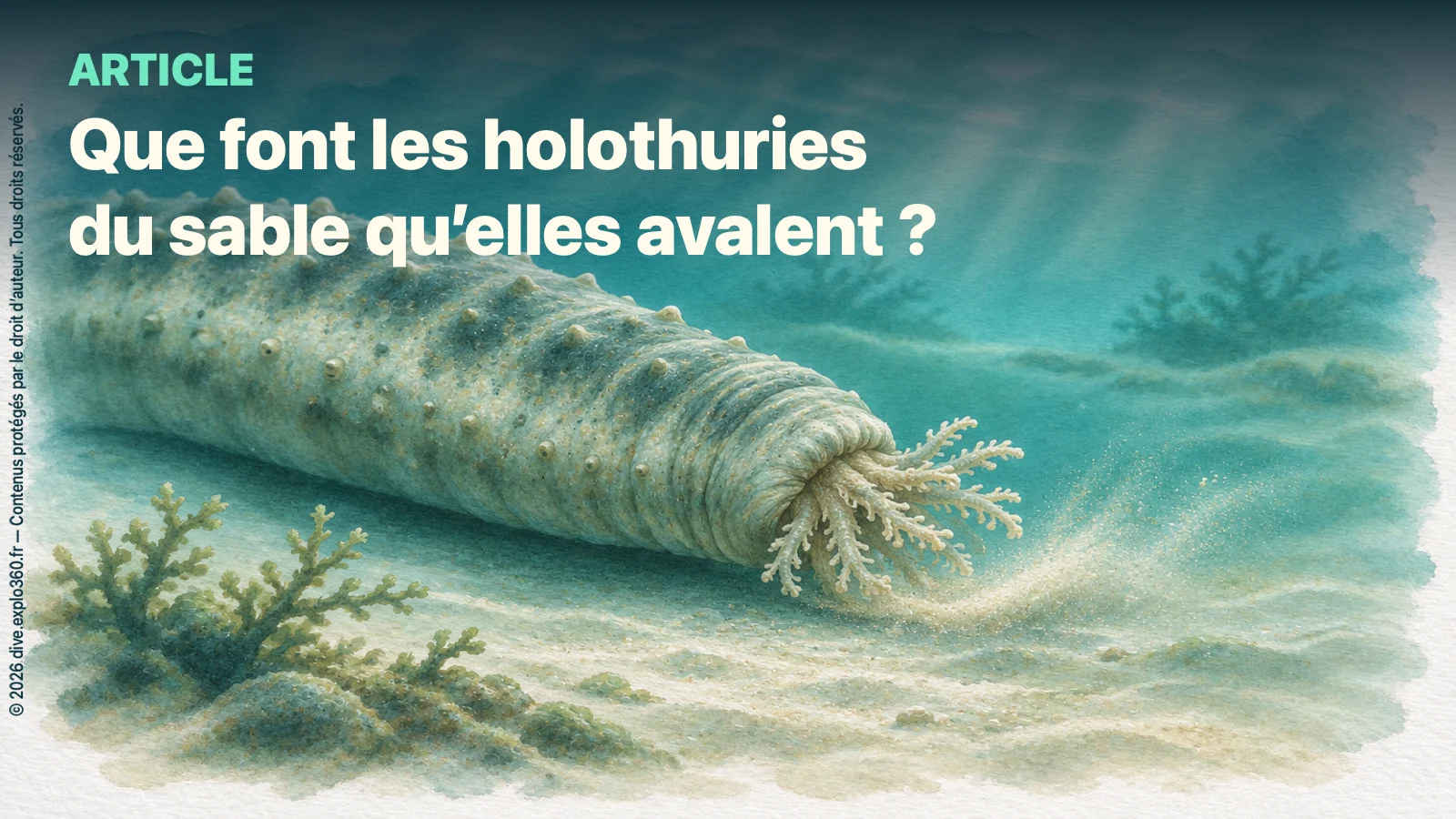
A mussel snaps its shell shut. A sea star settles over it. All it needs is a tiny gap. Elsewhere, a fish uses rushing water to catch a shrimp, and a sea cucumber finds food between grains of sand.

6–10 years 11–14 years 15–17 years Adults (18+)
UnderstandingPublic 3 min · Lic. 5 min 4 / 13 Read the article
Seabream and moray teeth suit different tasks. Visible teeth are drawn larger to make them easier to see. Available1/3 public · licence required for the rest

Multiple marine regions

MediterraneanAtlantic

Way of life · Natural history

Fish teeth: tools for every meal

What is on the menu? A moray has pointed teeth for holding slippery prey. A seabream can crack a shell, and a parrotfish bites with a beak. Fish have some amazing tools for eating. A few even have another set of jaws…

6–10 years 11–14 years 15–17 years Adults (18+)
UnderstandingPublic 6 min · Lic. 12 min 5 / 13 Read the article
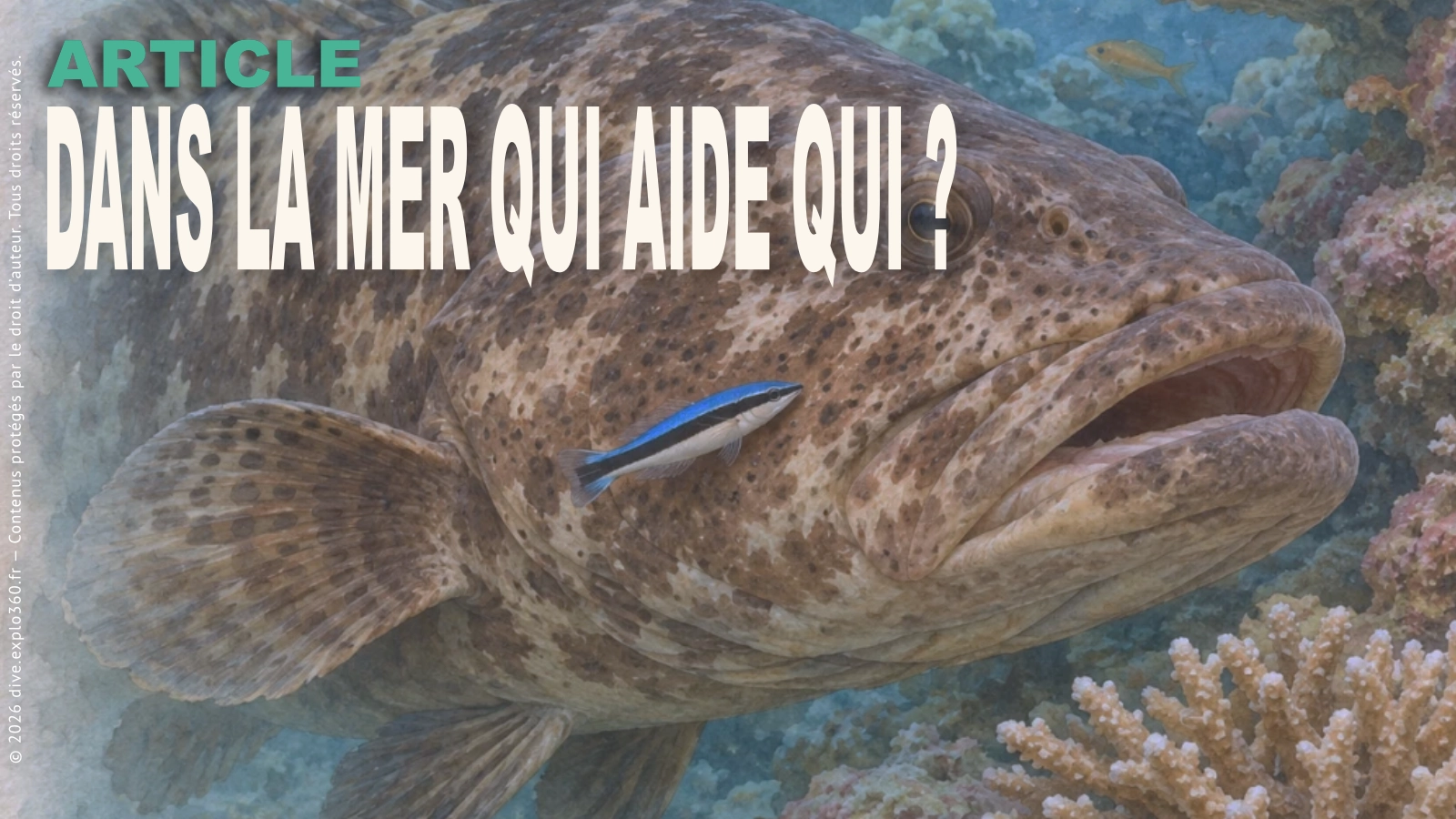
A striped wrasse approaches the head of a stationary grouper. Available1/3 public · licence required for the rest

Multiple marine regions

MediterraneanAtlantic

Ecology · Natural history

Who Helps Whom in the Sea?

Imagine a large grouper opening its mouth beside a tiny fish. The little fish comes closer and looks for parasites on its skin. What could each fish gain from the encounter?

6–10 years 11–14 years 15–17 years Adults (18+)
UnderstandingPublic 3 min · Lic. 5 min 8 / 13 Read the article
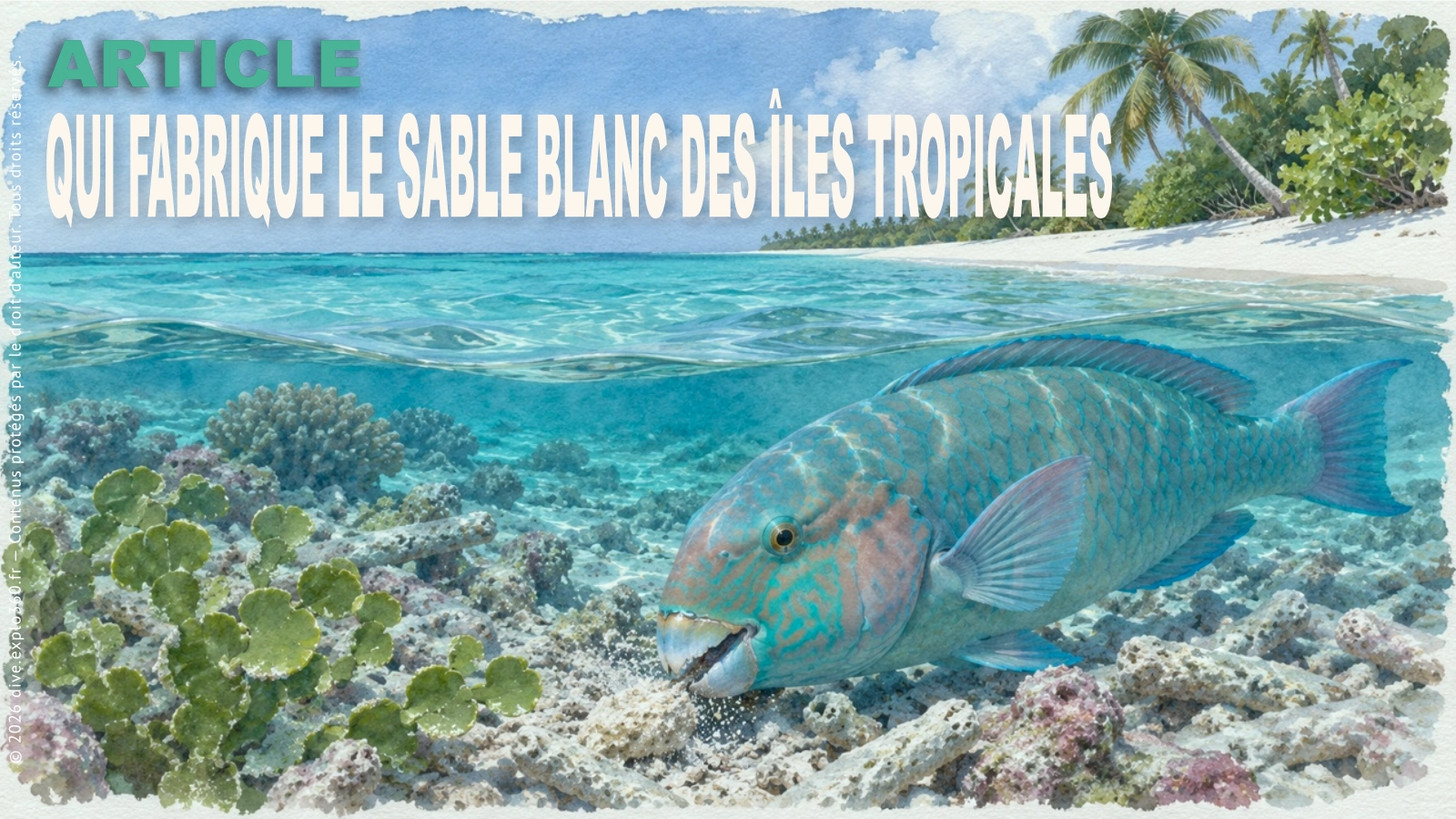
A white sand beach and the reef that supplies some of its grains. Available1/3 public · licence required for the rest

Multiple marine regions

Red SeaRaja Ampat

Biotope · Environment

Who makes the white sand on tropical islands?

Imagine holding a handful of white sand. Look through a magnifying glass and you might spot a piece of coral, a flake of algae or even a tiny star. How did they get to the beach?

6–10 years 11–14 years 15–17 years Adults (18+)
UnderstandingPublic 3 min · Lic. 5 min 9 / 13 Read the article
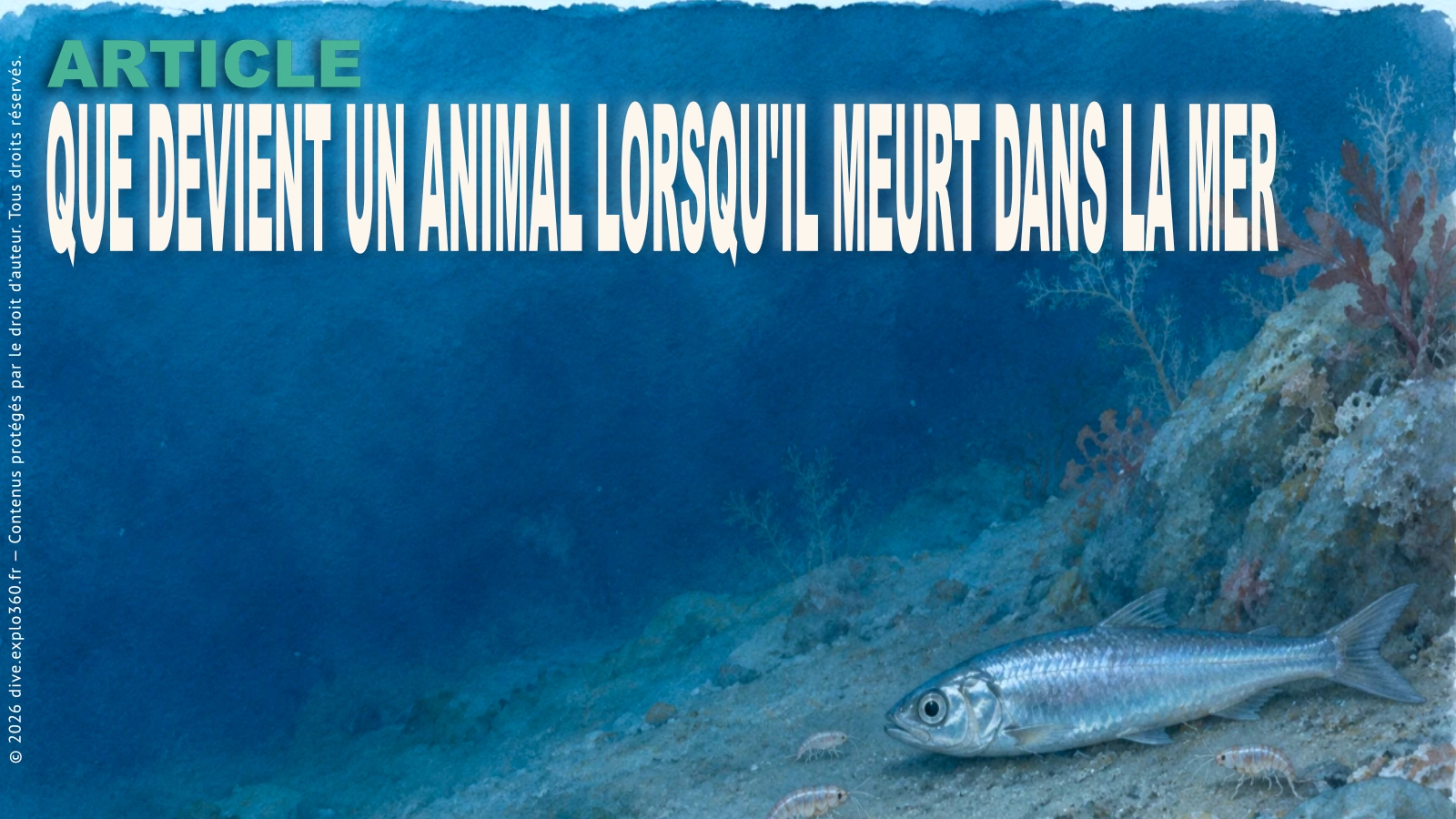
A motionless fish on the seabed. Available1/3 public · licence required for the rest

Multiple marine regions

MediterraneanAtlantic

Way of life · Natural history

What happens when an animal dies in the sea?

A dead fish can sink all the way to the seabed. Small animals may gather to feed, and other fish may come to catch them. Where does the dead fish go once there’s nothing left to see?

6–10 years 11–14 years 15–17 years Adults (18+)
UnderstandingPublic 2 min · Lic. 5 min 10 / 13 Read the article
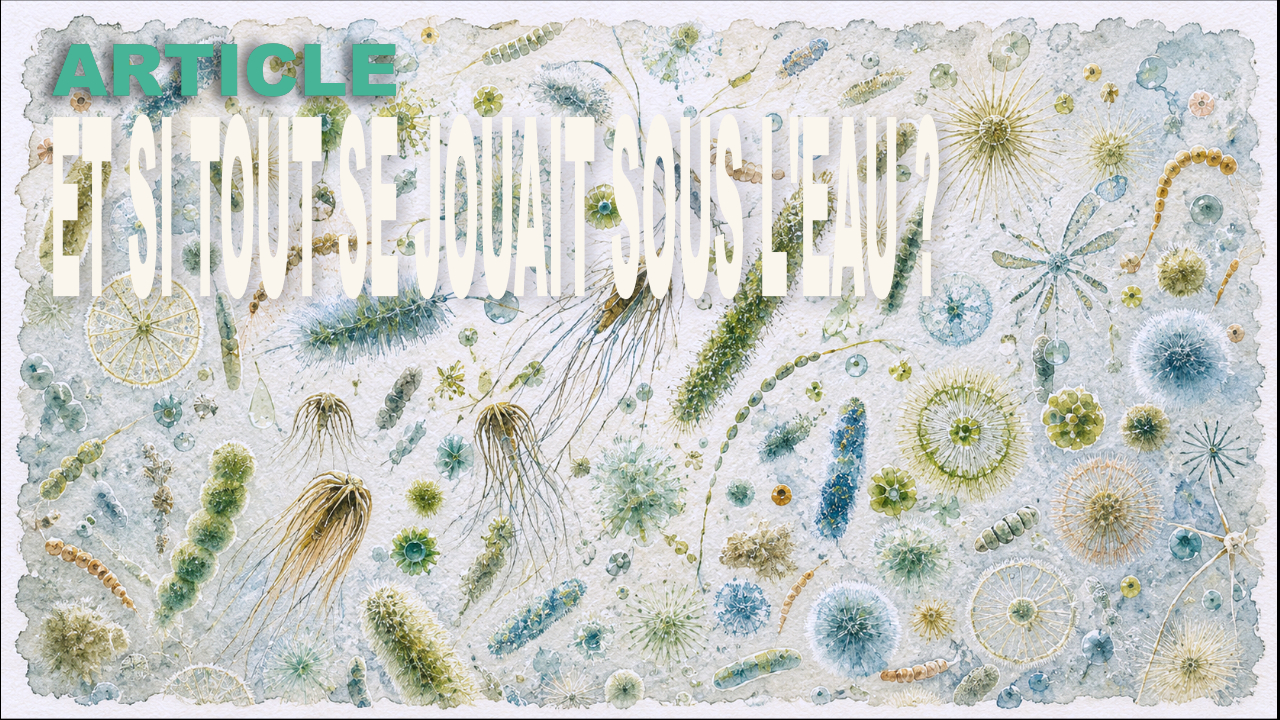
WHAT IF IT ALL HAPPENED UNDERWATER? Available1/3 public · licence required for the rest

Article region: Mediterranean

Mediterranean

Ecology · Science

WHAT IF IT ALL HAPPENED UNDERWATER?

Between Port-Cros and Porquerolles, a calm sea gives little away about what is moving beneath it. A sardine can take in plankton and pass some of that meal on to a tuna. Other material can drift past both fish towards…

6–10 yearsUnavailable 11–14 years 15–17 years Adults (18+)
Going deeperPublic 2 min · Lic. 4 min 12 / 13 Read the article