Partners and Dive.Explo360 explorers

Contact us

Verification code

Senses and behaviour

Start with what fish can sense, then see how they move in groups, hide and respond to light. Finish by exploring rest and learning.

Reading pathways All articles
What is fish vision like? Available1/3 public · licence required for the rest

Multiple marine regions

MediterraneanAtlantic

Anatomy · Science

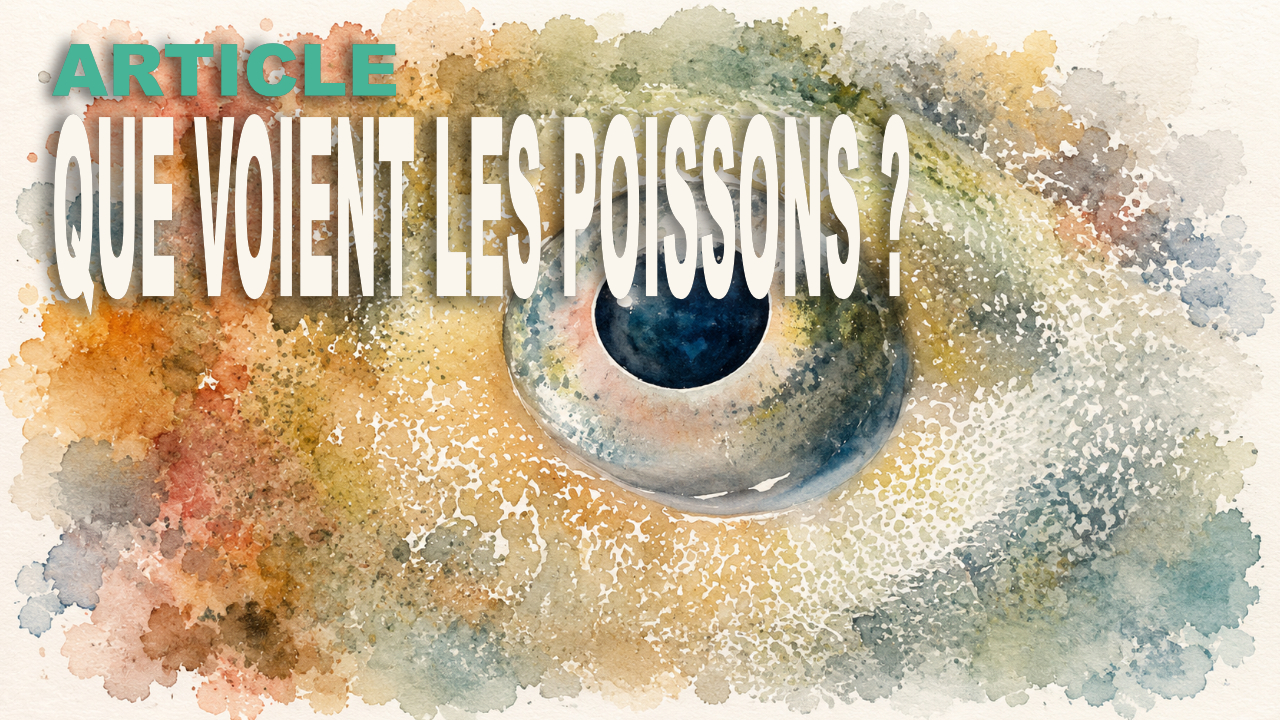
WHAT DO FISH SEE?

Switch on a torch underwater and colours can appear that were hard to make out a moment earlier. A fish looking at the same patch of reef has its own set of limits, set by the light and the structure of its eyes. Vision…
6–10 yearsUnavailable 11–14 years 15–17 years Adults (18+)
Getting startedPublic 1 min · Lic. 3 min 1 / 16 Read the article
The senses of fish Available1/3 public · licence required for the rest

Multiple marine regions

MediterraneanAtlantic

Anatomy · Science

How fish sense the world around them

In murky water, a fish can lose sight of its prey before losing track of it. A disturbance nearby may register along its lateral line, and dissolved molecules can carry information about what passed. Which cue matters…

6–10 yearsUnavailable 11–14 years 15–17 years Adults (18+)
UnderstandingPublic 1 min · Lic. 3 min 2 / 16 Read the article
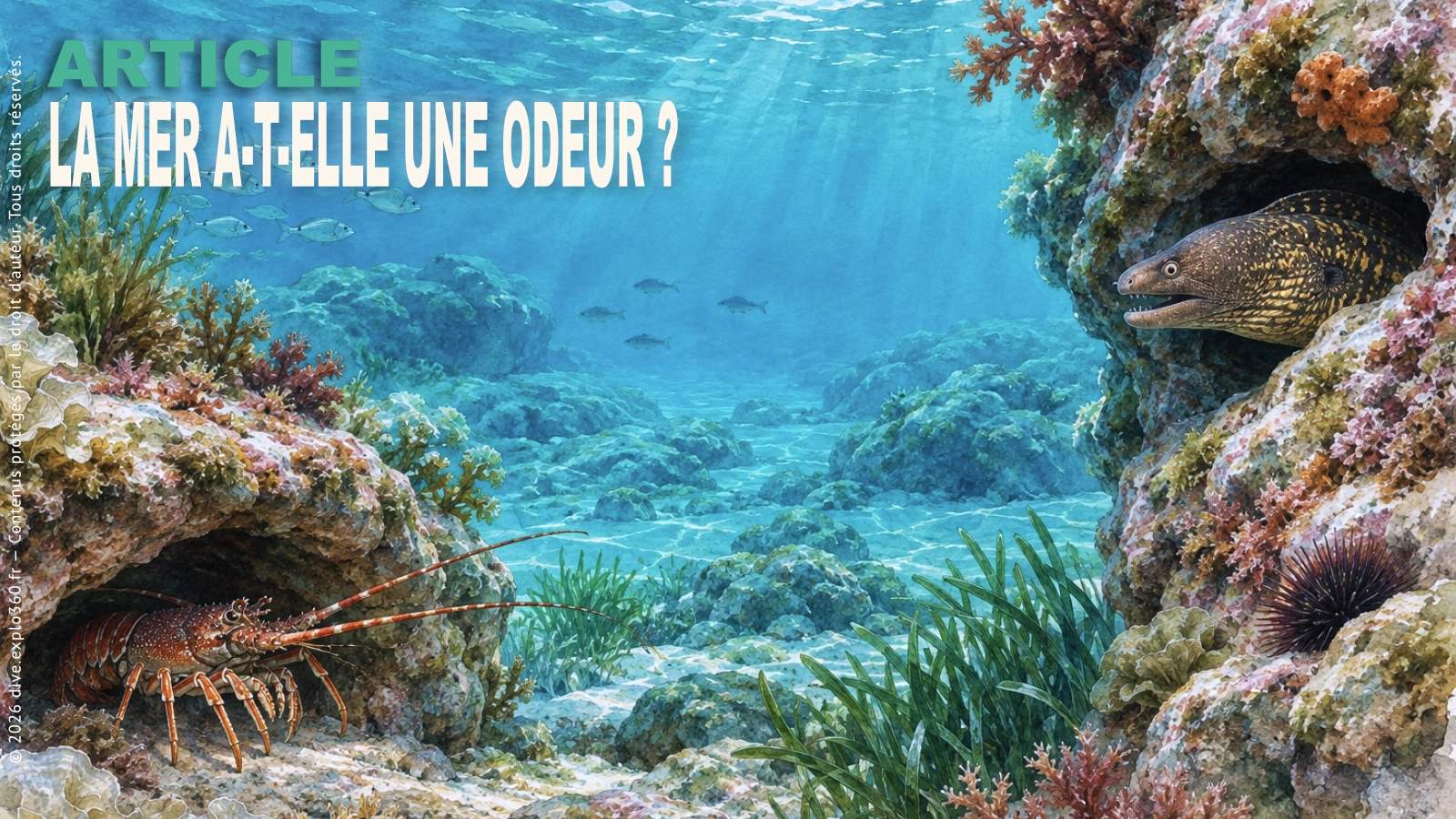
A moray and a European spiny lobster among Mediterranean rocks. Chemical clues are invisible here; the animals’ positions alone do not show which senses they are using. Available1/3 public · licence required for the rest

Multiple marine regions

MediterraneanAtlantic

Way of life · Behaviour

The hidden world of scent beneath the sea

You can sometimes smell the sea before you see it. Seaweed, the tang of the shore, a hint of something washed up by the tide: together they announce the coast. Slip beneath the surface, though, and that familiar sense no…

6–10 years 11–14 years 15–17 years Adults (18+)
Going deeperPublic 5 min · Lic. 11 min 3 / 16 Read the article
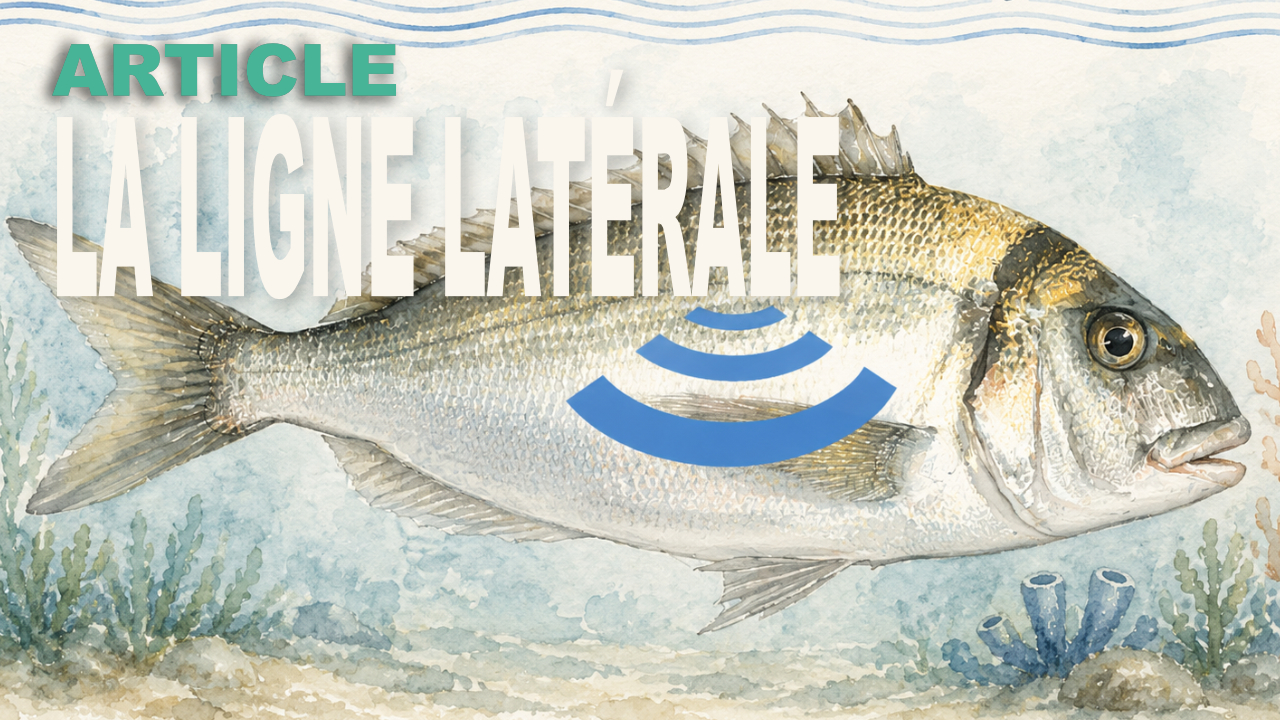
How does the lateral line in fish work? Available1/3 public · licence required for the rest

Multiple marine regions

MediterraneanAtlantic

Anatomy · Science

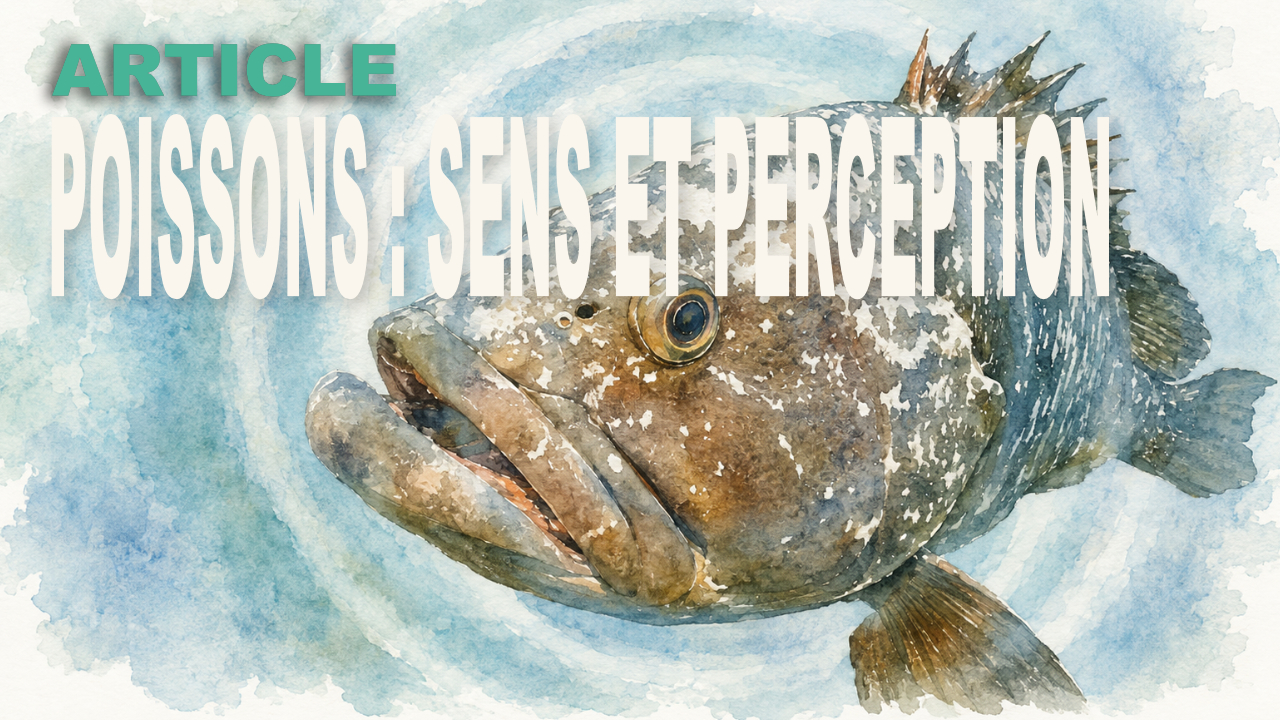
The lateral line, a fish’s sixth sense

A passing animal leaves a trace in the water that a fish can detect before it sees what moved. The lateral line picks up nearby flows and vibrations, adding information to what the fish learns through sight, hearing,…

6–10 yearsUnavailable 11–14 years 15–17 years Adults (18+)
UnderstandingPublic 1 min · Lic. 2 min 4 / 16 Read the article
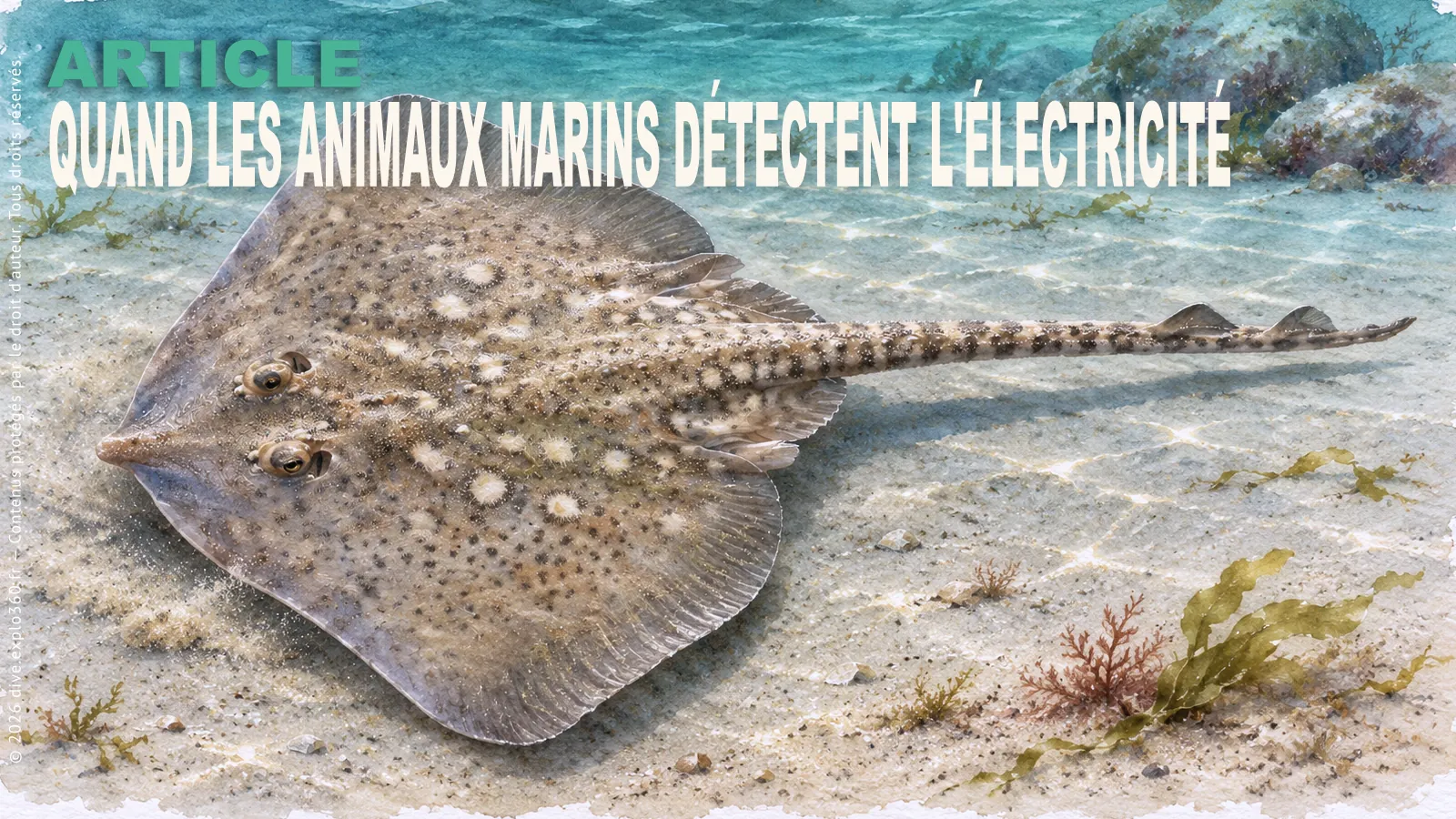
A thornback ray above Mediterranean sand. Fields from buried animals may help it search, but observation alone cannot identify which sense it is using. Available1/3 public · licence required for the rest

Multiple marine regions

MediterraneanAtlantic

Anatomy · Science

The hidden electric world of sharks and rays

A ray skims a Mediterranean sandbank, slows and turns. Then its body lifts a cloud of sand, revealing a crustacean that had seemed perfectly hidden. What gave the prey away? Scent and water movements may have helped. But…

6–10 years 11–14 years 15–17 years Adults (18+)
Going deeperPublic 4 min · Lic. 10 min 5 / 16 Read the article
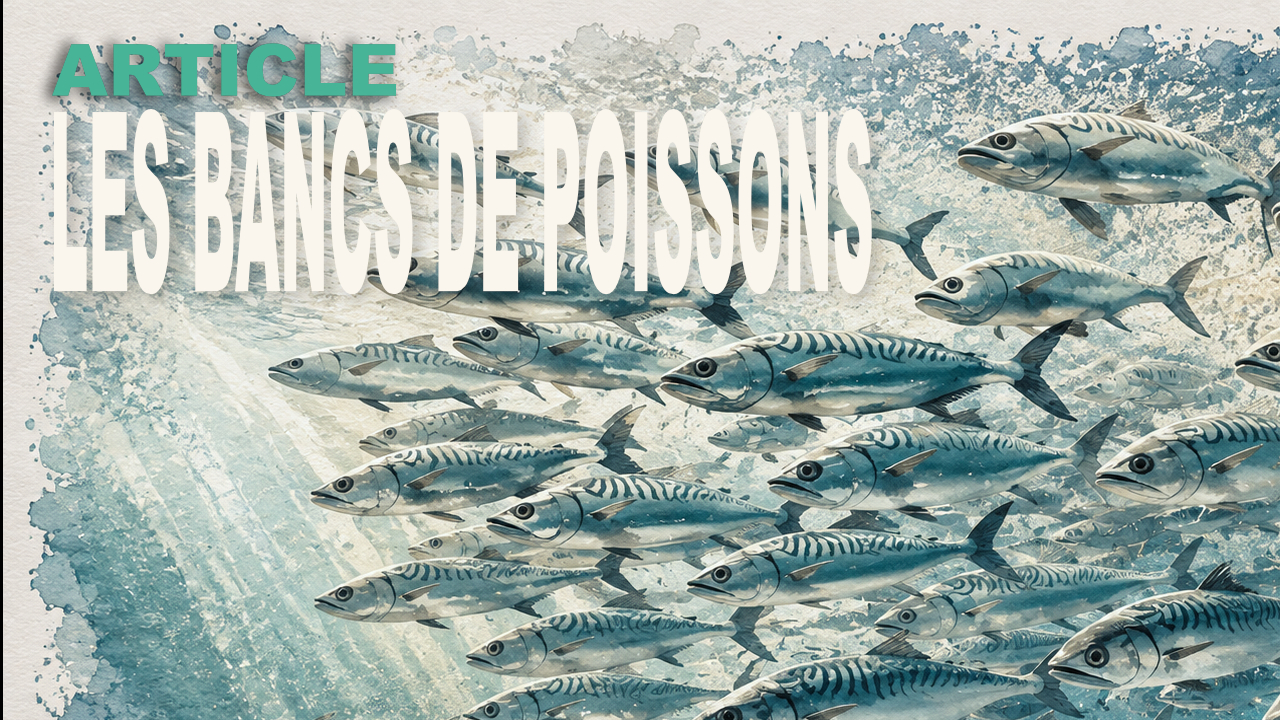
A school of fish forms a compact ball. AvailableFree access

Multiple marine regions

MediterraneanAtlantic

Way of life · Behaviour

SCHOOLS OF FISH

A school can turn, tighten or stretch out as it moves. Each fish adjusts to what it sees and senses nearby, and those adjustments keep the group together. How does a change made by one fish become a movement shared by…

6–10 years 11–14 years 15–17 years Adults (18+)
Understanding5 min 6 / 16 Read the article
THE ARTISTS OF INVISIBILITY! Available1/3 public · licence required for the rest

Multiple marine regions

MediterraneanAtlantic

Anatomy · Behaviour

Masters of camouflage

A red scorpionfish can wait against the rocks until a small fish comes within reach. A common octopus can change colour and texture before moving off to search a crevice. In clear Mediterranean water, either animal can…

6–10 years 11–14 years 15–17 years Adults (18+)
UnderstandingPublic 2 min · Lic. 5 min 7 / 16 Read the article
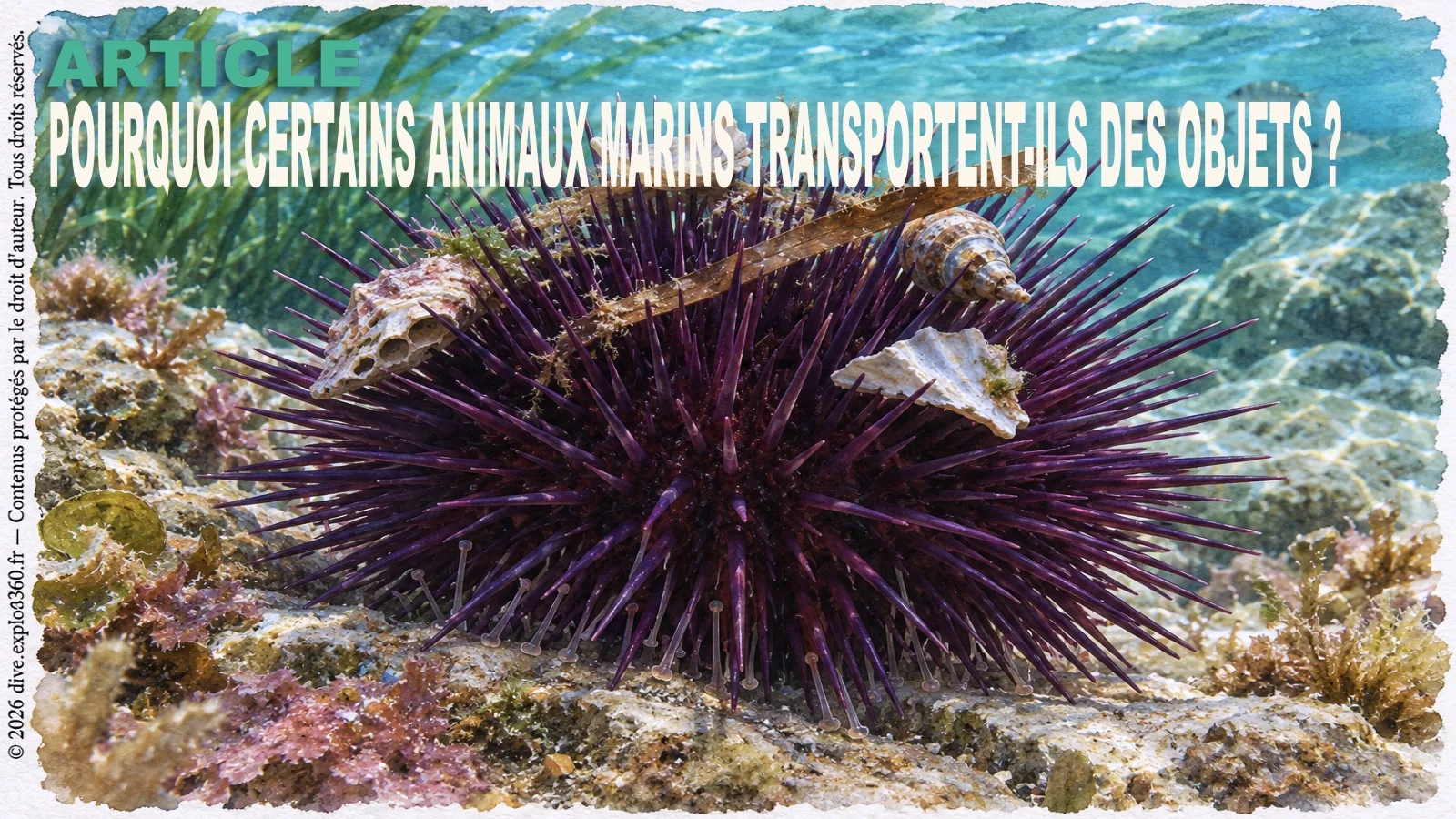
An illustration of a purple sea urchin, Paracentrotus lividus, actively collecting and holding a covering. One still image cannot establish its purpose. Available1/3 public · licence required for the rest

Multiple marine regions

MediterraneanAtlantic

Way of life · Behaviour

Shells, sponges and borrowed shelters

The shell fragments on an urchin’s back are not necessarily there by chance. Nor is the sponge moving slowly across the rock: a crab may be carrying it. In tropical shallows, an octopus gathers coconut halves and takes…

6–10 years 11–14 years 15–17 years Adults (18+)
Going deeperPublic 4 min · Lic. 9 min 8 / 16 Read the article
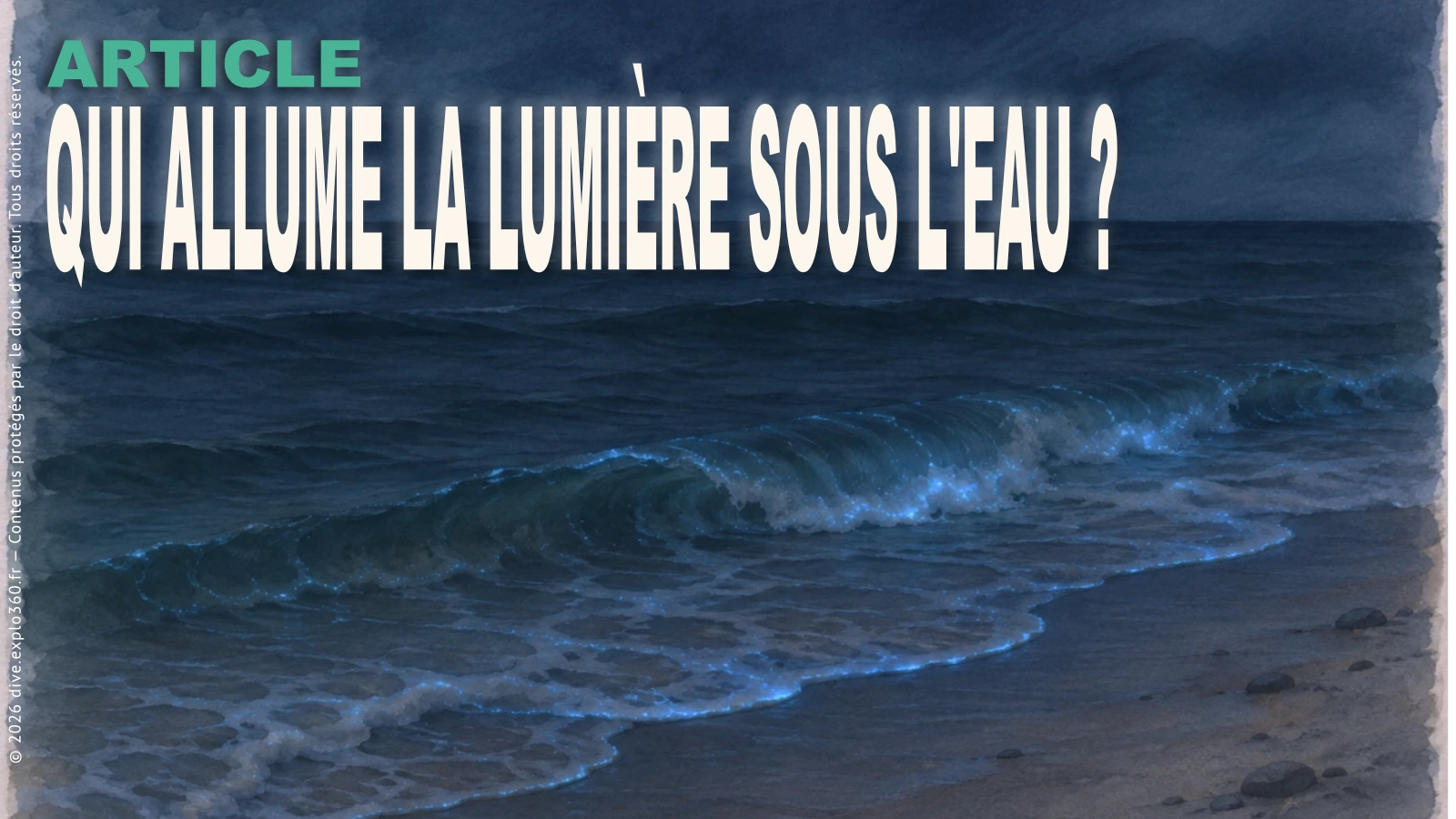
A blue glowing wave breaking on a beach at night. Available1/3 public · licence required for the rest

Multiple marine regions

MediterraneanAtlantic

Ecology · Natural history

Who Turns on the Light Underwater?

Picture a wave breaking after dark. Blue sparks run along the foam, fade, then return with the next wave. The light comes from living things, some too small to see individually. Below the reach of sunlight, a glow can…

6–10 years 11–14 years 15–17 years Adults (18+)
Going deeperPublic 5 min · Lic. 8 min 9 / 16 Read the article
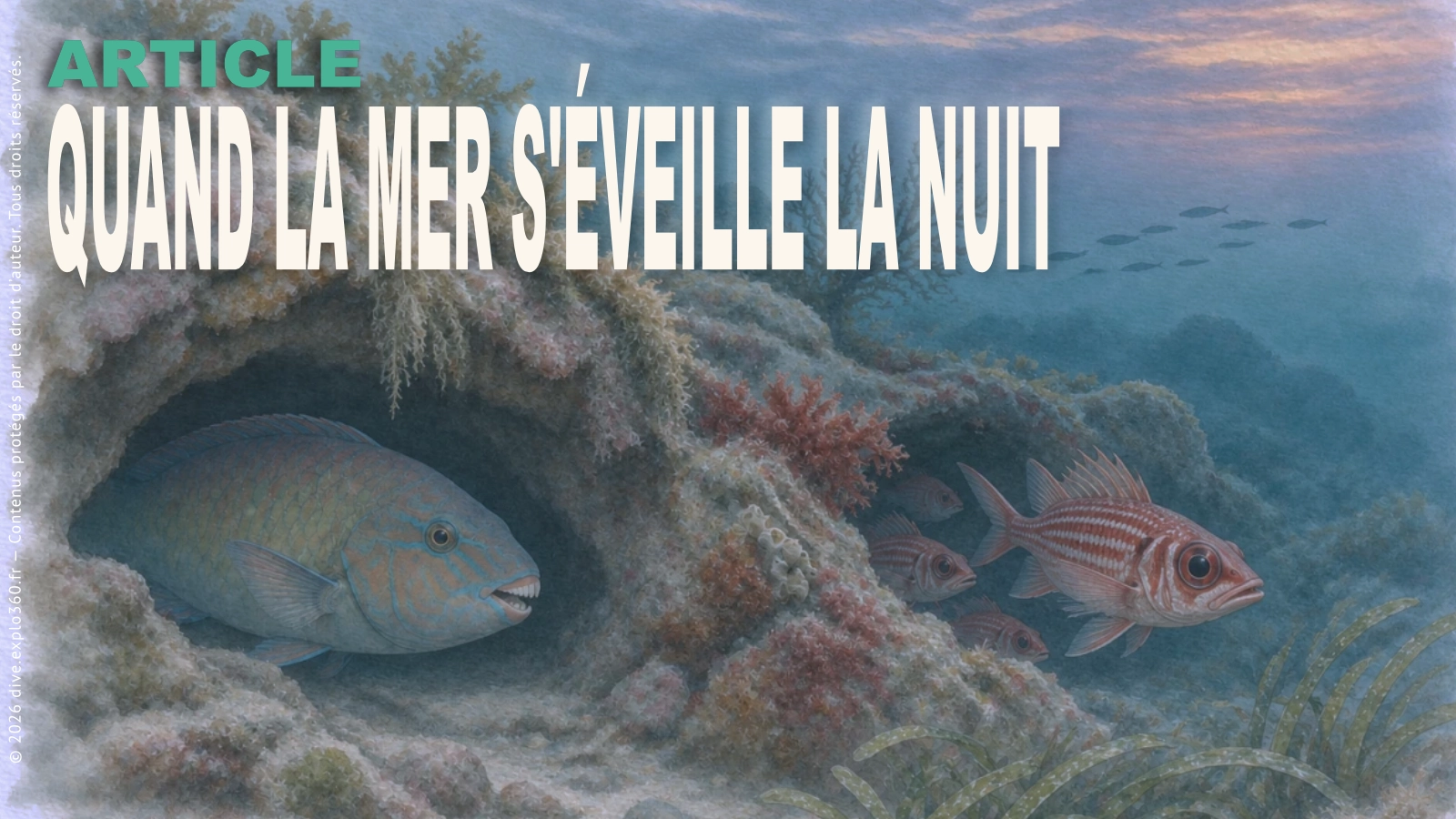
A parrotfish in shelter and squirrelfish on a reef at dusk. Available1/3 public · licence required for the rest

Multiple marine regions

MediterraneanAtlantic

Ecology · Natural history

When the Sea Comes Alive at Night

At dusk, fish that fed in the open begin to tuck themselves into the reef. Others leave the crevices where they spent the day. Farther offshore, billions of small animals start swimming towards the surface. A night dive…

6–10 years 11–14 years 15–17 years Adults (18+)
UnderstandingPublic 4 min · Lic. 8 min 10 / 16 Read the article
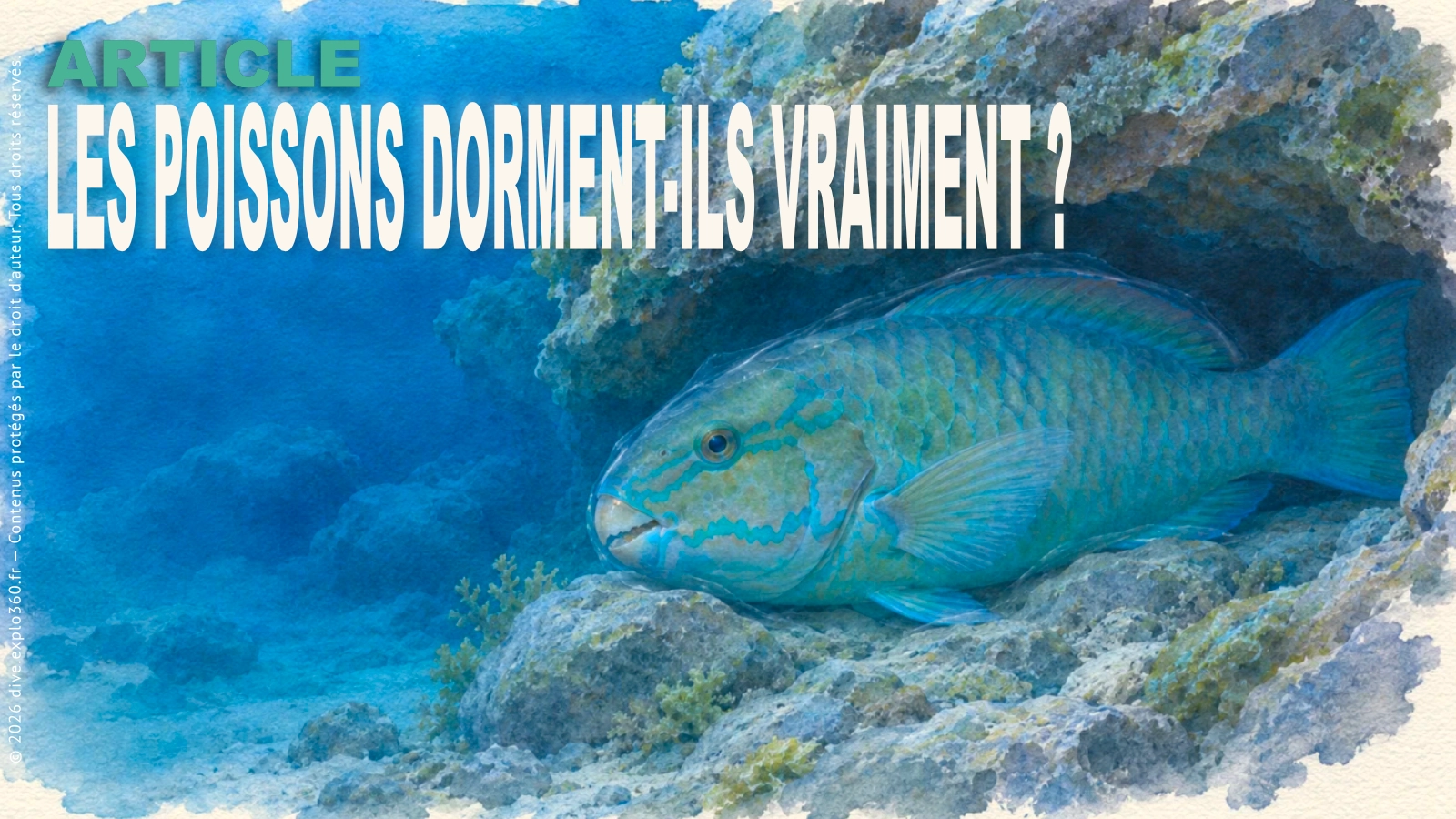
A parrotfish resting in a reef cavity. Available1/3 public · licence required for the rest

Multiple marine regions

MediterraneanAtlantic

Way of life · Natural history

Do Fish Really Sleep?

A parrotfish spends the night in a transparent cocoon. Sharks lie still on the seabed. In the brain of a tiny zebrafish, waves of activity can spread during sleep. Each offers a different clue to what happens when fish…

6–10 years 11–14 years 15–17 years Adults (18+)
UnderstandingPublic 4 min · Lic. 9 min 11 / 16 Read the article
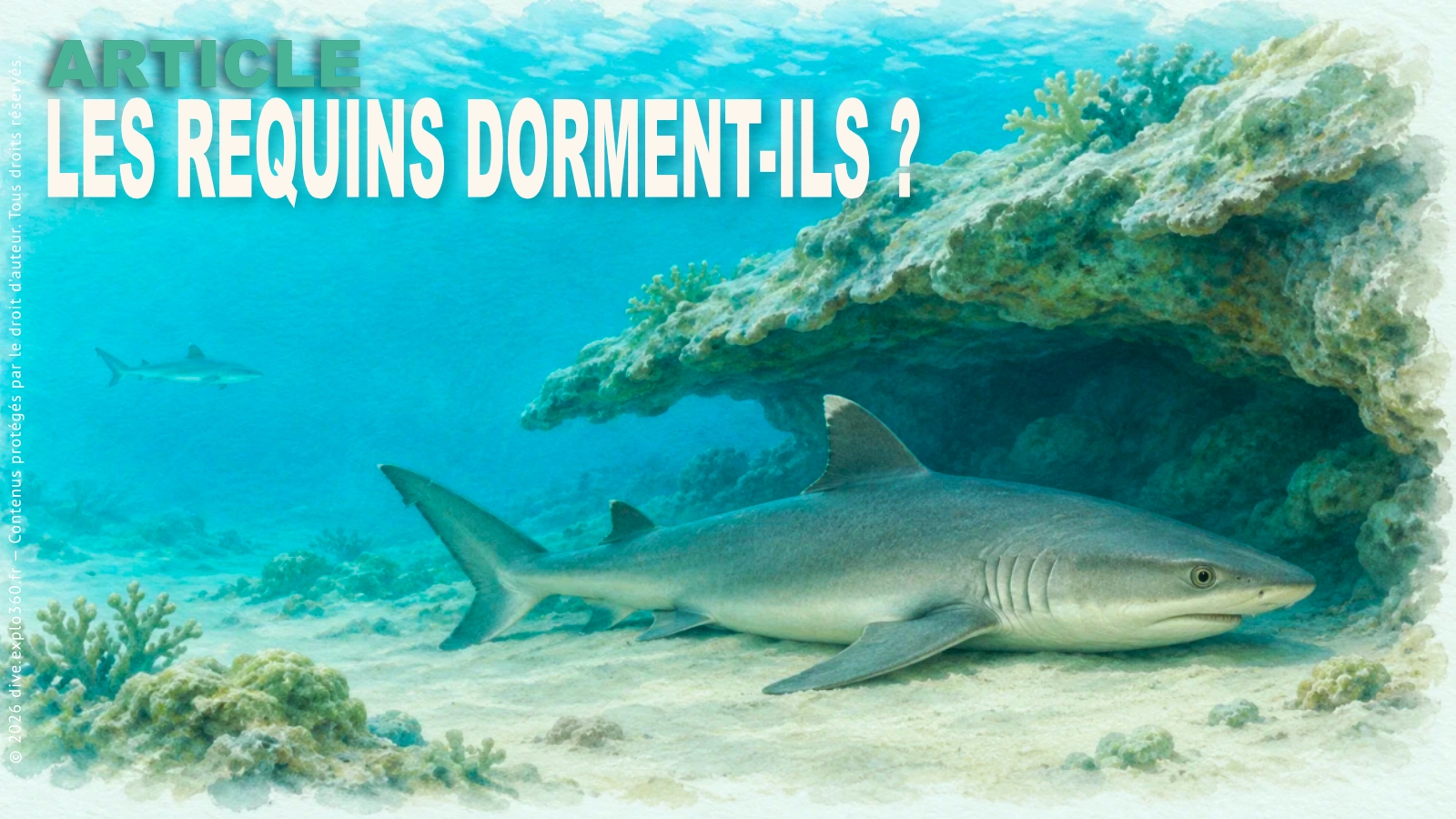
Shark resting beneath a reef ledge. Available1/3 public · licence required for the rest

Multiple marine regions

MediterraneanAtlantic

Way of life · Behaviour

Do sharks sleep?

Picture a shark lying on the sand at the back of a cave, pectoral fins spread and tail still. Its gill slits open and close in a steady rhythm. Its eyes are open. It could still be asleep. Out in the blue, a shark that…

6–10 years 11–14 years 15–17 years Adults (18+)
Going deeperPublic 3 min · Lic. 7 min 12 / 16 Read the article
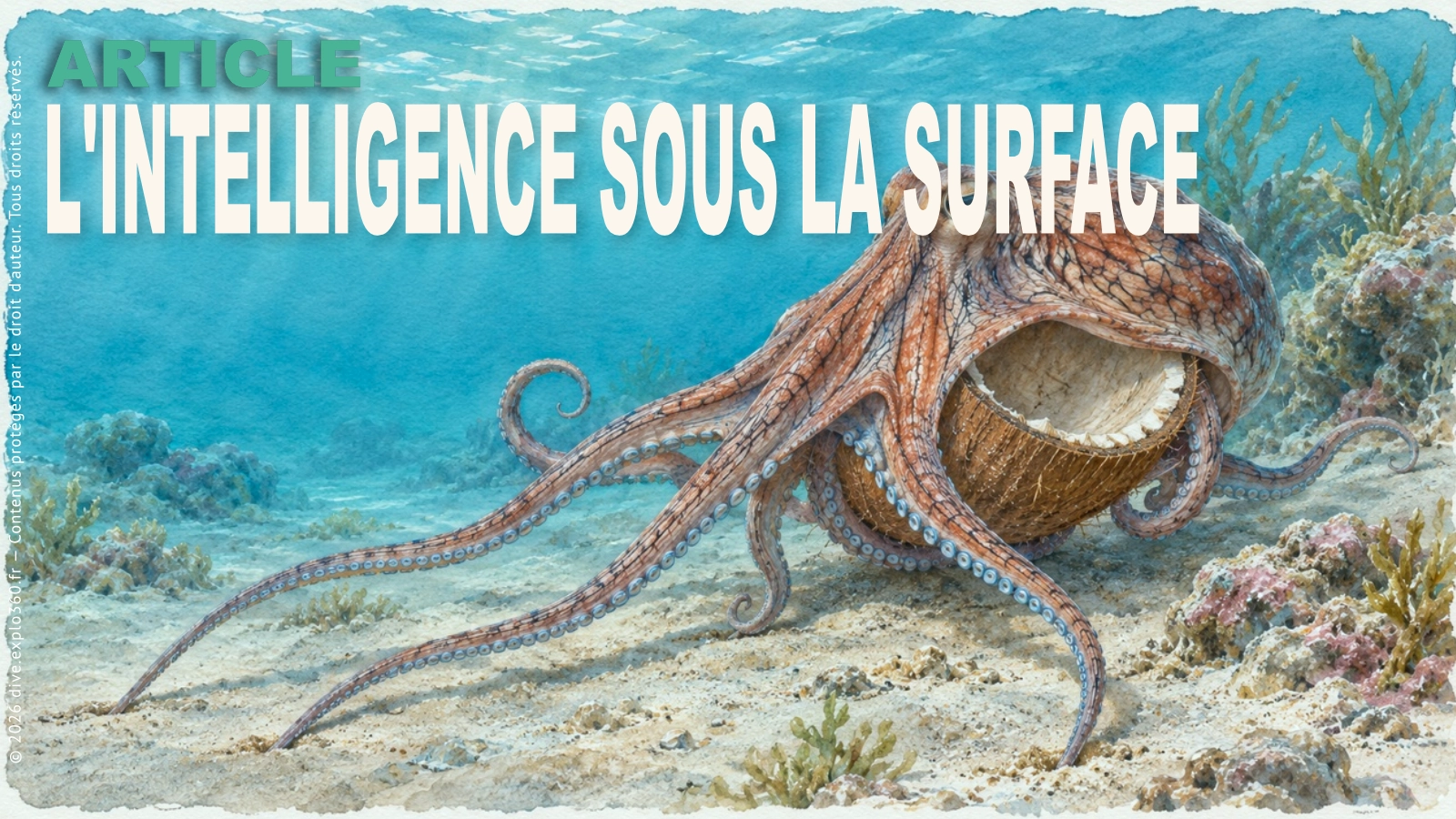
A veined octopus (Amphioctopus marginatus) carries a shell across the sand. AvailableFree access

Multiple marine regions

MediterraneanAtlantic

Way of life · Behaviour

Intelligence beneath the surface: learning, remembering and solving problems

A crab moves behind the glass of a sealed jar, within sight of an octopus but out of reach. On a Red Sea reef, a grouper can break off a chase to seek out a moray. Off Indonesia, another octopus carries coconut shells…

6–10 years 11–14 years 15–17 years Adults (18+)
Going deeper11 min 13 / 16 Read the article
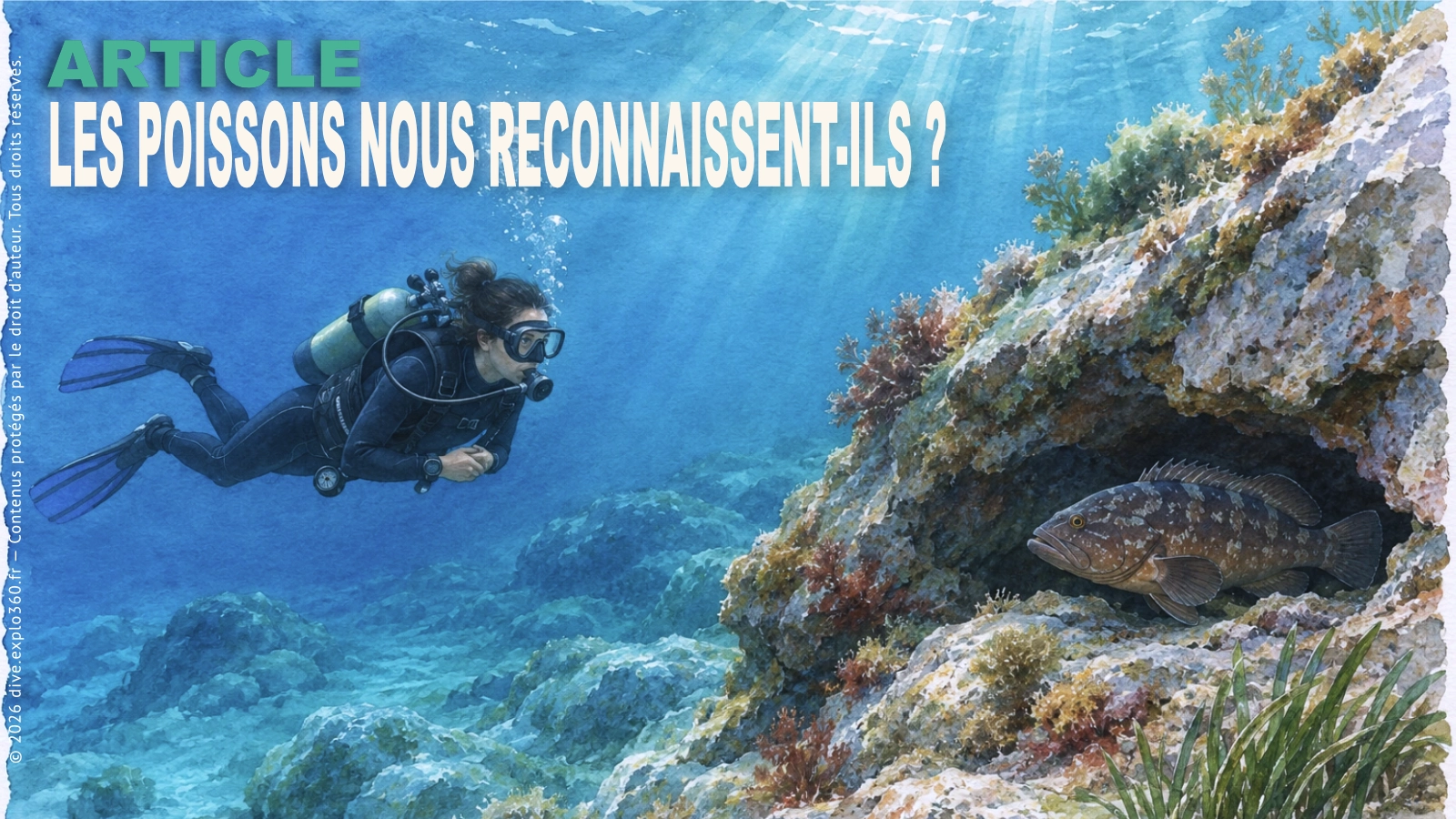
An illustration of a diver meeting a fish again. The scene does not show that the fish recognises the person. Available1/3 public · licence required for the rest

Multiple marine regions

MediterraneanAtlantic

Way of life · Behaviour

Do fish recognise us?

The grouper is back beside its usual rock. This time, it stays in the open as you approach. A wrasse joins you a little further on, keeping pace along the reef. After enough dives at the same site, such encounters begin…

6–10 years 11–14 years 15–17 years Adults (18+)
Going deeperPublic 4 min · Lic. 7 min 14 / 16 Read the article
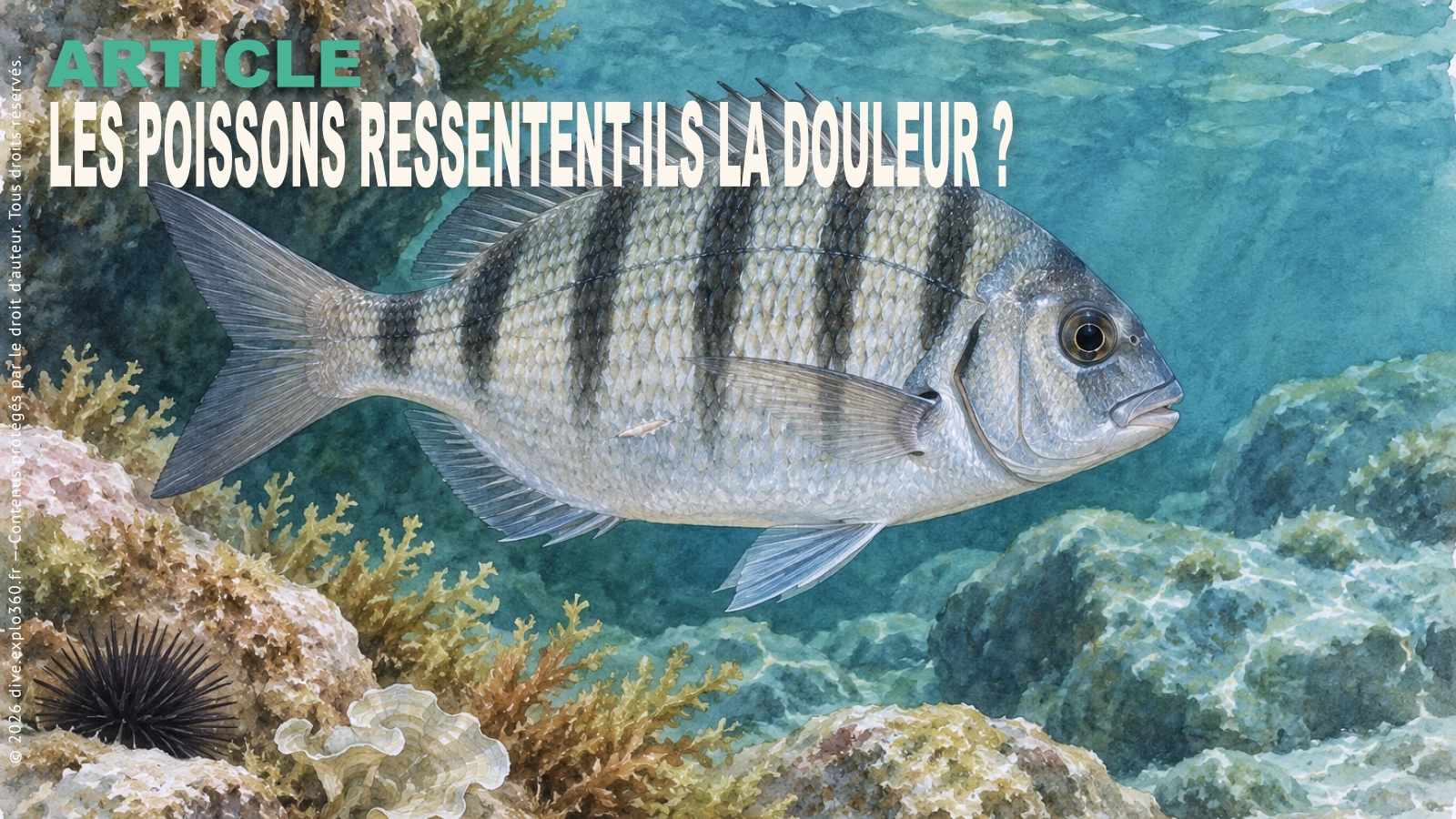
A seabream with a small healed mark among Mediterranean rocks. One observation cannot establish whether the fish is in pain. Available1/3 public · licence required for the rest

Multiple marine regions

MediterraneanAtlantic

Way of life · Behaviour

Do fish feel pain?

A grouper swims past with a hook in its mouth. A moray has a torn jaw; a seabream bears a deep scar along its flank. Each carries signs of injury, yet may still feed, swim and hold its ground. Does carrying on mean that…

6–10 years 11–14 years 15–17 years Adults (18+)
Going deeperPublic 4 min · Lic. 9 min 15 / 16 Read the article
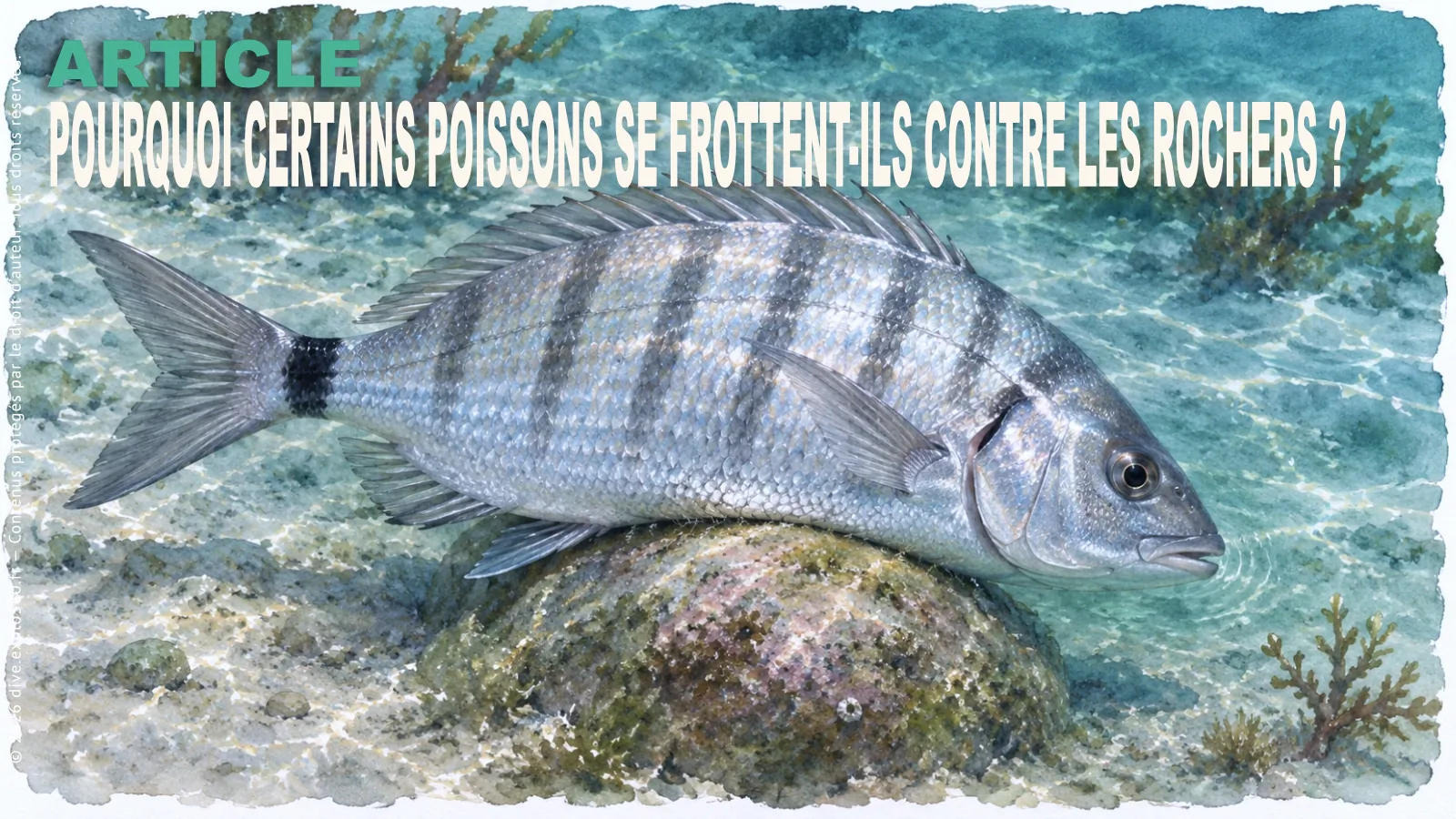
A naturalistic interpretation of Diplodus sargus rubbing its flank against rock. The posture illustrates behaviour without establishing its cause or the sensation involved. Available1/3 public · licence required for the rest

Multiple marine regions

MediterraneanAtlantic

Way of life · Behaviour

Why do some fish rub against rocks?

During a dive, a seabream suddenly leaves its shoal, approaches the bottom, tips its body and brushes a flank against a rock before swimming on. A few moments later, it does it again. The movement is so quick that it is…

6–10 years 11–14 years 15–17 years Adults (18+)
Going deeperPublic 5 min · Lic. 13 min 16 / 16 Read the article

16 articles · 120 min