A landscape built by life
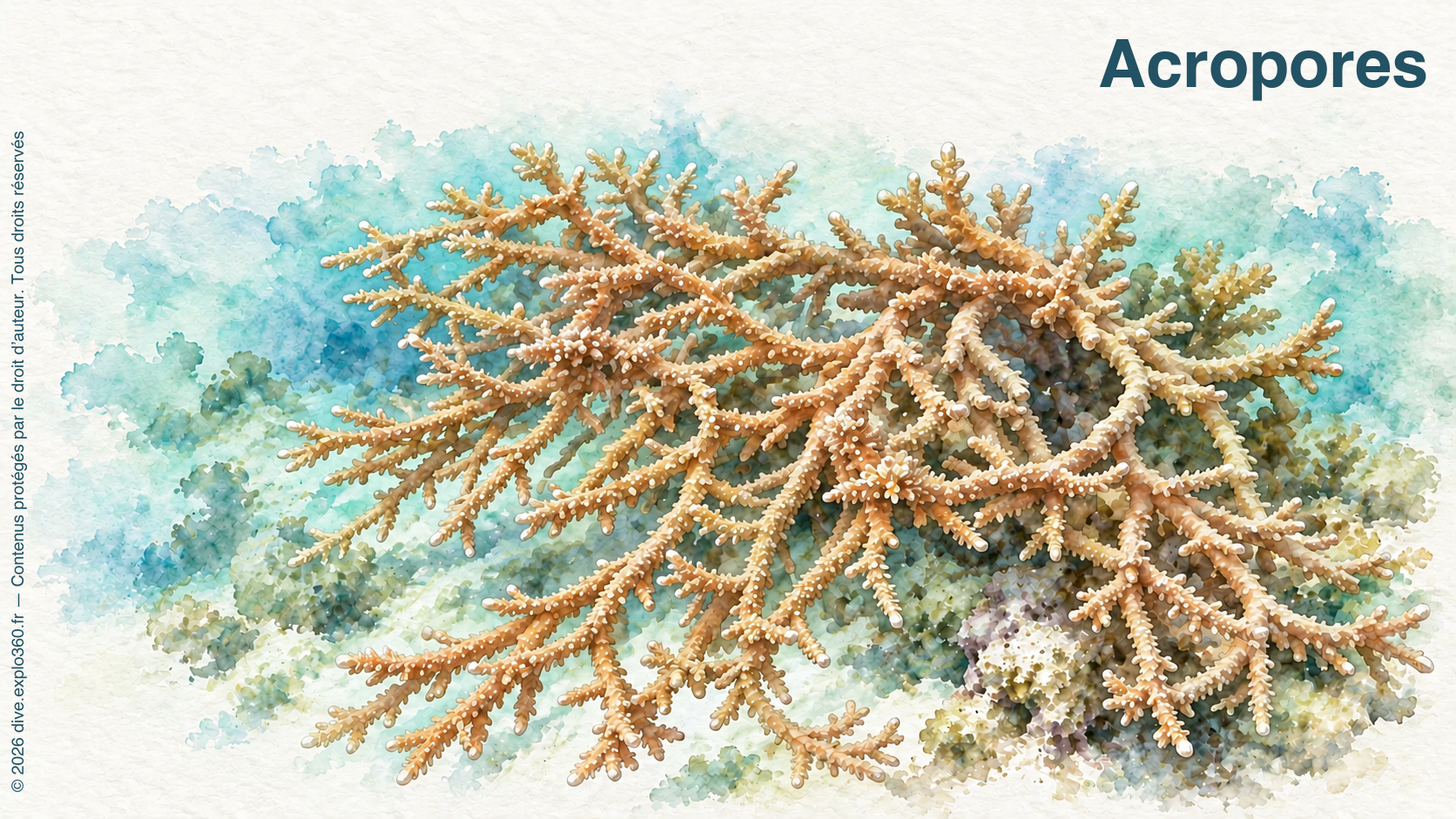
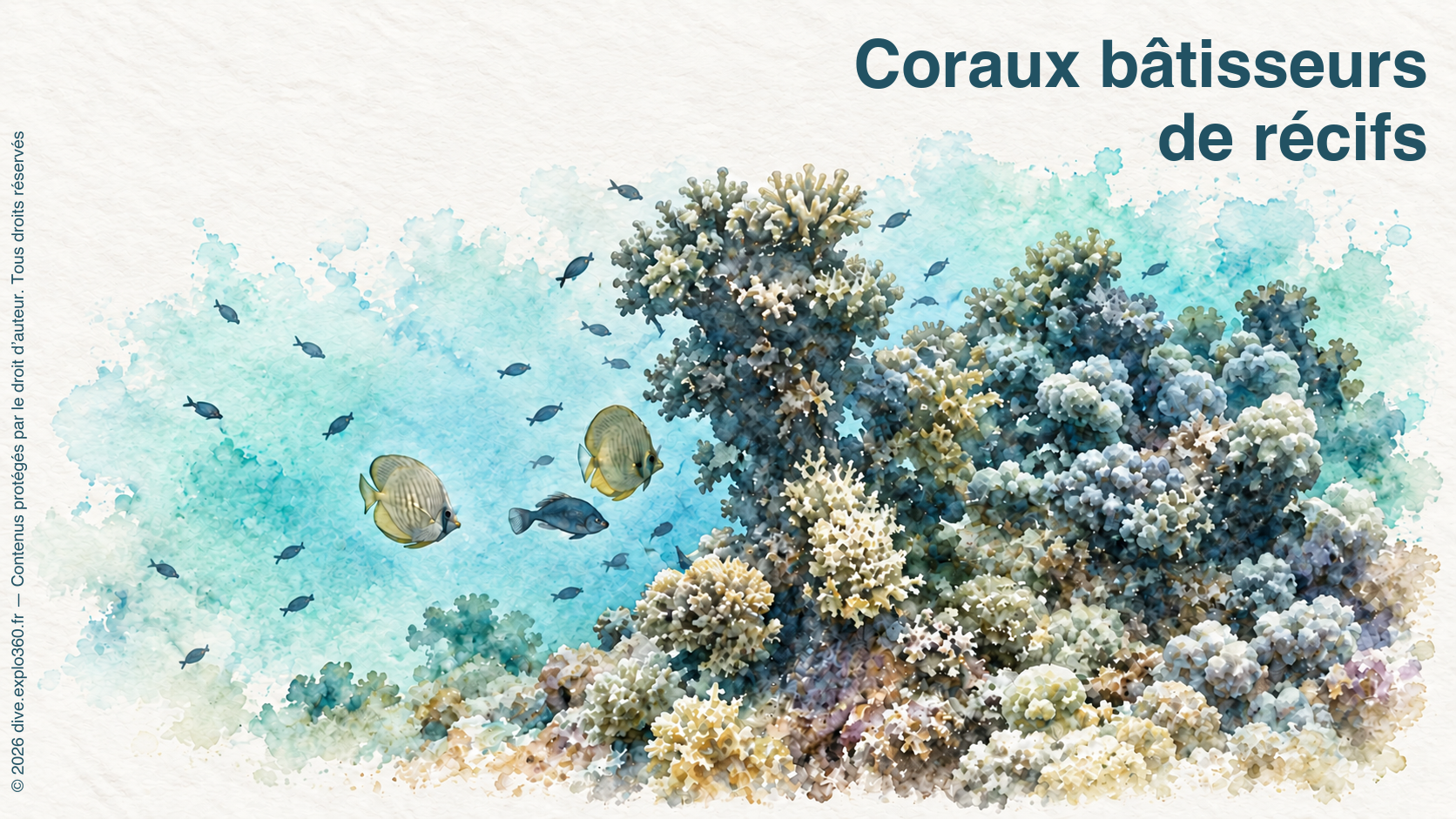
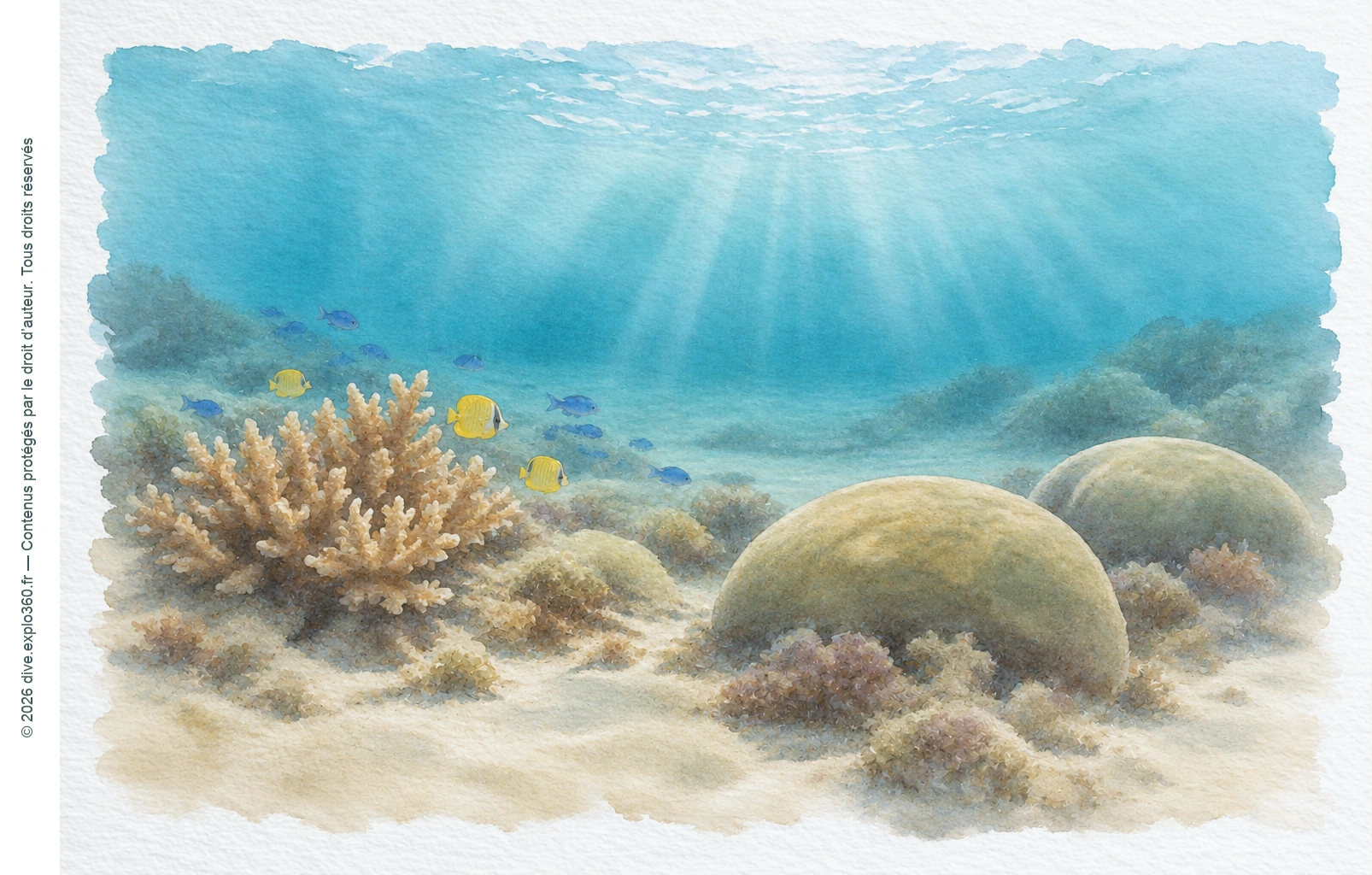
The hard parts of corals can build up over many generations. They form ridges, branches and hollows where other animals can live.
The secret of the tiny builders
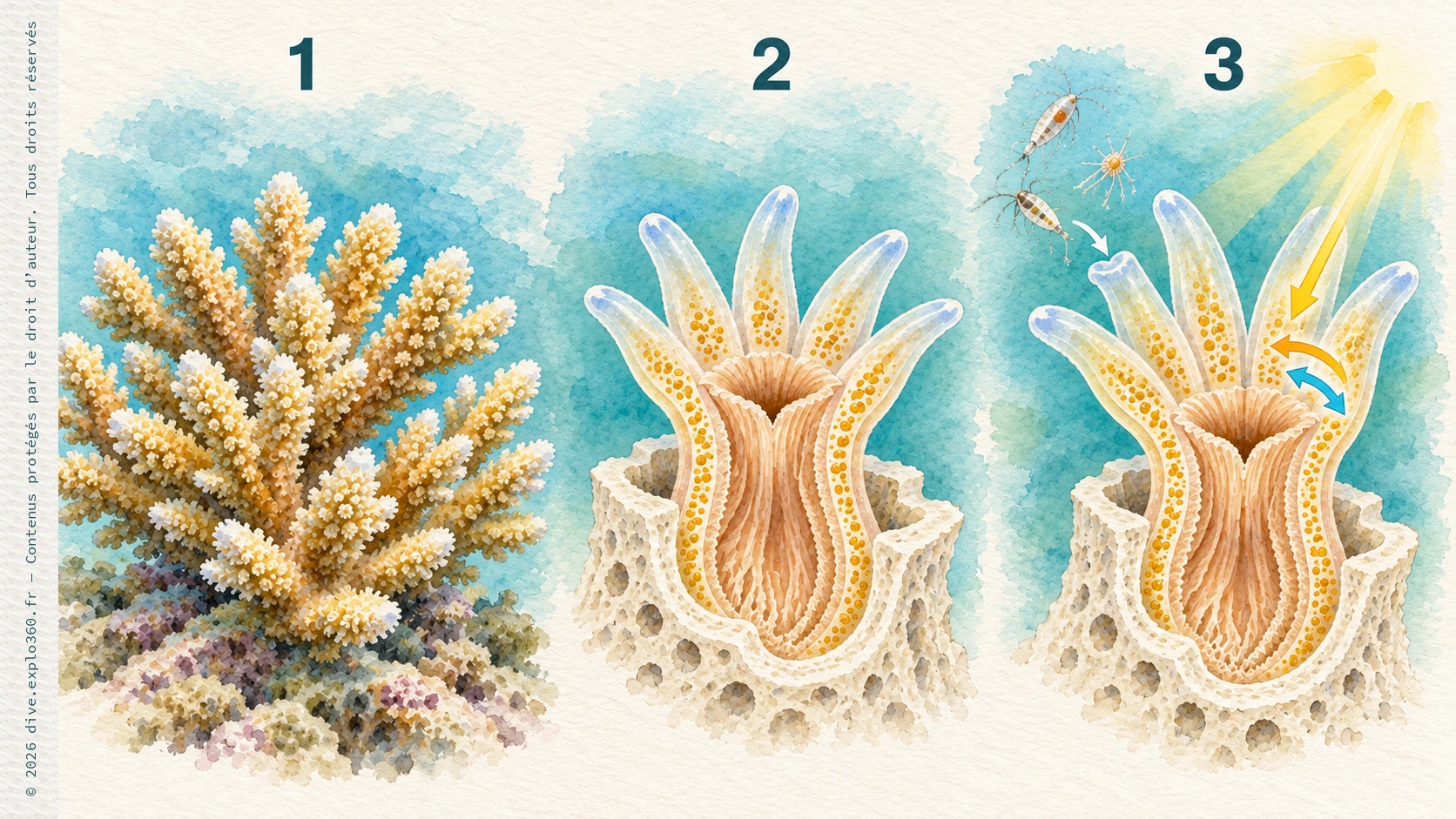
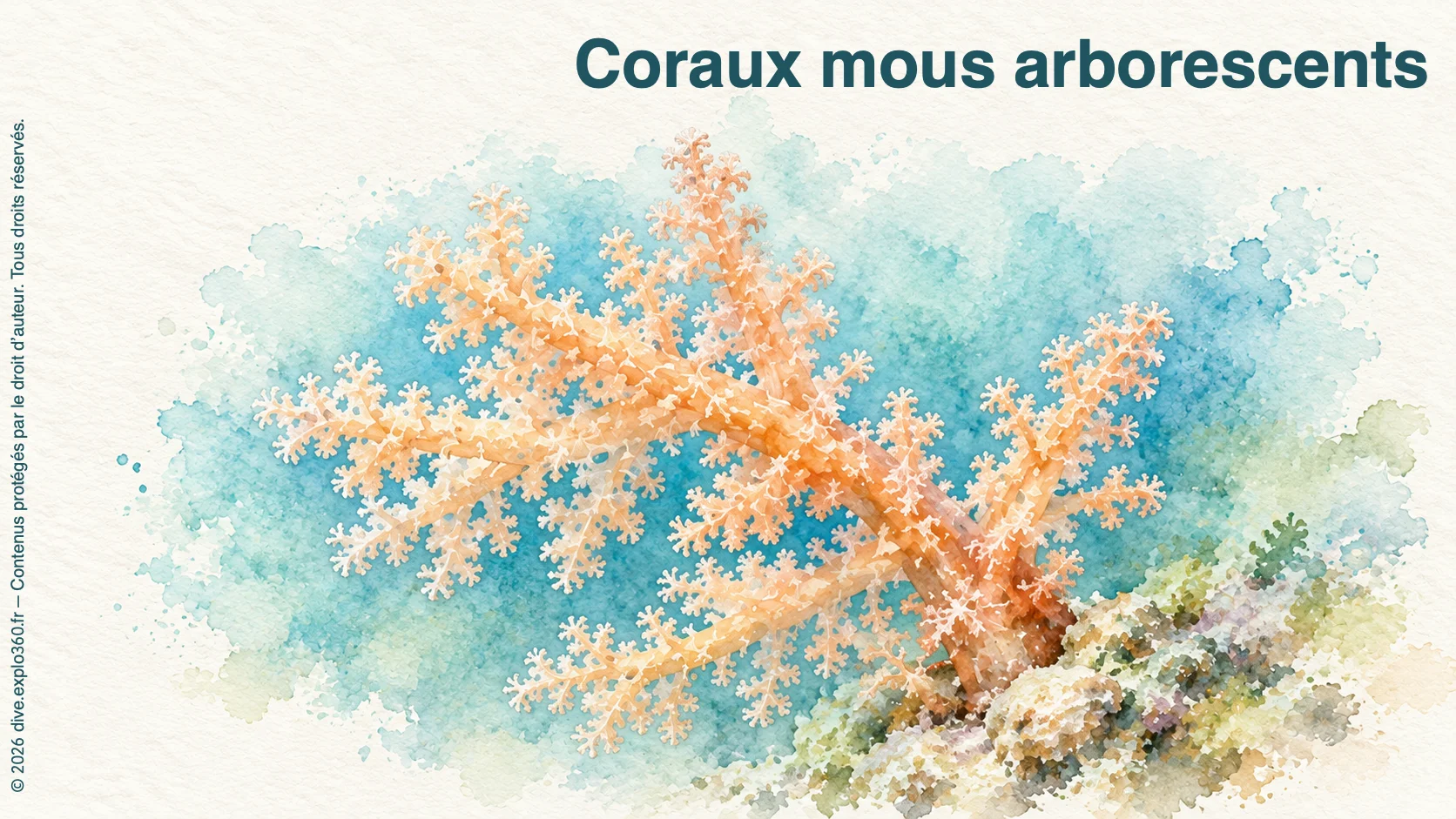
Each polyp has a mouth surrounded by tentacles that can catch tiny prey. In a stony coral, the polyp builds a hard cup beneath itself. Many polyps live joined together in a colony.
A partnership with light
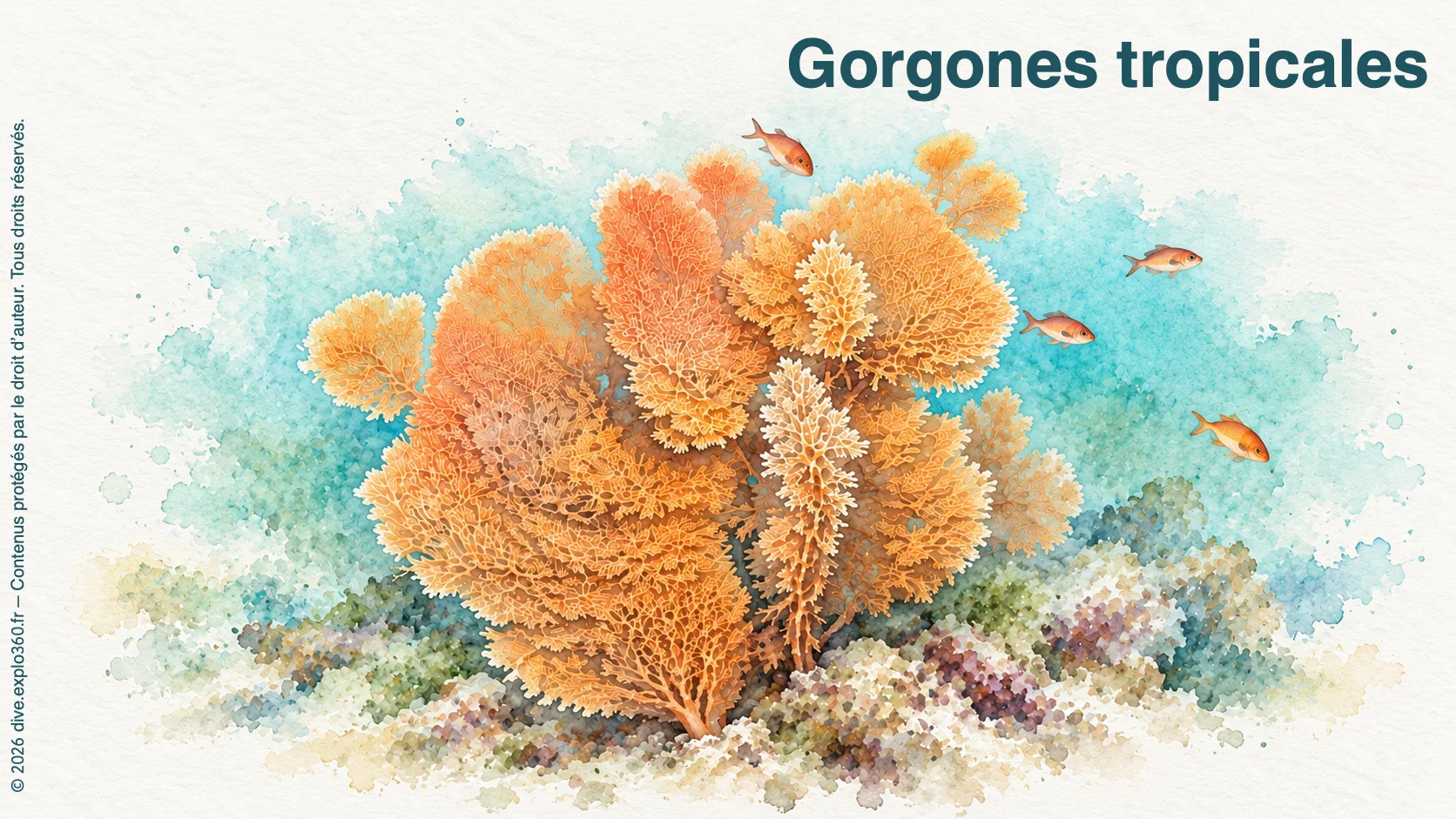
Tiny algae live inside many warm-water corals. With energy from sunlight, the algae make food and share some of it with the coral. The coral gives them a place to live and can catch food with its tentacles too.
Three destinations, one way of looking
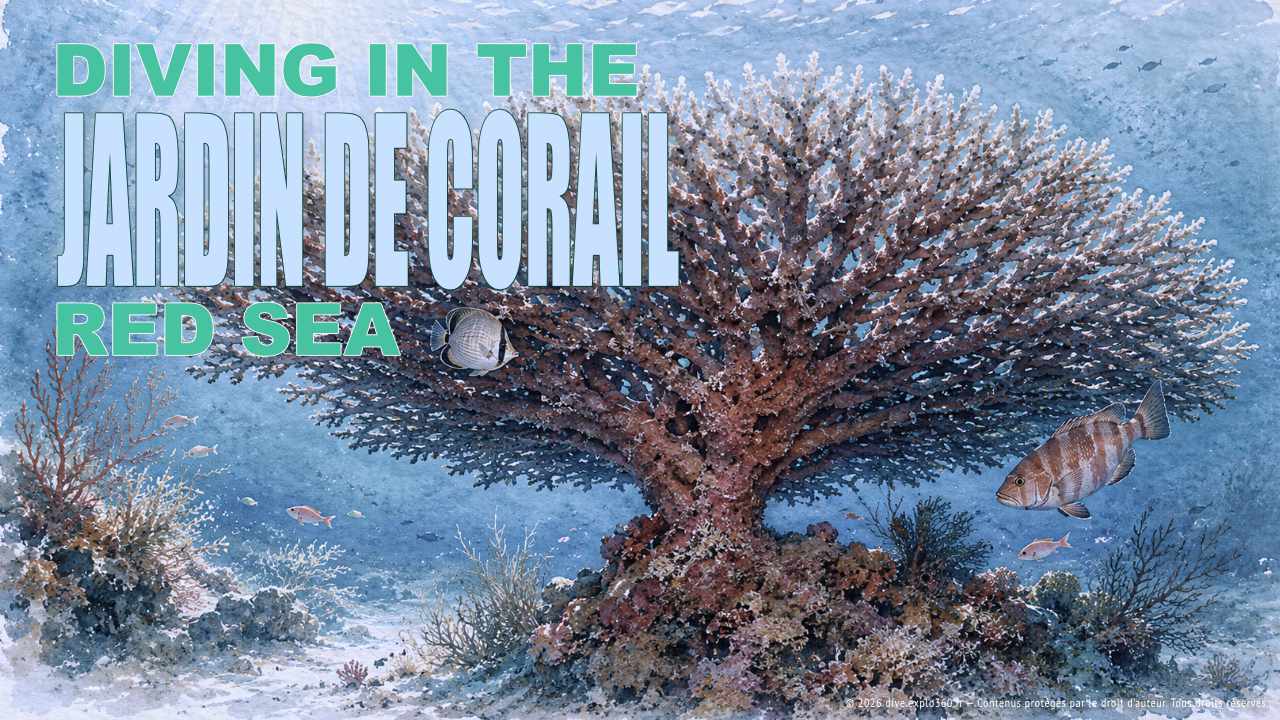
Watch the reefs of the Red Sea, the Maldives and Raja Ampat. Can you spot a fish weaving between branches or an animal peering out of a hole? Each reef has different shapes and animals to look for.
Shelters at every scale
A young fish may fit between branches where a bigger fish cannot follow. Other animals hide in holes or live in the sand beside the reef.
GO FURTHER WITH AMIGANSEAU
Continue reading
Discover full species guides, in-depth content and interactive tools available with your licence.
Dive.Explo360 is an independent, self-funded nonprofit. Every licence helps us create new content, improve our teaching tools and keep some of our resources free and ad-free.
Choose a licence that suits your needs for personal, educational or professional use.
Open-access resources remain available without a subscription.
Explore the same world