A landscape built by life
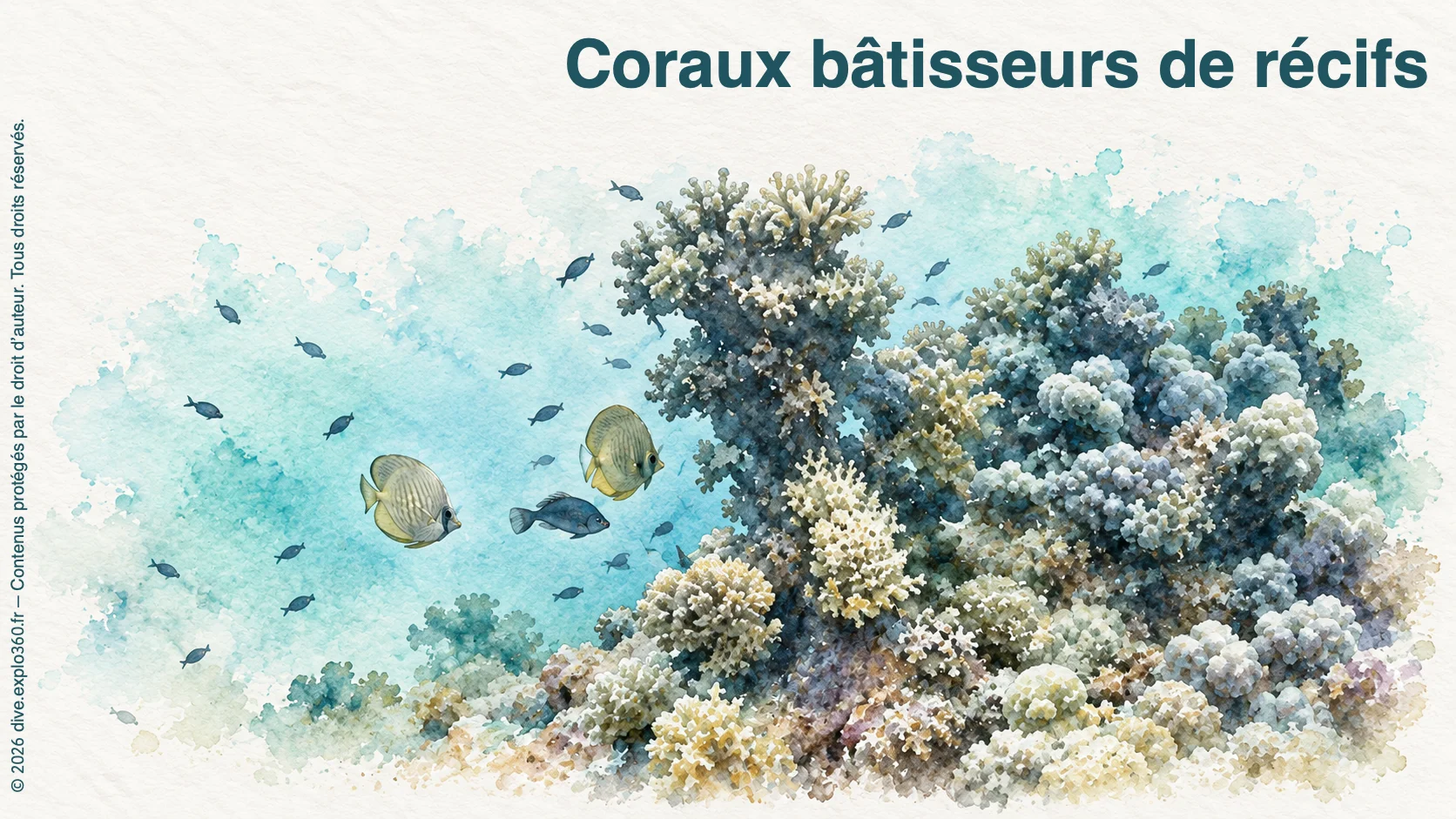
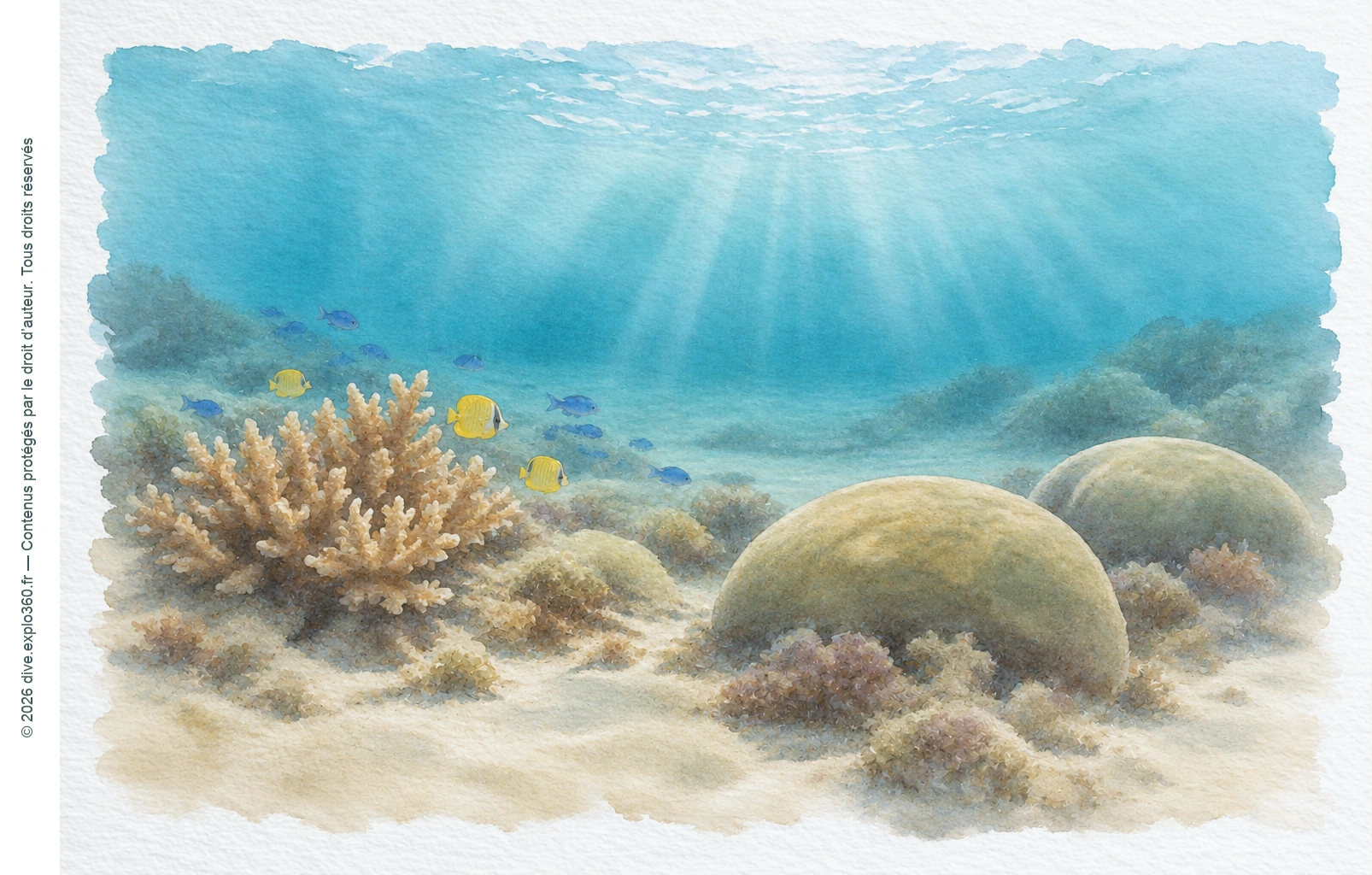
A coral reef is more than a collection of corals. It is a structure built over time by living organisms. Stony corals deposit limestone skeletons that help it grow. Tropical reefs then provide a home for many other organisms.
The secret of the tiny builders
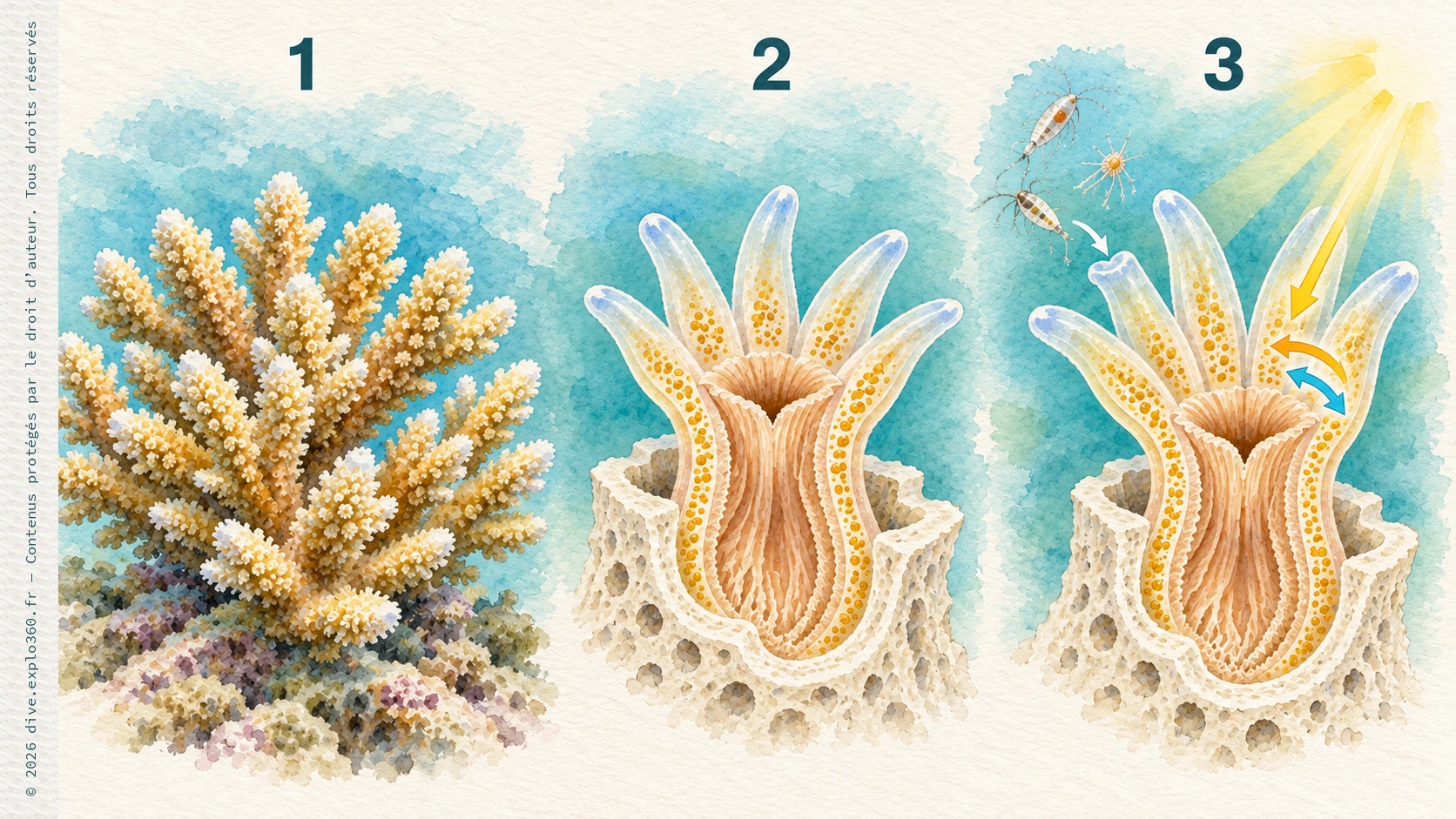
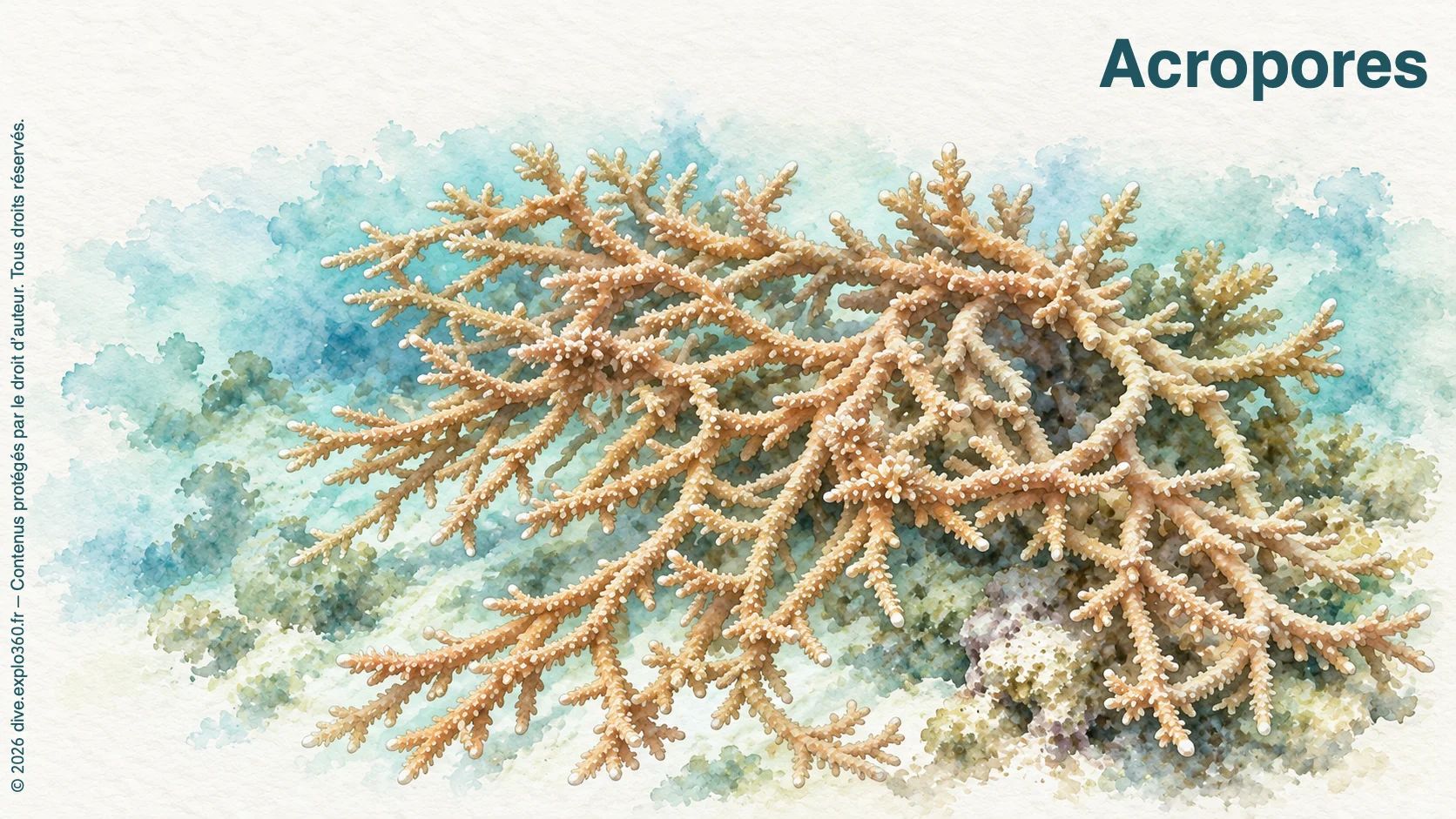
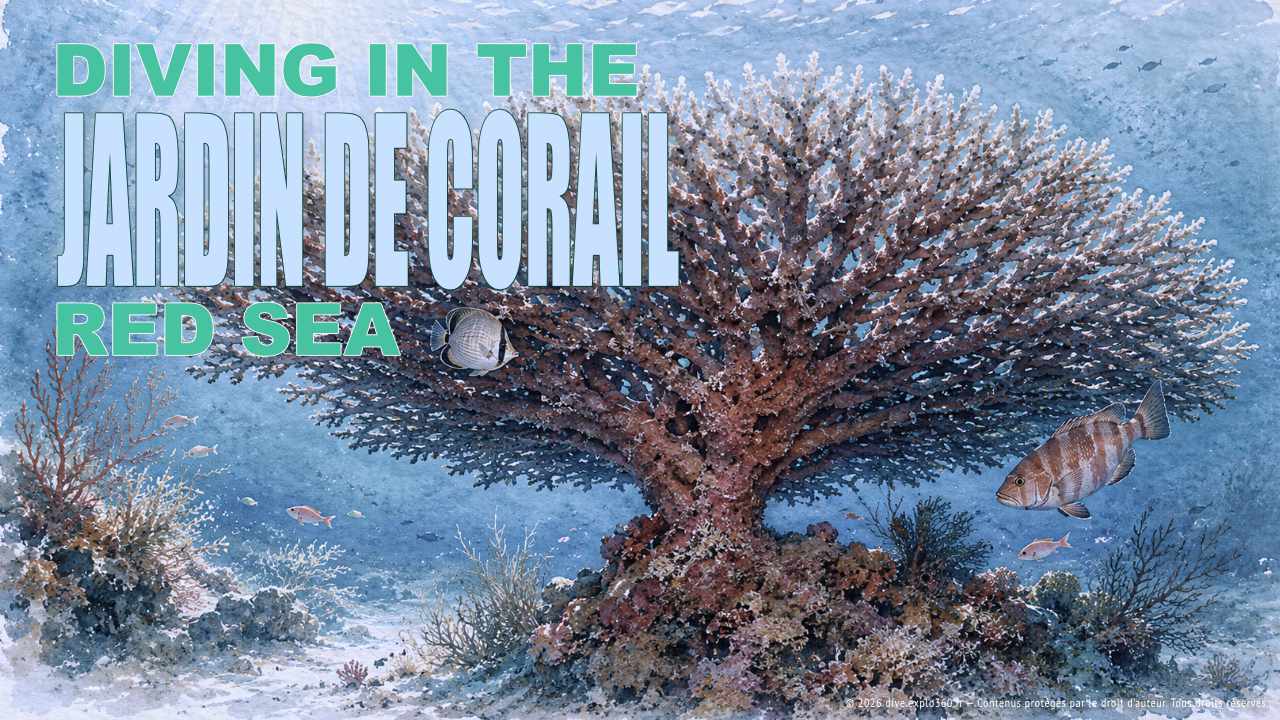
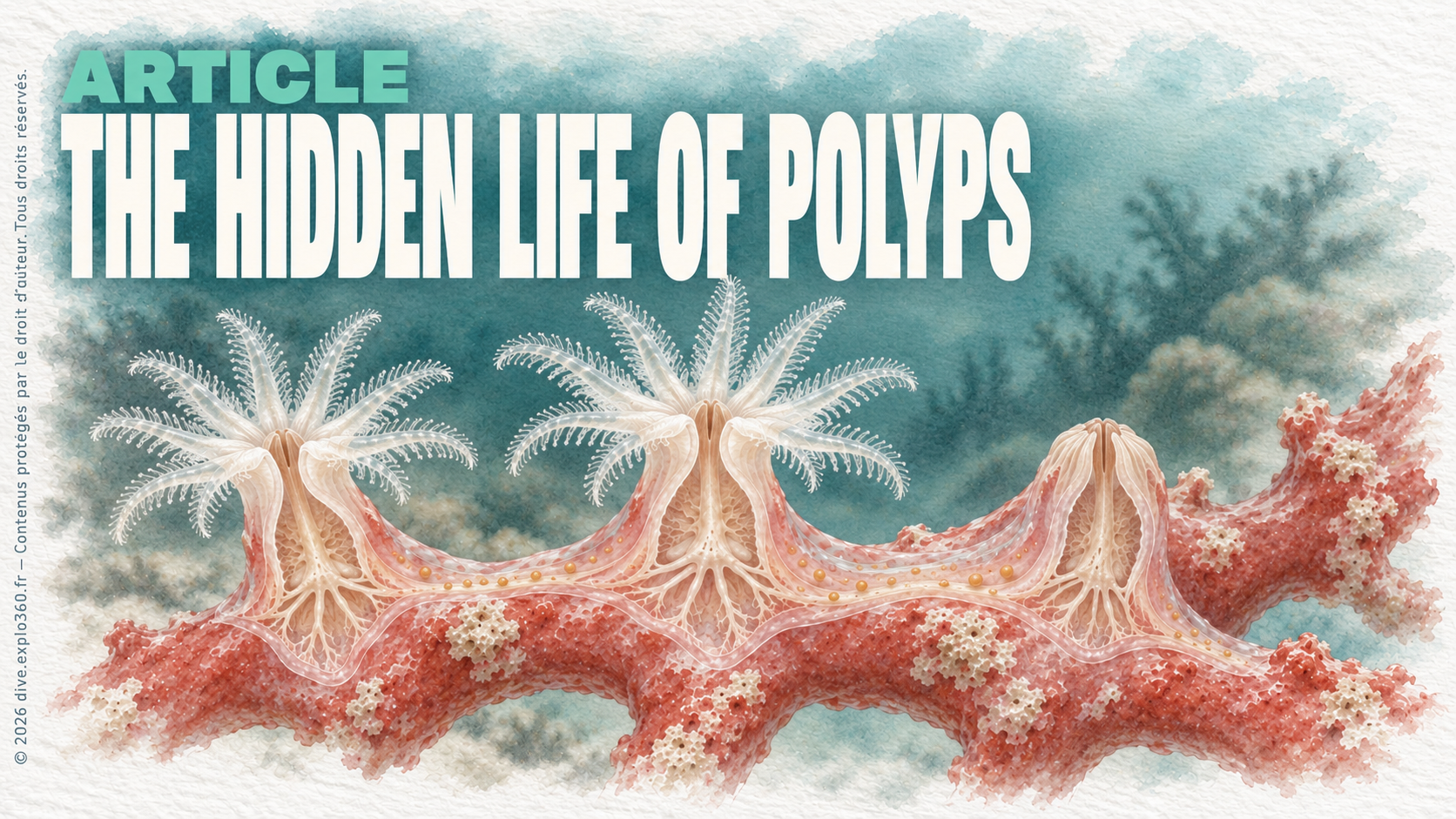
A coral consists of one or many polyps. Each has a mouth and tentacles that can catch small prey. In stony corals, polyps make a limestone skeleton. A colony can grow into branches, a rounded mound or a plate.
A partnership with light
Many tropical corals house microscopic algae inside their tissues. Light allows the algae to make nutrients that benefit the coral. In return, the coral provides a place to live and resources. This partnership is called symbiosis.
Three destinations, one way of looking
Videos from the Red Sea, the Maldives and Raja Ampat help us recognise these processes. Look for colonies, shelters and their inhabitants. Similar shapes do not mean two corals belong to the same species. Each place has its own communities.
Shelters at every scale
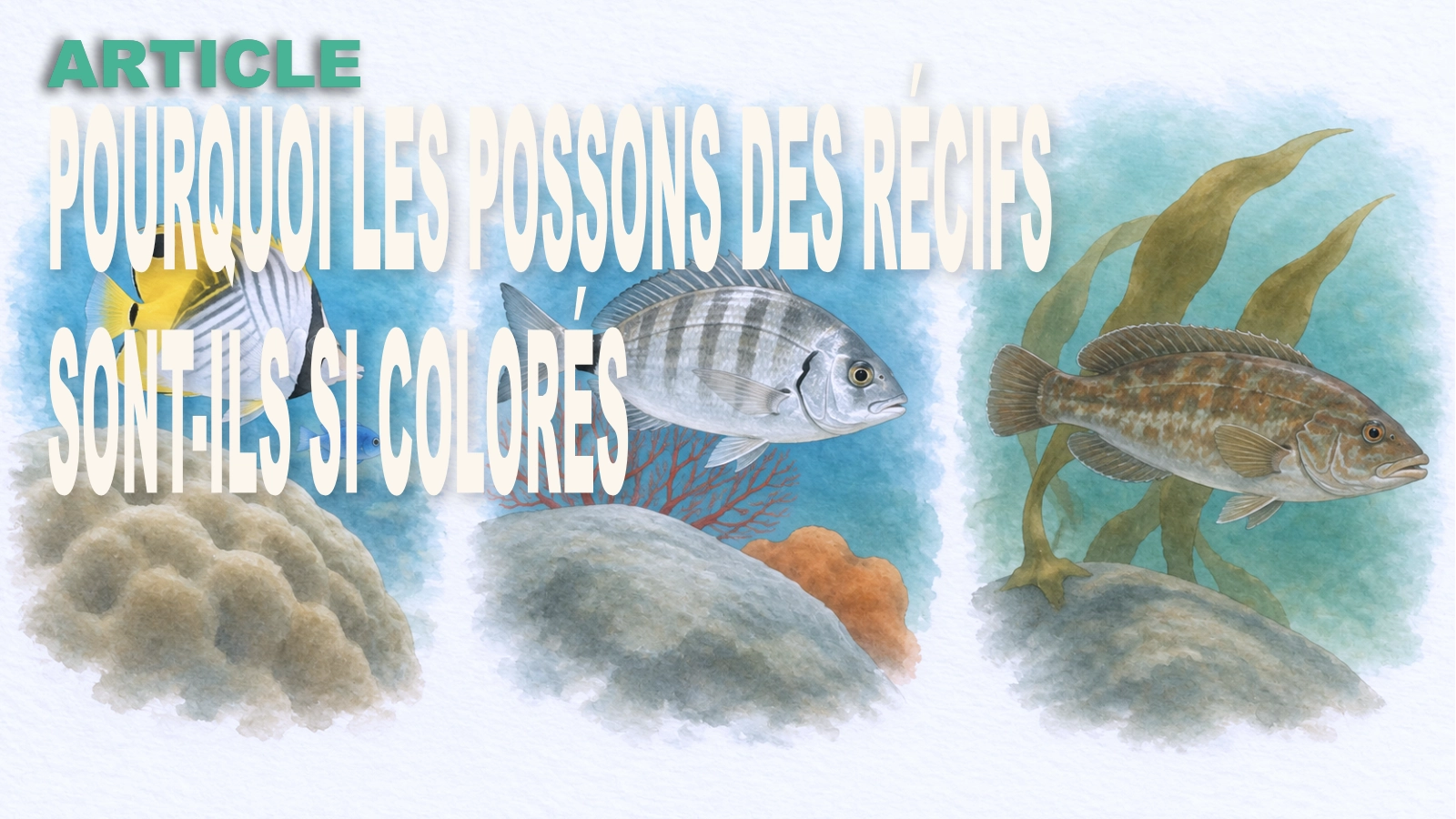
Branches, cracks and cavities provide shelters of different sizes. Some animals hide in the reef, others swim above it or live on nearby sand. Varied shapes create more opportunities for shelter and feeding.