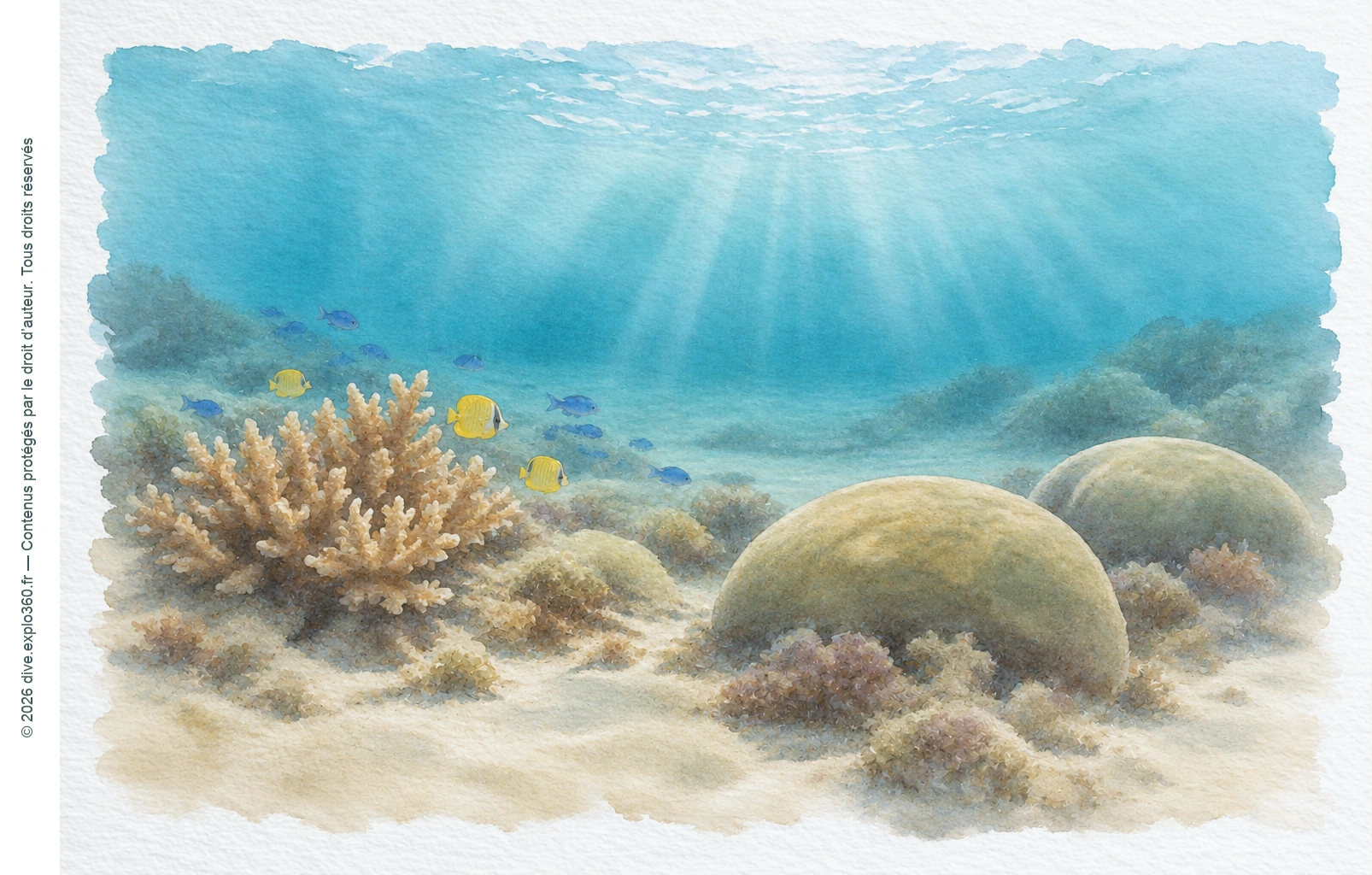
A landscape built by life
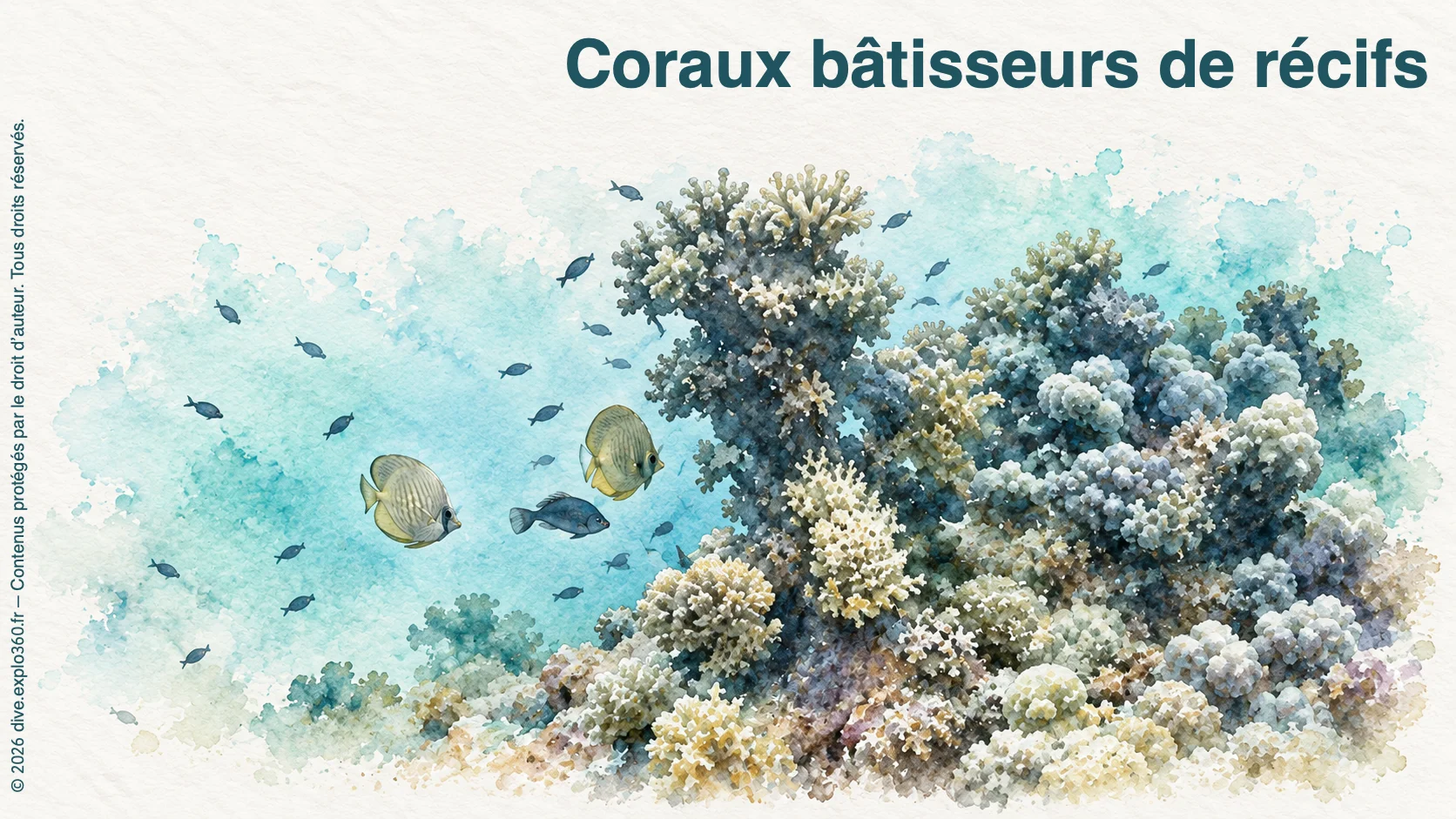
A reef looks like an underwater garden. But corals are animals! Many live together in groups. Their hard parts build up and create shelters. Here we explore reefs in warm seas.
The secret of the tiny builders
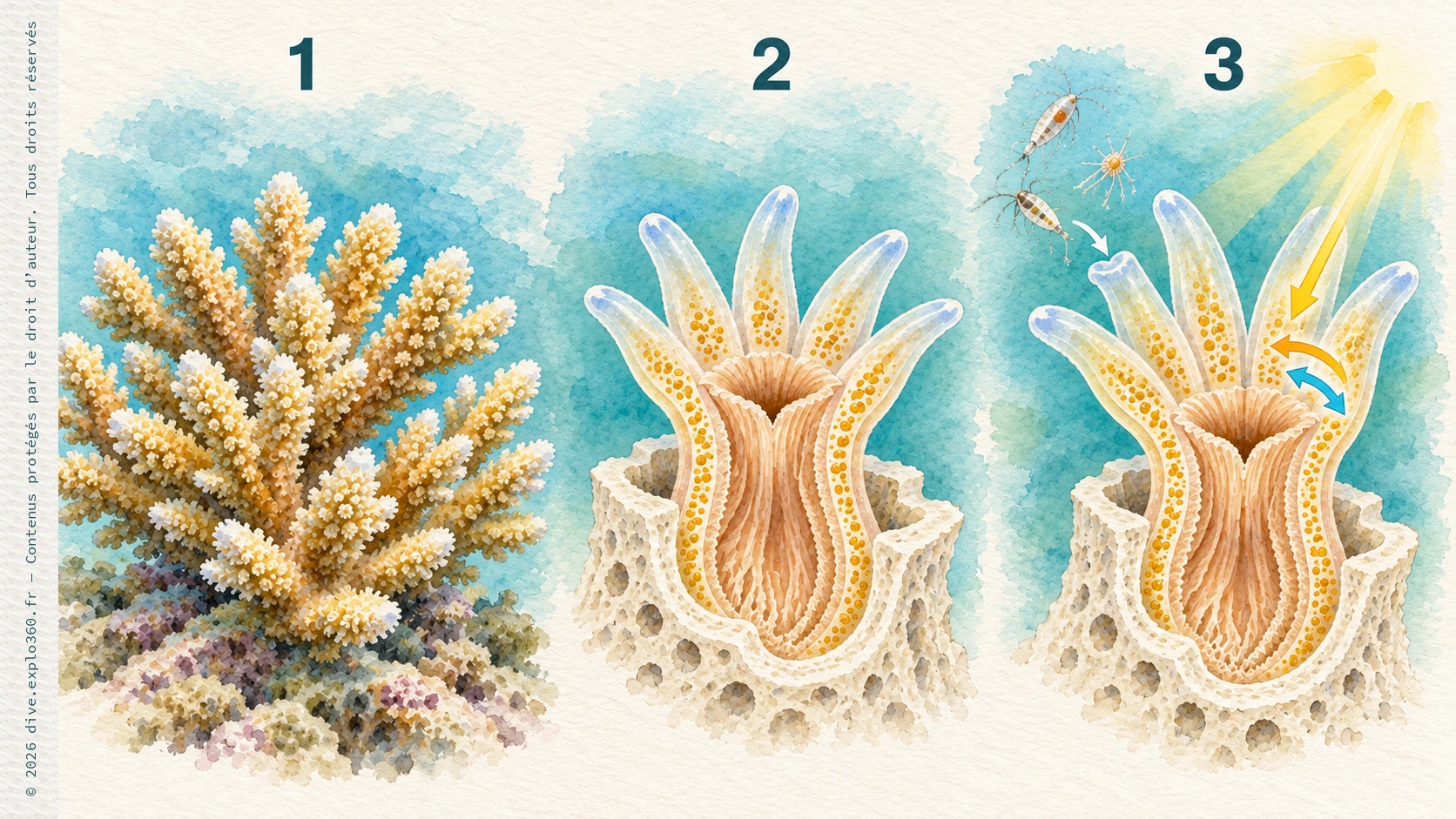
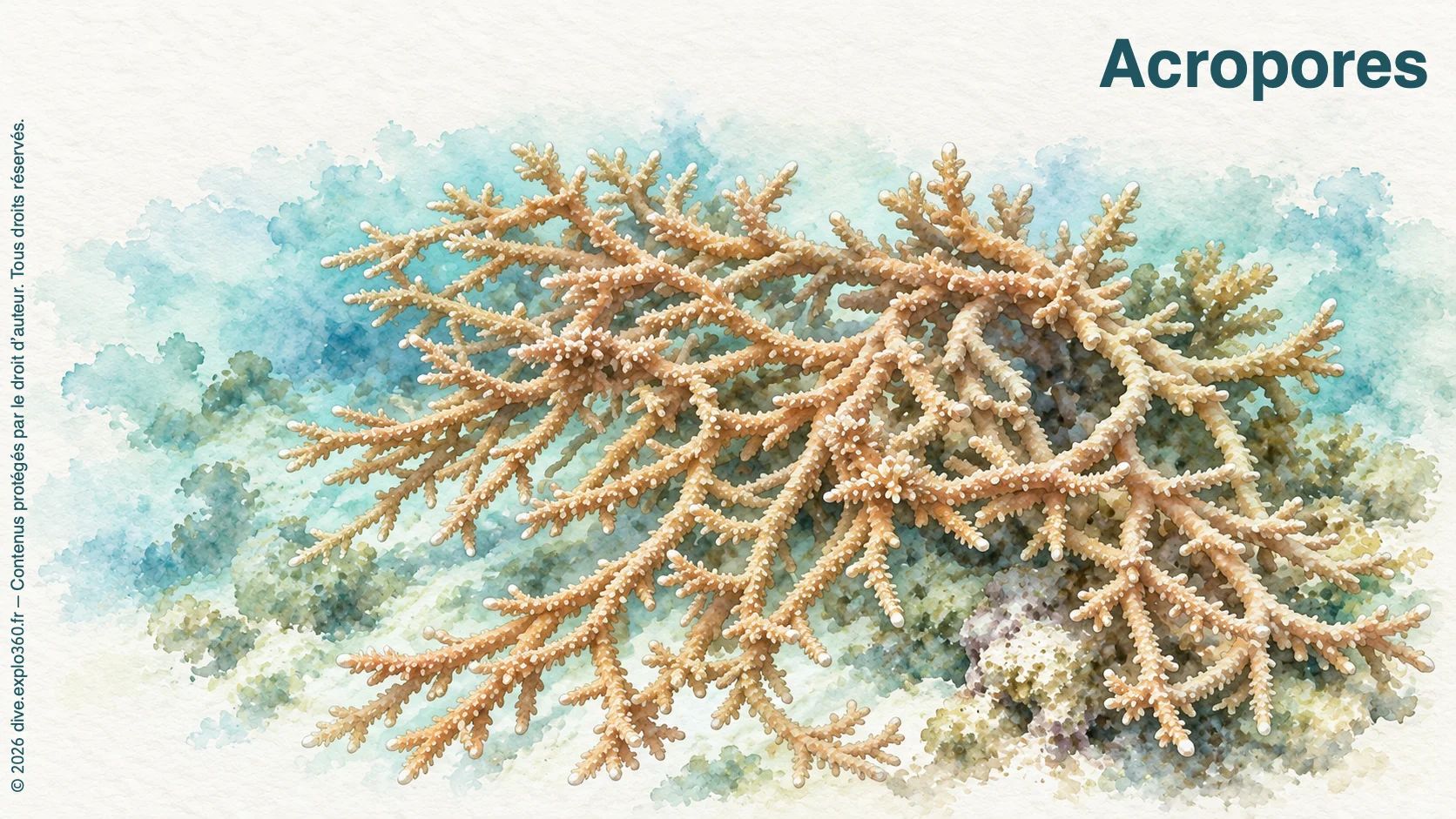
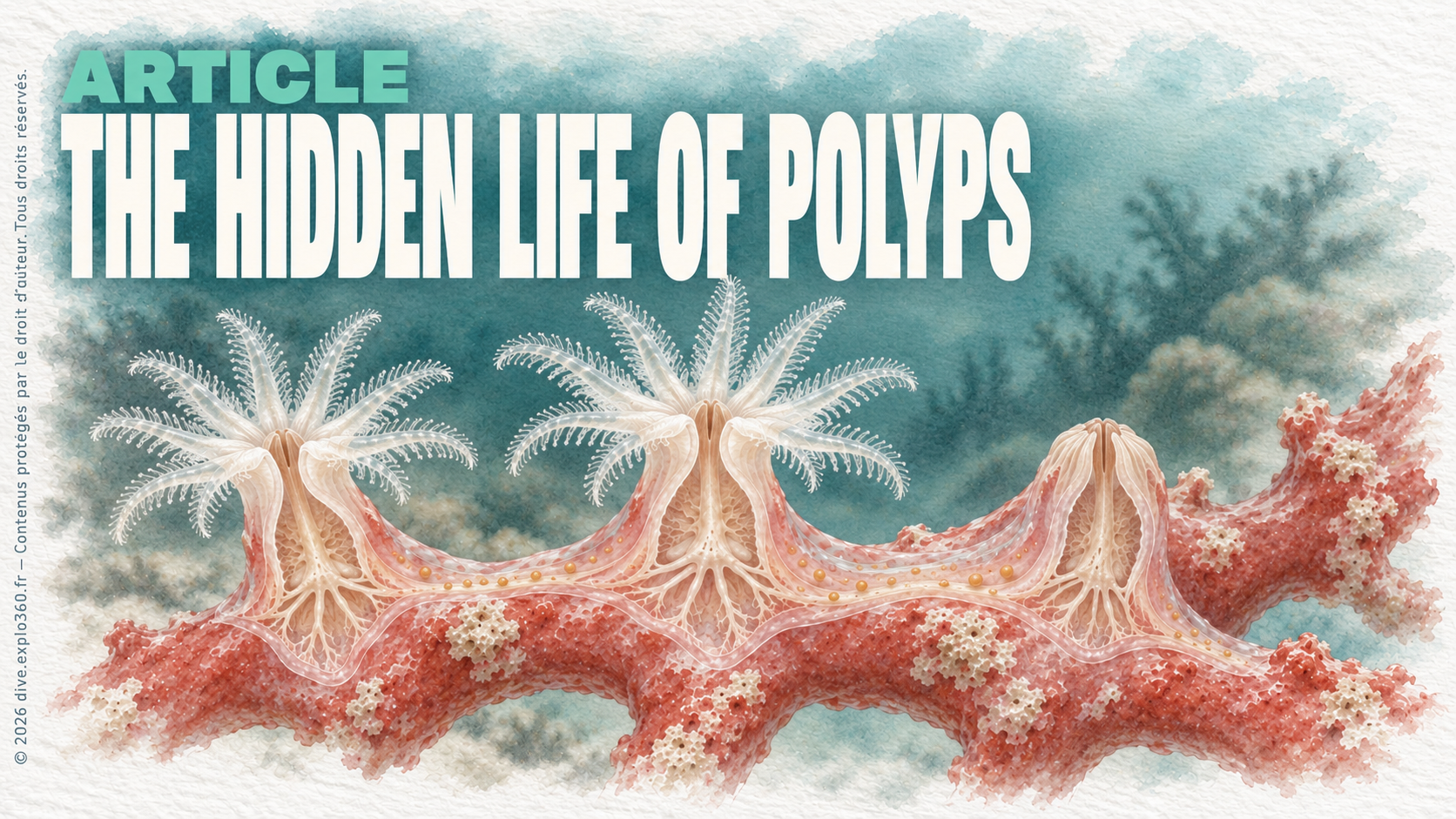
A tiny animal called a polyp has a mouth surrounded by tentacles. It can catch tiny prey. In stony corals, it makes a small limestone cup. Neighbouring polyps form a colony.
A partnership with light
Tiny algae live inside many warm-water corals. Using light, they make food that they share with the coral. The coral gives them a home. It can also catch small prey.
Three destinations, one way of looking
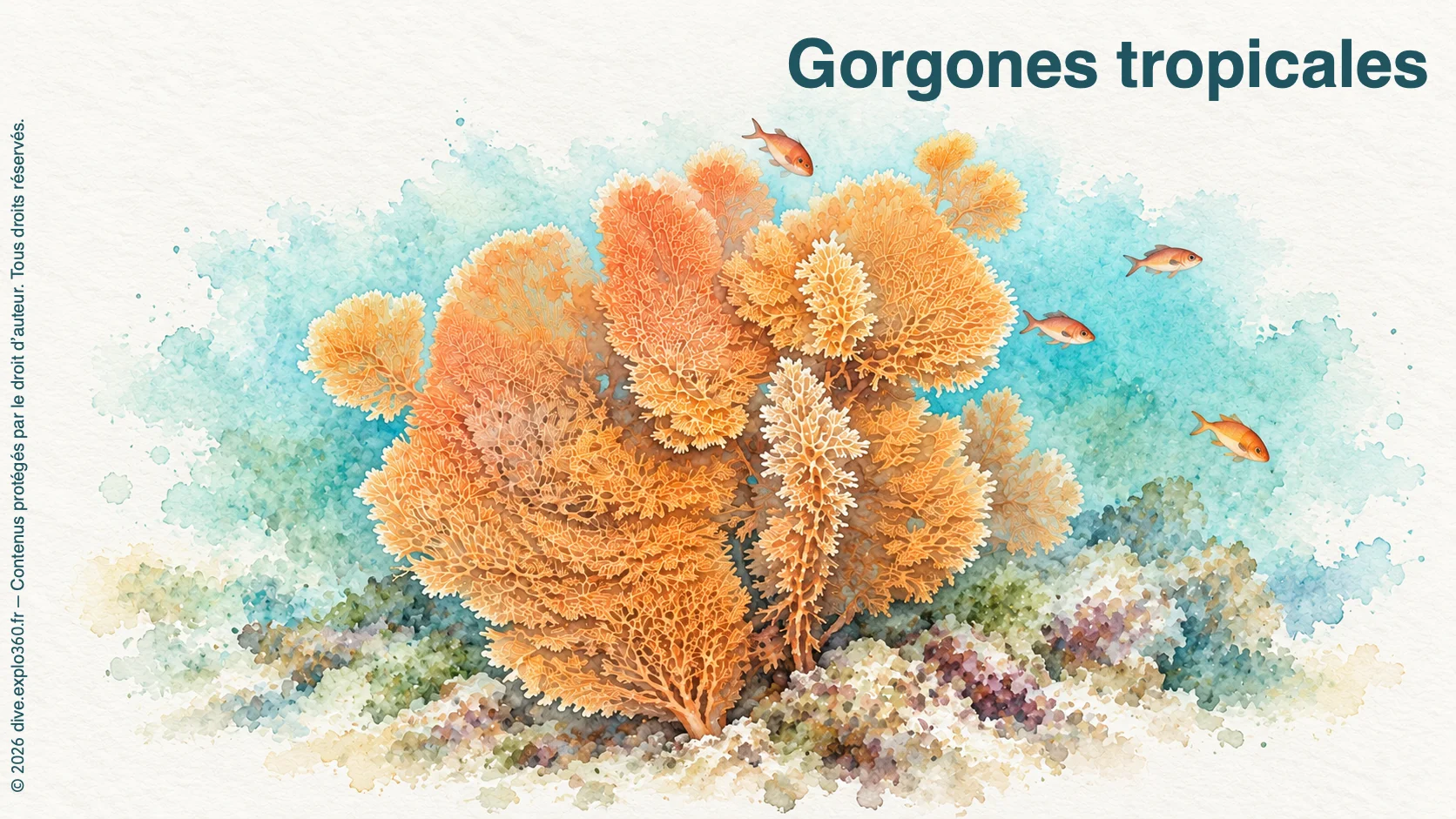
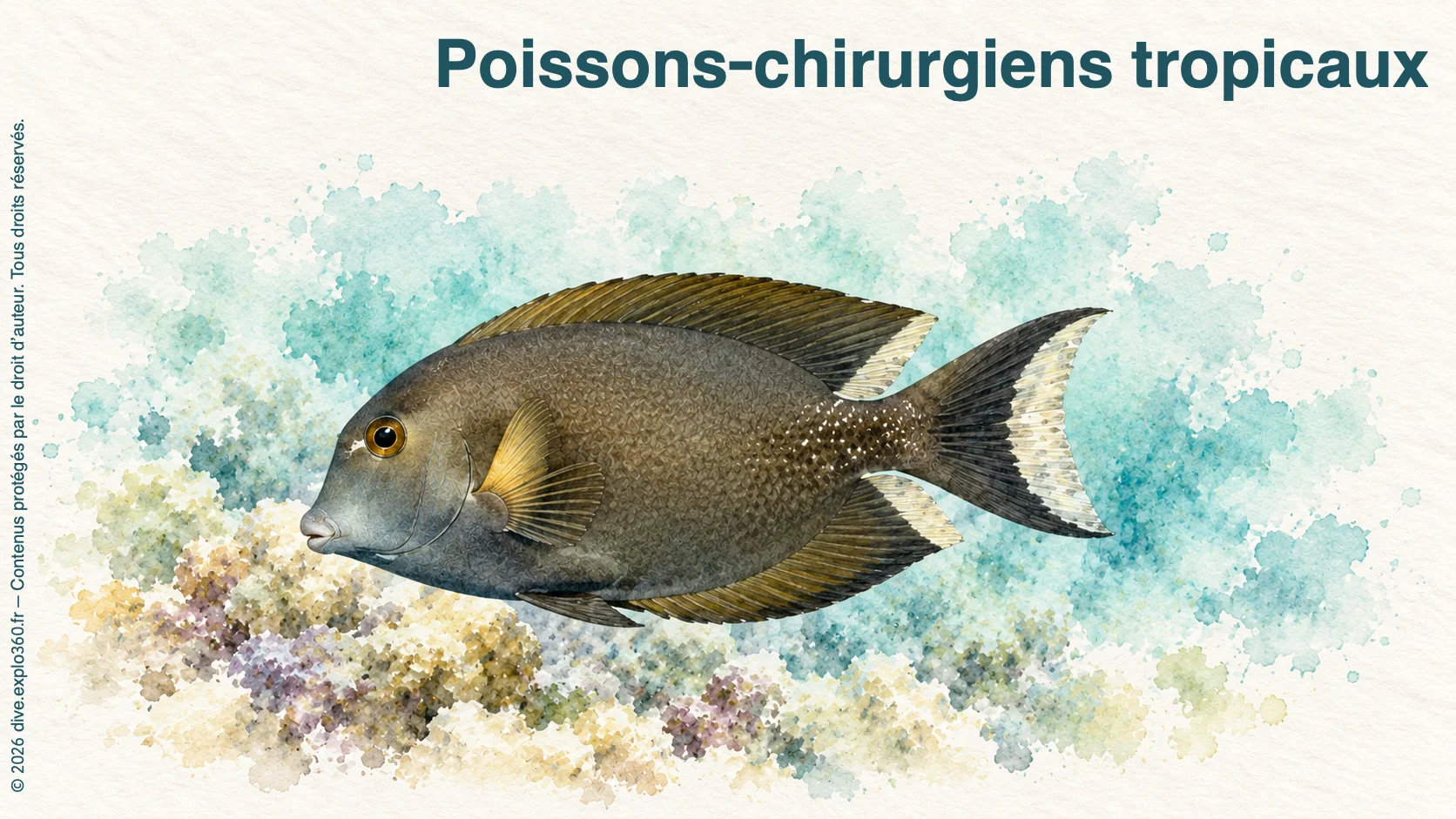
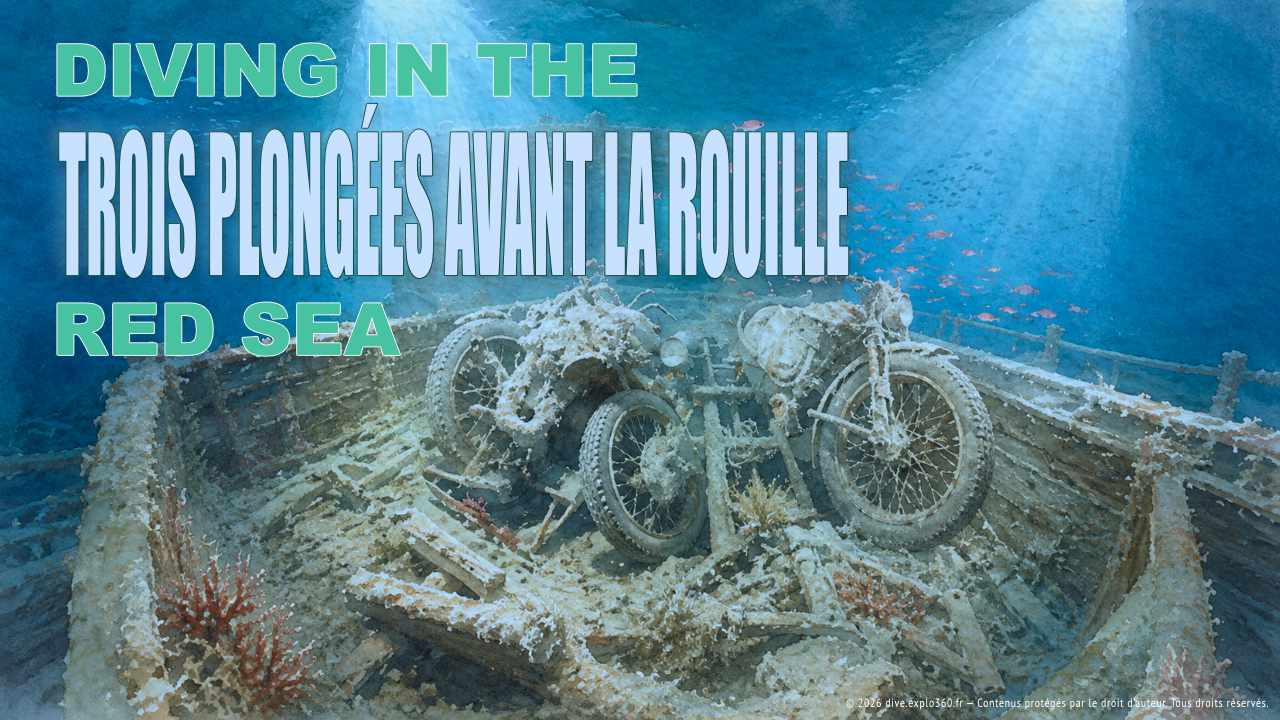
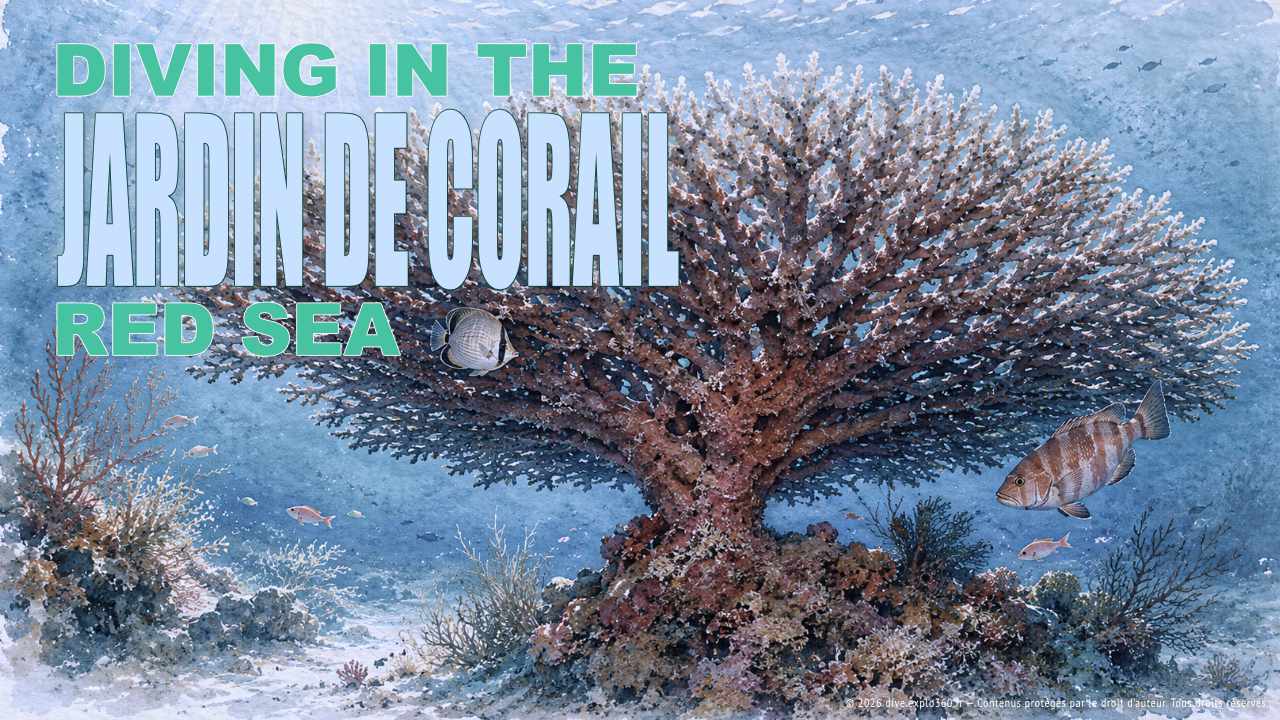
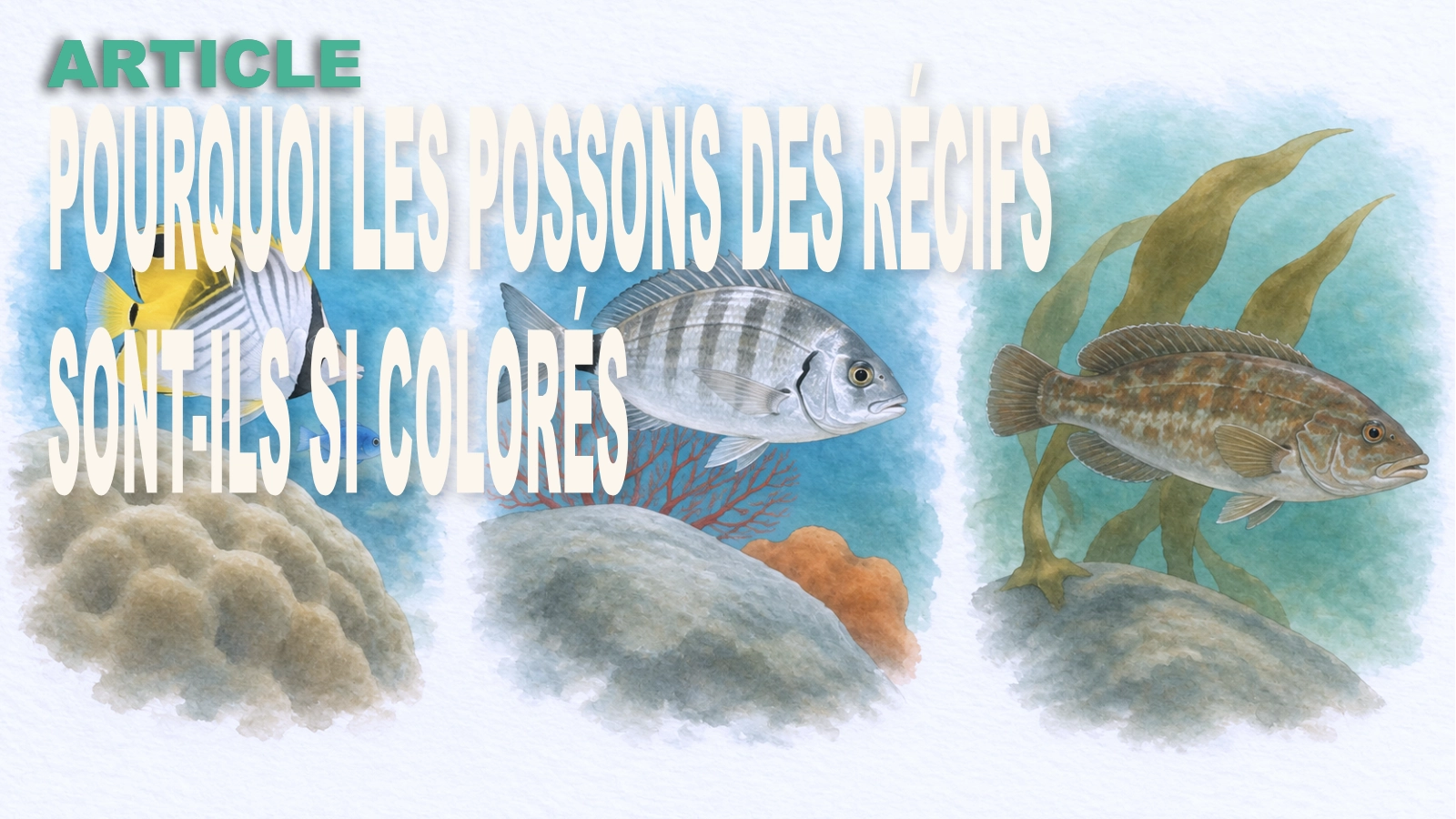
In the Red Sea, the Maldives and Raja Ampat, coral reefs are home to many animals. Look at the corals, the small fish swimming between their branches and the animals hiding in holes in the rocks. Some eat algae, while others catch small prey. Every reef is different and has new discoveries in store. Take your time to look carefully, without touching anything.
Shelters at every scale
Small fish hide between branches. Other animals shelter in holes. Nearby sand is a habitat too. A large shelter and a tiny one suit different inhabitants.