The background does not have to be multicoloured
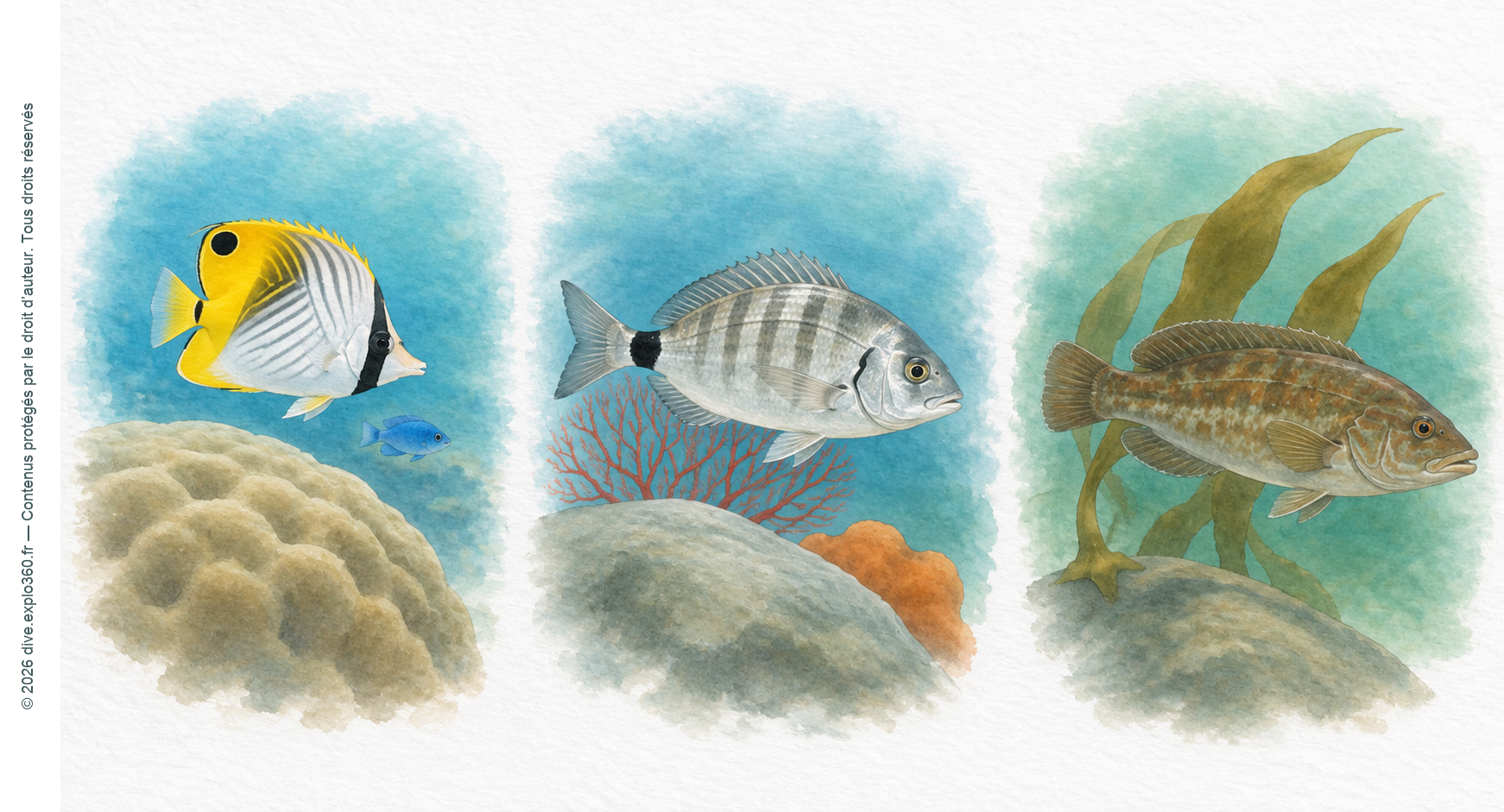
Why do some tropical fish display vivid colours when they swim against corals that are often subtly coloured? Their coloration does not serve camouflage alone. Depending on the species, colours and patterns may help fish recognise members of their own species, contribute to mate choice or act as signals during territorial interactions. Some colour patterns that look highly contrasting to the human eye may also be less visible to certain predators, depending on their colour perception and the light conditions. Reef fish diversity thus reflects several evolutionary pressures rather than a simple adaptation to the colours of the surroundings.
Being recognised and reproducing
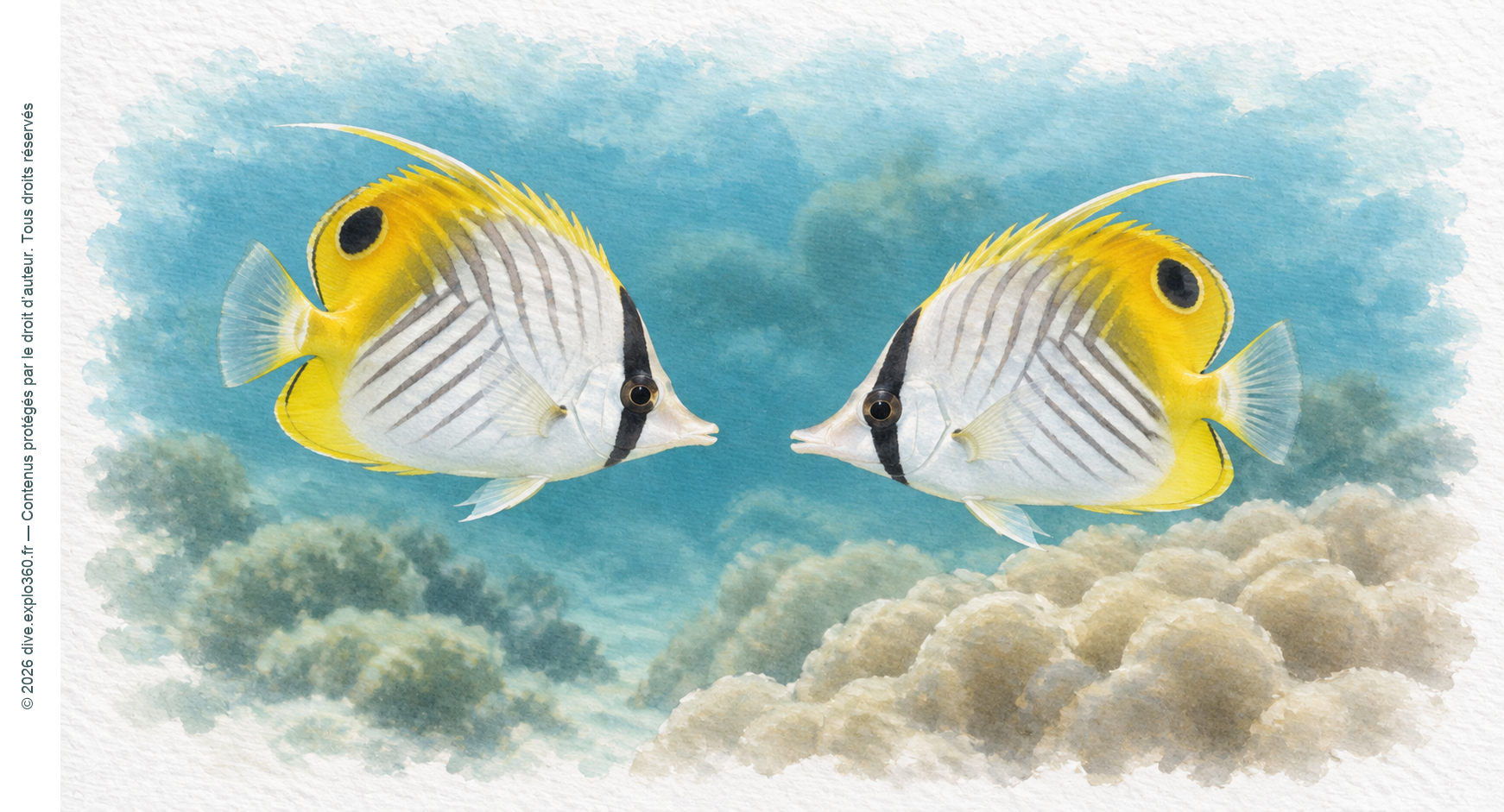
In many reef fish, stripes, spots and colour contrasts play a role in visual communication and recognition between individuals. In some wrasses, colour patterns change during growth or a change of sex, with sometimes marked differences between males and females. During courtship displays, colours may be combined with movements and postures that help attract mates or compete for them. When a characteristic promotes reproductive success, sexual selection may help maintain it, even if it makes the animal more visible. This mechanism explains some spectacular colour patterns, but cannot be generalised to all tropical fish.
Colours in relationships between neighbours
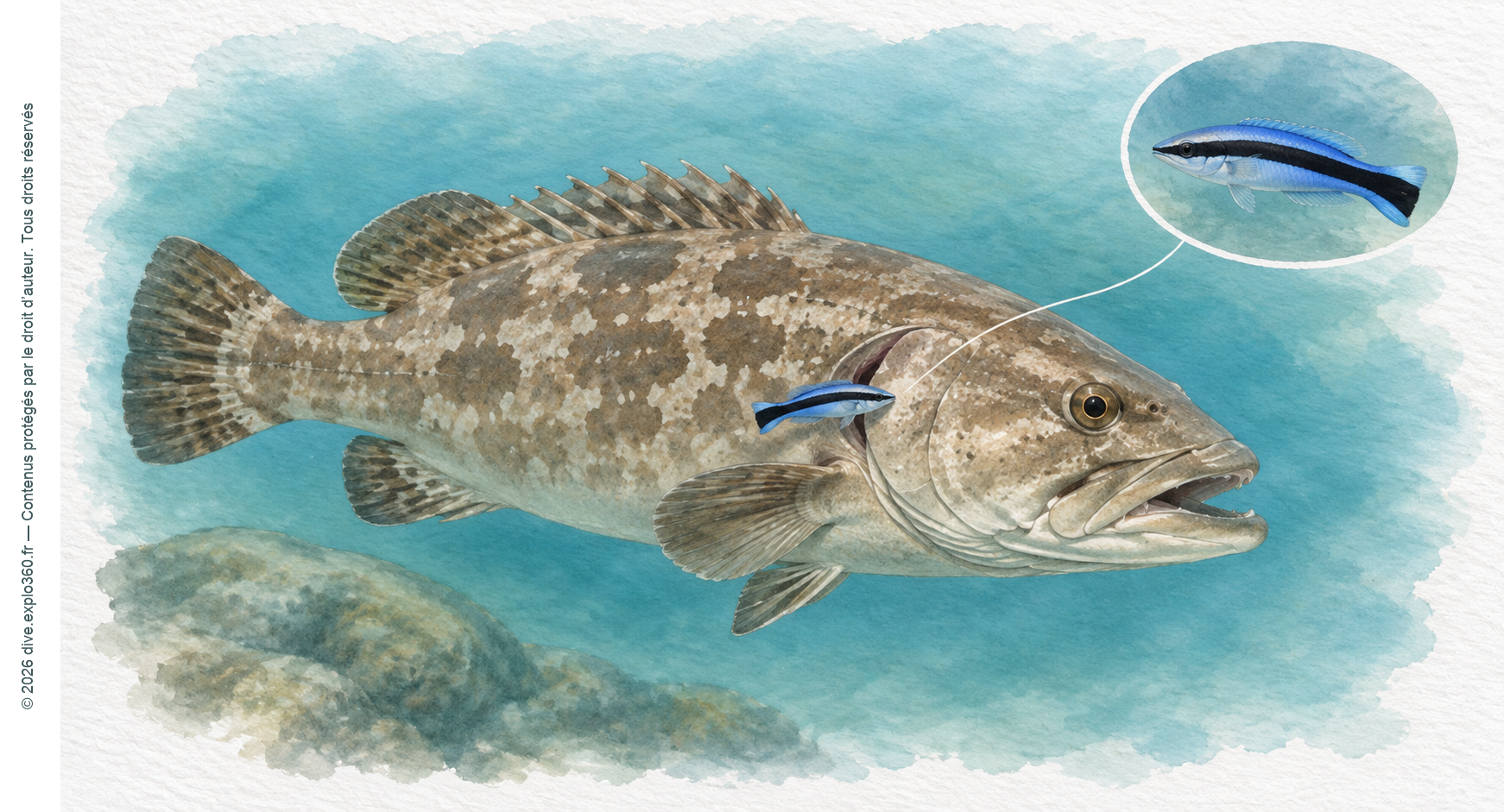
On coral reefs, fish colours and patterns may play a role in various interactions: territorial defence, reproduction or cleaning relationships. In some species, these visual signals complement movements and postures to convey information to members of their own species or to other fish. The cleaner wrasse (Labroides dimidiatus), for example, has a contrasting colour pattern and makes characteristic movements that allow client fish to identify it and seek its services. The meaning of a colour pattern nevertheless depends on the species, the context and the visual abilities of the animal perceiving it. The same colour therefore does not necessarily serve the same function in different fish.