Partners and Dive.Explo360 explorers

Contact us

Verification code

Coral reefs

Start with the reef, its coral polyps and the life they support, then explore threats to corals and what makes reefs diverse.

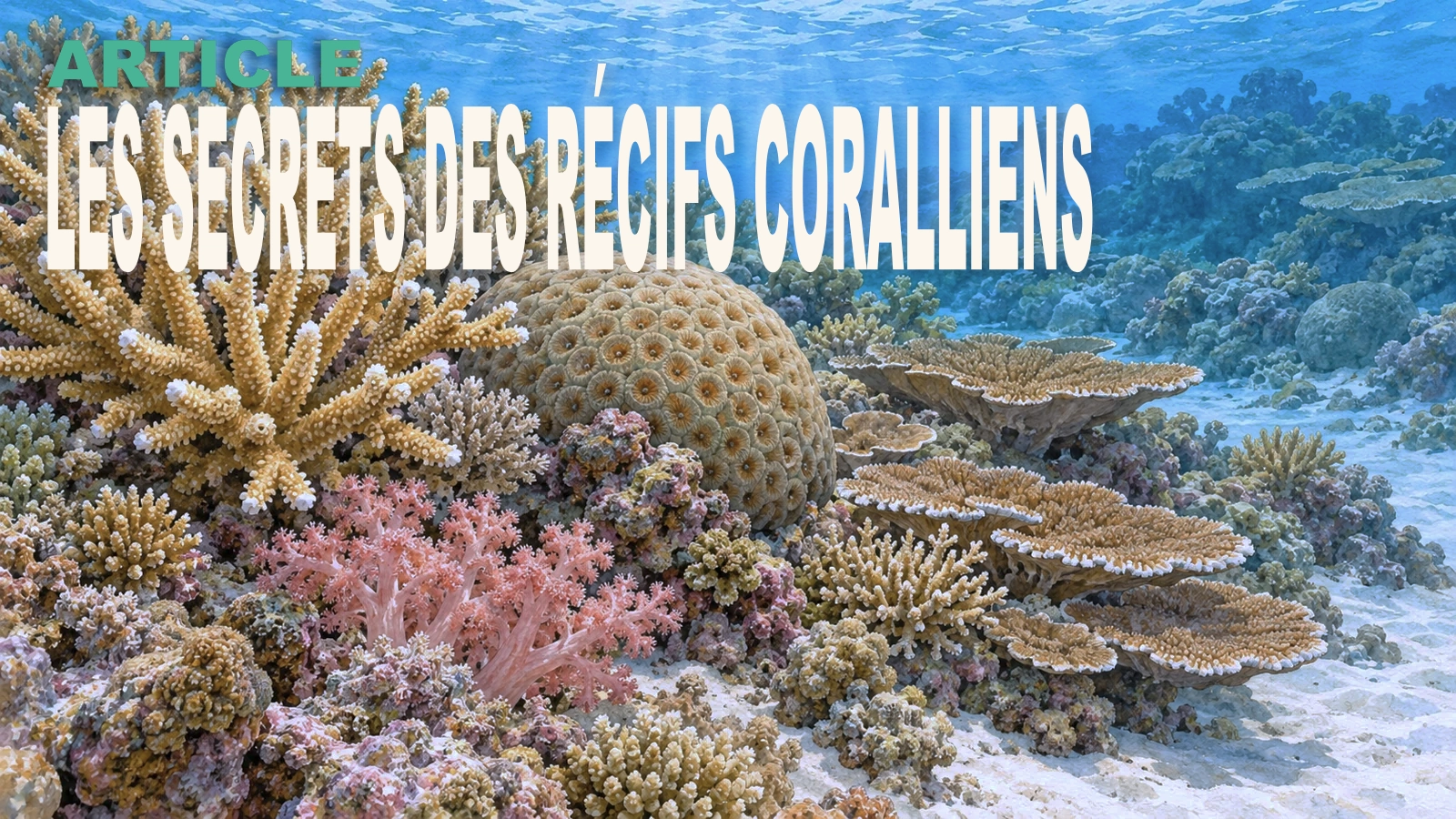
Tropical reef: stony coral colonies and shelters between the reef structures Available1/3 public · licence required for the rest

Multiple marine regions

Red SeaRaja Ampat

Biotope · Environment

THE SECRETS OF CORAL REEFS

A grazer scrapes a hard surface beside a coral colony. A few centimetres away, a fish disappears into a crack. Both are using a structure that grew as generations of polyps left their skeletons behind. From the Red Sea…
6–10 years 11–14 years 15–17 years Adults (18+)
Getting startedPublic 2 min · Lic. 4 min 1 / 9 Read the article
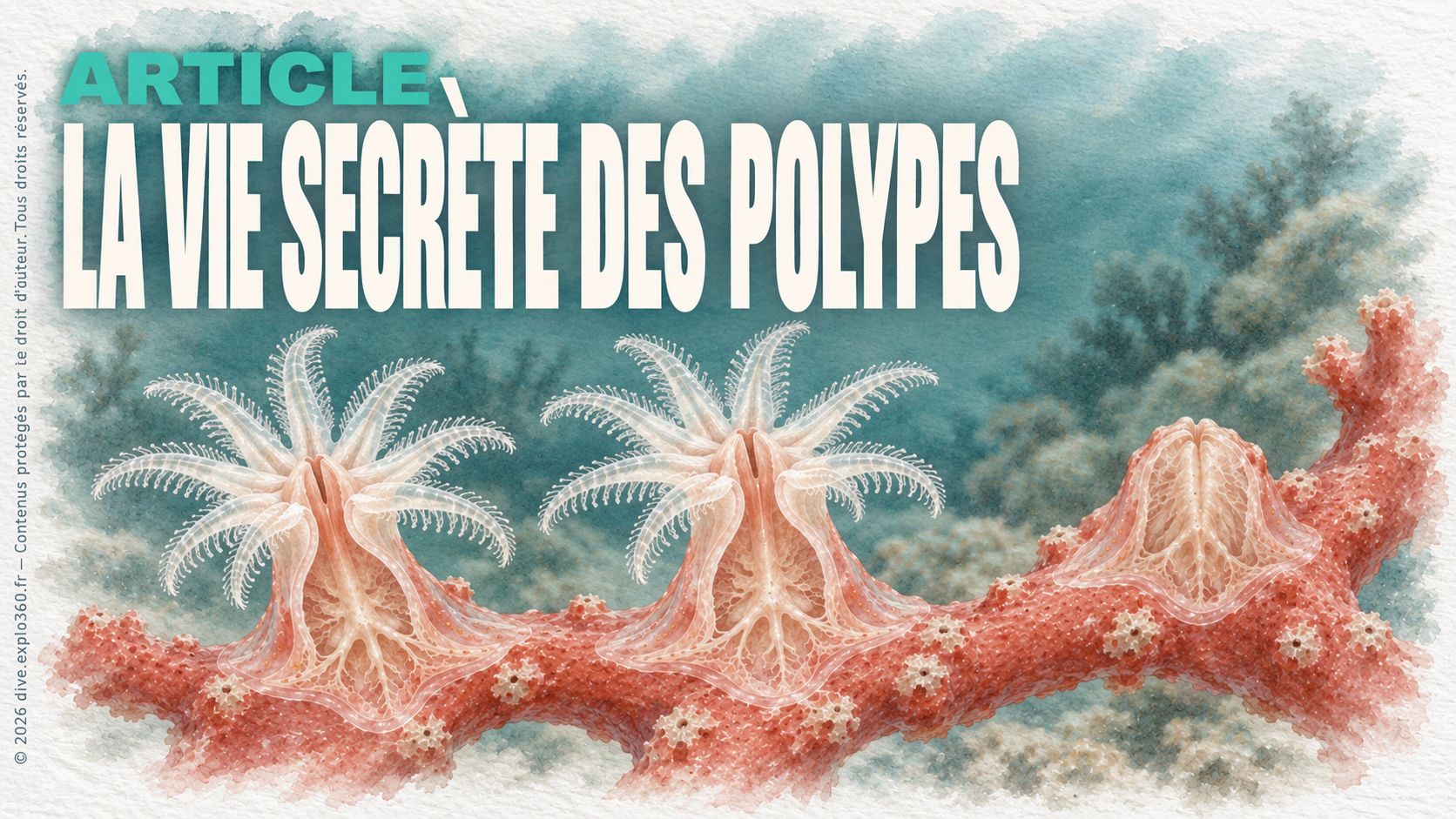
White polyps of red coral (Corallium rubrum) connected along a branch. Available1/3 public · licence required for the rest

Multiple marine regions

MediterraneanAtlantic

Anatomy · Science

The Hidden Life of Polyps: How Does a Colony Work?

A sea fan holds its polyps out in the current. On a branch of red coral, white tentacles form little crowns against the red. Each crown surrounds a mouth that can take in food. The tissue below links those mouths to the…

6–10 years 11–14 years 15–17 years Adults (18+)
UnderstandingPublic 2 min · Lic. 5 min 2 / 9 Read the article
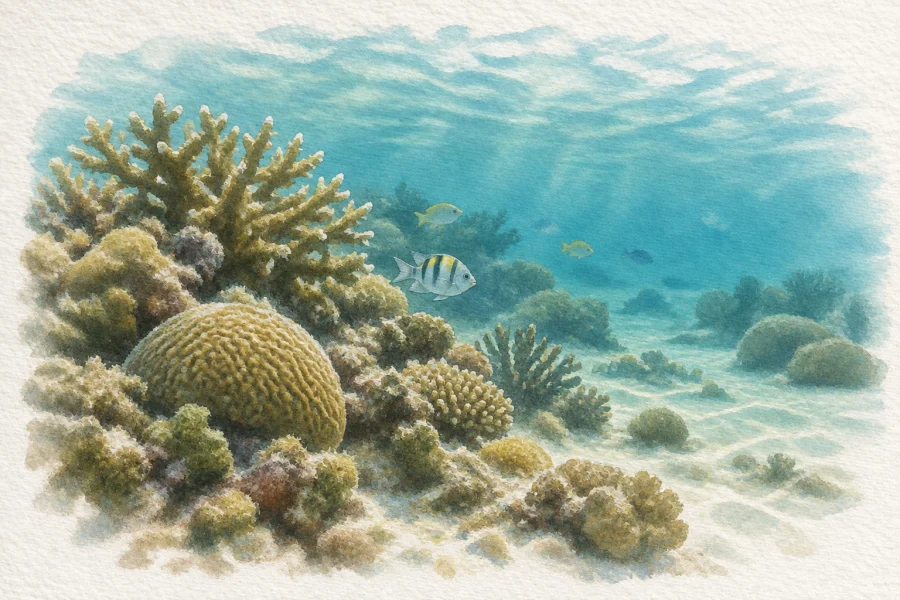
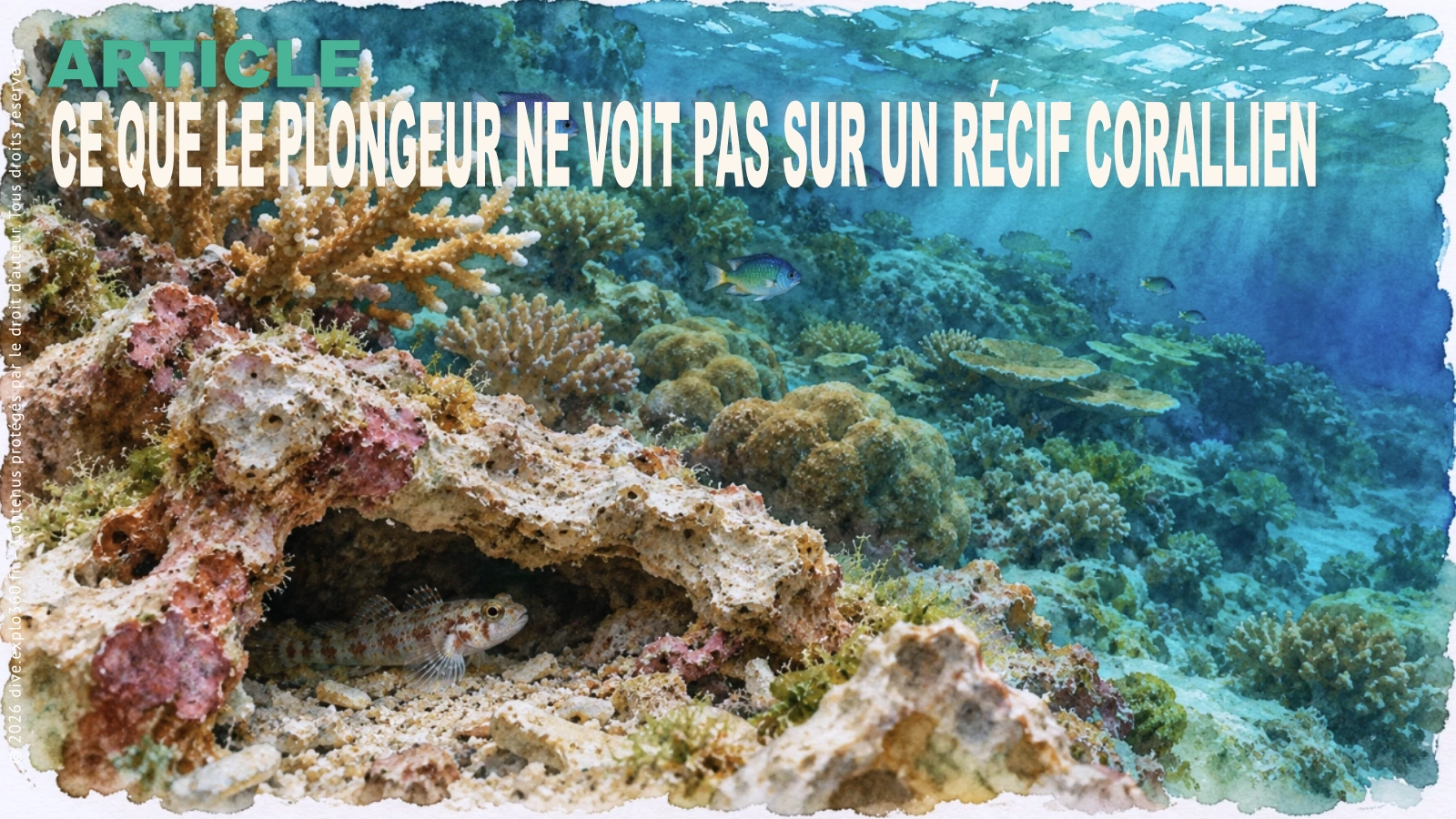
Artist’s view of a tropical reef with coral rubble in the foreground. Available1/3 public · licence required for the rest

Multiple marine regions

Red SeaRaja Ampat

Ecology · Science

WHAT DIVERS DON’T SEE ON A CORAL REEF

Picture a branching coral on a tropical reef. Damselfish shelter between its branches. A wrasse swims through, and a shrimp slips into a crack. A diver might stop to look at the fish and the living polyps, then swim on.…

6–10 years 11–14 years 15–17 years Adults (18+)
UnderstandingPublic 6 min · Lic. 13 min 3 / 9 Read the article
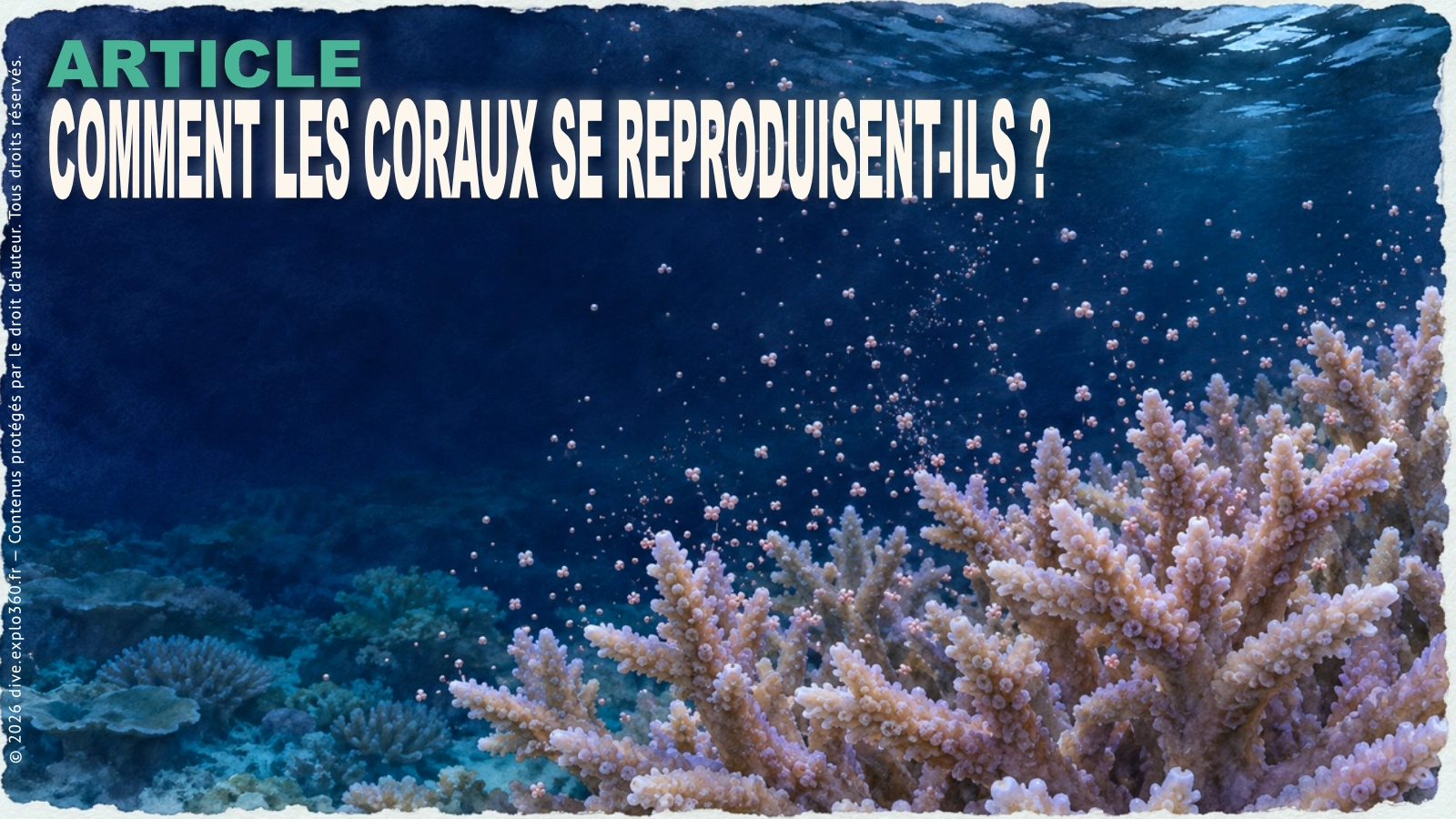
Reef-building corals spawn at night. Gamete bundles rise above the reef. Available1/3 public · licence required for the rest

Multiple marine regions

Red SeaRaja Ampat

Way of life · Behaviour

How do corals reproduce?

A few nights after a full moon on the Great Barrier Reef, pink bundles appear at the mouths of coral polyps. They hang briefly, then rise. Nearby colonies release bundles of their own, and the surface water begins to…

6–10 years 11–14 years 15–17 years Adults (18+)
UnderstandingPublic 3 min · Lic. 7 min 4 / 9 Read the article
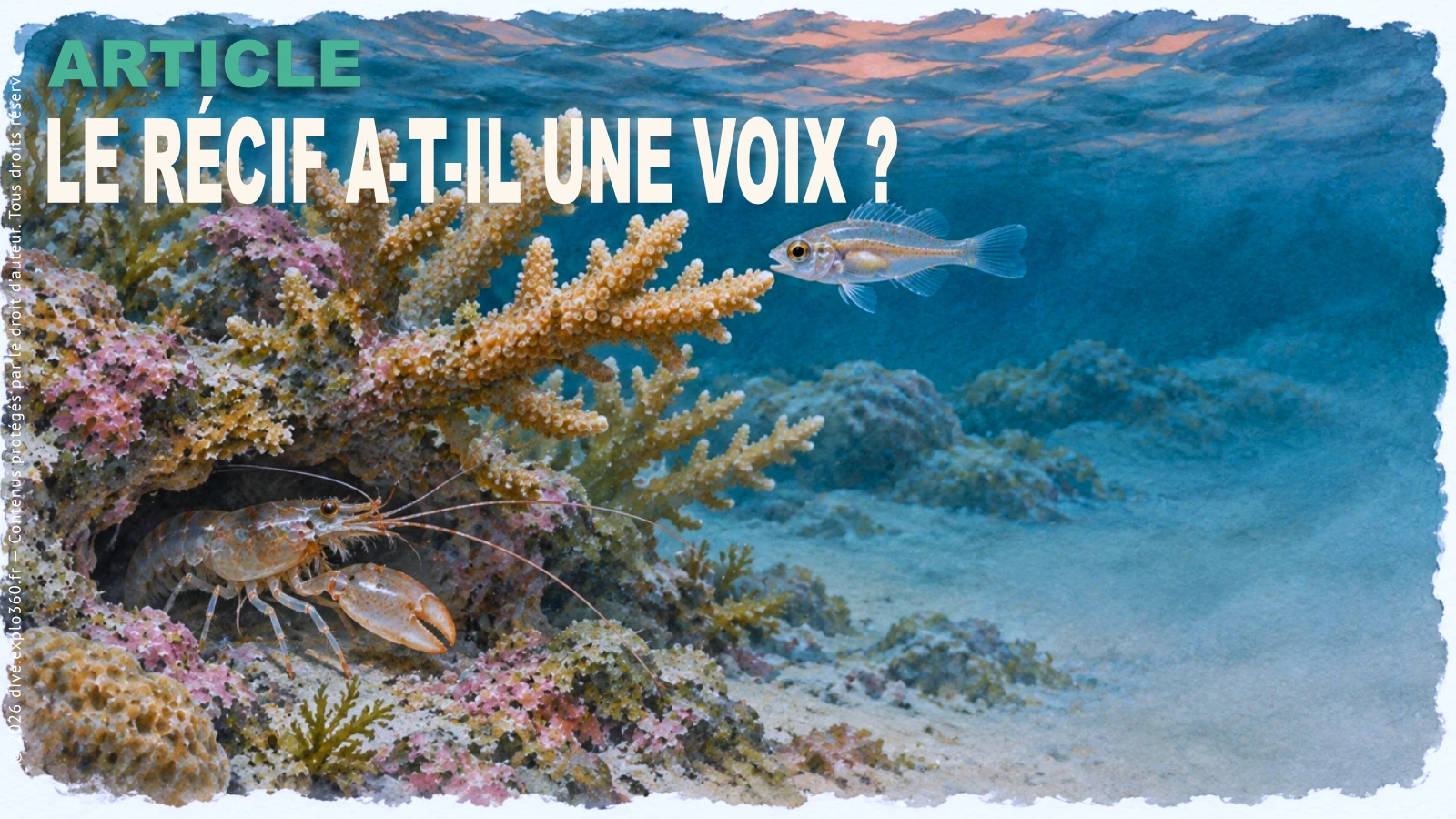
A translucent young fish above a tropical reef at dusk. Available1/3 public · licence required for the rest

Multiple marine regions

Red SeaRaja Ampat

Way of life · Science

Does the reef have a voice?

At dusk, fish vanish into cracks and coral polyps extend their tentacles. Drop a hydrophone beside the reef and another shift becomes audible. Snaps come thick and fast from the rubble, with low pulses and bursts of…

6–10 years 11–14 years 15–17 years Adults (18+)
Going deeperPublic 4 min · Lic. 10 min 5 / 9 Read the article
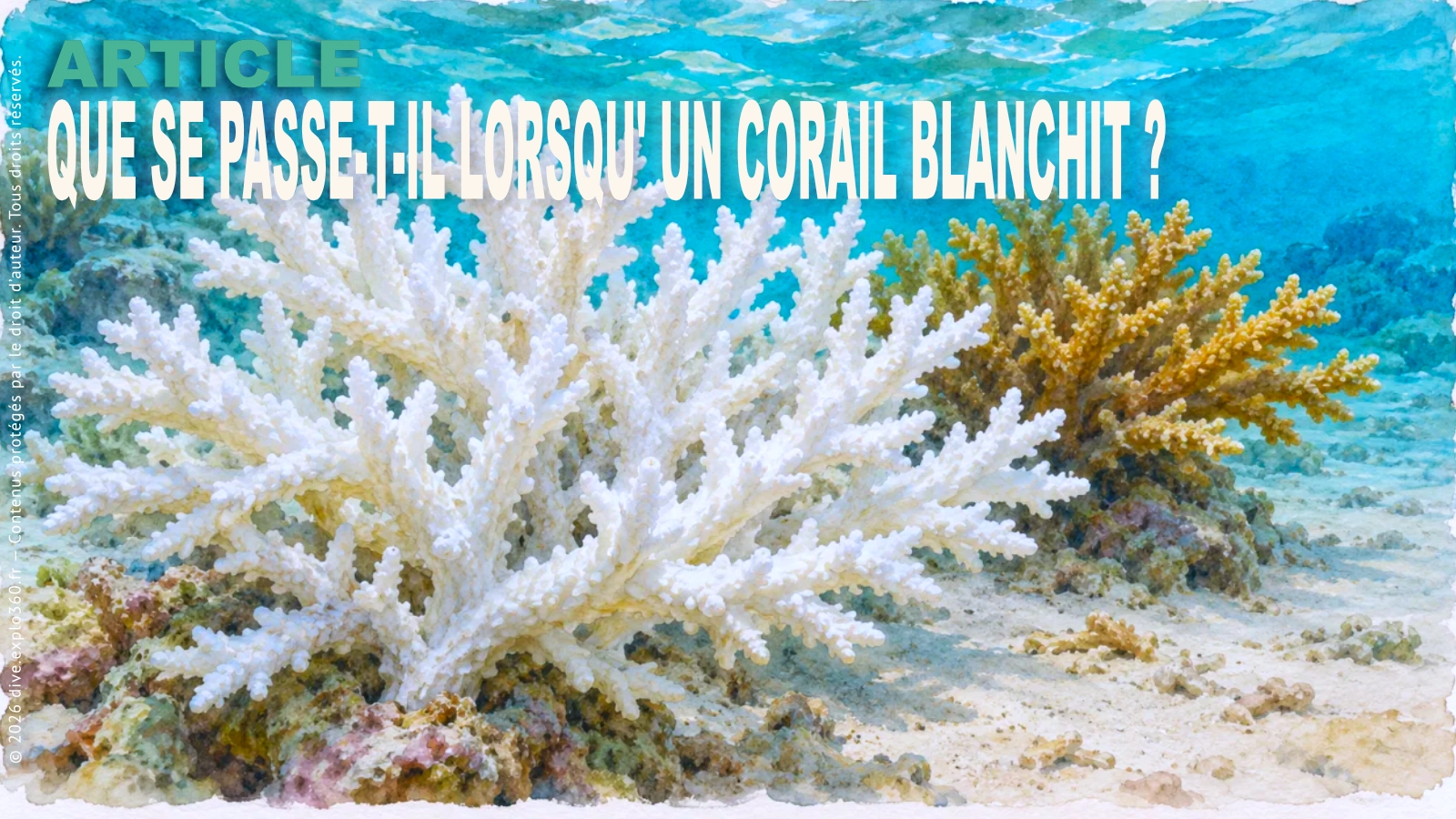
Two neighbouring coral colonies, one golden and the other bleached. Available1/3 public · licence required for the rest

Multiple marine regions

Red SeaRaja Ampat

Way of life · Science

What happens when a coral bleaches?

Picture two coral colonies a few centimetres apart. One has brown and golden branches covered in tiny polyps. The other is white. Its polyps may still be alive and catching prey, even though they have lost much of the…

6–10 years 11–14 years 15–17 years Adults (18+)
UnderstandingPublic 3 min · Lic. 9 min 6 / 9 Read the article
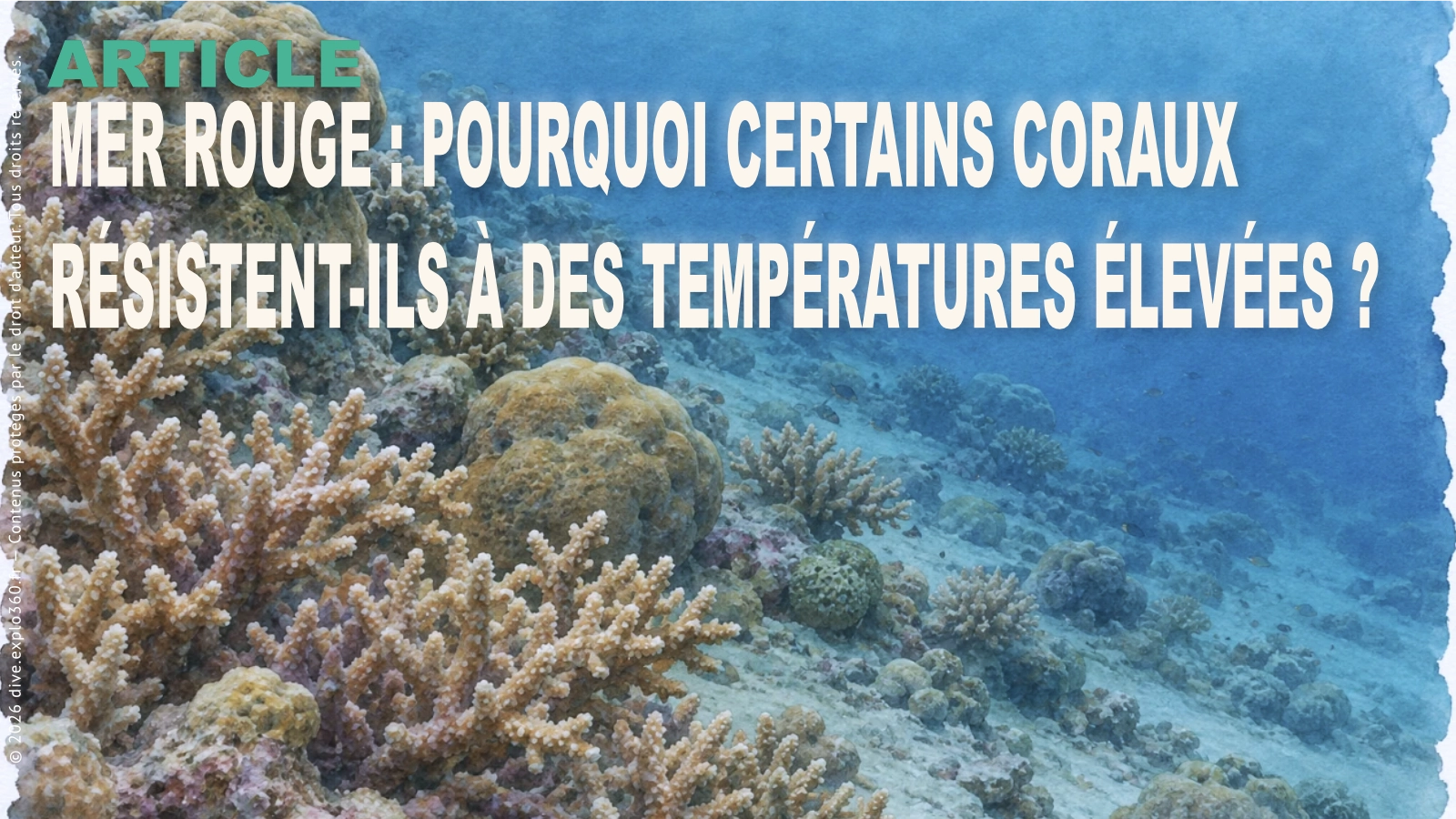
Artist’s view of a reef slope in the Gulf of Aqaba. Available1/3 public · licence required for the rest

Article region: Red Sea

Red Sea

Ecology · Science

RED SEA: WHY DO SOME CORALS WITHSTAND HIGH TEMPERATURES?

A coral in the Gulf of Aqaba can keep its colour when the water warms well beyond its usual summer temperatures. Nearly a thousand kilometres farther south, a smaller rise above local summer conditions can be enough to…

6–10 years 11–14 years 15–17 years Adults (18+)
Going deeperPublic 5 min · Lic. 14 min 7 / 9 Read the article