An invisible boundary between fish and sea
Like most animals, fish contain a large proportion of water with various mineral salts dissolved in it. These salts help muscles work, carry nerve signals and support many cellular processes.
For the body to function properly, water and salt concentrations must remain within certain limits.
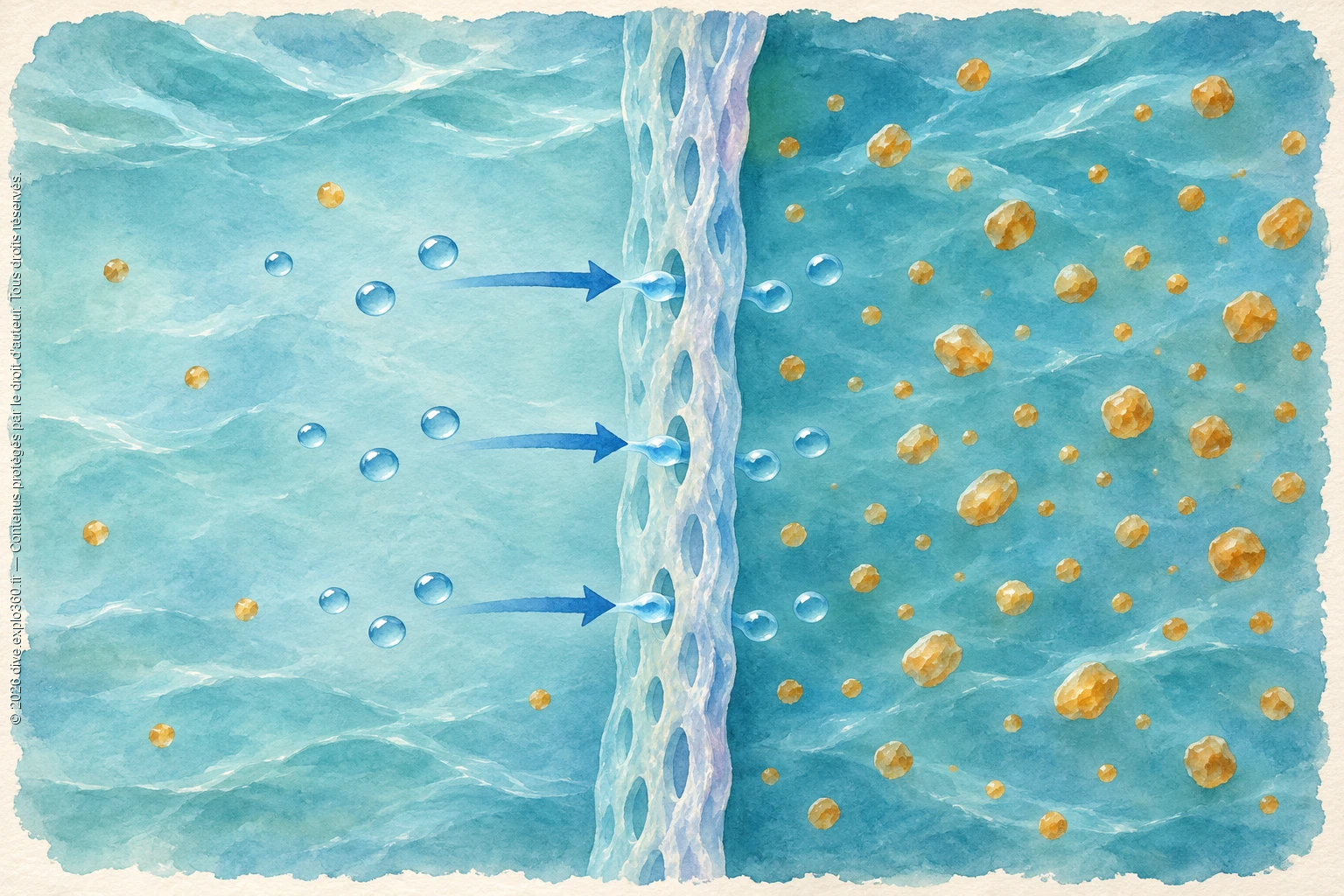
Water can cross some biological membranes. When a membrane separates two environments with different concentrations of dissolved substances, water tends to move towards the higher concentration of substances that cannot cross that membrane freely.
This process is called osmosis.
Much of this exchange takes place at the gills. Their large surface area and the thin tissues separating blood from water promote respiratory exchange, but also expose the animal to movements of water and ions.
Keeping water and salts in balance takes constant work, a process called osmoregulation.
Drinking to avoid dehydration
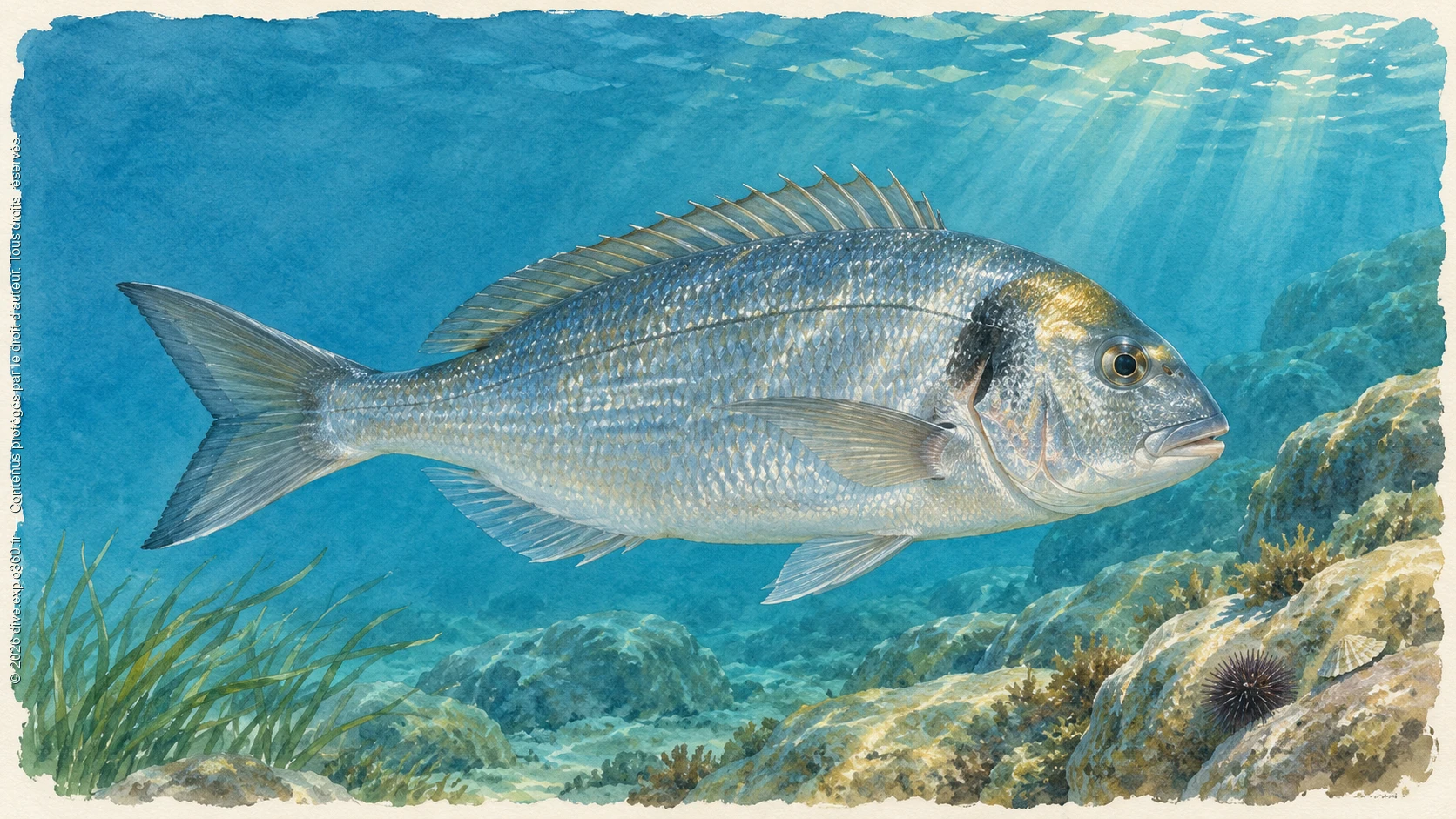
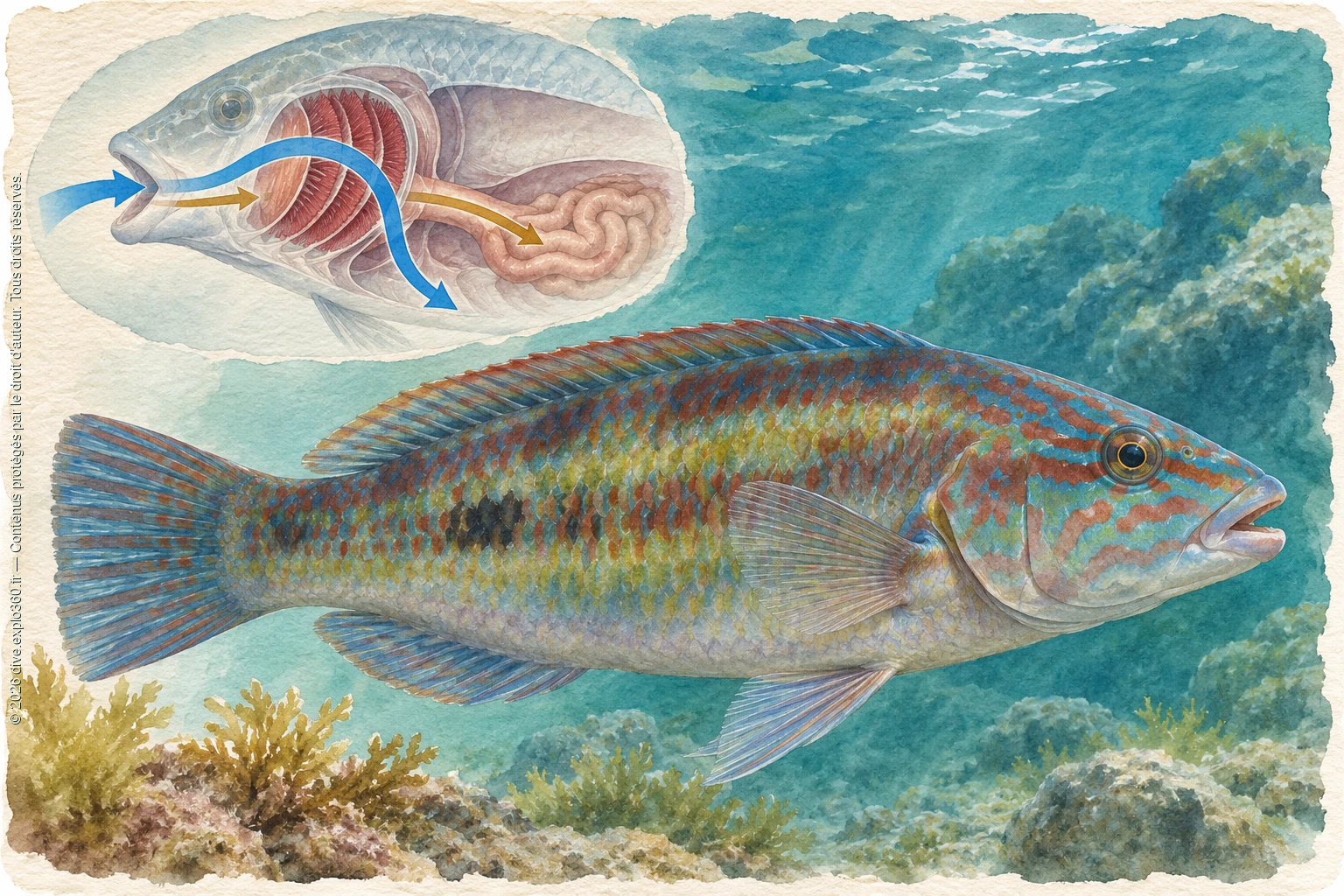
Grouper, seabream and wrasse live in water with a much higher salt concentration than their body fluids. In the Mediterranean, one kilogram of seawater generally contains around 38 grams of dissolved salts, with regional variations.
This concentration difference causes water loss by osmosis, mainly across the gills. Without compensatory mechanisms, marine bony fish would gradually become dehydrated.
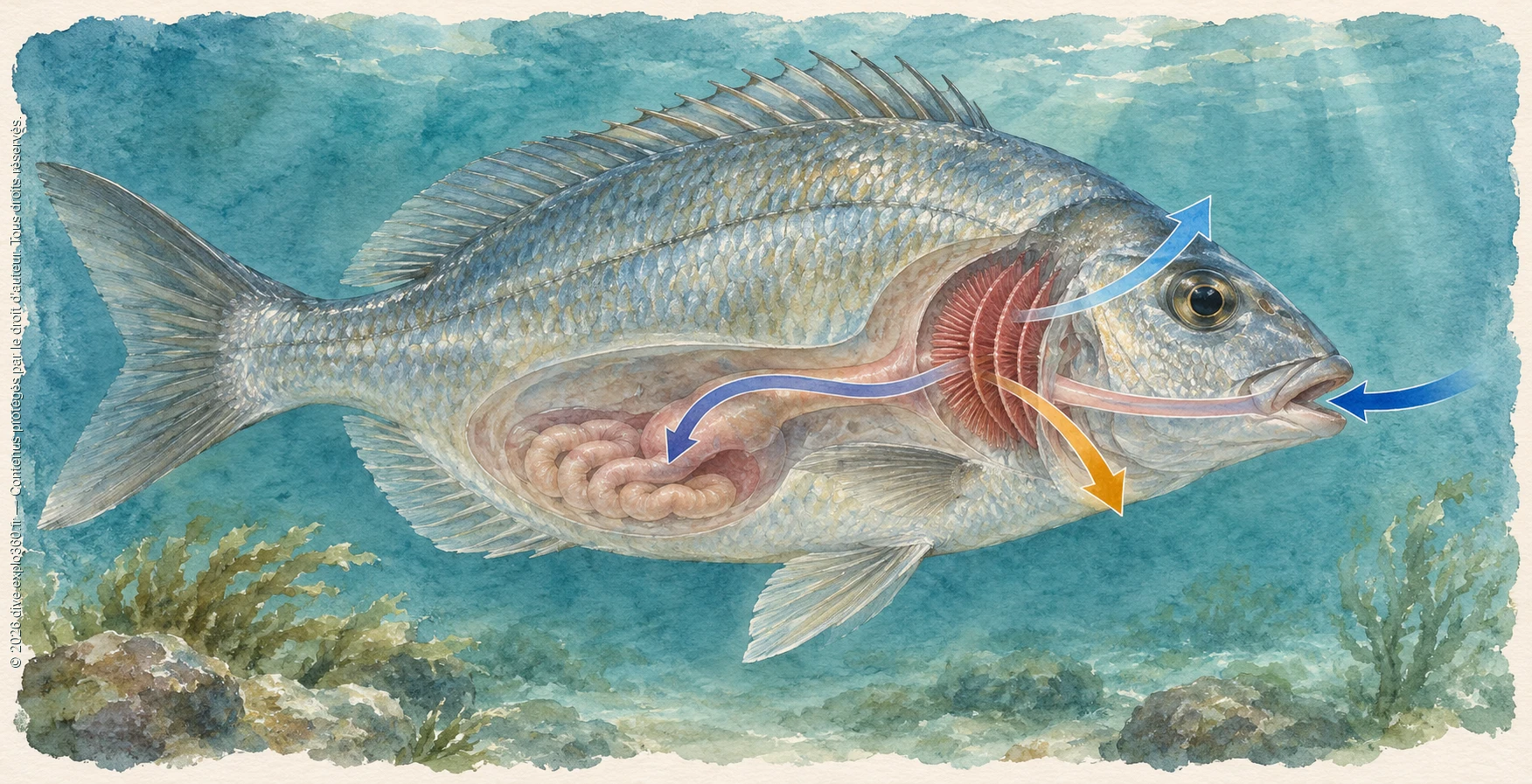
To replace the water they lose, they swallow seawater.
In the gut, the movement of salts helps water pass into the body. That water makes up for some of what has escaped through the gills.
Drinking salt water creates another difficulty, though. How do fish remove the salts absorbed along with it?
The gills help deal with the extra salt too. Specialised cells called ionocytes contribute to the active removal of sodium and chloride ions. The kidneys also help, notably by removing certain other ions, such as magnesium and sulphate.
To limit water loss, most marine bony fish produce relatively little urine.
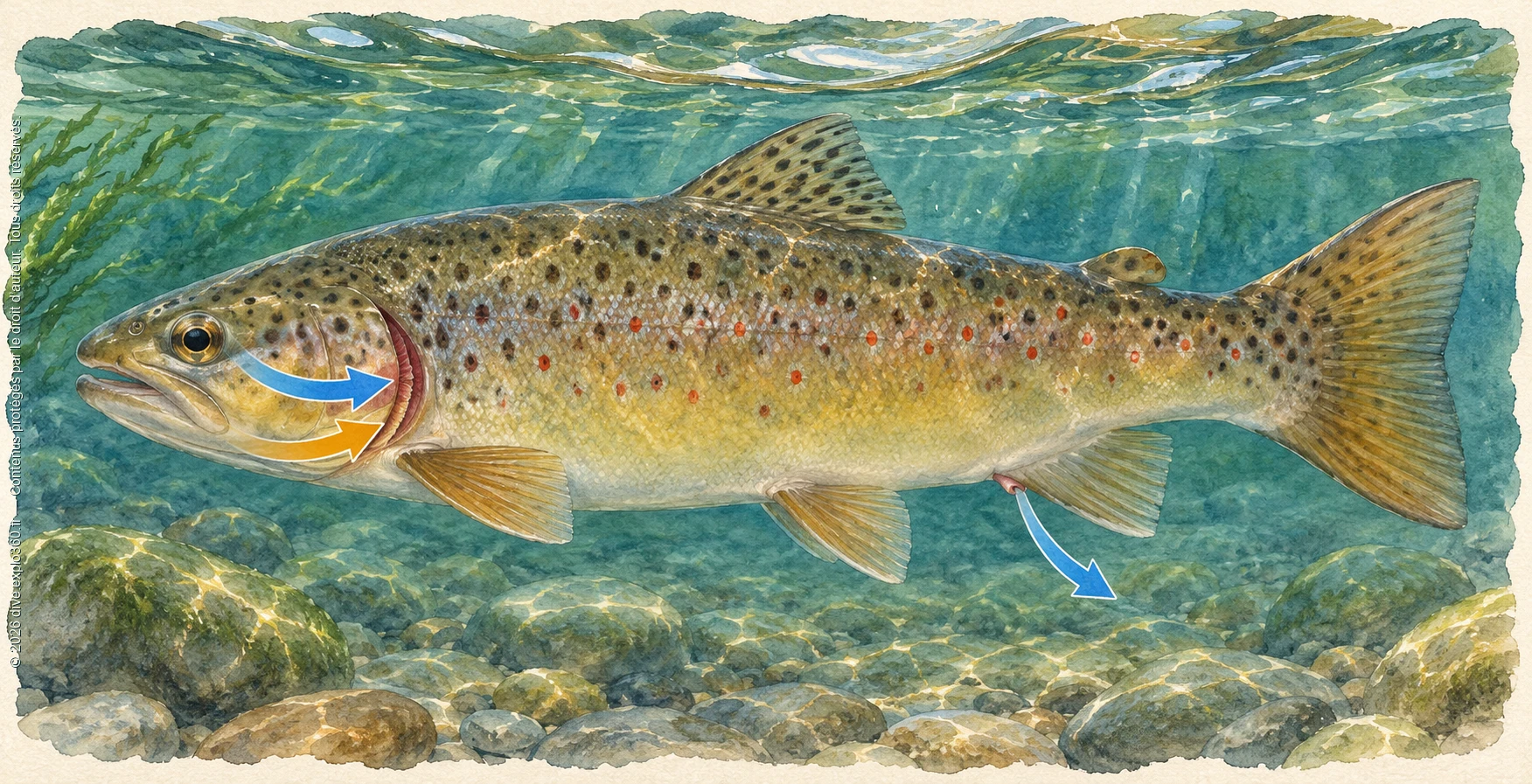
In fresh water, the problem is reversed
Now picture a trout holding its place in a river. The body fluids of trout or pike have a higher salt concentration than the surrounding water.
Water tends to enter its body by osmosis, while some salts escape into the river.
Freshwater fish therefore generally drink very little. Their main task is to remove the excess water entering their bodies. Their kidneys produce abundant dilute urine while limiting the loss of essential salts.
Specialised gill cells actively take up certain ions from the water, even at low concentrations. Food also contributes minerals.
Marine and freshwater fish thus face opposite problems. The former must conserve water and remove excess salts. The latter must conserve salts and remove excess water.
How much water does a fish drink?
Measurements in different species of marine bony fish generally fall between 2 and 5 millilitres of seawater per kilogram of body mass per hour.
At that rate, a one-kilogram fish may swallow 48 to 120 millilitres of seawater a day. These values vary with species, water temperature, body size and metabolism.
You would struggle to count those drinks from a dive video. When a fish opens its mouth, the water flowing towards its gills is mainly used for respiration. Water needed for hydration is swallowed and directed into the digestive tract.
GO FURTHER WITH AMIGANSEAU
Continue reading
Discover full species guides, in-depth content and interactive tools available with your licence.
Dive.Explo360 is an independent, self-funded nonprofit. Every licence helps us create new content, improve our teaching tools and keep some of our resources free and ad-free.
Choose a licence that suits your needs for personal, educational or professional use.
Open-access resources remain available without a subscription.